The fridge is humming a low, persistent note that sounds suspiciously like a complaint. I stare at the crisper drawer, and there they are. A mountain of green tomatoes that refused to ripen before the first frost hit last week. I bought them for a pie, you know, but the season changed on me faster than I could peel them. Now they’re sitting there, firm and unyielding, mocking my inability to plan ahead. Honestly, throwing them out feels like a crime against agriculture. They have too much potential to just rot.
I want something sharp. Something that cuts through the heavy, creamy comfort of the meals I’ve been eating all winter. I don’t want sweet. I want bright, acidic, and loud. This zesty roasted green tomato salsa verde is exactly what my brain is craving right now. It’s not just a condiment; it’s a rescue mission for neglected produce.
I remember the first time I made this, years ago in a tiny kitchen with a broken oven light. I was desperate to use up the garden surplus. I tossed them on a baking sheet with garlic and chili flakes, expecting mush. Instead, I got caramelized edges and a depth of flavor I didn’t know green tomatoes possessed. The roasting changes everything. It tames the raw tartness and turns it into something complex.
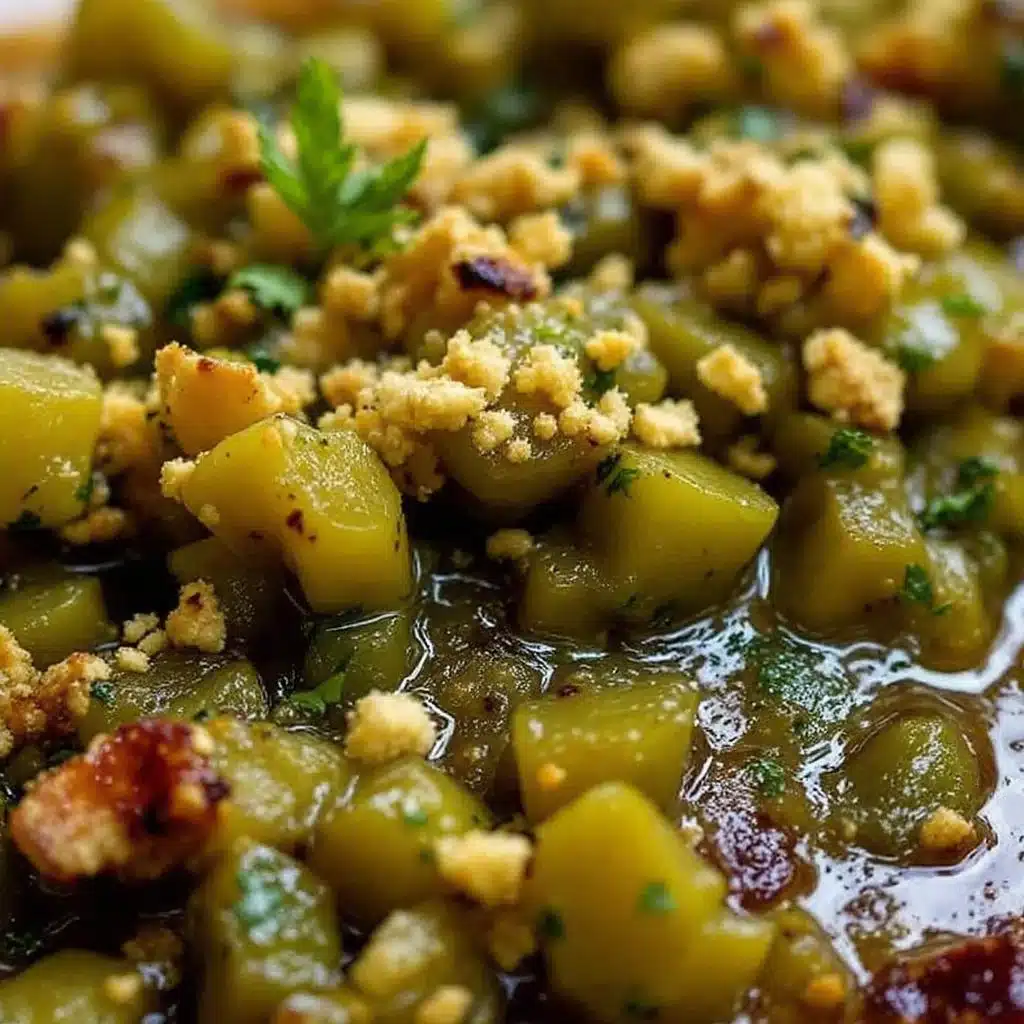
There’s a specific moment when the salsa comes out of the oven. The smell hits you first—smoky, tangy, and slightly sweet from the roasted skins. It fills the house with a promise of summer, even if it’s January outside. That’s why this recipe stuck with me. It turns a seasonal limitation into a year-round staple. It’s simple, forgiving, and incredibly rewarding. You just chop, roast, and blend. No fancy techniques required.
I keep a jar of this in the fridge at all times now. It’s the secret weapon for boring sandwiches, bland eggs, or just eating straight off a chip. It brings life back to dull meals. Let’s face it, we all have those ingredients staring us down that need a second chance. This is how you give it to them.
Why You’ll Love This Recipe
Let’s be real for a second. Most salsa recipes feel like they need a trip to a specialty store. You know the ones. You need to find tomatillos, specific chilies you can’t pronounce, and fresh herbs that wilt before you get home. This zesty roasted green tomato salsa verde is different. It relies on ingredients you likely already have, or can grab at any corner grocery store. It’s honest cooking. It doesn’t try to be fancy; it just tastes good.
Here is why this recipe has earned a permanent spot in my weekly rotation:
- Quick & Easy: You’re looking at about 20 minutes of active prep time. The oven does the heavy lifting while you do literally nothing else. It’s perfect for those chaotic weeknights when you want homemade flavor without the stress.
- Simple Ingredients: No fancy grocery trips needed. Green tomatoes, garlic, onions, oil, and basic spices. If you have these in your kitchen, you’re already halfway done. It’s pantry-friendly and sustainable.
- Perfect for Meal Prep: This salsa is the ultimate meal prep companion. Make a big batch on Sunday, and you have breakfast, lunch, and dinner covered for days. It keeps well in the fridge for over a week, which is a miracle in itself.
- Crowd-Pleaser: I’ve served this at potlucks and dinner parties, and it always disappears first. Adults love the complexity, and kids usually love it because it’s not too spicy (unless you make it that way). It’s a safe bet that actually delivers a punch.
- Unbelievably Delicious: The texture and flavor combo is next-level. Roasting the tomatoes adds a smoky sweetness that raw salsa just can’t match. It’s rich yet bright, thick yet pourable. It’s comfort food reimagined—healthier, faster, but with the same soul-soothing satisfaction.
What makes this recipe different from the rest is the roasting step. Most people just blend raw tomatoes, and while that’s fine, it lacks depth. By roasting them first, you caramelize the natural sugars and concentrate the flavor. It’s a small step that makes a huge difference. Whether it is a special technique like this, or a perfectly balanced seasoning profile, make it clear this isn’t just another version—it’s your best version.
This recipe isn’t just good—it is the kind that makes you close your eyes after the first bite. It’s the kind of salsa that makes you realize you’ve been under-seasoning your food for years. It’s perfect for impressing guests without stress, or turning a simple meal into something memorable. It transforms the ordinary into the extraordinary with minimal effort.
What Ingredients You Will Need
This recipe uses simple, wholesome ingredients to deliver bold flavor and satisfying texture without the fuss. The beauty of this salsa verde lies in its simplicity. You don’t need a dozen different chilies or exotic spices. The star here is the green tomato, which provides a unique tartness that balances beautifully with the smoky roasted notes. Most of these items are likely already in your pantry, making this a very accessible recipe for any home cook.
Here is what you’ll need to gather:
- Green Tomatoes: About 2 pounds of firm, unripe green tomatoes. These are the foundation. Look for tomatoes that are still hard and glossy. (If you can’t find green tomatoes, tomatillos are a good substitute, but the flavor will be different.)
- Yellow Onion: One medium-sized yellow onion, roughly chopped. This adds a foundational sweetness that balances the acidity of the tomatoes. (Adds depth to the base.)
- Garlic Cloves: 4 to 5 large cloves of garlic, peeled. Garlic is non-negotiable here. It provides the savory backbone of the salsa. (Use fresh garlic, not jarred, for the best flavor.)
- Jalapeño Pepper: One medium jalapeño, seeds and ribs removed if you want less heat. This adds the necessary kick. (For a milder salsa, use only half a jalapeño.)
- Fresh Cilantro: One cup of fresh cilantro leaves and tender stems. This brings the “verde” freshness to the mix. (Don’t skip the stems; they have plenty of flavor.)
- Lime Juice: The juice of two fresh limes. Acid is crucial to brighten up the roasted flavors. (Fresh lime juice is much better than bottled.)
- Vegetable Oil: 2 tablespoons of vegetable oil or olive oil for roasting. This helps the tomatoes caramelize and prevents them from drying out. (Avocado oil works well too due to its high smoke point.)
- Ground Cumin: 1 teaspoon of ground cumin. This adds a warm, earthy note that pairs perfectly with tomatoes. (I recommend using a trusted brand like McCormick or Simply Organic for consistent flavor.)
- Smoked Paprika: 1/2 teaspoon of smoked paprika. This enhances the smoky flavor from the oven. (If you don’t have this, regular paprika works, but you’ll miss the smoke.)
- Salt: 1 teaspoon of kosher salt, or to taste. Salt brings out all the flavors. (Adjust based on your tomato acidity.)
- Black Pepper: 1/2 teaspoon of freshly cracked black pepper. A little bit of heat and bite to finish it off.
The ingredient selection is straightforward, but quality matters. For the green tomatoes, look for firm, small-curd texture that isn’t soft or bruised. If they are too soft, they might be starting to turn pink, which changes the flavor profile. In summer, if you can’t find green tomatoes, you can use slightly underripe red tomatoes, but the color and tartness won’t be the same.
Substitutions are easy here. If you are allergic to cilantro, you can swap it for fresh parsley or even basil, though the flavor will shift. For a gluten-free option, this recipe is naturally gluten-free, so no changes needed. If you want a smoother salsa, you can strain out the seeds after blending, but I prefer the texture they add. Keep this section scannable and simple; the magic is in the roasting, not the ingredient list complexity.
Equipment Needed
You don’t need a fancy kitchen to make this salsa. In fact, keeping it simple is part of the charm. Here is the essential equipment you’ll need:
- Sheet Pan: A standard 18×13 inch baking sheet is perfect. You need enough surface area so the tomatoes aren’t crowded. If they’re piled on top of each other, they’ll steam instead of roast. A rimmed sheet pan is best to catch any juices.
- Food Processor or Blender: A standard food processor is ideal for chopping and blending the salsa. It gives you control over the texture. A blender works too, but you might need to add a little water to get it moving. (I personally prefer a food processor for chunkier salsas.)
- Chef’s Knife: A sharp chef’s knife is necessary for chopping the onions and tomatoes. (A dull knife will make squashing the tomatoes unpleasant.)
- Measuring Spoons: Basic measuring spoons for the spices. (Precision helps with the balance of cumin and paprika.)
- Spatula: A silicone spatula is helpful for scraping the roasted tomatoes off the pan and into the food processor. (It also helps get every bit of flavor from the bowl.)
If you don’t have a food processor, you can finely chop everything by hand and mix it in a bowl. It takes more time and effort, but it’s a perfectly valid alternative. For the sheet pan, if you have multiple pans, use them to ensure the tomatoes are in a single layer. This is crucial for proper roasting.
Maintenance tip: Clean your food processor immediately after use. Tomato residue can stain plastic and become hard to remove if it dries. Also, if you use a blender, make sure the lid is secure, as the acidity can sometimes cause leaks if the seal is worn. Budget-friendly options? A basic Cuisinart food processor is affordable and lasts for years. You don’t need anything expensive.
Preparation Method
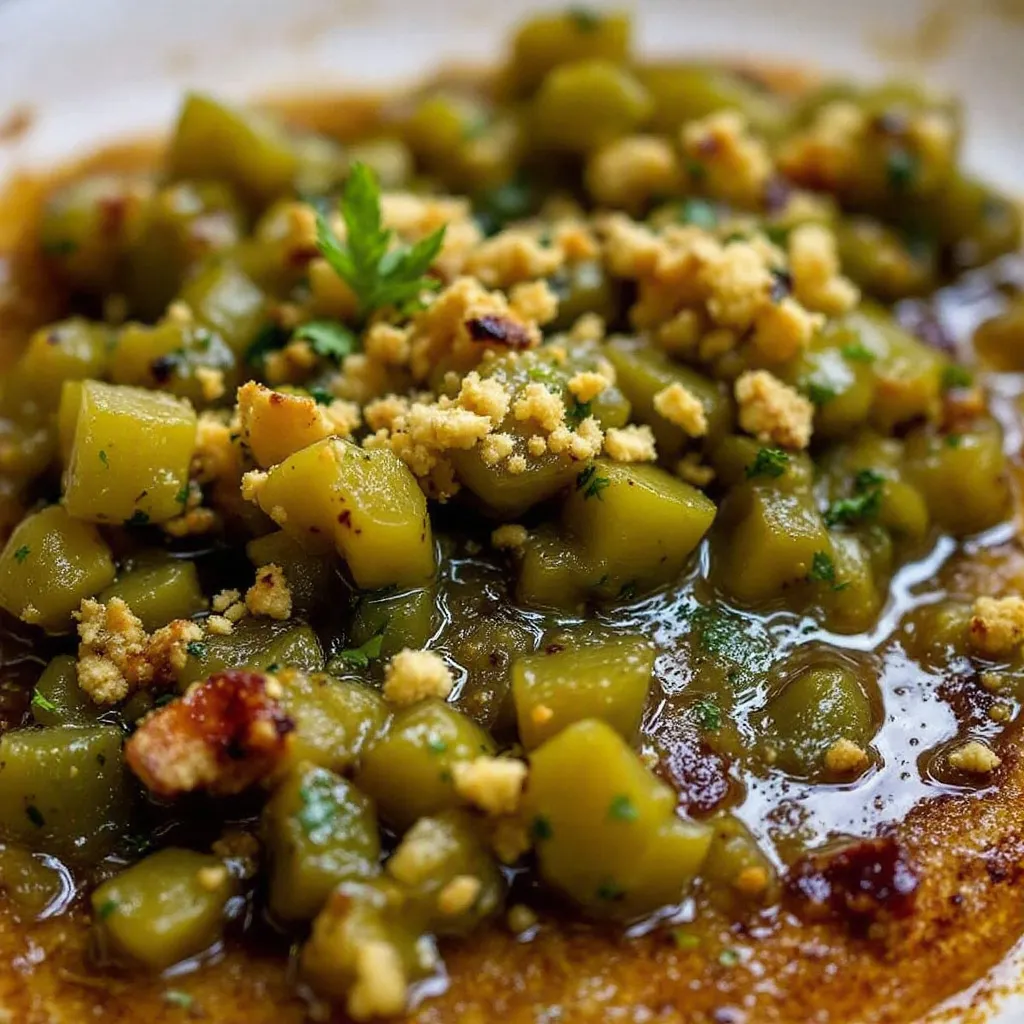
Making this zesty roasted green tomato salsa verde is straightforward, but attention to detail ensures the best results. Follow these steps carefully for a salsa that is balanced, smoky, and perfectly textured.
- Preheat the Oven: Start by preheating your oven to 400°F (200°C). This high heat is essential for roasting the tomatoes quickly and creating caramelized edges. (Allow the oven to fully heat up, which takes about 10-15 minutes.)
- Prepare the Tomatoes: Wash the green tomatoes thoroughly. Remove the stems. Cut the tomatoes in half horizontally. You don’t need to peel them; the skin adds texture and nutrients. (If the tomatoes are very large, you might want to quarter them for even cooking.)
- Chop the Aromatics: Roughly chop the yellow onion and garlic cloves. You don’t need perfect cubes; just break them up so they roast evenly. (Save the cilantro for later.)
- Season the Vegetables: Place the tomato halves, onion chunks, and garlic cloves on your prepared sheet pan. Drizzle with 2 tablespoons of vegetable oil. Sprinkle with 1 teaspoon of salt, 1/2 teaspoon of black pepper, 1 teaspoon of ground cumin, and 1/2 teaspoon of smoked paprika. Toss everything with your hands or a spatula to coat evenly. (Make sure the cut sides of the tomatoes are facing up for best caramelization.)
- Roast: Place the sheet pan in the preheated oven. Roast for 25-30 minutes. You want the tomatoes to soften and develop brown spots on the edges. The onions should be tender and slightly charred. (Check at 20 minutes to prevent burning. If they are browning too fast, lower the heat to 375°F.)
- Cool Slightly: Remove the pan from the oven. Let the roasted vegetables cool for about 10 minutes. This makes them easier to handle and prevents steam from making the salsa watery. (You can speed this up by spreading them out on a cooling rack.)
- Blend: Transfer the roasted tomatoes, onions, and garlic into a food processor. Add the fresh jalapeño (seeds removed if desired) and the fresh lime juice. Pulse a few times to chop everything finely. (Do not over-process; you want a chunky texture, not a smooth puree.)
- Add Herbs: Add the fresh cilantro to the food processor. Pulse again just until the cilantro is incorporated. (Over-blending cilantro can make it bitter, so stop as soon as it’s mixed.)
- Taste and Adjust: Taste the salsa. Add more salt if needed. If it’s too thick, add a splash of water or more lime juice. If it’s too spicy, add a teaspoon of sugar to balance it. (This step is crucial for personalizing the flavor.)
- Serve or Store: Transfer the salsa to an airtight container. It can be served immediately or stored in the refrigerator. (The flavors will meld and improve after sitting for an hour.)
Troubleshooting tip: If your salsa is too runny, it might be because the tomatoes were too juicy. Roasting them longer can help evaporate excess moisture. If it’s too thick, add a little water or oil. Remember, the flavor profile should be bright and zesty, so don’t be afraid to adjust the lime and salt.
Cooking Tips & Techniques
Roasting vegetables is a simple technique, but there are a few tricks to get it right. First, don’t overcrowd the pan. If the tomatoes are touching each other, they will steam instead of roast. Steam creates a soggy texture, which is the opposite of what you want. Give them space. This allows the hot air to circulate and caramelize the surfaces.
Second, use high heat. 400°F is the sweet spot. Lower temperatures will dry out the tomatoes without browning them. You want that Maillard reaction, which creates those complex, savory flavors. I learned this the hard way once when I tried roasting at 350°F. The result was bland and mushy. Never again.
Third, taste as you go. Roasting concentrates flavors, so your raw ingredient measurements might not translate directly. After roasting, the tomatoes might be sweeter or more acidic than you expected. Adjust the seasoning accordingly. This is where the magic happens.
Multitasking strategy: While the tomatoes are roasting, you can prep the cilantro and measure out the spices. This way, when the veggies are done, you’re ready to blend immediately. It saves time and keeps the workflow smooth.
Consistency tip: For a smoother salsa, blend for a longer time. For a chunkier salsa, pulse briefly. I prefer a chunky texture because it holds up better on tacos and chips. It provides a better mouthfeel. Also, if you like a smokier flavor, you can broil the tomatoes for the last 2-3 minutes of roasting. Watch them closely, as they can burn quickly under the broiler. This adds a nice charred note that mimics grilling.
Variations & Adaptations
This recipe is a canvas, and you can paint it however you like. Here are a few variations I’ve tried that work well:
- Spicy Version: If you like heat, leave the seeds and ribs in the jalapeño. You can also add a pinch of cayenne pepper or a dash of hot sauce. For extra heat, use a serrano pepper instead of a jalapeño. It’s sharper and hotter.
- Herb-Forward Version: Swap half the cilantro for fresh parsley or mint. Mint adds a refreshing twist that pairs well with the acidity. It’s a surprising but delicious combination.
- Vegan Option: This recipe is already vegan, but if you want to add creaminess, blend in a tablespoon of tahini or cashew cream. It adds a luxurious texture without dairy.
- Gluten-Free: This recipe is naturally gluten-free. Just ensure your spices are certified gluten-free if you have celiac disease, as cross-contamination can occur in some facilities.
- Seasonal Twist: In the fall, you can add a roasted poblano pepper to the mix. It adds a mild, earthy flavor that complements the green tomatoes beautifully. It’s a great way to use fall produce.
I once tried adding a roasted red bell pepper to this salsa. It was surprisingly good. The sweetness of the pepper balanced the tartness of the tomatoes. It’s worth experimenting with. You can also use tomatillos instead of green tomatoes for a more traditional salsa verde flavor. Tomatillos have a tangier, more citrusy profile, so you might need less lime juice.
Serving & Storage Suggestions
This salsa is incredibly versatile. Serve it warm or cold. It’s perfect with tortilla chips, as a topping for tacos, or mixed into scrambled eggs. I love it with grilled chicken or fish. It adds a bright contrast to rich, savory proteins.
For storage, transfer the salsa to an airtight container. It will keep in the refrigerator for up to 5 days. The flavors will deepen over time, making it even better on day two. You can also freeze it for up to 3 months. Thaw it in the refrigerator before serving. Note that the texture might change slightly after freezing, becoming a bit softer. It’s still delicious, just different.
Reheating: You don’t need to reheat this salsa. It’s best served at room temperature or chilled. If you do want to warm it, gently heat it in a saucepan over low heat. Do not boil it, as this will destroy the fresh flavor of the cilantro and lime.
Complementary dishes: Pair this salsa with my creamy sausage and lemon pasta for a bright contrast. It also goes well with tender slow cooker chicken fajitas. The acidity cuts through the richness of the cheese and meat.
Nutritional Information & Benefits
This salsa is not only delicious but also nutritious. Green tomatoes are a good source of vitamin C, vitamin A, and potassium. They contain antioxidants like lycopene, which is beneficial for heart health. The cilantro adds fiber and vitamin K. The lime juice provides additional vitamin C, boosting your immune system.
The recipe is low in calories and fat, making it a great addition to a balanced diet. It is naturally gluten-free and vegan. However, if you add cheese or sour cream as a topping, the calorie count will increase. Be mindful of portion sizes if you are watching your intake.
Potential allergens: This recipe contains no major allergens. However, always check your spice labels for potential cross-contamination. If you are sensitive to nightshades (tomatoes, peppers), this recipe may not be suitable for you.
From a wellness perspective, I love that this salsa encourages me to eat more vegetables. It’s a flavorful way to add nutrients to my diet without feeling like I’m eating “diet food.” It’s honest, simple nutrition.
Conclusion
This zesty roasted green tomato salsa verde is a testament to the power of simple ingredients. It turns overlooked produce into a star dish. I love it because it’s versatile, healthy, and incredibly easy to make. It’s the kind of recipe that reminds you why you cook in the first place.
I encourage you to try it and customize it to your taste. Add more heat, more herbs, or more lime. Make it your own. This recipe has become a staple in my kitchen, and I hope it becomes one in yours too.
Please share your experiences in the comments below. Did you add extra spice? Did you use it on a specific dish? I’d love to hear how you adapted it. And if you make this, take a photo and tag me. I love seeing your creations.
Enjoy this salsa with friends and family. It’s a small thing, but it brings a lot of joy. Happy cooking!
FAQs
Can I use red tomatoes for this recipe?
Yes, you can use underripe red tomatoes, but the flavor will be sweeter and less tart. The color will also be different. Green tomatoes provide a unique acidity that is essential for this specific salsa verde profile.
How long does this salsa last in the fridge?
This salsa will last for up to 5 days in an airtight container in the refrigerator. The flavors will continue to meld and improve over the first couple of days.
Can I freeze this salsa?
Yes, you can freeze this salsa for up to 3 months. Thaw it in the refrigerator before serving. The texture may become slightly softer, but the flavor will remain excellent.
Is this salsa spicy?
The heat level depends on the jalapeño. By removing the seeds and ribs, you reduce the heat significantly. It is mild and zesty rather than hot. You can adjust the spice level to your preference.
Can I use a blender instead of a food processor?
Yes, you can use a blender. However, you may need to add a little water to help it blend. A food processor is preferred for a chunkier texture, while a blender will create a smoother puree.
Pin This Recipe!
Zesty Roasted Green Tomato Salsa Verde
A bright, acidic, and smoky salsa made by roasting firm green tomatoes with garlic, onions, and spices. This easy recipe rescues unripe tomatoes and creates a versatile condiment perfect for chips, tacos, or eggs.
- Prep Time: 20 minutes
- Cook Time: 30 minutes
- Total Time: 50 minutes
- Yield: 4 servings 1x
- Category: Appetizer
- Cuisine: Mexican
Ingredients
- 2 pounds firm, unripe green tomatoes, washed and stems removed
- 1 medium yellow onion, roughly chopped
- 4–5 large garlic cloves, peeled
- 1 medium jalapeño pepper, seeds and ribs removed (optional for less heat)
- 1 cup fresh cilantro leaves and tender stems
- Juice of 2 fresh limes
- 2 tablespoons vegetable oil (or olive/avocado oil)
- 1 teaspoon kosher salt
- 1/2 teaspoon freshly cracked black pepper
- 1 teaspoon ground cumin
- 1/2 teaspoon smoked paprika
Instructions
- Preheat oven to 400°F (200°C).
- Cut green tomatoes in half horizontally. Roughly chop the yellow onion and garlic.
- Place tomato halves, onion chunks, and garlic on a rimmed sheet pan.
- Drizzle with vegetable oil and sprinkle with salt, black pepper, cumin, and smoked paprika. Toss to coat evenly, ensuring tomato cut sides face up.
- Roast for 25-30 minutes until tomatoes soften and develop brown, caramelized edges, and onions are tender.
- Remove from oven and let cool for 10 minutes.
- Transfer roasted vegetables to a food processor. Add jalapeño and lime juice.
- Pulse until finely chopped but still chunky.
- Add fresh cilantro and pulse briefly just until incorporated.
- Taste and adjust seasoning with more salt or lime juice if needed.
- Serve immediately or store in an airtight container.
Notes
Do not overcrowd the pan to ensure proper roasting instead of steaming. For a smoother salsa, blend longer; for chunkier, pulse briefly. The salsa keeps well in the fridge for up to 5 days or can be frozen for up to 3 months. If using a blender, you may need to add a splash of water to help it move.
Nutrition
- Serving Size: Approximately 1/2 cu
- Calories: 85
- Sugar: 5
- Sodium: 320
- Fat: 5
- Saturated Fat: 0.5
- Carbohydrates: 10
- Fiber: 2
- Protein: 2
Keywords: green tomato salsa, salsa verde, roasted salsa, vegetarian recipe, vegan salsa, easy appetizer, meal prep, gluten-free