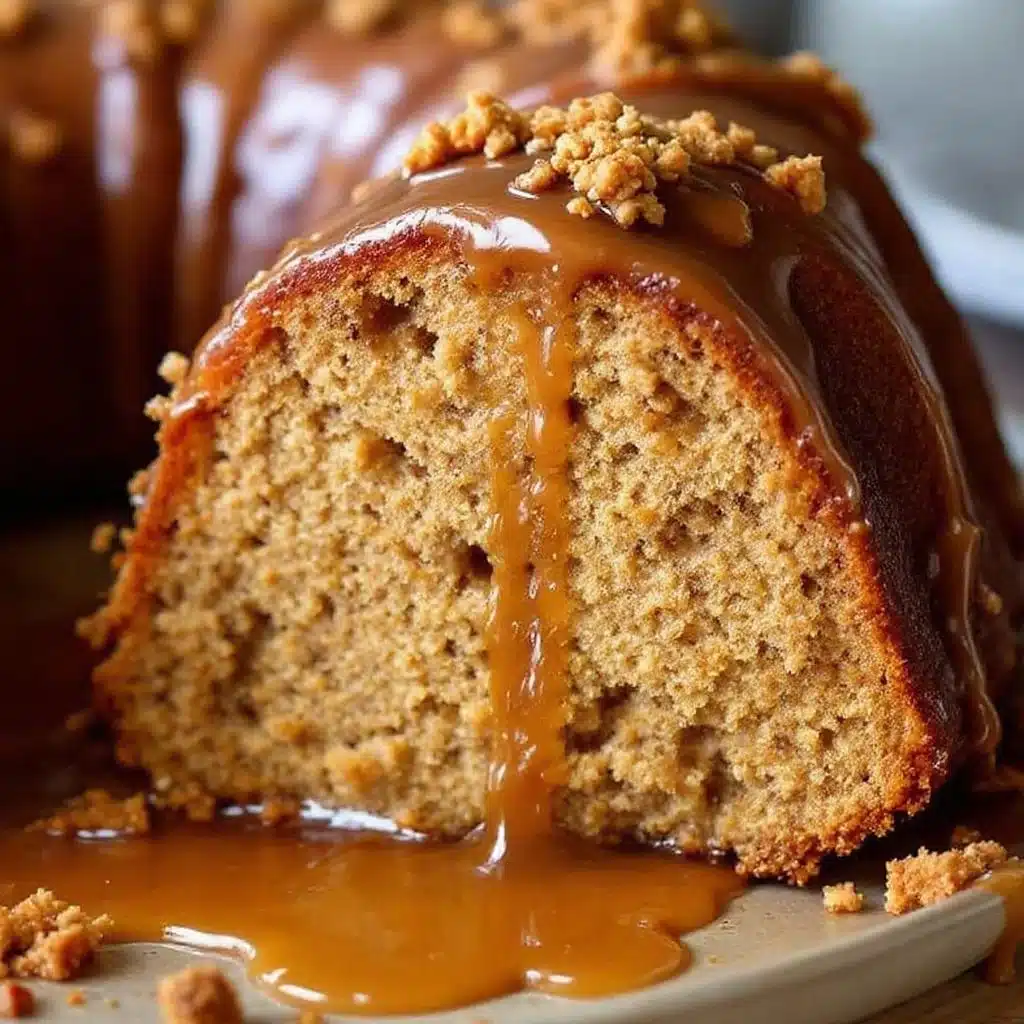
For a while, I just accepted that apple cider cake wasn’t going to taste like actual autumn. You know the type—the ones that rely on too much cinnamon syrup to mask a dry, dense crumb. It felt like a compromise. I wanted something that captured the smoky, caramelized essence of a bonfire, not just the sugary punch of a soda. The market shelves were lined with bottles of reduced cider, but the baking aisle offered little in the way of inspiration that didn’t feel overly complicated or artificial.
There was this specific gap in my weekend routine. I loved the ritual of reducing cider on the stove, watching it bubble down to a thick, dark syrup. But once it was done, I didn’t know what to do with it besides drink it or drizzle it on cheese. The flavor was too intense for a simple drink, yet too complex for a plain loaf. It needed a vehicle. It needed structure. It needed to hold that rich, spiced depth without fighting against the batter.
I tried a few versions that failed. Some were too wet, collapsing in the middle of the pan. Others were so packed with spices they tasted like medicine. Honestly, it was frustrating. I kept thinking about those old-fashioned Bundt pans my grandmother used, the ones with the intricate fluting that trapped the glaze. I realized the problem wasn’t the recipe; it was the balance between the fruit reduction and the fat content. I needed something that could stand up to the boldness of the cider.
Then, one rainy Tuesday, I stopped trying to force it and just listened to what the ingredients wanted. I reduced the cider until it was almost jam-like. I swapped some of the water for the syrup. I let the spices bloom in butter before mixing. The result wasn’t a miracle, just a really good cake. It sat there on the counter, steaming slightly, smelling like a orchard in October. That was the moment I knew I had found the right ratio. It wasn’t about being fancy. It was about getting the basics right.
Now, whenever I make this spiced apple cider Bundt cake with caramel glaze, it feels less like cooking and more like remembering. It’s quiet. It’s steady. It’s the kind of thing that makes the house smell like a hug. And that’s enough for me.
Why You’ll Love This Recipe
This isn’t just another fall dessert that looks good in photos but disappoints on the palate. This recipe has been tested, tweaked, and trusted in my kitchen for years. It strikes that rare balance between sophisticated flavor and approachable ease. Here is why this specific cake earns its spot on your table:
- Complex Flavor in Simple Steps: You might think reducing apple cider takes forever, but it actually simplifies the baking process. By concentrating the flavor first, you get intense apple taste without adding bulky, wet fruit that can weigh down the batter. It’s a cheat code for flavor.
- Perfect Texture Every Time: The Bundt pan is your best friend here. The shape ensures even baking, preventing the dreaded domed top that’s hard to glaze. The crumb stays moist for days because of the fat content in the buttermilk and oil, making it ideal for meal prep.
- Seasonal Versatility: While perfect for Thanksgiving or Halloween, this cake works for any crisp autumn day. It pairs beautifully with a cup of black coffee or a glass of stout beer. It’s also a great make-ahead dessert, as the flavors actually meld and improve overnight.
- The Caramel Glaze Factor: Most cake glazes are just powdered sugar and milk. This one uses the reduced cider syrup to create a sticky, toffee-like coating that seeps into the cracks of the Bundt. It adds a salty-sweet contrast that elevates the whole experience.
- Expert Tip for Moisture: I use a mix of butter and neutral oil. The butter provides the rich, creamy flavor you crave, while the oil ensures the crumb stays tender and doesn’t firm up too much in the fridge. It’s a technique I learned from professional bakers to keep cakes soft for longer.
When you cut into this cake, you’re not just getting sweetness. You’re getting the warmth of cinnamon, the sharpness of nutmeg, and the deep, cooked-down apple essence. It’s comfort food that feels a bit more refined but requires zero stress. You can make the cider reduction the night before, letting you focus on the mix and bake on the day of. It’s reliable, delicious, and utterly satisfying.
What Ingredients You Will Need
This recipe relies on a few key components that work together to create that signature spiced apple flavor. You don’t need anything obscure, but the quality of the cider matters more than you’d think. Here is what you need to gather:
- Apple Cider (Unfiltered): You need about 2 cups of raw, unfiltered apple cider. Look for the cloudy kind from a local farm stand or grocery store cooler, not the clear, pasteurized juice in the boxes. The pulp and sediment are where the flavor lives. You will reduce this down to about 1/2 cup of syrup.
- All-Purpose Flour: Two cups of standard flour is all you need. Don’t bother with cake flour unless you want a very delicate crumb; all-purpose gives this cake the sturdy structure it needs to hold the glaze.
- Baking Soda and Baking Powder: Both are used here. The baking powder gives the initial rise, while the baking soda reacts with the acidity in the buttermilk and cider syrup to create a tender texture.
- Spices: Cinnamon, nutmeg, ginger, and allspice. These are the heart of the cake. Use fresh ground spices if you can, as pre-ground ones lose their potency quickly. A pinch of cloves is optional but recommended for depth.
- Unsalted Butter: One cup (2 sticks), softened to room temperature. This adds richness and helps emulsify the batter. Salted butter can be used, but you’ll need to reduce the added salt in the recipe.
- Vegetable or Canola Oil: Half a cup of neutral oil. This keeps the cake moist and prevents it from becoming too dense when chilled.
- Sugar: A mix of granulated white sugar and dark brown sugar. The brown sugar adds molasses notes that complement the caramel glaze perfectly.
- Eggs: Four large eggs, room temperature. Cold eggs can cause the butter to seize, so let them sit out for 30 minutes before you start.
- Buttermilk: One cup of buttermilk. If you don’t have it, mix 1 tablespoon of white vinegar or lemon juice with enough milk to make 1 cup and let it sit for 5 minutes.
- Vanilla Extract: Two teaspoons of pure vanilla. Avoid imitation vanilla; it can taste chemical in a delicate cake like this.
- Salt: Half a teaspoon of fine sea salt to balance the sweetness.
- For the Glaze: The remaining reduced cider syrup, powdered sugar, a splash of cream or milk, and a pinch of flaky sea salt for finishing.
One thing I always check is the freshness of my leavening agents. If your baking soda is more than six months old, it might not react properly, leading to a flat cake. Also, ensure your butter is softened correctly—it should yield to pressure but not be melted. If it’s too soft, your cake won’t hold air during creaming.
Equipment Needed
You don’t need a fancy kitchen to make this cake, but having the right tools makes the process smoother. The most important item is the Bundt pan. I recommend a 10 to 12-cup capacity pan with a tube in the center. This design helps the cake bake evenly through the middle. If you don’t have a Bundt pan, you can use two 9-inch round pans, but you’ll need to adjust the baking time, likely reducing it by 10-15 minutes.
A heavy-bottomed saucepan is essential for reducing the apple cider. A thin pan might burn the sugar at the bottom, creating a bitter taste. Stainless steel or enameled cast iron works best. You’ll also need a whisk for mixing the dry ingredients and a hand mixer or stand mixer for creaming the butter and sugar. A cooling rack is necessary to let the cake cool completely before glazing, otherwise, the glaze will just slide off or melt into a puddle.
Don’t underestimate the importance of a good pastry brush. You’ll use it to wet the pan with simple syrup before greasing it, which helps the glaze stick later. If you’re worried about the cake sticking, use a baking spray that contains flour. It’s a small thing, but it saves so much stress when it’s time to flip the cake.
Preparation Method
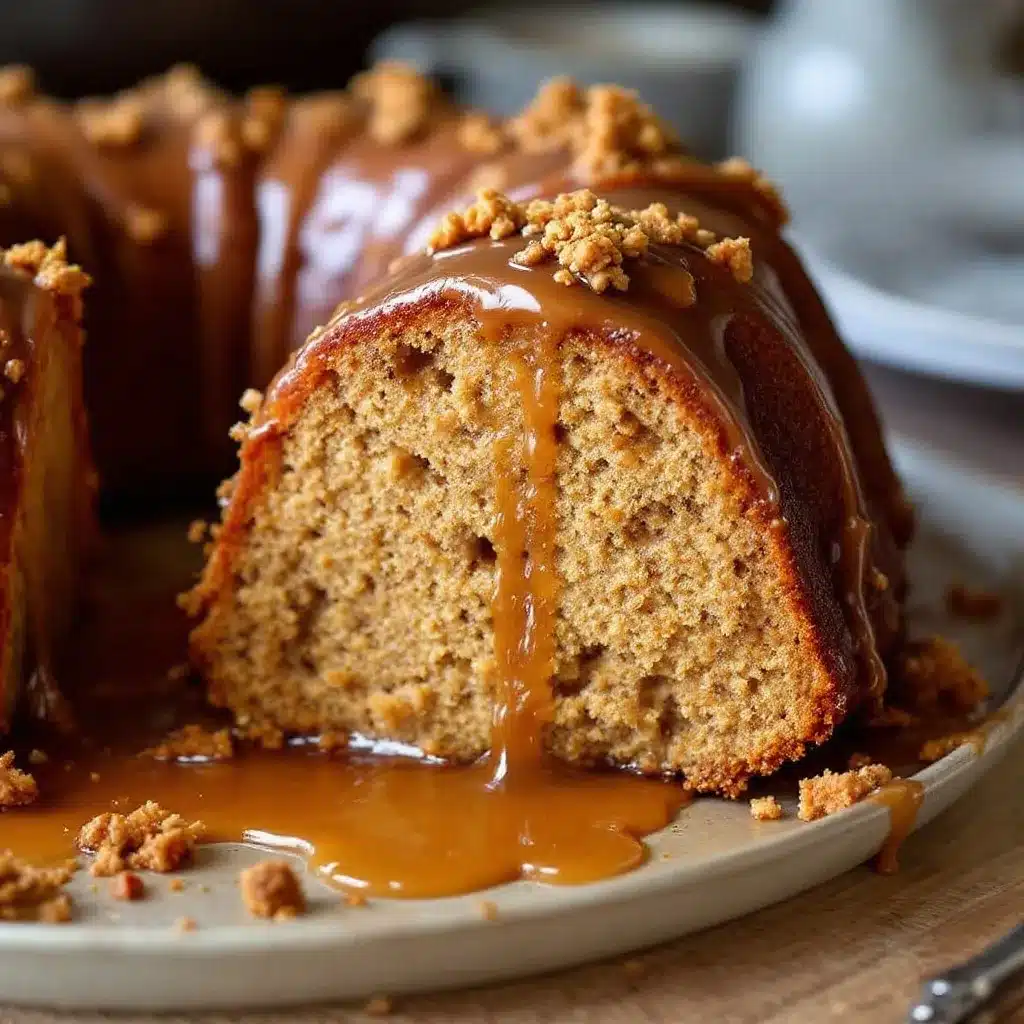
Getting this cake right starts before you even mix the batter. The first step is reducing the apple cider. Pour your 2 cups of unfiltered cider into a heavy-bottomed saucepan. Bring it to a boil over medium-high heat, then reduce the heat to medium-low. Let it simmer gently for about 20-30 minutes. You are looking for the liquid to reduce by three-quarters, leaving you with about 1/2 cup of thick, syrupy liquid. It should coat the back of a spoon. Remove it from the heat and let it cool completely. This step concentrates the apple flavor and removes excess water, which is crucial for a moist cake.
While the cider cools, preheat your oven to 350°F (175°C). Prepare your Bundt pan by brushing it lightly with simple syrup, then spraying it thoroughly with baking spray. This double-layer of protection ensures the intricate details of the pan don’t trap the cake. In a medium bowl, whisk together the flour, baking soda, baking powder, salt, cinnamon, nutmeg, ginger, and allspice. Set this aside.
In the bowl of a stand mixer fitted with the paddle attachment, cream the softened butter and both sugars together on medium-high speed for about 4 minutes. The mixture should look pale and fluffy. This step incorporates air, which helps the cake rise. Add the eggs one at a time, beating well after each addition. Scrape down the sides of the bowl to ensure everything is evenly mixed. Mix in the vanilla extract.
Reduce the mixer speed to low. Add the flour mixture in three parts, alternating with the buttermilk and the cooled cider syrup. Start and end with the flour mixture. Mix only until the ingredients are just combined. Overmixing at this stage will develop gluten and make the cake tough. Once the batter is smooth, pour it into the prepared Bundt pan and smooth the top with a spatula.
Bake for 50-60 minutes. Check for doneness by inserting a wooden skewer into the center of the cake. It should come out clean or with just a few moist crumbs attached. If the top is browning too quickly, tent it loosely with aluminum foil for the last 15 minutes of baking. Once done, let the cake cool in the pan for 15 minutes. Then, invert it onto a wire rack to cool completely. This cooling time is vital; if you glaze a warm cake, the glaze will melt and run off.
For the glaze, whisk the cooled cider syrup with powdered sugar, a splash of cream, and a pinch of salt until you reach a drizzle-able consistency. Pour it over the completely cooled cake, letting it drip down the sides. Sprinkle with flaky sea salt immediately. Let the glaze set for at least 30 minutes before slicing.
How do I know when the cider is reduced enough?
The syrup should be thick enough to coat the back of a spoon heavily. If it runs off quickly, it needs more time. You want the flavor concentrated, not burnt.
Can I use store-bought apple juice?
It’s not recommended. Apple juice is filtered and lacks the depth and pectin of unfiltered cider. The flavor won’t be as intense, and the texture of the cake might be different. If you must, use 100% apple juice, but expect a milder taste.
Why did my cake stick to the pan?
This usually happens if the pan wasn’t prepped properly or if the cake was flipped while still warm. Always let it cool for 15 minutes, and always use a baking spray with flour. If it sticks, run a thin knife around the edges carefully before flipping.
Can I make this cake ahead of time?
Yes, this cake actually tastes better the next day. You can make the cider reduction up to a week in advance. The baked cake can be stored in an airtight container at room temperature for up to 3 days.
What type of pan should I use?
A 10-12 cup Bundt pan is ideal. Avoid non-stick pans with very dark coatings, as they can cause the edges to burn before the center is cooked. Light-colored metal pans are best for even browning.
Cooking Tips & Techniques
Reducing the cider is the most critical step, but it’s also the easiest to mess up if you’re not paying attention. Keep the heat medium-low. If it boils too vigorously, the sugars can burn, creating a bitter flavor that ruins the cake. Stir occasionally to prevent sticking. The smell will change from sharp and fruity to sweet and caramel-like when it’s ready.
Another common mistake is overmixing the batter. Once you add the flour, mix only until you no longer see streaks of white. Overmixing develops gluten, leading to a dense, chewy cake instead of a tender crumb. Be gentle with your mixer.
Room temperature ingredients are key for emulsion. Cold eggs or buttermilk can cause the butter to seize, resulting in a curdled batter. If you forget to take them out, place the eggs in a bowl of warm water for 10 minutes. This ensures a smooth, uniform batter that bakes evenly.
Don’t skip the cooling time. Flipping the cake too soon can cause it to break apart. The structure needs to set. Also, let the glaze set completely before slicing. This prevents the glaze from smearing and ensures clean slices for serving.
If your kitchen is humid, the glaze might take longer to set. You can place the cake in the fridge for 15 minutes to speed up the process, but let it come back to room temperature before serving for the best texture.
Variations & Adaptations
This recipe is quite flexible, allowing you to tweak it to your taste or dietary needs. Here are a few ideas:
- Gluten-Free Option: You can substitute the all-purpose flour with a 1:1 gluten-free baking flour blend. Look for one that contains xanthan gum to help with structure. The result is nearly identical to the original.
- Dairy-Free: Swap the butter for a high-quality vegan butter stick. Use coconut milk or oat milk instead of buttermilk, adding a tablespoon of lemon juice to sour it. The cake will be slightly denser but still delicious.
- Adding Apples: For a fruitier version, fold in 1 cup of peeled, diced Granny Smith apples into the batter after mixing. This adds texture and bursts of fresh apple flavor.
- Maple Glaze: Instead of a cider glaze, try a maple glaze using pure maple syrup and powdered sugar. It pairs beautifully with the spices in the cake.
- Walnut or Pecan Crunch: Add 1 cup of toasted walnuts or pecans to the batter for added crunch and nutty flavor. This complements the autumn theme perfectly.
I once tried adding a layer of apple butter in the center of the cake before baking. It created a lovely surprise filling, but it required careful layering to avoid sinking. If you try this, add a spoonful of batter, then a dollop of apple butter, then more batter on top.
Serving & Storage Suggestions
This cake is best served at room temperature. Cold cake tends to mute the flavors, especially the spices. Slice it into generous wedges to showcase the Bundt shape. It pairs wonderfully with a cup of black coffee, tea, or even a glass of red wine.
For storage, keep the cake in an airtight container at room temperature for up to 3 days. If you live in a hot or humid climate, store it in the fridge, but bring it to room temperature before serving. The cake can also be frozen. Wrap the cooled cake tightly in plastic wrap and then in aluminum foil. It will keep for up to 2 months. Thaw it overnight in the fridge before serving.
If you have leftover glaze, you can store it in the fridge for up to a week. Reheat it slightly in the microwave before drizzling over another cake or even pancakes.
Nutritional Information & Benefits
While this is a dessert, it does offer some nutritional benefits. Apples are a good source of fiber and vitamin C. Cinnamon has anti-inflammatory properties and can help regulate blood sugar. However, this cake is still rich in sugar and fat, so enjoy it in moderation.
Each slice contains approximately 450 calories, with significant carbohydrates from the flour and sugar. It is not suitable for low-carb or keto diets unless modified with almond flour and erythritol. For those with gluten sensitivities, the gluten-free adaptation is a safer option.
Conclusion
Making this spiced apple cider Bundt cake with caramel glaze is a rewarding experience that brings the essence of fall into your kitchen. It’s not just a cake; it’s a celebration of seasonal flavors. I hope you try this recipe and enjoy every bite. Don’t be afraid to experiment with the variations to make it your own. If you do, I’d love to hear how it turned out. Leave a comment below or share your photos on social media. Happy baking!
Frequently Asked Questions
Can I use apple juice instead of cider?
It is not recommended. Apple juice is filtered and lacks the depth and pectin of unfiltered cider. The flavor won’t be as intense, and the texture of the cake might be different.
How do I store leftover cake?
Store in an airtight container at room temperature for up to 3 days. For longer storage, wrap tightly and freeze for up to 2 months.
Can I make the cider reduction ahead of time?
Yes, you can reduce the cider up to a week in advance. Store it in an airtight container in the fridge.
Why did my cake sink in the middle?
This can happen if the oven door was opened too early or if the leavening agents were old. Ensure your oven is preheated and check your baking powder/soda freshness.
What spice can I substitute for nutmeg?
You can use allspice or cloves in equal amounts. Cardamom also works well for a different flavor profile.
Pin This Recipe!
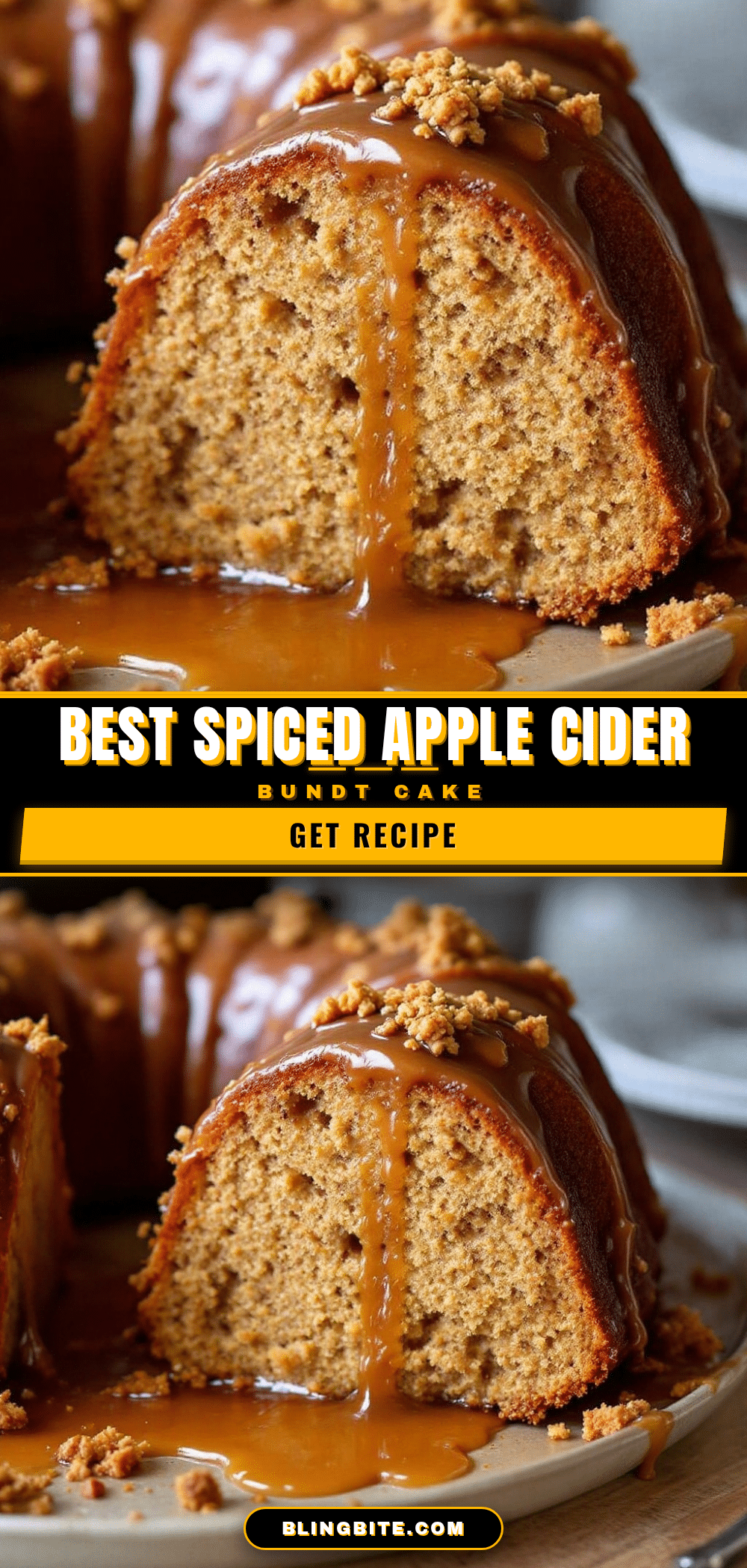
Best Spiced Apple Cider Bundt Cake with Caramel Glaze
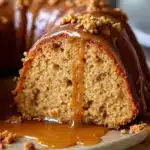
A moist, spiced Bundt cake featuring reduced apple cider syrup and a rich caramel glaze, designed to capture the essence of autumn with a sophisticated yet approachable flavor profile.
- Prep Time: 30 minutes
- Cook Time: 60 minutes
- Total Time: 90 minutes
- Yield: 12 servings 1x
- Category: Dessert
- Cuisine: American
Ingredients
- 2 cups unfiltered apple cider
- 2 cups all-purpose flour
- 1 tsp baking soda
- 1 tsp baking powder
- 1 tsp cinnamon
- 1/2 tsp nutmeg
- 1/2 tsp ginger
- 1/2 tsp allspice
- 1 cup unsalted butter, softened
- 1/2 cup vegetable or canola oil
- 1 cup granulated white sugar
- 1 cup dark brown sugar
- 4 large eggs, room temperature
- 1 cup buttermilk
- 2 tsp vanilla extract
- 1/2 tsp fine sea salt
- Powdered sugar (for glaze)
- Splash of cream or milk (for glaze)
- Flaky sea salt (for finishing)
Instructions
- Pour 2 cups of unfiltered apple cider into a heavy-bottomed saucepan. Bring to a boil over medium-high heat, then reduce to medium-low. Simmer for 20-30 minutes until reduced to 1/2 cup of thick syrup. Let cool completely.
- Preheat oven to 350°F (175°C). Brush a 10-12 cup Bundt pan with simple syrup, then spray thoroughly with baking spray containing flour.
- In a medium bowl, whisk together flour, baking soda, baking powder, salt, cinnamon, nutmeg, ginger, and allspice.
- In a stand mixer fitted with the paddle attachment, cream softened butter and both sugars on medium-high speed for 4 minutes until pale and fluffy.
- Add eggs one at a time, beating well after each addition. Scrape down sides and mix in vanilla extract.
- Reduce mixer speed to low. Add flour mixture in three parts, alternating with buttermilk and cooled cider syrup. Start and end with flour. Mix only until combined.
- Pour batter into prepared pan and smooth top. Bake for 50-60 minutes or until a skewer comes out clean. Tent with foil if browning too quickly.
- Cool in pan for 15 minutes, then invert onto a wire rack to cool completely.
- Whisk cooled cider syrup with powdered sugar, cream, and a pinch of salt until drizzle-able. Pour over cooled cake and sprinkle with flaky sea salt. Let set for 30 minutes before slicing.
Notes
Ensure butter is softened but not melted. Do not overmix the batter to avoid a tough crumb. The cake tastes better the next day as flavors meld. Can be stored at room temperature for 3 days or frozen for 2 months.
Nutrition
- Serving Size: 1 slice
- Calories: 450
- Sugar: 45
- Sodium: 350
- Fat: 22
- Saturated Fat: 8
- Carbohydrates: 60
- Fiber: 1
- Protein: 5
Keywords: apple cider cake, bundt cake, fall dessert, caramel glaze, spiced cake, autumn baking, seasonal recipes