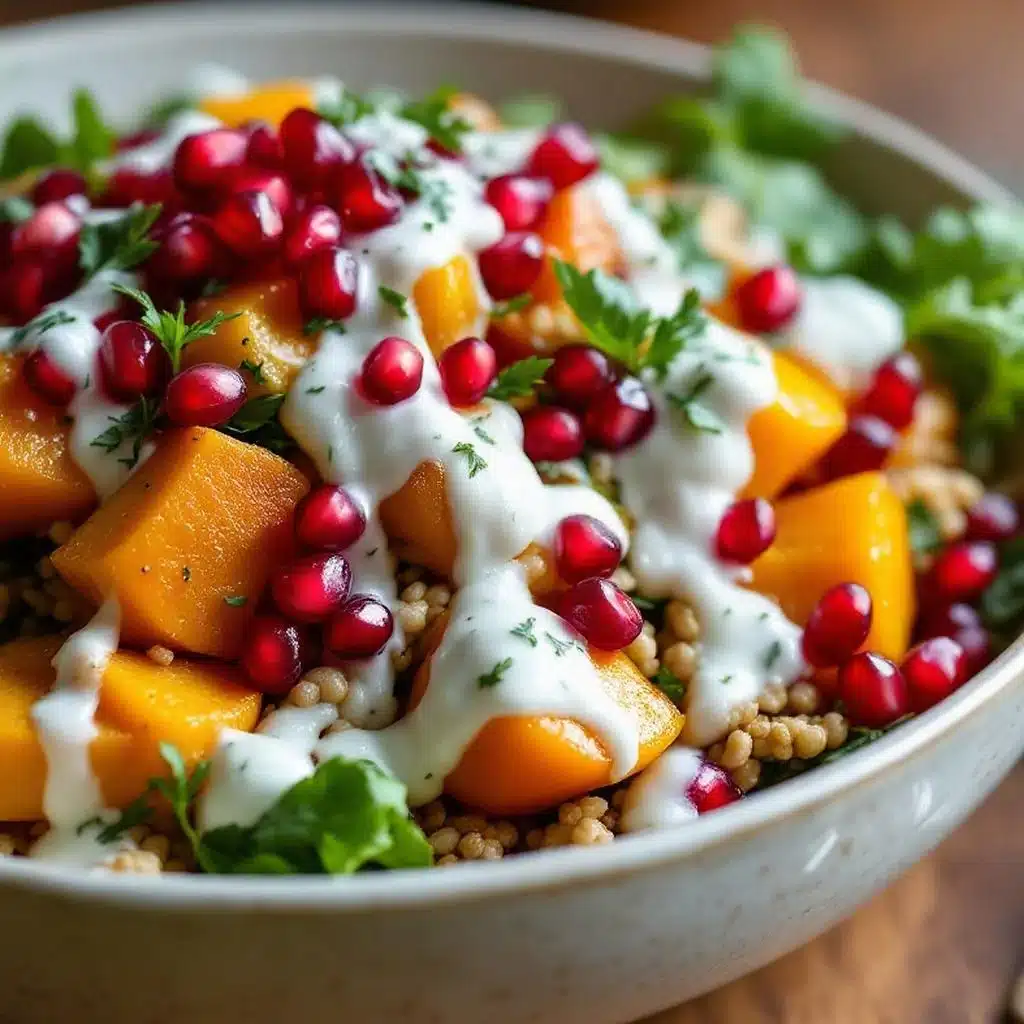
I remember standing in front of a wobbly wooden table piled high with winter squash, my hands wrapped around a bag of hot tea because the air was biting. The vendor, a guy with flour on his apron and a smile that didn’t quite reach his eyes, handed me a butternut squash that felt heavier than it looked. He told me to roast it until it caramelized, then toss it with something tart to cut the sweetness.
I was young then, cooking in a kitchen that smelled perpetually of damp wood and old books. I didn’t have a good knife. I didn’t have a reliable oven. But I had this weird, stubborn desire to make fall taste like something worth remembering. So I roasted the squash until it was tender, then sprinkled pomegranate seeds over the top just because they looked like little rubies in the dim light.
It wasn’t fancy. It was just warm squash, crunchy seeds, and a drizzle of olive oil that tasted like sunshine trapped in a bottle. That combination stuck with me. Not because it was complicated, but because it felt like a hug from the season itself.
Now, I make this Crispy Roasted Squash & Pomegranate Harvest Salad almost every year when the leaves start turning. It’s not just a salad. It’s a mood. It’s the quiet satisfaction of eating something that grew in the dirt, survived the cold, and ended up on your plate with minimal fuss. You know how some meals feel like work? This one feels like a gift. And honestly, once you try the crunch of the pomegranate against the soft squash, you’ll understand why I keep coming back to it.
Why You’ll Love This Recipe
I’ve tested this salad more times than I can count, mostly because I keep trying to tweak the dressing or swap out the greens. But here’s the truth: the magic is in the simplicity. This recipe isn’t about fancy techniques or hard-to-find ingredients. It’s about letting the natural flavors of the squash and pomegranate shine through. I learned this the hard way after one particularly disastrous attempt where I over-roasted the squash until it was mushy and added too much vinegar, ruining the delicate balance. Now, I stick to what works.
- Quick & Easy: This comes together in under 30 minutes, perfect for busy weeknights or when you just want a light, satisfying meal without spending hours in the kitchen.
- Simple Ingredients: You likely already have most of these items in your pantry or fridge. No need for a special grocery trip to find obscure spices or exotic leaves.
- Perfect for Fall Entertaining: Whether it’s a cozy dinner for two or a small gathering with friends, this salad fits right in. It pairs beautifully with heartier dishes like red wine braised short ribs or lighter options like roasted red pepper hummus.
- Crowd-Pleaser: The mix of sweet, tart, and savory flavors appeals to almost everyone. Even picky eaters usually find something they like in the crunch of the seeds or the softness of the squash.
- Unbelievably Delicious: The texture contrast is key here. The crispy edges of the roasted squash against the juicy pop of the pomegranate creates a sensory experience that’s hard to beat.
What makes this recipe different from other squash salads is the attention to detail in the roasting process. We’re not just throwing chunks of squash into the oven and hoping for the best. We’re tossing them in just enough oil to ensure they crisp up, then finishing them with a bright, acidic dressing that wakes up your palate. It’s comfort food, but lighter. It’s seasonal, but not heavy. It’s the kind of dish that makes you feel like you’re eating something special, even if it’s just a Tuesday night.
What Ingredients You Will Need
This recipe relies on a handful of wholesome, seasonal ingredients that deliver bold flavor without any fuss. The beauty of a harvest salad is that it changes with what’s available, but the core components remain constant. You want squash that holds its shape, greens that offer a sturdy base, and a dressing that ties everything together without overpowering the main stars.
- Butternut Squash: One medium-sized squash, peeled and cubed. Look for one that feels heavy for its size, indicating it’s full of moisture and sweetness. I prefer Organic Valley squash when available, as it tends to be sweeter, but any good quality butternut will work.
- Pomegranate Seeds: One cup of fresh arils. If you can’t find fresh ones, frozen pomegranate seeds work well too. Just thaw them slightly before adding. They add that essential pop of tartness.
- Mixed Greens: Two cups of baby kale or spinach. Kale holds up better to warm dressings, so I often use a mix of both. Avoid delicate lettuce like butter lettuce, as it will wilt too quickly.
- Walnuts: Half a cup of chopped walnuts, toasted. Toasting them brings out their natural oils and adds a deeper, nuttier flavor. I usually toast them in a dry pan for a few minutes before adding them to the salad.
- Feta Cheese: Half a cup of crumbled feta. This adds a salty, creamy contrast to the sweet squash. If you’re dairy-free, a vegan feta alternative works surprisingly well.
- Extra Virgin Olive Oil: Three tablespoons. Use a good quality oil here, as it’s a key flavor component. Look for one with a fruity, grassy aroma.
- Apple Cider Vinegar: Two tablespoons. This provides the acidity needed to balance the sweetness of the squash. Bragg organic apple cider vinegar is my go-to.
- Honey: One tablespoon. Just enough to round out the vinegar and add a subtle sweetness.
- Dijon Mustard: One teaspoon. This helps emulsify the dressing and adds a bit of tang.
- Garlic: One clove, minced. Adds a subtle aromatic depth to the dressing.
- Salt and Pepper: To taste. Use flaky sea salt for finishing if you have it.
For substitutions, you can swap walnuts for pecans or pepitas if you prefer. If you’re not a fan of feta, goat cheese or even shaved parmesan would work nicely. In the summer, you could swap the pomegranate for fresh berries, though the texture won’t be quite the same.
Equipment Needed
You don’t need much to make this salad, which is part of its appeal. A large baking sheet is essential for roasting the squash evenly. I recommend using a rimmed sheet pan so the oil doesn’t spill over. A sharp chef’s knife is important for cutting the squash safely and efficiently. If your knife is dull, you’ll struggle with the hard skin and risk injury. A whisk is needed for the dressing, though a fork works in a pinch. Finally, a large mixing bowl is helpful for tossing the salad, though you can also assemble it directly on a serving platter for a more rustic presentation. If you don’t have a baking sheet, you can use a cast iron skillet, but you may need to cook in batches to avoid overcrowding.
Preparation Method
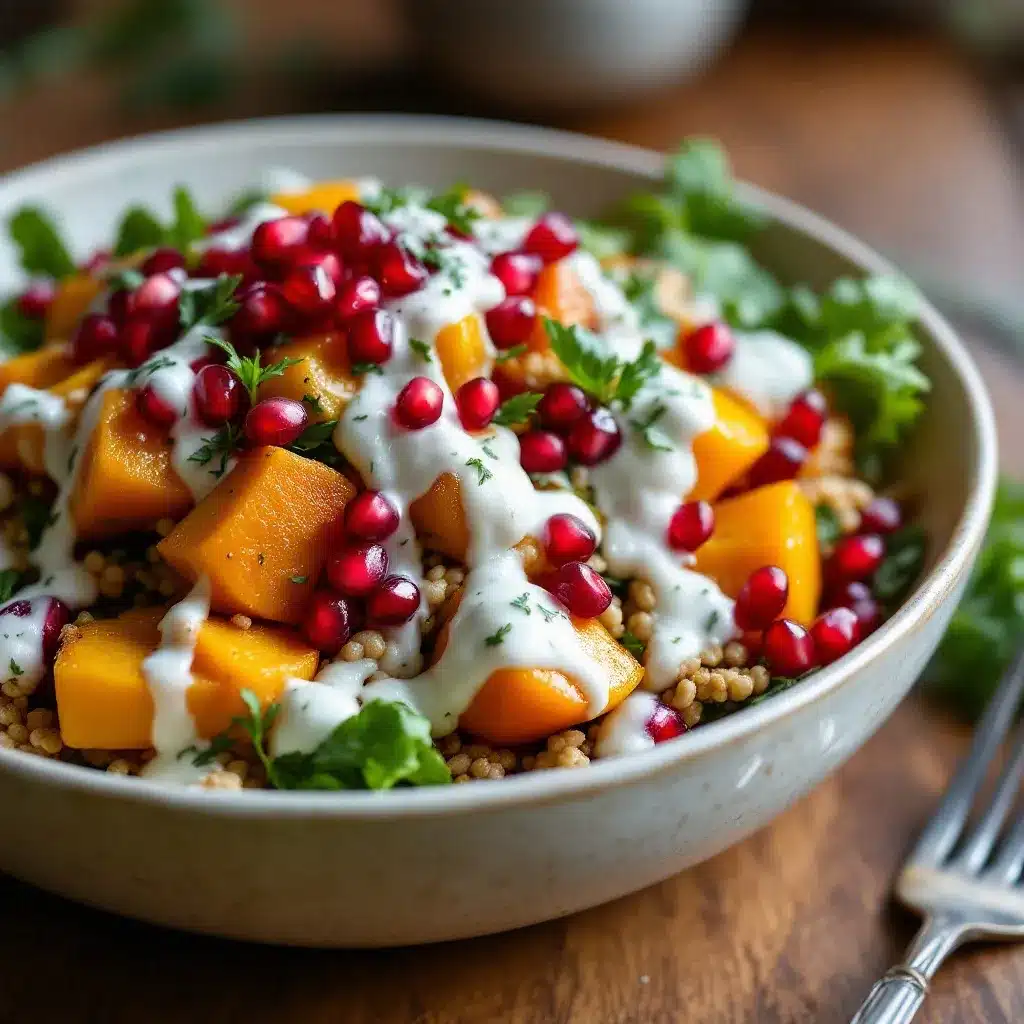
Start by preheating your oven to 400°F (200°C). This high heat is crucial for getting those crispy edges on the squash. While the oven heats up, prepare the squash. Peel the butternut squash using a sturdy vegetable peeler or a sharp knife. Cut it in half lengthwise and scoop out the seeds with a spoon. Then, cube the flesh into 1-inch pieces. Try to keep them uniform so they cook evenly. Place the cubes on your baking sheet.
Drizzle the squash with two tablespoons of olive oil and sprinkle with a pinch of salt and pepper. Toss everything with your hands until the squash is evenly coated. Spread the cubes in a single layer on the baking sheet. Do not overcrowd the pan, or the squash will steam instead of roast. If you need to, use two sheets. Roast for 20-25 minutes, flipping halfway through, until the squash is tender and caramelized at the edges.
While the squash roasts, make the dressing. In a small bowl, whisk together the remaining tablespoon of olive oil, apple cider vinegar, honey, Dijon mustard, and minced garlic. Whisk vigorously until the mixture is emulsified and slightly thickened. Taste and adjust seasoning if needed. You want it to be tangy but not too sour.
Once the squash is done, remove it from the oven and let it cool for a few minutes. This step is important because you don’t want to wilt the greens with hot squash. Meanwhile, prepare the greens by washing and drying them thoroughly. Wet greens will dilute the dressing. In a large bowl, combine the mixed greens, toasted walnuts, and crumbled feta.
When the squash is cool enough to handle, add it to the bowl with the greens. Pour the dressing over everything and toss gently to coat. Finally, sprinkle the pomegranate seeds over the top. Serve immediately while the squash is still warm. The contrast of temperatures and textures is what makes this dish special.
Cooking Tips & Techniques
One common mistake people make is cutting the squash too large. If the cubes are bigger than 1 inch, they might be raw in the middle while the outside burns. Smaller cubes cook faster and crisp up better. Also, don’t skip the step of drying your greens. Water is the enemy of a good salad dressing. If the greens are wet, the dressing will slide right off. I usually use a salad spinner, but paper towels work too.
Another tip is to toast your nuts. Raw walnuts are fine, but toasted ones add a layer of complexity that elevates the whole dish. Just watch them closely, as nuts can go from golden to burnt in seconds. For the squash, make sure your baking sheet isn’t too crowded. Overcrowding leads to steaming, which results in soft, soggy squash instead of crispy, caramelized chunks. If you’re in a hurry, you can roast the squash at 425°F (220°C), but keep a close eye on it to prevent burning.
Variations & Adaptations
This salad is versatile enough to adapt to various dietary needs and preferences. For a gluten-free version, simply ensure your mustard and vinegar are certified gluten-free, which most are. For a vegan option, skip the feta and use a vegan alternative, or omit it entirely. The salad still works well without the cheese, though you’ll miss the saltiness. You can add quinoa or farro to make it more filling and heartier, turning it into a grain bowl.
If you’re not a fan of pomegranate, try dried cranberries or chopped apples. These add sweetness and chewiness that complement the squash well. For a spicier kick, add a pinch of cayenne pepper or red pepper flakes to the dressing. I once tried adding some crumbled bacon to this salad, and while it wasn’t traditional, it added a smoky crunch that was surprisingly delicious. It’s a great option for those who want a bit of meat in their salad.
Serving & Storage Suggestions
This salad is best served immediately after assembly to maintain the texture contrast. The warm squash against the cool greens is the ideal experience. If you need to prepare it ahead, roast the squash and make the dressing in advance. Store them separately in airtight containers in the refrigerator for up to three days. When ready to serve, warm the squash slightly in the microwave or oven, then toss with fresh greens and dressing just before eating. The pomegranate seeds should always be added last to prevent them from staining everything or losing their crunch.
For storage, any leftovers can be kept in an airtight container in the fridge for up to two days. The flavors actually meld together nicely overnight, making it a great option for packed lunches. To reheat, you can microwave the squash portion separately for 30-60 seconds. Avoid reheating the greens, as they will become wilted and unappetizing. This salad pairs well with crusty bread or a simple protein like grilled chicken or chickpeas.
Nutritional Information & Benefits
This salad is not only delicious but also packed with nutrients. Butternut squash is rich in vitamin A, fiber, and potassium, supporting eye health and digestion. Pomegranates are loaded with antioxidants, which help combat inflammation. Walnuts provide healthy omega-3 fatty acids, beneficial for brain health. Feta adds calcium and protein. Overall, this dish is a balanced mix of carbs, fats, and proteins, making it a satisfying and nutritious meal option. It’s naturally gluten-free and can easily be made vegan.
Conclusion
I hope this Crispy Roasted Squash & Pomegranate Harvest Salad becomes a staple in your fall cooking routine. It’s simple, beautiful, and deeply satisfying. I encourage you to experiment with the add-ins and dressings to make it your own. Whether you add some spicy sausage or swap the nuts for seeds, the base recipe is a great canvas for creativity. I love this recipe because it captures the essence of the season in a single bowl. It reminds me of those crisp autumn mornings and the joy of cooking with fresh, seasonal ingredients. Please try it out and let me know how it turns out for you. I’d love to hear your variations and tips in the comments below. Happy cooking!
FAQs
Can I use other types of squash?
Yes, you can use acorn squash, delicata squash, or pumpkin. Just adjust the cooking time as different squashes have varying densities and sweetness levels.
How do I remove pomegranate seeds easily?
Score the pomegranate into quarters, then submerge it in a bowl of water and gently separate the segments. The seeds will sink to the bottom, and the pith will float. This method also prevents juice from splattering.
Can I make the dressing ahead of time?
Absolutely. The dressing can be stored in a jar in the refrigerator for up to a week. Just shake well before using to re-emulsify the ingredients.
Is this salad suitable for meal prep?
Yes, it’s great for meal prep. Just store the roasted squash, greens, nuts, and cheese separately, and combine them with the dressing right before eating to maintain freshness and texture.
What can I use instead of feta cheese?
Goat cheese, blue cheese, or shaved parmesan are excellent alternatives. For a dairy-free option, try nutritional yeast or a vegan cheese crumble.
Pin This Recipe!
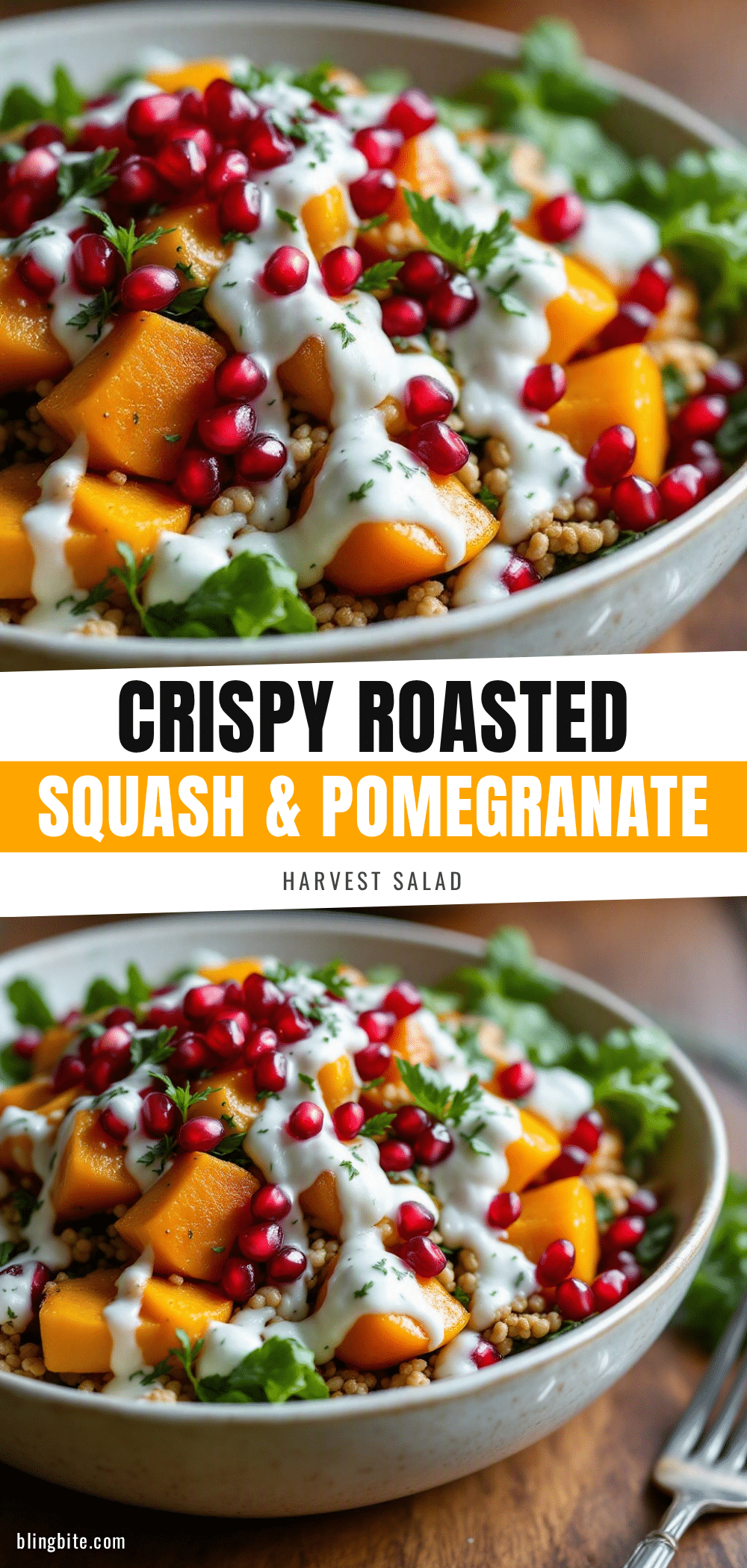
Crispy Roasted Squash & Pomegranate Harvest Salad

A quick and easy 30-minute fall salad featuring caramelized roasted butternut squash, tart pomegranate seeds, toasted walnuts, and a tangy apple cider vinaigrette.
- Prep Time: 10 minutes
- Cook Time: 25 minutes
- Total Time: 35 minutes
- Yield: 4 servings 1x
- Category: Salad
- Cuisine: American
Ingredients
- 1 medium butternut squash, peeled and cubed into 1-inch pieces
- 1 cup fresh pomegranate seeds (arils)
- 2 cups mixed greens (baby kale or spinach)
- 1/2 cup walnuts, chopped and toasted
- 1/2 cup crumbled feta cheese
- 3 tablespoons extra virgin olive oil, divided
- 2 tablespoons apple cider vinegar
- 1 tablespoon honey
- 1 teaspoon Dijon mustard
- 1 clove garlic, minced
- Salt and pepper to taste
Instructions
- Preheat oven to 400°F (200°C).
- Place cubed squash on a rimmed baking sheet. Drizzle with 2 tablespoons olive oil and sprinkle with salt and pepper. Toss to coat evenly.
- Spread squash in a single layer, ensuring not to overcrowd the pan. Roast for 20-25 minutes, flipping halfway through, until tender and caramelized.
- While squash roasts, toast walnuts in a dry pan for a few minutes until fragrant.
- In a small bowl, whisk together remaining 1 tablespoon olive oil, apple cider vinegar, honey, Dijon mustard, and minced garlic until emulsified.
- Remove squash from oven and let cool for a few minutes.
- In a large bowl, combine mixed greens, toasted walnuts, and crumbled feta.
- Add cooled squash to the bowl, pour dressing over everything, and toss gently to coat.
- Sprinkle pomegranate seeds over the top and serve immediately.
Notes
Ensure greens are thoroughly dried before adding to prevent diluted dressing. Do not overcrowd the baking sheet when roasting squash to ensure crispiness rather than steaming. For meal prep, store components separately and combine just before eating.
Nutrition
- Serving Size: 1 bowl
- Calories: 320
- Sugar: 12
- Sodium: 350
- Fat: 22
- Saturated Fat: 5
- Carbohydrates: 28
- Fiber: 6
- Protein: 8
Keywords: fall recipe, butternut squash salad, pomegranate salad, healthy dinner, vegetarian, gluten-free, quick meals, harvest salad