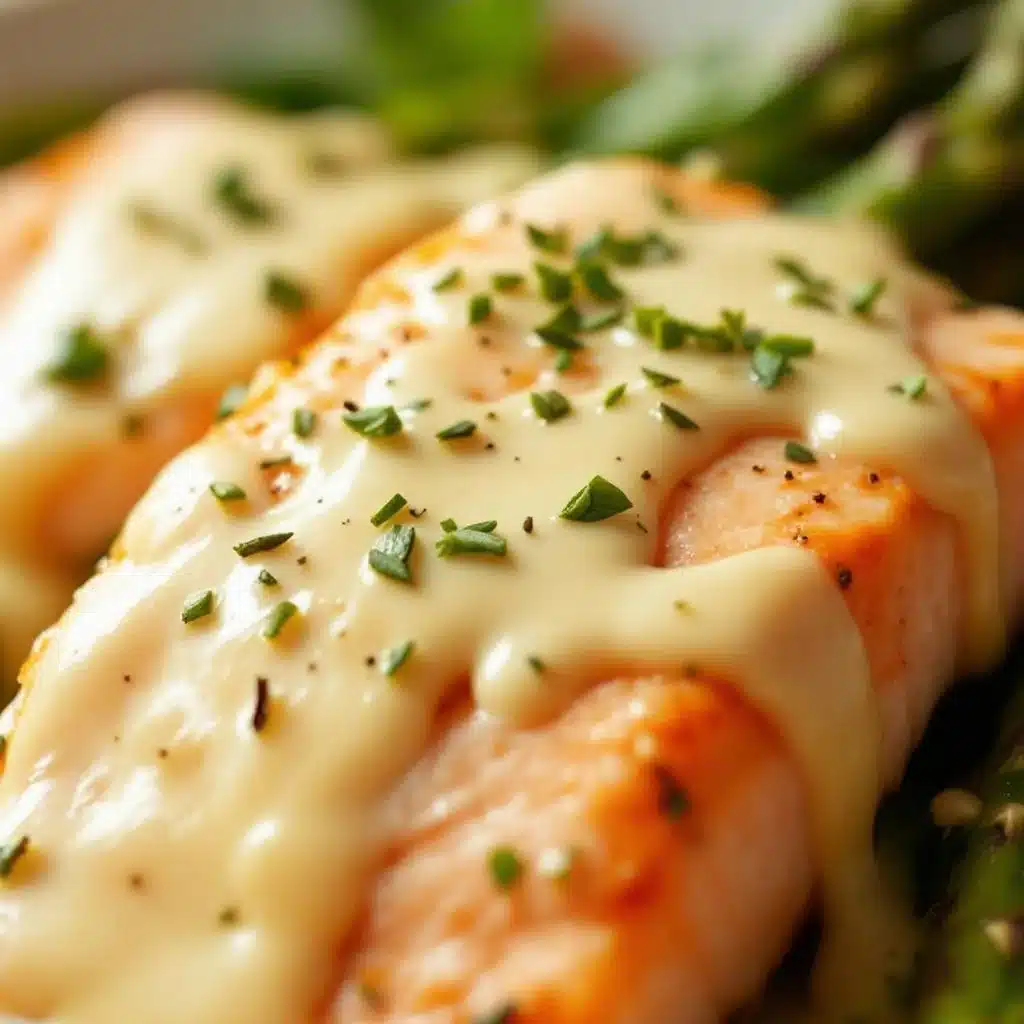
The plate was clean. Not just cleared, but scraped clean with a piece of crusty bread to soak up the last of the sauce. My husband didn’t even look up from his phone when he slid the empty dish back toward the center of the table. He just typed a quick message and handed the screen to me. It was from his coworker, asking if I had the recipe for that salmon thing again. Third time that week.
I honestly didn’t expect it to go this fast. I usually keep the good recipes close to the chest, you know? Like a secret weapon for when I really need to impress someone or just survive a Tuesday without ordering takeout. But this easy honey garlic salmon with asparagus has become the household standard for “good dinner.” It’s funny how something so simple becomes the thing everyone fights over.
The whole thing started because I was tired. Tired of marinating for hours, tired of preheating two ovens, tired of the cleanup. I just wanted flavor that hit hard without the effort. So I threw together some honey, garlic, soy sauce, and whatever asparagus looked fresh at the store. I expected a decent meal. I didn’t expect a viral moment in my own kitchen.
Now, whenever I make it, I’m waiting for the other shoe to drop. Waiting for someone to ask for the recipe. And they always do. It’s a quiet kind of pride, really. Knowing that your lazy Tuesday hack is someone else’s favorite dinner. I still don’t know why it works so well, but I’m not complaining about the compliments.
Why You’ll Love This Honey Garlic Salmon Recipe
Let’s be real for a second. Cooking fish can be intimidating. You worry about it drying out, overcooking, or smelling like the entire house smells like fish. This recipe takes all of that anxiety away. It’s not just good; it’s the kind of meal that makes you close your eyes after the first bite because you’re just savoring the texture. It’s comfort food reimagined—healthier, faster, but with the same soul-soothing satisfaction.
Here is why this specific version of honey garlic salmon with asparagus keeps people coming back:
- Quick & Easy: This comes together in under 15 minutes. I’m talking active time. From fridge to plate, it’s a breeze. Perfect for busy weeknights when you’re starving and have zero patience for a long cooking process.
- Simple Ingredients: No fancy grocery trips needed. You likely already have honey, garlic, soy sauce, and butter in your kitchen. The asparagus is cheap and easy to find. It’s pantry-friendly cooking at its finest.
- Perfect for Weeknights: Great for those nights when you want to feel like you ate a restaurant-quality meal but didn’t spend an hour scrubbing pans. It’s elegant enough for a date night but casual enough for a solo dinner.
- Crowd-Pleaser: Always gets rave reviews from kids and adults alike. The sweet and savory sauce masks any “fishy” taste that picky eaters might complain about, making it a safe bet for family dinners.
- Unbelievably Delicious: The texture and flavor combo is next-level. The salmon stays moist and flaky, while the asparagus gets slightly charred and crisp-tender. The sauce binds it all together with a glossy, sticky finish.
What makes this recipe different from the rest? It’s the balance. A lot of honey garlic recipes are cloyingly sweet or too salty. This one finds that perfect middle ground. The acidity from a little lemon juice cuts through the sugar, and the garlic provides a sharp kick. It’s not just another version—it’s your best version. It’s the kind of dish that makes you feel like a pro chef, even if you’re just standing at the stove in your pajamas.
What Ingredients You Will Need
This recipe uses simple, wholesome ingredients to deliver bold flavor and satisfying texture without the fuss. The beauty of this honey garlic salmon with asparagus lies in how these few components interact. The salmon needs a fat source to stay moist, and the sauce needs enough sugar to caramelize without burning. Here is what you need to make it happen.
For the Salmon:
- Firm White Fish or Salmon Fillets: I recommend using wild-caught salmon fillets for the best flavor and texture. Look for fillets that are about 6 ounces each and roughly the same thickness so they cook evenly. If you can’t find salmon, thick-cut mahi-mahi or cod works too, though salmon holds up better to the sauce.
- Unsalted Butter: You’ll need about two tablespoons. I personally prefer European-style butter because of the higher fat content, which gives a richer flavor, but regular unsalted butter works fine. It adds richness and helps brown the fish.
- Olive Oil: Just a tablespoon to help prevent the butter from burning at high heat.
- Salt and Black Pepper: Season generously. Kosher salt is my go-to because it’s easier to control.
For the Honey Garlic Sauce:
- Honey: Use a good quality wildflower honey. It adds a floral note that pairs beautifully with fish. Avoid processed corn syrup blends; they lack depth. The honey provides the sweetness and helps create that sticky glaze.
- Soy Sauce: Low-sodium soy sauce is best so you can control the saltiness. Regular soy sauce works, but you might want to reduce the added salt. It provides the umami backbone of the dish.
- Fresh Garlic: This is non-negotiable. I recommend using at least four cloves of fresh garlic, minced finely. Pre-minced garlic in a jar just doesn’t have the same punch. It needs to be fragrant and sharp.
- Lemon Juice: Freshly squeezed lemon juice is key. About one tablespoon. It brightens the heavy sweetness of the honey and cuts through the richness of the fish.
- Red Pepper Flakes: Just a pinch. It adds a subtle heat that balances the sweet and savory notes. You don’t want it spicy, just a little background warmth.
For the Asparagus:
- Fresh Asparagus Spears: Look for spears that are firm and have tight tips. Medium thickness is ideal. If they are too thin, they’ll overcook before the salmon is done. If they are too thick, they’ll be woody. Snap off the tough ends before cooking.
Substitutions: If you are gluten-sensitive, swap the soy sauce for tamari or coconut aminos. For a dairy-free version, swap the butter for avocado oil or olive oil. The sauce will still be delicious, just slightly less rich.
Equipment Needed
You don’t need a fancy kitchen to make this work. A large skillet is your best friend here. I use a 12-inch cast-iron skillet because it holds heat evenly and gives the salmon a nice sear. If you don’t have cast iron, a non-stick ceramic pan works well too, especially if you’re worried about sticking. The key is that it needs to be large enough to hold the salmon fillets in a single layer without overlapping.
You’ll also need a small bowl for mixing the sauce. A whisk or a fork is fine. I usually just stir it with a spoon. A tongs are helpful for flipping the fish and moving the asparagus around. If you don’t have tongs, a spatula works, but tongs give you more control.
I’ve tried using a baking sheet in the oven before, but I found the sauce burns easier and the asparagus doesn’t get that nice char. Stovetop is better for this specific recipe. If you must use the oven, keep an eye on it. A large spatula or fish turner is useful for gently flipping the fillets without breaking them. Keep it simple. You really just need one pan, one bowl, and basic utensils.
Preparation Method
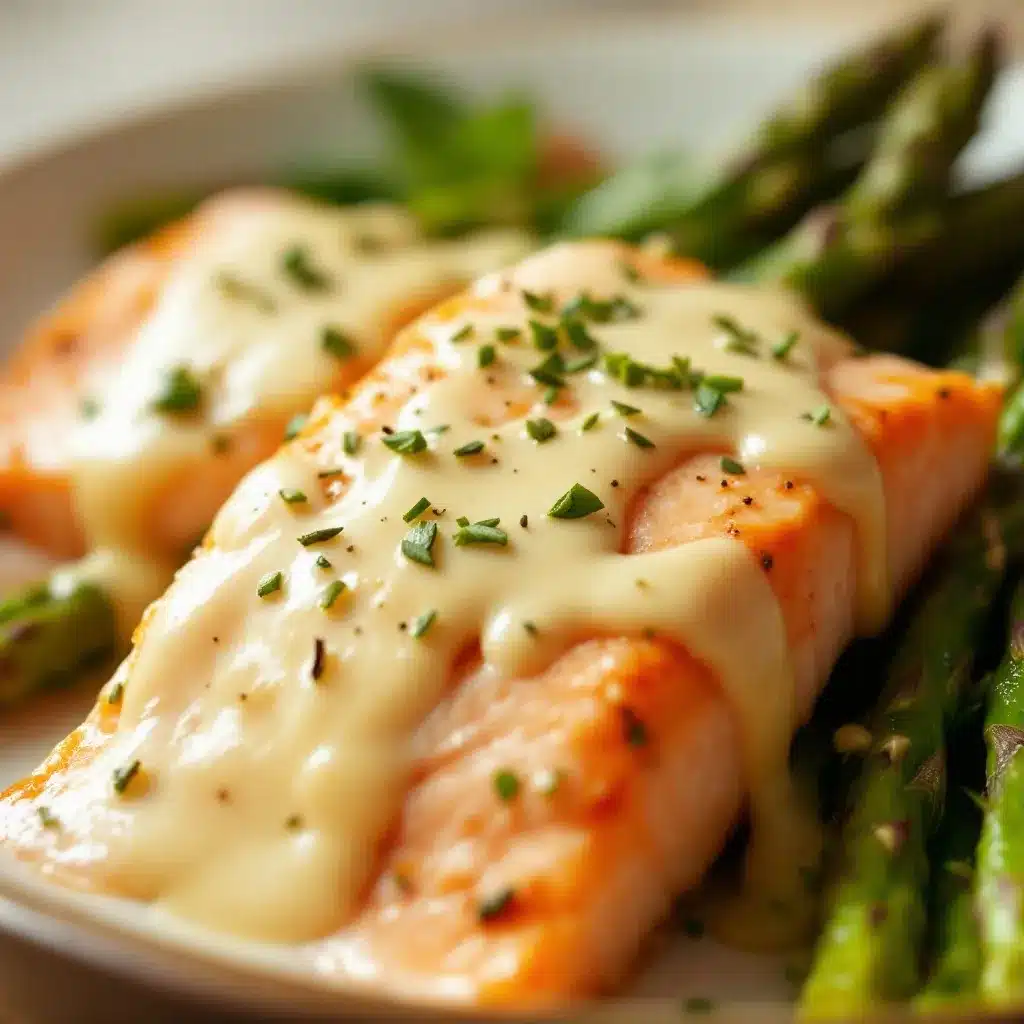
Let’s get into the nitty-gritty. This part is straightforward, but there are a few tricks to keep the salmon moist and the sauce glossy. Follow these steps carefully.
- Prep the Asparagus: Start by washing the asparagus spears. Hold one spear at the bottom and bend it; it will naturally snap where the tough woody part ends. Discard the tough ends. If the spears are very thick, you can peel the bottom layer with a vegetable peeler for a more tender bite. Pat them dry with a paper towel. Moisture is the enemy of browning.
- Season the Salmon: Pat the salmon fillets dry with paper towels. This is crucial. If the fish is wet, it will steam instead of sear. Season both sides generously with salt and black pepper. Let them sit at room temperature for about 5-10 minutes while you heat the pan. This helps them cook more evenly.
- Make the Sauce: In a small bowl, whisk together the honey, soy sauce, minced garlic, lemon juice, and red pepper flakes. Mix until the honey is fully dissolved. Taste it. It should be sweet, savory, and a little tangy. Adjust if needed. Set this aside.
- Heat the Pan: Place your large skillet over medium-high heat. Add the olive oil and butter. Wait until the butter foams and then starts to clear up a bit. This means it’s hot but not burnt. Swirl the pan to coat the bottom.
- Sear the Salmon: Gently place the salmon fillets in the pan, skin-side down if your salmon has skin. Do not crowd the pan. If you have a small pan, cook in batches. Let it sear for about 3-4 minutes without touching it. You want a nice golden crust. The smell of searing fish will fill the kitchen.
- Flip and Sauce: Once the bottom is golden, flip the fillets. Immediately pour the honey garlic sauce over the top of the fish. Tilt the pan slightly and spoon the sauce over the fish repeatedly. Let it bubble and thicken for about 2-3 minutes. The sauce will coat the fish in a glossy glaze.
- Cook the Asparagus: Push the salmon to the side of the pan (or remove it to a plate if your pan is small). Add the asparagus to the empty space. Toss them in the remaining sauce and butter. Cook for 3-5 minutes, turning occasionally, until the asparagus is tender-crisp and slightly charred.
- Finish and Serve: Once the salmon is cooked through (it should flake easily with a fork) and the asparagus is done, remove everything from the pan. Plate the salmon and asparagus together. Spoon any remaining sauce from the pan over the top. Garnish with fresh parsley or lemon wedges if you have them.
Watch the sauce closely. Honey burns fast. If it looks like it’s getting too dark, reduce the heat to medium. You want it sticky, not black.
Cooking Tips & Techniques
I’ve made this recipe so many times that I’ve learned a few things the hard way. Here is how to avoid common mistakes and get the best results.
Don’t Overcrowd the Pan: This is the most common error. If you put too many fillets in the pan, the temperature drops, and the fish steams in its own juices. You lose that nice sear. Cook in batches if you have a small skillet. It’s worth the extra five minutes.
Control the Heat: Medium-high is the sweet spot. If the heat is too high, the garlic in the sauce will burn before the fish is cooked. Burnt garlic tastes bitter and ruins the whole dish. If you see the garlic turning brown too quickly, lower the heat immediately.
Check for Doneness: Salmon cooks quickly. A general rule is 4-6 minutes per inch of thickness. You can check doneness by inserting a fork into the thickest part and twisting gently. If it flakes easily and is opaque throughout, it’s done. If it’s still translucent in the middle, give it another minute. Overcooked salmon is dry and sad.
Use Fresh Garlic: I cannot stress this enough. Jarred garlic has a different flavor profile and often contains preservatives that can taste metallic. Fresh minced garlic adds a bright, pungent kick that balances the sweet honey. Take the extra 30 seconds to mince it yourself.
Pat Dry the Fish: Wet fish = steamed fish. Always pat the salmon dry with paper towels before seasoning. This ensures a good sear and helps the sauce stick to the fish rather than running off.
Variations & Adaptations
While the classic honey garlic flavor is perfect, there are plenty of ways to tweak this recipe to suit your taste or dietary needs.
Spicy Kick: If you like heat, add more red pepper flakes or a dash of sriracha to the sauce. You can also add a diced jalapeño when you add the garlic for a fresh chili flavor.
Ginger Twist: Add one teaspoon of fresh grated ginger to the sauce. Ginger pairs beautifully with honey and garlic, adding an earthy warmth that complements the salmon. This is a great variation if you want an Asian-inspired flavor profile.
Teriyaki Style: Swap half of the honey for brown sugar and add a teaspoon of rice vinegar. This gives it a more traditional teriyaki taste. Serve it over steamed rice with sesame seeds.
Gluten-Free: Simply swap regular soy sauce for tamari or coconut aminos. Everything else in the recipe is naturally gluten-free, so this is an easy swap for those with sensitivities.
Dairy-Free: Skip the butter and use extra olive oil or avocado oil. The sauce will still be flavorful, though slightly less rich. You can add a teaspoon of tahini to the sauce for creaminess if you miss the butter.
Vegetarian Option: Swap the salmon for thick slices of firm tofu or portobello mushroom caps. Press the tofu first to remove moisture, then follow the same cooking steps. The sauce works wonderfully on tofu.
Serving & Storage Suggestions
This dish is best served immediately while the salmon is hot and flaky. I like to serve it with steamed jasmine rice or quinoa to soak up the extra sauce. A simple green salad with a vinaigrette also works well to cut through the richness. For a complete meal, add some roasted sweet potatoes or crusty bread.
Storage: Leftovers can be stored in an airtight container in the refrigerator for up to 3 days. The salmon will keep well, but the texture may change slightly as it absorbs the sauce.
Reheating: Reheat gently in a skillet over low heat with a splash of water or broth to keep it moist. Avoid the microwave if possible, as it can make the fish rubbery. If you must use the microwave, do it in short intervals and cover the dish.
Freezing: It’s not recommended to freeze cooked salmon as the texture suffers. However, you can freeze the uncooked salmon fillets and the sauce separately for up to 3 months. Thaw in the fridge overnight before cooking.
Nutritional Information & Benefits
This honey garlic salmon with asparagus is not only delicious but also packed with nutrients. Salmon is an excellent source of omega-3 fatty acids, which are great for heart and brain health. It’s also high in protein, which helps keep you full and satisfied. Asparagus is low in calories but high in fiber, vitamins K and A, and folate. It’s a natural diuretic and great for digestion.
The honey provides a quick source of energy, while the garlic adds immune-boosting properties. Overall, this meal is balanced and wholesome. For those watching their sugar intake, note that the honey adds some carbs, but the fiber from the asparagus helps balance the blood sugar response. It’s a guilt-free indulgence.
Conclusion
This easy honey garlic salmon with asparagus is a winner for all the right reasons. It’s quick, healthy, and tastes like something you’d get at a nice restaurant. I hope you try it and see why my husband’s coworkers are asking for the recipe. Feel free to tweak the spices or add your favorite sides to make it your own.
If you make this, let me know how it turns out! Leave a comment below with your thoughts or share a photo. I love seeing how you adapt these recipes. Don’t forget to pin this for later so you don’t lose it. Happy cooking!
Frequently Asked Questions
Can I use frozen salmon for this recipe?
Yes, but you must thaw it completely first. Pat it very dry before cooking to ensure a good sear. Fresh salmon is preferred for the best texture, but frozen works in a pinch.
How do I know when the salmon is done?
The salmon is done when it flakes easily with a fork and is opaque throughout. The internal temperature should reach 145°F (63°C), but many chefs prefer pulling it at 125°F (52°C) for medium-rare.
Can I make this in the oven?
Yes, you can bake the salmon at 400°F (200°C) for 12-15 minutes. Pour the sauce over the fish halfway through. Roast the asparagus on a separate sheet pan for the last 10 minutes.
What side dishes go well with this?
Steamed rice, quinoa, roasted potatoes, or a simple green salad are great options. You can also serve it with crusty bread to soak up the sauce.
Is this recipe gluten-free?
Not as written, because of the soy sauce. However, you can easily swap regular soy sauce for tamari or coconut aminos to make it gluten-free.
Can I add vegetables other than asparagus?
Absolutely. Broccoli, green beans, or snap peas work well. Just adjust the cooking time based on the vegetable’s thickness.
Why is my sauce too thin?
Let it simmer longer. The honey needs time to reduce and thicken. If it’s still too thin, mix a teaspoon of cornstarch with water and stir it in.
Can I marinate the salmon beforehand?
Yes, you can marinate the salmon in the sauce for up to 30 minutes before cooking. Don’t marinate longer than that, as the acid in the lemon juice can start to “cook” the fish.
What kind of honey is best?
Wildflower or clover honey works well. Avoid honey with added sugars or syrups. Pure honey gives the best flavor.
How spicy is this recipe?
It’s mildly spicy with just a pinch of red pepper flakes. You can add more if you like heat, or omit it entirely for a kid-friendly meal.
Can I use tilapia instead of salmon?
Yes, tilapia or cod can be used. They are leaner fish, so they cook faster. Watch them closely to prevent drying out.
Is this recipe good for meal prep?
Yes, it stores well in the fridge for up to 3 days. It’s a great option for quick lunches during the week.
What if I don’t have lemon juice?
You can use apple cider vinegar or white wine vinegar as a substitute. It won’t be exactly the same, but it will add the necessary acidity.
Can I double this recipe?
Yes, but you may need to cook in batches to avoid overcrowding the pan. This ensures the fish sears properly instead of steaming.
How do I prevent the garlic from burning?
Add the garlic to the sauce just before pouring it over the fish, or add it to the pan after the fish has seared. High heat burns garlic quickly.
Can I use maple syrup instead of honey?
Yes, maple syrup works well, though the flavor will be different. It will be less sweet and more earthy.
What is the best way to store leftovers?
Store in an airtight container in the refrigerator for up to 3 days. Reheat gently in a skillet.
Can I freeze the sauce?
Yes, the sauce freezes well. Store it in an airtight container for up to 3 months. Thaw in the fridge before using.
Is this recipe low-carb?
It’s moderate in carbs due to the honey. You can reduce the honey amount or use a sugar-free sweetener to make it lower carb.
How long does it take to cook?
It takes about 10-15 minutes total, including prep time. It’s a quick weeknight dinner.
Can I use fresh ginger instead of dried?
Yes, fresh ginger is better. Use about one teaspoon of grated fresh ginger.
What if my asparagus is too thick?
Peel the bottom half of the stalks with a vegetable peeler to remove the tough fibers. This makes them more tender.
Can I add sesame seeds?
Yes, toasted sesame seeds are a great garnish. They add crunch and nuttiness.
How do I make the sauce stick to the fish?
Spoon the sauce over the fish repeatedly while it cooks. This helps it adhere and create a glaze.
Can I use coconut aminos?
Yes, coconut aminos is a great soy sauce substitute for gluten-free or low-sodium diets.
What is the best pan to use?
A cast-iron skillet is ideal for searing. A non-stick pan works well for easy cleanup.
Can I add vegetables to the same pan?
Yes, cook the asparagus in the same pan after removing the salmon to save on dishes.
How do I know if the salmon is fresh?
Fresh salmon should smell like the ocean, not fishy. The flesh should be firm and bright in color.
Can I use pre-minced garlic?
It’s not recommended. Fresh garlic has a better flavor and texture.
What if I don’t have red pepper flakes?
You can use black pepper or omit it entirely. The dish will still be delicious.
Can I make this in an air fryer?
Yes, cook the salmon at 400°F for 8-10 minutes. Cook the asparagus separately for 5-7 minutes.
How do I get a crispy skin on the salmon?
Pat the skin dry and place it skin-side down in a hot pan. Don’t move it until it releases easily.
Can I add lime juice?
Yes, lime juice works well as a substitute for lemon juice.
What if my sauce is too salty?
Add a little more honey or lemon juice to balance the saltiness.
Can I use wild salmon?
Yes, wild salmon is preferred for its flavor and texture.
How do I serve this for a dinner party?
Plate it elegantly with a lemon wedge and fresh herbs. Serve with a nice wine.
Can I make this ahead of time?
Prep the ingredients ahead, but cook just before serving for the best results.
What wine pairs well with this?
A crisp white wine like Sauvignon Blanc or Pinot Grigio pairs well with the honey garlic flavor.
Can I use butter substitutes?
Yes, use olive oil or avocado oil for a dairy-free version.
How do I prevent the salmon from sticking?
Make sure the pan is hot and oiled before adding the fish. Don’t move it too soon.
Can I add cilantro?
Yes, fresh cilantro is a great garnish for this dish.
What if I don’t have a skillet?
You can use a baking sheet in the oven, but the texture will be different.
How do I store the asparagus?
Store asparagus upright in a jar of water in the fridge to keep it fresh.
Can I use frozen asparagus?
It’s not recommended. Fresh asparagus has a better texture and flavor.
How do I make the sauce thicker?
Let it simmer longer or add a cornstarch slurry.
Can I add ginger to the sauce?
Yes, fresh grated ginger adds a nice warmth.
What if I don’t have honey?
Use maple syrup or agave nectar as a substitute.
Can I use tilapia?
Yes, tilapia is a good white fish alternative.
How do I know when the asparagus is done?
It should be tender-crisp and slightly charred.
Can I add garlic powder?
Fresh garlic is better, but garlic powder can be used in a pinch.
What if my sauce is too sweet?
Add more lemon juice or soy sauce to balance the sweetness.
Can I use coconut milk?
Coconut milk can be added for a creamy curry-like sauce.
How do I reheat leftovers?
Reheat gently in a skillet with a splash of water.
Can I freeze the salmon?
Yes, freeze uncooked salmon for up to 3 months.
What if I don’t have soy sauce?
Use tamari or coconut aminos.
Can I add chili flakes?
Yes, chili flakes add a nice kick.
How do I make this spicy?
Add more red pepper flakes or sriracha.
Can I use pre-cut asparagus?
Yes, pre-cut asparagus works fine.
What if I don’t have lemon?
Use lime or vinegar as a substitute.
Can I use butter alternatives?
Yes, use olive oil or avocado oil.
How do I prevent burning?
Watch the heat closely and reduce if needed.
Can I add sesame oil?
Yes, a teaspoon of sesame oil adds great flavor.
What if I don’t have a skillet?
Use a baking sheet in the oven.
How do I serve this?
Serve with rice, quinoa, or salad.
Can I make this gluten-free?
Yes, use tamari or coconut aminos.
How long does it take?
About 15 minutes total.
Can I add ginger?
Yes, fresh ginger is a great addition.
What if I don’t have honey?
Use maple syrup or agave.
Can I use cod?
Yes, cod works well in this recipe.
How do I know when it’s done?
When it flakes easily with a fork.
Can I add cilantro?
Yes, fresh cilantro is a nice garnish.
What if my sauce is too thin?
Let it simmer longer.
Can I use frozen fish?
Yes, thaw completely first.
How do I store leftovers?
In an airtight container in the fridge.
Can I add chili paste?
Yes, chili paste adds heat and flavor.
What if I don’t have garlic?
Use garlic powder or omit.
Can I use coconut milk?
Yes, for a creamy sauce.
How do I reheat?
Gently in a skillet.
Can I freeze the sauce?
Yes, for up to 3 months.
What if I don’t have soy sauce?
Use tamari.
Can I add lime?
Yes, lime juice works well.
How do I prevent sticking?
Hot pan and oil.
Can I use tilapia?
Yes, tilapia is a good option.
What if I don’t have lemon?
Use vinegar.
Can I add ginger?
Yes, fresh ginger is great.
How do I make it spicy?
Add red pepper flakes.
Can I use butter alternatives?
Yes, use oil.
What if my sauce is too salty?
Add honey or lemon.
Can I add sesame oil?
Yes, for flavor.
How do I serve?
With rice or salad.
Can I make it gluten-free?
Yes, use tamari.
How long does it take?
15 minutes.
Can I add cilantro?
Yes, as a garnish.
What if I don’t have honey?
Use maple syrup.
Can I use cod?
Yes, cod works.
How do I know when done?
When it flakes.
Can I add chili paste?
Yes, for heat.
What if I don’t have garlic?
Use powder.
Can I use coconut milk?
Yes, for creaminess.
How do I reheat?
In a skillet.
Can I freeze the sauce?
Yes.
What if I don’t have soy sauce?
Use tamari.
Can I add lime?
Yes.
How do I prevent sticking?
Hot pan.
Can I use tilapia?
Yes.
What if I don’t have lemon?
Use vinegar.
Can I add ginger?
Yes.
How do I make it spicy?
Add flakes.
Can I use butter alternatives?
Yes.
What if my sauce is too salty?
Add honey.
Can I add sesame oil?
Yes.
How do I serve?
With rice.
Can I make it gluten-free?
Yes.
How long does it take?
15 mins.
Can I add cilantro?
Yes.
What if I don’t have honey?
Use syrup.
Can I use cod?
Yes.
How do I know when done?
Flakes.
Can I add chili paste?
Yes.
What if I don’t have garlic?
Use powder.
Can I use coconut milk?
Yes.
How do I reheat?
Skillet.
Can I freeze the sauce?
Yes.
What if I don’t have soy sauce?
Use tamari.
Can I add lime?
Yes.
How do I prevent sticking?
Hot pan.
Can I use tilapia?
Yes.
What if I don’t have lemon?
Use vinegar.
Can I add ginger?
Yes.
Pin This Recipe!
Easy Honey Garlic Salmon with Asparagus
A quick and delicious 15-minute weeknight dinner featuring seared salmon fillets coated in a sticky, sweet, and savory honey garlic sauce, served with charred asparagus spears.
- Prep Time: 5 minutes
- Cook Time: 10 minutes
- Total Time: 15 minutes
- Yield: 4 servings 1x
- Category: Main Course
- Cuisine: Asian Fusion
Ingredients
- 4 salmon fillets (approx. 6 ounces each)
- 2 tablespoons unsalted butter
- 1 tablespoon olive oil
- Salt and black pepper to taste
- 1/4 cup honey
- 2 tablespoons low-sodium soy sauce
- 4 cloves fresh garlic, minced
- 1 tablespoon fresh lemon juice
- Pinch of red pepper flakes
- 1 bunch fresh asparagus, tough ends snapped off
Instructions
- Pat the salmon fillets dry with paper towels and season both sides generously with salt and black pepper. Let sit at room temperature for 5-10 minutes.
- In a small bowl, whisk together the honey, soy sauce, minced garlic, lemon juice, and red pepper flakes until the honey is dissolved.
- Wash the asparagus and snap off the tough woody ends. Pat dry.
- Heat a large skillet (preferably cast-iron) over medium-high heat. Add the olive oil and butter, swirling to coat the pan once the butter foams.
- Place salmon fillets in the pan, skin-side down if applicable. Sear for 3-4 minutes without moving until a golden crust forms.
- Flip the salmon fillets. Immediately pour the honey garlic sauce over the fish. Tilt the pan and spoon the sauce over the fish repeatedly for 2-3 minutes until it thickens into a glaze.
- Push the salmon to the side of the pan (or remove to a plate). Add the asparagus to the empty space, tossing in the remaining sauce and butter.
- Cook the asparagus for 3-5 minutes, turning occasionally, until tender-crisp and slightly charred.
- Remove from heat. Plate the salmon and asparagus together, spooning any remaining sauce from the pan over the top. Garnish with fresh parsley or lemon wedges if desired.
Notes
Do not overcrowd the pan to ensure proper searing. Watch the sauce closely as honey burns easily; reduce heat if it darkens too quickly. For a gluten-free version, substitute soy sauce with tamari or coconut aminos. For dairy-free, substitute butter with olive or avocado oil.
Nutrition
- Serving Size: 1 salmon fillet and
- Calories: 350
- Sugar: 19
- Sodium: 650
- Fat: 18
- Saturated Fat: 6
- Carbohydrates: 22
- Fiber: 3
- Protein: 28
Keywords: honey garlic salmon, asparagus recipe, quick dinner, weeknight meals, healthy seafood, 15 minute recipes, gluten-free options