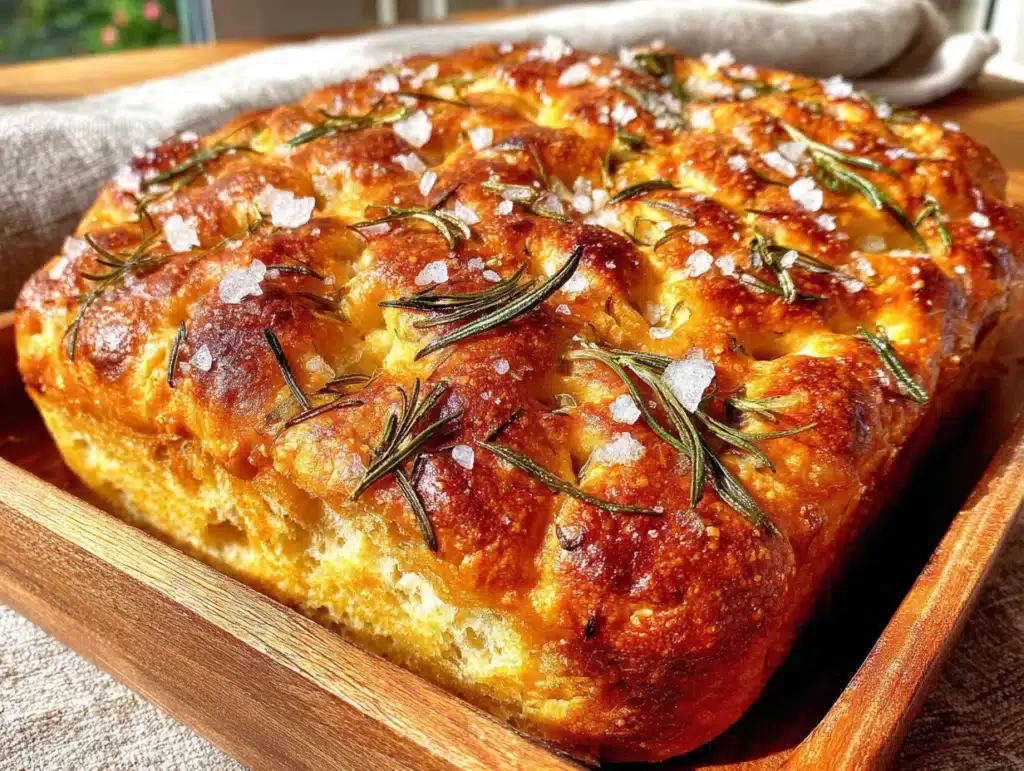
I swore I hated sourdough. For years, actually. All that fussy feeding schedules, the finicky starter, the endless posts about hydration percentages and stretch-and-folds. It felt like a science experiment I never signed up for, and honestly, the bread I tried always came out dense or sour in a way that just wasn’t for me. Then my neighbor showed up at my door last Tuesday with a piece of focaccia wrapped in a tea towel. “I made too much,” she said, but she was smiling in a way that told me she knew exactly what she was doing. I took a bite standing there in the doorway, and let me tell you, I almost dropped it. The top was golden and crackly, studded with rosemary that smelled like a garden, and underneath all that olive oil goodness was the softest, most pillowy bread I’d ever had. And it had that tang—but it was gentle, like a whisper instead of a shout. “There’s no way this is sourdough,” I said. She just laughed. So here I am, a reluctant convert, about to show you how to make quick sourdough focaccia that actually works on a weeknight. Maybe you’ve been there, rolling your eyes at the sourdough hype. I get it. But this version? It changed my mind.
Why You’ll Love This Recipe
Let’s be real for a second. Most sourdough recipes ask you to plan your life around them. Feed the starter, wait 8 hours, do a fold, wait another 4 hours, shape, proof, bake. Who has time for that on a Wednesday after work? Not me. And probably not you either.
This quick sourdough focaccia is different. It’s designed for real people with real schedules. Here’s what makes it stand out:
- Quick & Easy: From mixing to eating in about an hour. No overnight waits, no complicated schedules. Just mix, rise, dimple, and bake.
- Simple Ingredients: You need flour, water, olive oil, salt, rosemary, and an active sourdough starter. That’s it. No yeast packets, no special flours, no trips to three different stores.
- Perfect for Weeknights: This is the kind of bread you can throw together while you’re making dinner. It rises while you chop vegetables, and it bakes while the pasta boils. Dinner bread, sorted.
- Crowd-Pleaser: I’ve brought this to potlucks, served it at casual dinners, and even gifted it to neighbors. Every single time, people ask for the recipe. Kids love the crispy edges, adults love the herby olive oil flavor.
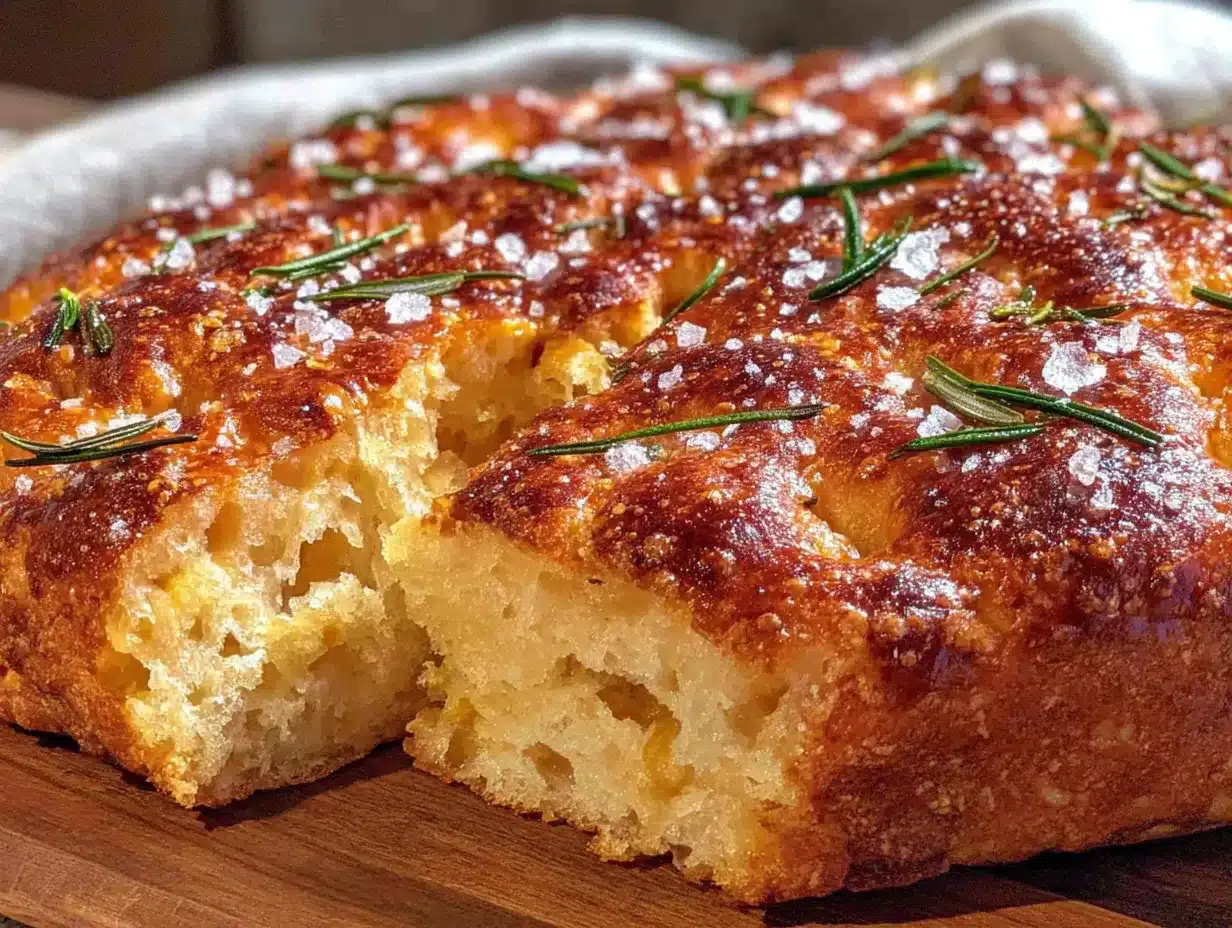
- Unbelievably Delicious: The texture is what gets you. The top is crackly and golden, the inside is soft and airy with those beautiful irregular holes, and the sourdough tang is just enough to make it interesting without being overwhelming. Close-your-eyes-after-the-first-bite good.
I’ve tested this recipe more times than I can count. I’ve made it with a weak starter, a bubbly starter, even one that I thought might be dead. It works. That’s the beauty of focaccia—it’s forgiving. And this version is the most forgiving sourdough recipe I know.
What Ingredients You Will Need
This recipe uses simple, everyday ingredients to create something that tastes far greater than the sum of its parts. Most of these are probably in your kitchen right now, which is exactly the point.
- All-purpose flour (3 cups / 375g): Nothing fancy here. I use King Arthur Flour because I like the protein content, but any brand works. Bread flour will give you a slightly chewier texture, but AP flour keeps it light and tender.
- Active sourdough starter (1 cup / 240g, fed and bubbly): This is your leavening agent. It needs to be active—meaning it’s been fed within the last 4-8 hours and is full of bubbles. A lazy starter will give you a flat focaccia. If your starter is sluggish, feed it and wait until it doubles before using.
- Warm water (1 cup / 240ml): Not hot, not cold. Think bathwater temperature, around 90-95°F. Too hot and you’ll kill the good bacteria in your starter. Too cold and the rise will take forever.
- Olive oil (1/4 cup / 60ml, plus more for the pan): Use a good quality extra virgin olive oil here. This is not the time for the cheap stuff. The oil is a major flavor component, and it’s what gives focaccia that signature crispy bottom and rich taste. I use California Olive Ranch for everyday baking.
- Salt (1 1/2 teaspoons / 9g): Fine sea salt for the dough, flaky salt for the top. The flaky salt is non-negotiable in my opinion—it adds those little bursts of saltiness that make every bite interesting. Maldon is my go-to.
- Fresh rosemary (2 tablespoons, finely chopped): Dried rosemary won’t give you the same effect. Fresh rosemary has a piney, almost floral quality that softens as it bakes. If you only have dried, use half the amount and crush it between your fingers to release the oils.
- Optional toppings: Flaky sea salt, extra rosemary sprigs, black pepper, or even a sprinkle of parmesan right before baking. I sometimes add thinly sliced garlic or cherry tomatoes for a more substantial bread.
Substitution notes: If you don’t have a sourdough starter, you can use 1 teaspoon of active dry yeast mixed with the warm water and a pinch of sugar. Let it sit for 5 minutes until foamy, then proceed with the recipe. It won’t have the same tang, but it’ll still be delicious. For a gluten-free version, use a 1:1 gluten-free flour blend and expect a denser texture.
Equipment Needed
You don’t need much for this recipe. That’s part of the charm. Here’s what you’ll need:
- Large mixing bowl: Any bowl works, but I prefer a wide ceramic bowl. It makes mixing easier and cleanup faster.
- 9×13-inch baking pan or 10-inch cast iron skillet: A metal or glass baking dish works fine. Cast iron gives you an especially crispy bottom because it holds heat so well. If you use a smaller pan, your focaccia will be thicker and need a few extra minutes of baking.
- Wooden spoon or dough scraper: The dough is wet and sticky. A wooden spoon or a flexible dough scraper makes mixing much less frustrating than using your hands at first.
- Plastic wrap or a clean kitchen towel: For covering the dough while it rises. A damp towel works better than plastic wrap if you want to avoid waste.
- Measuring cups and spoons: Accuracy matters in baking, even for a forgiving recipe like this. A kitchen scale is ideal for the flour, but I’ve included cup measurements too.
- Oven mitts: The pan gets hot, and you’ll be handling it multiple times. Don’t skip these.
I’ve made this in a cheap metal baking pan and in my grandmother’s cast iron skillet. Both work. The cast iron gives a slightly better crust, but honestly, if you only have a glass baking dish, go for it. Focaccia is forgiving.
Preparation Method
Let’s get to it. This whole process takes about an hour from start to finish. Here’s how it breaks down:
- Preheat your oven to 425°F (220°C). Do this first. The oven needs to be screaming hot when the focaccia goes in. Place a rack in the middle position.
- Mix the dough. In a large bowl, combine 1 cup of warm water, 1 cup of active sourdough starter, and 1 1/2 teaspoons of salt. Stir until the salt dissolves. Add 3 cups of flour and 2 tablespoons of olive oil. Mix with a wooden spoon until a shaggy, sticky dough forms. It will look rough and lumpy—that’s fine. Don’t overmix.
- Let the dough rest for 5 minutes. This gives the flour time to hydrate. You’ll notice the dough becomes slightly smoother and less sticky after this short rest. I used to skip this step, and my dough was always harder to work with. Trust me on this one.
- Pour 2 tablespoons of olive oil into your 9×13-inch pan. Use your fingers to spread it all over the bottom and up the sides. The oil should pool slightly—that’s what creates the crispy golden bottom. Transfer the dough to the pan. Don’t worry if it looks uneven.
- Stretch and dimple the dough. Using oiled fingers (dip them in the oil in the pan), gently stretch the dough to fill the corners of the pan. Don’t fight it—if the dough resists, let it rest for 5 minutes and try again. Once it’s spread out, dimple the entire surface with your fingertips, pressing all the way down to the bottom of the pan. This is the most satisfying part. You should hear little pops as the air releases.
- Top with rosemary and flaky salt. Sprinkle the chopped rosemary evenly over the surface. Add a generous pinch of flaky salt—don’t be shy. Drizzle another tablespoon of olive oil over the top. The oil pools in the dimples and creates those crispy, almost fried edges.
- Let it rise for 30 minutes. Cover the pan with plastic wrap or a damp towel. Let it sit at room temperature for 30 minutes. The dough should puff up noticeably—it won’t double, but it should look airy and slightly jiggly. If your kitchen is cold, place it near the warm oven or in a slightly warmed (but turned off) oven.
- Bake for 20-25 minutes. Place the pan in the preheated oven. Bake until the top is deep golden brown and the edges are crispy. Rotate the pan halfway through if your oven has hot spots. The focaccia should sound hollow when you tap the bottom.
- Cool for 5 minutes, then remove from the pan. Run a spatula around the edges to loosen it, then slide it onto a wire rack. If you leave it in the pan, the bottom will get soggy from the steam. Let it cool for at least 10 minutes before slicing—I know it’s hard to wait, but the texture improves as it cools.
Visual cues: The dough should look shaggy and sticky after mixing. After the 30-minute rise, it should look puffy with small bubbles visible on the surface. When baked, the top should be a deep golden brown with darker spots where the oil pooled. The rosemary should look slightly darker but not burnt.
Cooking Tips & Techniques
I’ve made this recipe dozens of times, and I’ve learned a few things the hard way. Here’s what I wish someone had told me:
Your starter doesn’t need to be perfect. I used to obsess over getting my starter to peak exactly right. With focaccia, you have more wiggle room. Even a slightly underfed starter will give you a decent rise. The texture might be a little denser, but it’ll still be delicious. Don’t let starter perfectionism stop you.
Don’t skimp on the oil. The first time I made focaccia, I used less oil because I was trying to be “healthy.” It was dry and sad. Olive oil is not just a cooking medium here—it’s a flavor and texture component. That generous pour in the pan and the drizzle on top are what create the signature crispy, almost fried exterior. Embrace the oil.
Wet hands are your friend. The dough is sticky. If you try to handle it with dry hands, you’ll end up with dough stuck to your fingers and frustration. Keep a small bowl of water nearby and dip your fingers before touching the dough. It makes stretching and dimpling so much easier.
Watch for hot spots. My oven runs hot on one side. The first few times I made this, one end of the focaccia was dark brown while the other was pale. Now I rotate the pan halfway through, and it bakes evenly. If your focaccia browns too quickly on top, tent it with foil for the last 5 minutes.
Let it cool properly. I know the smell is intoxicating. I know you want to tear into it immediately. But if you cut it while it’s hot, the steam escapes and the texture becomes gummy. Give it at least 10 minutes on a wire rack. The crust stays crispy, and the inside becomes perfectly airy.
One mistake I still make: Sometimes I forget to check the salt level. If your starter is particularly sour, you might need a bit more salt to balance it. Taste the dough—it should taste pleasantly salty before baking. Adjust as needed.
Variations & Adaptations
This recipe is a great base for experimentation. Here are a few variations I’ve tried and loved:
- Garlic and Herb Focaccia: Add 3-4 cloves of thinly sliced garlic to the top along with the rosemary. The garlic roasts and becomes sweet and mellow. I also add a sprinkle of dried thyme or oregano for extra depth.
- Tomato and Olive Focaccia: Press halved cherry tomatoes and pitted olives into the dough before the final rise. The tomatoes burst in the oven and create little pockets of jammy sweetness. This is my go-to summer version.
- Cheesy Focaccia: Sprinkle 1/2 cup of grated parmesan or pecorino over the top before baking. The cheese melts and creates a crispy, almost lacy crust. My kids devour this version in minutes.
- Everything Bagel Focaccia: Skip the rosemary and top with everything bagel seasoning (sesame seeds, poppy seeds, dried garlic, dried onion, salt). It’s fantastic alongside soup or as a breakfast bread with cream cheese.
- Gluten-Free Version: Use a 1:1 gluten-free flour blend and add 1 teaspoon of xanthan gum if your blend doesn’t already include it. The texture will be denser and less airy, but the flavor is still wonderful. Let the dough rise for an extra 15 minutes to help with structure.
I once made a version with caramelized onions and blue cheese crumbles for a dinner party. It was gone in 10 minutes. Don’t be afraid to experiment—focaccia is one of the most forgiving breads out there.
Serving & Storage Suggestions
This quick sourdough focaccia is best served warm, but it’s still fantastic at room temperature. Here’s how to make the most of it:
Serving: I like to serve it straight from the pan, cut into squares or long rectangles. It’s perfect alongside a bowl of soup or a big salad for a light dinner. For breakfast, toast a slice and top it with a fried egg and a drizzle of honey. For a snack, dip it in good olive oil and balsamic vinegar. Honestly, it’s good with just about anything.
Storage: Store leftover focaccia in an airtight container at room temperature for up to 2 days. Do not refrigerate—the fridge dries out bread and makes it stale. If you need to keep it longer, freeze it.
Freezing: Wrap individual slices tightly in plastic wrap, then place them in a freezer bag. They’ll keep for up to 3 months. To reheat, pop a frozen slice directly into a 350°F oven for 5-7 minutes, or toast it. The texture comes back beautifully.
Reheating: The best way to revive focaccia is in a hot oven or toaster oven. A 350°F oven for 5 minutes will crisp up the crust and warm the inside. The microwave will make it rubbery—avoid it if you can.
Flavor development: The rosemary flavor actually mellows and blends overnight. Some people prefer day-old focaccia because the flavors become more integrated. I like it both ways, honestly. Fresh from the oven has that unbeatable crispy top, but day-old is softer and more uniform.
Nutritional Information & Benefits
This recipe makes about 12 servings. Per serving (one square):
- Calories: 180
- Total Fat: 8g
- Saturated Fat: 1g
- Carbohydrates: 24g
- Fiber: 1g
- Protein: 4g
- Sodium: 290mg
Health benefits: Sourdough fermentation breaks down some of the gluten and phytic acid in flour, making the nutrients more bioavailable. This means your body can absorb more of the minerals naturally present in the flour. The olive oil provides healthy monounsaturated fats and antioxidants. Rosemary is rich in antioxidants and has anti-inflammatory properties.
Dietary considerations: This recipe is vegetarian, vegan (no dairy), and nut-free. For a gluten-free version, use a gluten-free flour blend as mentioned in the variations section. The sodium content is moderate—you can reduce the flaky salt on top if you’re watching your salt intake, but the flavor won’t be as pronounced.
I’m not a nutritionist, but I believe in eating real food in moderation. This focaccia is a treat, not a daily staple. It’s made with simple ingredients you can pronounce, and that counts for something.
Conclusion
So here I am, the person who swore they hated sourdough, writing an ode to quick sourdough focaccia. If that doesn’t tell you something about this recipe, I don’t know what will.
This bread is special because it respects your time. It doesn’t ask for a 24-hour commitment or a complicated schedule. It meets you where you are—tired, hungry, and maybe a little skeptical—and delivers something genuinely delicious in about an hour. The crispy, oily top. The soft, airy inside. The gentle tang of sourdough that makes every bite interesting. It’s comfort food that doesn’t require a whole weekend to make.
I’d love to hear how yours turns out. Did you add any fun toppings? Did you serve it with something amazing? Drop a comment below and let me know. And if you make this for someone who “doesn’t like sourdough,” send me a photo of their face after the first bite. Trust me, I want to see it.
Happy baking, friends. Go make some bread.
Frequently Asked Questions
Can I use a sourdough discard instead of active starter?
Yes, but the rise will be slower and less dramatic. Your focaccia will be denser and less airy. If using discard, let the dough rise for 45-60 minutes instead of 30, and expect a tighter crumb. The flavor will still be great.
Why is my focaccia dense and flat?
This usually happens for one of three reasons: your starter wasn’t active enough, your water was too hot and killed the bacteria, or you didn’t let it rise long enough. Make sure your starter is bubbly and doubles in size within 4-6 hours of feeding. Use warm water, not hot. And give the dough time to puff up before baking.
Can I make this without a sourdough starter?
Absolutely. Substitute 1 teaspoon of active dry yeast mixed with the warm water and a pinch of sugar. Let it sit for 5 minutes until foamy, then proceed with the recipe. The flavor won’t have the same tang, but the texture will be similar. You can add a tablespoon of vinegar or lemon juice to mimic the sourdough tang.
How do I get a crispier bottom crust?
Use a metal or cast iron pan instead of glass. Metal conducts heat better and creates a crisper crust. Also, make sure you’re using enough oil in the pan—it should pool slightly. Finally, bake on the lowest oven rack for the last 5 minutes to give the bottom direct heat.
Can I add toppings after baking?
You can, but they won’t stick as well. Fresh herbs and flaky salt are best added before baking so they fuse with the oil. If you want to add something delicate like fresh arugula or prosciutto, add it after baking as a garnish. Drizzle a little more olive oil on top to help it adhere.
Pin This Recipe!
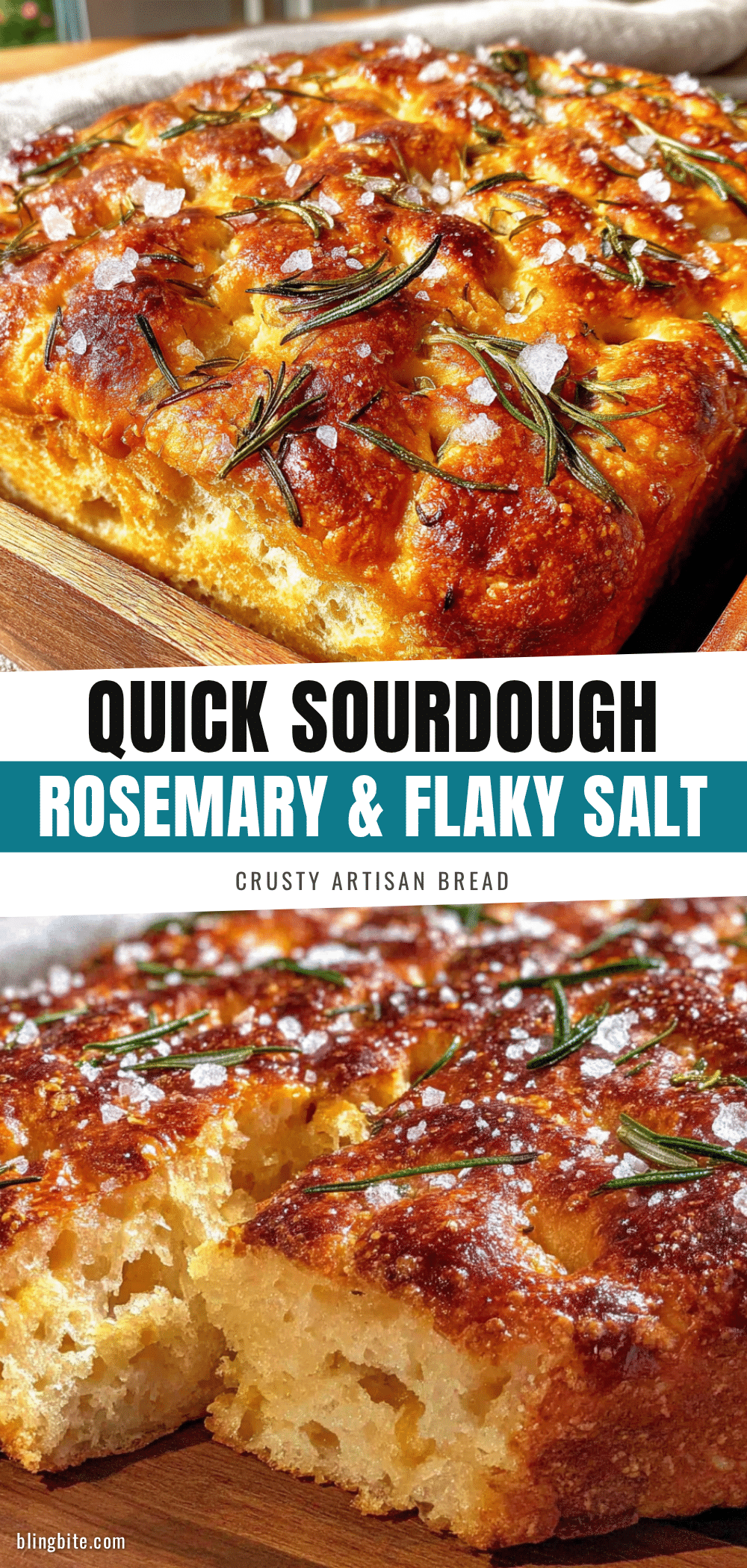
Quick Sourdough Focaccia with Rosemary and Flaky Salt – Easy 1-Hour Recipe
This quick sourdough focaccia is designed for real people with real schedules. From mixing to eating in about an hour, it features a golden, crackly top with rosemary and a soft, pillowy interior with a gentle sourdough tang.
- Prep Time: 15 minutes
- Cook Time: 25 minutes
- Total Time: 1 hour
- Yield: 12 servings 1x
- Category: Bread
- Cuisine: Italian
Ingredients
- 3 cups (375g) all-purpose flour
- 1 cup (240g) active sourdough starter, fed and bubbly
- 1 cup (240ml) warm water (90-95°F)
- 1/4 cup (60ml) extra virgin olive oil, plus more for the pan
- 1 1/2 teaspoons (9g) fine sea salt
- 2 tablespoons fresh rosemary, finely chopped
- Flaky sea salt (e.g., Maldon) for topping
Instructions
- Preheat your oven to 425°F (220°C). Place a rack in the middle position.
- In a large bowl, combine 1 cup warm water, 1 cup active sourdough starter, and 1 1/2 teaspoons salt. Stir until the salt dissolves.
- Add 3 cups flour and 2 tablespoons olive oil. Mix with a wooden spoon until a shaggy, sticky dough forms. Do not overmix.
- Let the dough rest for 5 minutes to hydrate.
- Pour 2 tablespoons olive oil into a 9×13-inch baking pan. Spread it all over the bottom and up the sides.
- Transfer the dough to the pan. Using oiled fingers, gently stretch the dough to fill the corners. If it resists, let it rest for 5 minutes and try again.
- Dimple the entire surface with your fingertips, pressing all the way to the bottom of the pan.
- Sprinkle chopped rosemary evenly over the surface. Add a generous pinch of flaky salt. Drizzle another tablespoon of olive oil over the top.
- Cover the pan with plastic wrap or a damp towel. Let it rise at room temperature for 30 minutes until puffy and slightly jiggly.
- Bake for 20-25 minutes until deep golden brown and edges are crispy. Rotate the pan halfway through if needed.
- Cool in the pan for 5 minutes, then run a spatula around the edges and slide onto a wire rack. Cool for at least 10 minutes before slicing.
Notes
Use an active, bubbly starter for best results. If your starter is sluggish, feed it and wait until it doubles before using. For a crispier bottom, use a metal or cast iron pan. Let the focaccia cool properly to avoid a gummy texture. Store leftovers in an airtight container at room temperature for up to 2 days, or freeze for up to 3 months.
Nutrition
- Serving Size: 1 square
- Calories: 180
- Sodium: 290
- Fat: 8
- Saturated Fat: 1
- Carbohydrates: 24
- Fiber: 1
- Protein: 4
Keywords: sourdough focaccia, quick focaccia, rosemary focaccia, easy sourdough bread, 1-hour bread, weeknight bread