
The summer I turned thirty, I wasn’t anywhere near a kitchen—I was actually helping a friend sort through boxes at an old bookstore downtown. Amid dusty shelves and stacks of forgotten novels, a tattered, handwritten recipe card fell out of a cracked leather-bound cookbook. It was a gingerbread house dough recipe, scribbled in faded ink, with notes on royal icing for “gluing” the walls together. Honestly, it felt like finding a secret from another era, tucked away in the last place you’d expect to find holiday cheer.
I wasn’t expecting to get swept up in holiday baking that day, but the simplicity and sturdiness promised by that recipe stuck with me. That gingerbread dough was unlike any I’d tried—robust enough to build a house that wouldn’t cave in after the first snowfall of powdered sugar. And the royal icing? It was pure magic, acting like edible glue that held every gingerbread panel tight without cracking or crumbling.
Maybe you’ve been there—looking for a gingerbread house recipe that actually works without collapsing into a sugary mess. Well, this one stayed with me all winter long. I made a mess trying to measure molasses in a shaky kitchen with a broken scale, but that little imperfection just made the whole experience feel more human. Let me tell you, this recipe is all about wholesome enjoyment—using fresh, sensible ingredients to create something festive, durable, and truly delicious. It’s the kind of recipe that turns an everyday meal into a celebration without sacrificing flavor or health.
So, if you’re ready for a gingerbread house dough recipe with royal icing glue that’s as sturdy as it is scrumptious, let’s get started. You’ll see why this old bookstore find quickly became my go-to for holiday decorating that tastes as good as it looks.
Why You’ll Love This Recipe
After testing countless gingerbread doughs and royal icing formulas, this recipe stands out as a clear winner for anyone wanting a sturdy, flavorful gingerbread house. Here’s what makes it special:
- Quick & Easy: You can have the dough ready in about 30 minutes, perfect for busy holiday prep or last-minute decorating urges.
- Simple Ingredients: No need to hunt for obscure spices or specialty flours—everything’s likely already in your pantry.
- Perfect for Holiday Decorating: Whether it’s a family activity or a solo creative project, this dough holds up beautifully while baking and assembling.
- Crowd-Pleaser: Kids and adults alike rave about the rich, spicy flavor and the satisfying texture of the finished gingerbread.
- Unbelievably Delicious: The molasses and warm spices create a cozy, nostalgic taste that feels like a hug in cookie form.
Unlike many gingerbread recipes that crack or crumble, this dough is designed for strength without sacrificing tenderness. The royal icing “glue” recipe is tested by both casual bakers and professionals for a smooth, reliable bond that dries hard but stays easy to pipe. Honestly, this isn’t just another gingerbread house recipe—it’s the one that makes you want to build and nibble all season long.
What Ingredients You Will Need
This recipe uses simple, wholesome ingredients to deliver bold flavor and a sturdy structure without fuss. Most are pantry staples, and I’ve included notes on substitutions and sourcing to keep things flexible.
- For the Gingerbread Dough:
- 3 cups (375g) all-purpose flour (I prefer King Arthur for consistent texture)
- 1 teaspoon baking soda
- 2 teaspoons ground ginger (freshly ground if possible for vibrant flavor)
- 1 teaspoon ground cinnamon
- ½ teaspoon ground cloves
- ¼ teaspoon ground nutmeg
- ½ teaspoon salt
- ¾ cup (170g) unsalted butter, softened (use grass-fed if you want a richer taste)
- ¾ cup (150g) packed dark brown sugar
- 1 large egg, room temperature
- ½ cup (120ml) unsulfured molasses (the heart of the flavor and color)
- 1 teaspoon vanilla extract
- For the Royal Icing Glue:
- 3 large egg whites or 4 tablespoons (60ml) pasteurized egg whites (for safety)
- 4 cups (480g) powdered sugar, sifted (I often use Domino or C&H for smoothness)
- 1 teaspoon lemon juice or cream of tartar (helps stabilize the icing)
- Optional: a few drops of vanilla extract for flavor
If you want to try a gluten-free version, swap the all-purpose flour for a blend like Bob’s Red Mill 1-to-1 gluten-free flour. For dairy-free, use coconut oil instead of butter and a dairy-free molasses if you find one. In summer, swapping molasses for honey changes the flavor but keeps the dough moist and sturdy.
Equipment Needed
- Large mixing bowl and medium bowl
- Electric mixer or stand mixer with paddle attachment (makes creaming butter and sugar much easier)
- Measuring cups and spoons (for precision)
- Rolling pin (preferably one with adjustable rings for consistent thickness)
- Ruler or straight edge to measure gingerbread panels
- Sharp knife or gingerbread house templates and cookie cutters
- Baking sheets lined with parchment paper or silicone mats
- Cooling racks
- Mixing bowl and hand mixer or whisk for royal icing
- Piping bags and small round tips (or zip-top bags with a corner snipped)
If you don’t have a stand mixer, a sturdy hand mixer will do just fine—just be ready for a bit more arm work. I recommend parchment paper over silicone mats for easier cleanup and crisper edges. For piping royal icing, plastic squeeze bottles can be a fun alternative for younger decorators. Keep your tools clean and dry when working with royal icing to avoid clumping.
Preparation Method
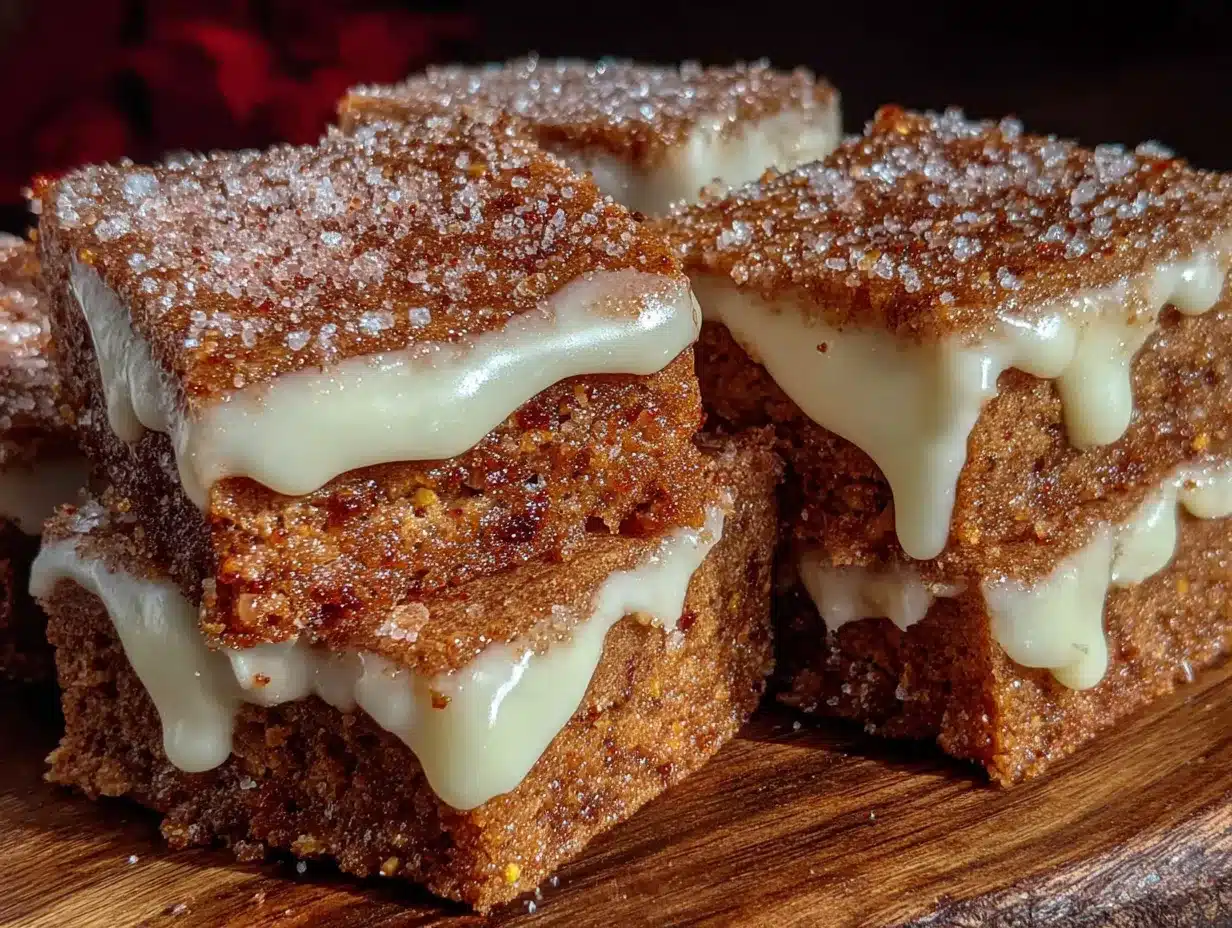
- Mix Dry Ingredients: In a medium bowl, whisk together 3 cups (375g) flour, 1 teaspoon baking soda, 2 teaspoons ground ginger, 1 teaspoon cinnamon, ½ teaspoon cloves, ¼ teaspoon nutmeg, and ½ teaspoon salt. Set aside. This blend of spices gives the dough its classic gingerbread warmth.
- Cream Butter and Sugar: In a large bowl, use an electric mixer to cream ¾ cup (170g) softened unsalted butter and ¾ cup (150g) packed dark brown sugar until light and fluffy, about 3-4 minutes. This step traps air and makes the dough tender but sturdy.
- Add Wet Ingredients: Beat in 1 large room-temperature egg, then stir in ½ cup (120ml) molasses and 1 teaspoon vanilla extract until fully combined. The molasses adds moisture and that deep amber color.
- Combine Wet and Dry: Gradually add the dry ingredients to the wet mixture, mixing on low speed until a stiff dough forms. It should be firm but pliable. If too sticky, add a tablespoon of flour at a time.
- Chill the Dough: Wrap the dough tightly in plastic wrap and refrigerate for at least 2 hours, or overnight if possible. Chilling prevents spreading during baking and makes rolling easier.
- Prepare for Rolling: On a lightly floured surface, roll out the dough to about ¼-inch (6mm) thickness. Use a ruler to measure and cut panels for your gingerbread house using templates or a sharp knife. Don’t forget doors, windows, and roof pieces!
- Bake: Place pieces on parchment-lined baking sheets. Bake in a preheated oven at 350°F (175°C) for 10-12 minutes. The edges should be firm but not darkened too much. Overbaking makes the dough brittle.
- Cool Completely: Transfer baked pieces to a cooling rack. Let them cool fully to harden before assembling. Patience here is key—if you try to build while warm, the pieces can warp or crumble.
- Make Royal Icing: Use a clean bowl and beat 3 large egg whites (or 4 tablespoons pasteurized whites) with 1 teaspoon lemon juice or cream of tartar until foamy. Gradually add 4 cups (480g) sifted powdered sugar and beat until stiff, glossy peaks form—about 7-10 minutes. Add vanilla extract if using.
- Assemble the House: Use piping bags to pipe thick royal icing along edges to “glue” walls and roof together. Hold pieces in place a moment to set, then allow the entire structure to dry for several hours or overnight. The icing dries rock hard, giving your house excellent durability.
Tip: If the royal icing feels too stiff to pipe, add a few drops of water at a time to soften. If too runny, beat in a little more powdered sugar. This recipe’s balance is forgiving but precise—practice makes perfect.
Cooking Tips & Techniques
Getting gingerbread house dough and royal icing just right is part science, part art. Here’s what I’ve learned from baking and building over the years:
- Don’t Skip Chilling: The dough needs to rest and cool. I’ve rushed this before, and the dough spread too much, making panels the wrong size—frustrating when you’re trying to fit pieces together.
- Roll Evenly: Use a rolling pin with thickness guides or check regularly with a ruler. Uneven dough leads to crooked walls or fragile edges.
- Bake with Care: Keep an eye on your oven temperature. Mine runs hot, so I lower it slightly to avoid burnt edges.
- Royal Icing Consistency: For “glue,” you want a firm but pipeable consistency. Too stiff and it’s hard to squeeze; too runny and your house won’t hold.
- Work Quickly: Royal icing can dry fast, so only mix what you need. Cover the bowl with a damp cloth between uses to keep it from crusting.
- Practice Piping: I recommend practicing on parchment before decorating. This helps you get comfortable with pressure and flow.
- Plan Assembly: Assemble walls first, let dry, then attach the roof. Holding pieces steady for a minute or two helps prevent slips.
Variations & Adaptations
This gingerbread dough and royal icing recipe is flexible and can be tailored to your tastes or dietary needs:
- Gluten-Free: Substitute all-purpose flour with a 1-to-1 gluten-free blend. You might want to add a teaspoon of xanthan gum for extra structure.
- Vegan: Use coconut oil instead of butter, flax egg (1 tablespoon ground flaxseed + 3 tablespoons water) instead of egg, and aquafaba (chickpea water) in place of egg whites for royal icing. The texture varies slightly but still sturdy.
- Spice Variations: Add cardamom or allspice for a unique twist. I once added a pinch of chili powder for a subtle kick that surprised everyone.
- Molasses Swap: Honey or maple syrup can substitute molasses if you want a lighter, less robust flavor.
- Alternative Decorating Icing: Try a cream cheese glaze for a tangy finish, but it won’t harden like royal icing.
Serving & Storage Suggestions
Once your gingerbread house is assembled and decorated, it’s ready to dazzle! Serve at room temperature to enjoy the full depth of spice and molasses flavor. Pair it with warm spiced cider or herbal tea for a cozy afternoon treat.
To store, keep the gingerbread house in a cool, dry place away from direct sunlight. If you need to store leftover dough, wrap it tightly and freeze for up to 3 months. Royal icing can be refrigerated in an airtight container for up to a week but may need to be re-whipped before use.
If you’re reheating gingerbread pieces for snacking, a quick 10-second zap in the microwave softens them without drying out. Over time, the flavors meld and deepen, so it’s perfectly fine to build your house a day ahead and let it sit for a richer taste experience.
Nutritional Information & Benefits
This gingerbread house dough recipe provides not just delicious flavor but also a touch of wholesome goodness. Key ingredients like molasses offer iron, calcium, and antioxidants, while the spices contribute anti-inflammatory properties.
Per serving (based on a modest piece), expect roughly 150 calories, 5 grams of fat, 25 grams of carbohydrates, and 2 grams of protein. It’s a treat that fits well within balanced holiday eating, especially since it uses natural sweeteners and whole spices.
This recipe is naturally free from artificial preservatives and can be easily adapted for gluten-free or vegan diets. Just watch for common allergens like eggs and dairy, which can be swapped if needed.
Conclusion
Crafting the perfect sturdy gingerbread house dough with royal icing glue is a rewarding adventure that brings festive joy without trading off flavor or durability. This recipe has been my holiday companion ever since an unexpected recipe card appeared in an old bookstore, and honestly, it never disappoints.
Feel free to personalize the spices, shapes, and decorating style to suit your holiday vibe. I love how this recipe turns a simple kitchen afternoon into a creative, indulgent tradition that’s both wholesome and fun.
If you try this recipe, I’d love to hear how your gingerbread house turns out—drop a comment below or share your decorating stories. Here’s to holiday baking that tastes as good as it looks, and to you making memories one sturdy gingerbread wall at a time!
FAQs
How long can I store the gingerbread house once assembled?
Keep it in a cool, dry spot, away from humidity and sunlight. It should last for several weeks, but the royal icing glue is key to keeping it intact.
Can I use powdered egg whites for the royal icing?
Yes! Powdered egg whites are a safe, convenient alternative. Just rehydrate according to package instructions before mixing.
What if my dough is too sticky to roll out?
Add small amounts of flour, a tablespoon at a time, until it’s manageable. Chilling the dough for a bit longer also helps.
Can I prepare the royal icing ahead of time?
Absolutely. Store it in an airtight container, and give it a quick whisk before using to restore its texture.
Is there a way to make the gingerbread house more colorful?
Yes! Use natural food colorings in the royal icing or add decorative candies and sprinkles for festive flair.
Pin This Recipe!
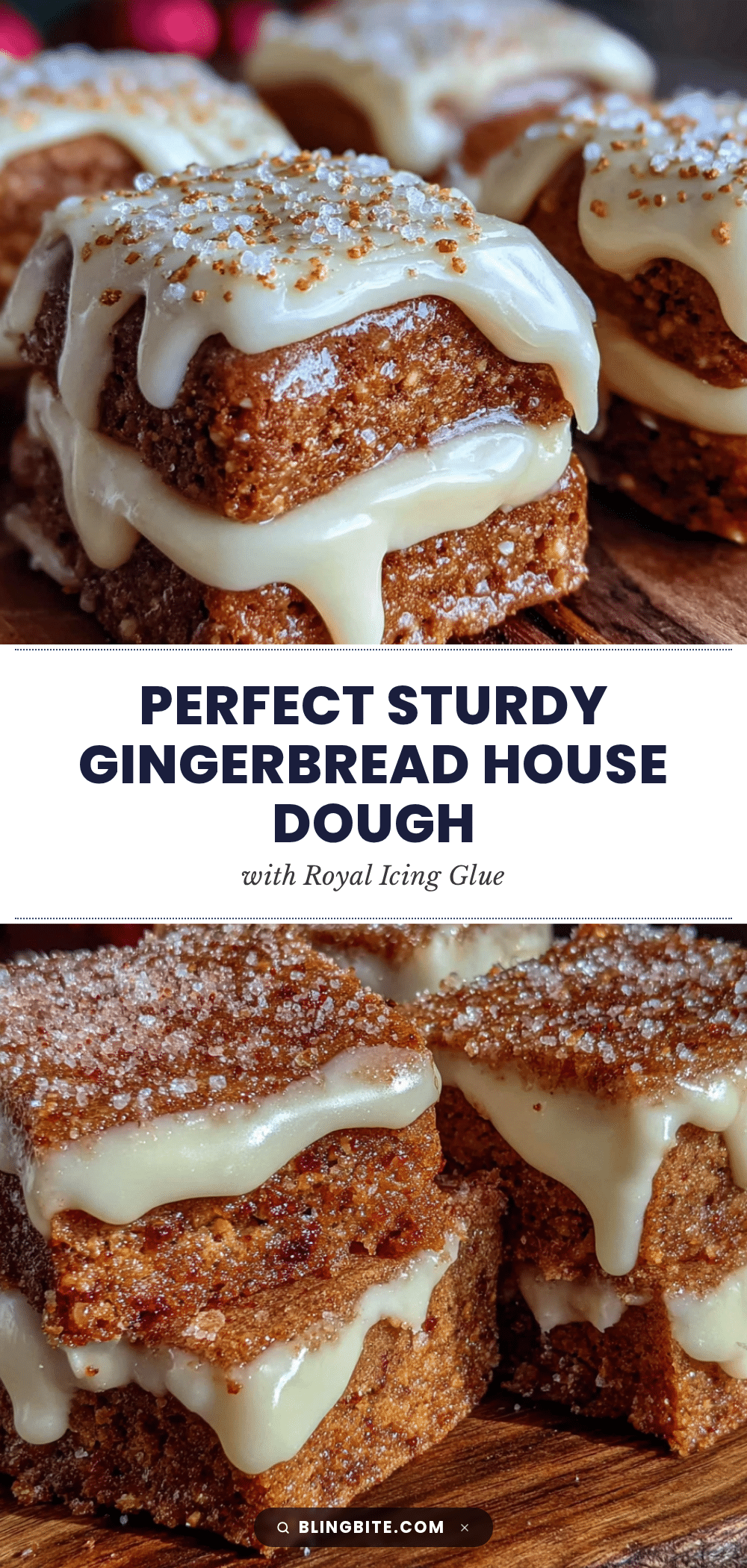
Perfect Sturdy Gingerbread House Dough with Royal Icing Glue Recipe for Easy Holiday Decorating

A sturdy and flavorful gingerbread house dough paired with royal icing glue that holds your holiday creations together without cracking or crumbling. Perfect for festive decorating and family fun.
- Prep Time: 30 minutes
- Cook Time: 10-12 minutes per batch
- Total Time: 2 hours 45 minutes (including chilling and baking)
- Yield: 1 gingerbread house (serves multiple as decoration/snack) 1x
- Category: Dessert
- Cuisine: American
Ingredients
- 3 cups (375g) all-purpose flour
- 1 teaspoon baking soda
- 2 teaspoons ground ginger
- 1 teaspoon ground cinnamon
- ½ teaspoon ground cloves
- ¼ teaspoon ground nutmeg
- ½ teaspoon salt
- ¾ cup (170g) unsalted butter, softened
- ¾ cup (150g) packed dark brown sugar
- 1 large egg, room temperature
- ½ cup (120ml) unsulfured molasses
- 1 teaspoon vanilla extract
- 3 large egg whites or 4 tablespoons (60ml) pasteurized egg whites
- 4 cups (480g) powdered sugar, sifted
- 1 teaspoon lemon juice or cream of tartar
- Optional: a few drops of vanilla extract for flavor
Instructions
- Mix dry ingredients: In a medium bowl, whisk together flour, baking soda, ground ginger, cinnamon, cloves, nutmeg, and salt. Set aside.
- Cream butter and sugar: In a large bowl, use an electric mixer to cream softened unsalted butter and packed dark brown sugar until light and fluffy, about 3-4 minutes.
- Add wet ingredients: Beat in the large room-temperature egg, then stir in molasses and vanilla extract until fully combined.
- Combine wet and dry: Gradually add the dry ingredients to the wet mixture, mixing on low speed until a stiff dough forms. If too sticky, add a tablespoon of flour at a time.
- Chill the dough: Wrap the dough tightly in plastic wrap and refrigerate for at least 2 hours or overnight.
- Prepare for rolling: On a lightly floured surface, roll out the dough to about ¼-inch thickness. Use a ruler and templates or a sharp knife to cut panels for the gingerbread house.
- Bake: Place pieces on parchment-lined baking sheets and bake in a preheated oven at 350°F (175°C) for 10-12 minutes until edges are firm but not darkened.
- Cool completely: Transfer baked pieces to a cooling rack and let cool fully to harden before assembling.
- Make royal icing: Beat egg whites with lemon juice or cream of tartar until foamy. Gradually add sifted powdered sugar and beat until stiff, glossy peaks form (7-10 minutes). Add vanilla extract if using.
- Assemble the house: Use piping bags to pipe thick royal icing along edges to glue walls and roof together. Hold pieces in place briefly, then allow the structure to dry for several hours or overnight.
Notes
Chill dough for at least 2 hours to prevent spreading. Roll dough evenly to ¼-inch thickness for sturdy panels. Bake carefully to avoid brittleness. Adjust royal icing consistency by adding water or powdered sugar as needed. Assemble walls first, let dry, then attach roof. Practice piping on parchment paper before decorating. Store assembled house in a cool, dry place away from sunlight. Dough can be frozen up to 3 months; royal icing refrigerated up to 1 week and re-whipped before use.
Nutrition
- Serving Size: One modest piece of
- Calories: 150
- Fat: 5
- Carbohydrates: 25
- Protein: 2
Keywords: gingerbread house, gingerbread dough, royal icing, holiday baking, sturdy gingerbread, holiday decorating, molasses, gingerbread recipe, Christmas cookie