Introduction
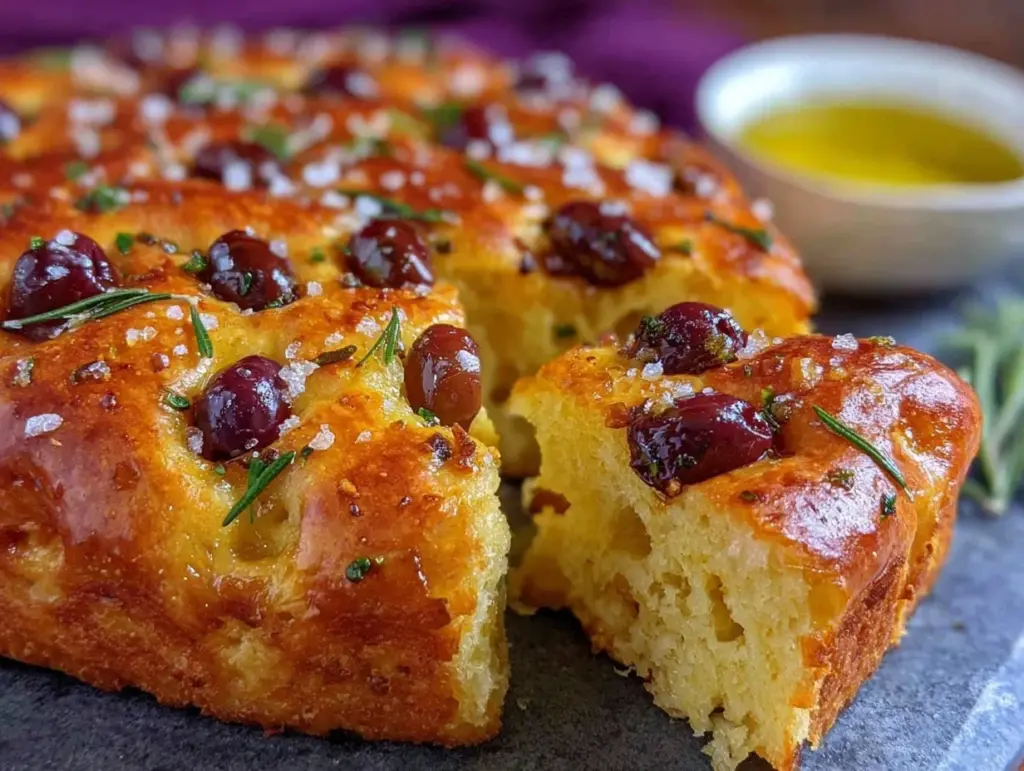
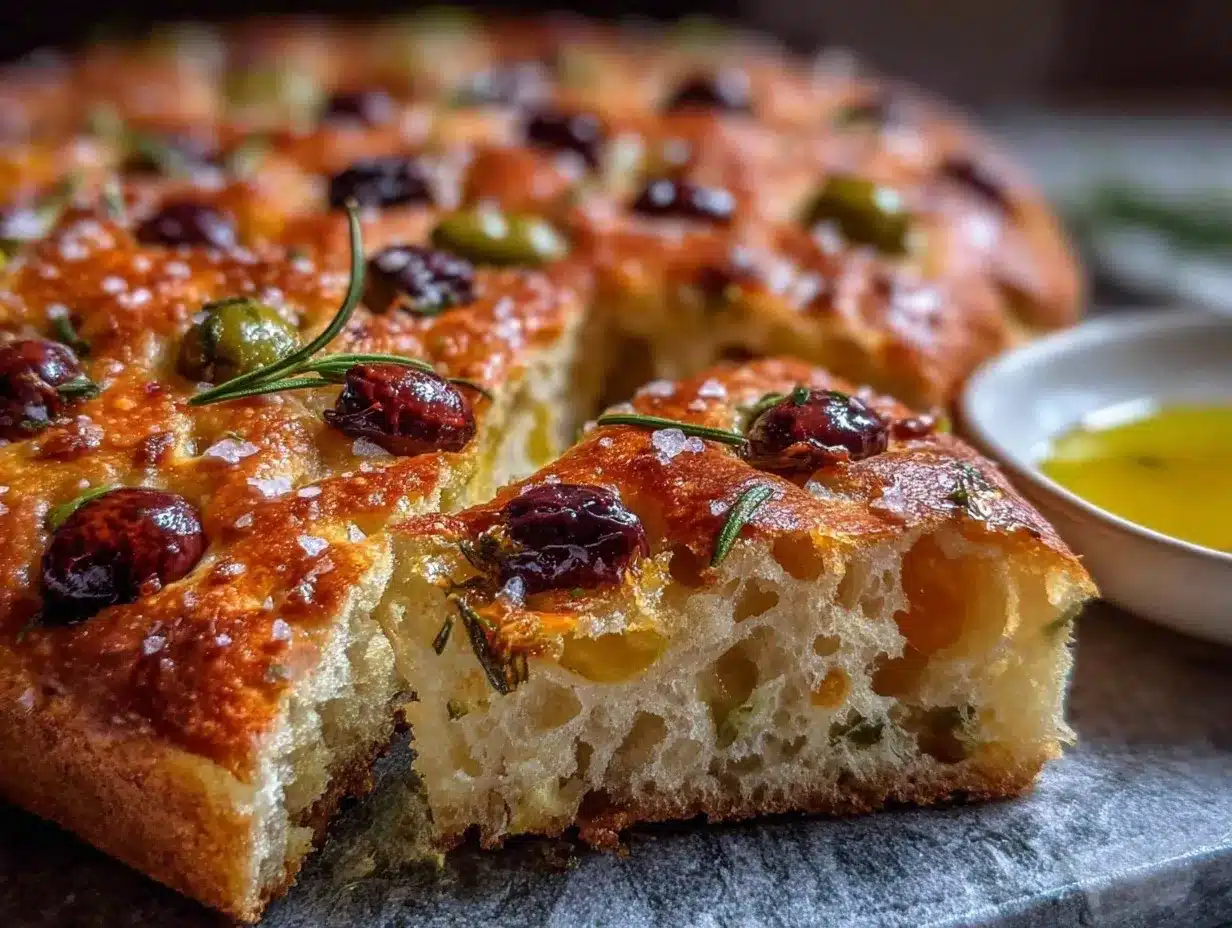
Let me tell you, the aroma of freshly baked focaccia bread with rosemary and olives wafting through my kitchen is downright hypnotizing—like, I swear, it could lure anyone from down the block. The first time I pulled this golden, pillowy loaf out of the oven, I had to pause and just soak it all in. The sight of those glistening olive-studded dimples, the scent of warm bread mingling with earthy rosemary, and that first bite—soft, chewy, a whisper of salt and olive oil—well, it’s the kind of moment that makes you stop, smile, and realize you’ve stumbled onto something truly special.
When I was knee-high to a grasshopper, my grandma used to make a version of focaccia that filled the whole house with the smell of yeast and herbs. I didn’t appreciate it then (I was probably too busy sneaking cookie dough), but honestly, I wish I’d discovered this recipe years ago. It’s dangerously easy, full of pure, nostalgic comfort, and it’s become a staple for family gatherings, gifting, and even weeknight dinners. My family can’t keep their hands off it—seriously, I catch them hovering around the cooling rack every single time. And can you blame them? That crackly crust, those tender insides, and the briny punch from olives—this bread feels like a warm hug.
Perfect for potlucks, a sweet treat for your kids’ lunchboxes, or just to brighten up your Pinterest board, this focaccia bread recipe with rosemary and olives is proof that simple ingredients can create pure magic. I’ve tested it over a dozen times (in the name of research, of course), tweaking this and that until it became the loaf I now call my secret weapon. You’re going to want to bookmark this one, trust me—it’s bread worth baking again and again.
Why You’ll Love This Recipe
Honestly, there are focaccia bread recipes, and then there’s this one. After plenty of flour-dusted trial runs and more than a few olive-induced debates at my kitchen table, I can tell you this easy homemade rosemary & olive loaf stands out for a bunch of reasons.
- Quick & Easy: You can have this bread ready in about 2 hours from start to finish (most of it hands-off rise time). Perfect for last-minute cravings or those “I forgot the dinner rolls!” moments.
- Simple Ingredients: No need for fancy flour or hard-to-find herbs. Everything you need is probably already sitting in your pantry or fridge.
- Perfect for Any Occasion: Whether it’s brunch, holiday dinners, casual picnics, or just a cozy weekend lunch, this focaccia bread recipe fits right in. I love serving it at book club—everyone always asks for the recipe.
- Crowd-Pleaser: Kids love picking off the olives, adults rave about the rosemary. It’s basically impossible for anyone to not go back for seconds.
- Unbelievably Delicious: The combo of a crispy golden crust, fluffy interior, and savory toppings is pure comfort food. One bite and you’ll be hooked.
So what makes this focaccia different? For starters, I use a little extra olive oil in the dough and on top, which gives it that signature Italian richness and soft crumb. A simple brine on the olives before baking draws out the best flavor, while fresh rosemary adds a burst of herby aroma you just can’t fake. And if you’re after gluten-free or vegan options, I’ve got you covered with swaps that actually work (no cardboard texture here).
This loaf isn’t just “good bread”—it’s the kind you close your eyes for after the first bite. It’s comfort food that’s been updated for modern kitchens and busy lives, but still delivers all the soul-soothing satisfaction you crave. Whether you want to impress guests or just turn a regular weeknight into something memorable, this focaccia bread recipe is your ticket.
What Ingredients You Will Need
This focaccia bread recipe keeps things deliciously simple—nothing fancy, just wholesome ingredients working together for unbeatable flavor and texture. Most are basic pantry staples, with a few fresh touches that make all the difference.
- For the dough:
- All-purpose flour (500g / 4 cups) – I like King Arthur or Bob’s Red Mill for consistent results.
- Warm water (325ml / 1⅓ cups) – just about body temperature, helps activate the yeast.
- Active dry yeast (7g / 2¼ tsp) – quick-rise or regular, both work fine.
- Granulated sugar (10g / 2 tsp) – feeds the yeast and boosts browning.
- Kosher salt (10g / 2 tsp) – for flavor; I prefer Diamond Crystal.
- Extra-virgin olive oil (60ml / ¼ cup for dough, plus more for topping) – go for a fruity, peppery brand if you can. Adds richness and that classic Italian flavor.
- For the topping:
- Fresh rosemary (2 tbsp, chopped) – use the leaves only, not the stems. Dried works in a pinch, but fresh is best.
- Kalamata olives (75g / ½ cup, pitted and halved) – or green Castelvetrano for a milder bite. Rinse and dry well!
- Sea salt flakes (for sprinkling) – Maldon is my go-to for that crunchy finish.
- Extra olive oil (2 tbsp, drizzled on top before baking) – don’t be shy.
- Optional for more flavor:
- Minced garlic (1-2 cloves) – sprinkle on top for a gentle kick.
- Cherry tomatoes (handful, halved) – for a juicy, fresh twist.
- Cracked black pepper (to taste) – I add a little for extra savoriness.
Substitution tips: If you need gluten-free, swap in a 1:1 gluten-free flour blend (like Cup4Cup). For vegan, this recipe is already dairy-free—just check your sugar source if strict. You can use instant yeast instead of active dry, just skip the blooming step. If you’re out of rosemary, try thyme or oregano for a slightly different vibe.
With ingredients this straightforward, you can whip up this focaccia bread recipe even on a busy weeknight. And if you want to get creative, toss in sun-dried tomatoes or feta—there’s room for plenty of personality here!
Equipment Needed
You don’t need a fancy bread oven or specialty gadgets to make this focaccia bread recipe—just a few trusty kitchen tools. Here’s what I use every time:
- Large mixing bowl – for stirring the dough. Stainless steel or glass works best; plastic sometimes gets sticky.
- Wooden spoon or dough whisk – for mixing. A dough whisk is handy, but I’ve used a regular spoon plenty of times.
- Baking sheet or 9×13-inch pan (23x33cm) – I prefer a rimmed baking sheet for a classic rectangular loaf, but a cake pan will work for thicker bread.
- Plastic wrap or clean kitchen towel – to cover the dough while it rises.
- Measuring cups and spoons – accuracy matters, especially with flour and water.
- Pastry brush – for brushing oil on top (if you don’t have one, just drizzle and spread with clean fingers).
If you’re on a budget, thrift store bowls and secondhand baking pans do the job just fine. I’ve used an old glass casserole dish for focaccia more than once. One tip: keep your baking pans clean and dry to avoid sticking and uneven browning. If you want extra crisp edges, try a cast iron pan—just oil it well before adding the dough.
Preparation Method
- Bloom the yeast: In a large mixing bowl, combine warm water (325ml / 1⅓ cups) and sugar (10g / 2 tsp). Sprinkle active dry yeast (7g / 2¼ tsp) over the top. Let it sit for 5-10 minutes until foamy. If nothing happens, your yeast might be dead—start again with fresh!
- Mix the dough: Add all-purpose flour (500g / 4 cups) and kosher salt (10g / 2 tsp) to the yeast mixture. Stir with a wooden spoon until a shaggy dough forms. Pour in olive oil (60ml / ¼ cup) and continue mixing until the dough is sticky but pulls away from the bowl (about 2-3 minutes). It’ll look a bit rough, and that’s okay.
- First rise: Cover the bowl tightly with plastic wrap or a clean towel. Let the dough rise at room temperature for 45-60 minutes, until doubled in size. If your kitchen’s chilly, pop it in a barely warm (but turned off) oven—it speeds up the rise.
- Prepare the pan: Generously oil your baking sheet or pan with 1-2 tbsp olive oil. Scrape the risen dough into the pan and gently stretch it to fit the shape. If it protests, let it rest for 5 minutes, then try again.
- Second rise: Cover the pan and let the dough rise another 20-30 minutes. The surface will get puffy—poke it gently; it should spring back slowly.
- Dimple the dough: Preheat oven to 425°F (220°C). With oiled fingers, press deep dimples all over the dough. This is the fun part—don’t be shy! Scatter rosemary (2 tbsp, chopped), olives (75g / ½ cup, halved), and any optional toppings (garlic, tomatoes) evenly. Drizzle with 2 tbsp olive oil and sprinkle sea salt flakes on top.
- Bake: Bake for 20-25 minutes, until golden brown and the edges are crisp. The kitchen will smell like heaven. If you like a deeper crust, let it go an extra 2-3 minutes.
- Cool and serve: Let the focaccia cool in the pan for 10 minutes, then transfer to a wire rack. Slice into squares or strips and serve warm or at room temp. If the bread sticks, run a butter knife along the edges before lifting out.
Notes: If your dough seems dry, add a splash more water; if it’s too sticky, dust lightly with flour before stretching. For extra flavor, brush the top with infused olive oil (try garlic or chili). Don’t rush the rises—the texture depends on that gentle puff.
I always set a timer, but honestly, I go by eye and nose—the bread should be deeply golden, and you’ll know it’s ready by the irresistible smell. If you’re making this for the first time, don’t stress about perfect dimples—uneven is charming!
Cooking Tips & Techniques
Making focaccia bread isn’t rocket science, but I’ve learned a few tricks (sometimes the hard way) that help guarantee success. Here’s what works best for me:
- Use enough olive oil: Don’t skimp! It keeps the crumb tender and the crust crisp. I once tried to “lighten it up”—the bread was dry and sad. Lesson learned.
- Let the dough rest: If it fights you when stretching, give it five minutes. The gluten relaxes and the dough becomes much easier to shape.
- Don’t overproof: Watch the dough during the second rise—a little puffiness is perfect, but if it gets too big, the bread can collapse in the oven. If you’re multitasking, set a timer!
- Dimpling is key: Use oiled fingers and press right down to the pan. Those little pockets trap olive oil and create that classic focaccia texture.
- Rotate the pan: Halfway through baking, spin the pan for even browning. My old oven has hot spots, and this trick saves the day every time.
- Test for doneness: The focaccia should sound hollow when tapped and look deeply golden. If you’re not sure, peek underneath—the bottom should be browned, not pale.
I’ve messed up by rushing the rise or underbaking—don’t be afraid to trust your senses. Sometimes the crust will seem too firm at first, but it softens as it cools. If you’re making multiple loaves, stagger your prep so you can focus on one at a time. And if you want consistent dimples, press straight down, not sideways.
My advice? Relax and enjoy the process. Focaccia bread is forgiving, and honestly, a few imperfections just make it more charming!
Variations & Adaptations
One of the best things about this focaccia bread recipe is how easy it is to customize. Here are some of my favorite twists and adaptations—because everyone’s taste buds are a little different!
- Gluten-Free: Use a 1:1 gluten-free flour blend like Cup4Cup. The texture is slightly different—more cake-like—but still delicious.
- Vegan: This recipe is already dairy-free, but to make sure it’s fully vegan, use organic sugar (some white sugars are processed with bone char).
- Herby swap: Try fresh thyme, oregano, or basil instead of rosemary. I made a thyme version last spring, and it was super fragrant—perfect for pairing with tomato soup.
- Cheesy version: Sprinkle grated Parmesan or vegan cheese over the dough before baking for a savory, golden topping.
- Seasonal toppings: In summer, use cherry tomatoes or sliced zucchini. In fall, roasted garlic or caramelized onions add a cozy twist.
- Different olives: Swap Kalamata for green Castelvetrano or even a mix. Each brings a unique flavor and color.
If you prefer a thicker loaf, use a smaller pan and reduce the oven temp by 10°F (about 5°C). For crispier focaccia, bake in a preheated cast iron skillet. I’ve even made mini focaccia “rolls” by shaping the dough into rounds—great for lunchboxes!
Allergen swaps are easy: use nut-free toppings, omit cheese if needed, and always check your olive source for cross-contamination. My personal favorite? A roasted garlic and rosemary blend—so good, it’s hard not to eat half the pan myself.
Serving & Storage Suggestions
Focaccia bread is best served warm, right out of the oven, but it’s also great at room temperature. For presentation, slice into rustic squares or long strips—let the olive and rosemary topping shine! I love pairing this bread with soups (creamy tomato is my top pick), salads, or as a base for sandwiches.
If you’re hosting a brunch, serve with olive oil and balsamic vinegar for dipping. For dinner, it’s perfect alongside pasta or roasted chicken. A glass of crisp white wine or sparkling water doesn’t hurt either!
To store, wrap cooled focaccia tightly in plastic wrap or foil and keep at room temperature for up to 2 days. For longer storage, freeze slices in a zip-top bag—just thaw and reheat in a 350°F (175°C) oven for 5-7 minutes. The flavors actually deepen after a day, so leftovers are a treat. Avoid the fridge if possible; it dries out the bread.
Reheated focaccia gets its crust back with a quick stint in the oven. I sometimes toast it for breakfast and top with avocado or eggs—seriously, it’s never boring.
Nutritional Information & Benefits
Here’s a ballpark estimate for this focaccia bread recipe: per serving (about 1/10th of the loaf), you’ll get roughly 190 calories, 6g fat, 29g carbs, and 4g protein. The olive oil provides healthy monounsaturated fats, while olives bring a dose of antioxidants and heart-friendly nutrients.
This loaf is naturally dairy-free and can be made gluten-free with a simple flour swap. If you skip cheese toppings, it’s vegan. Olives contain sodium, so watch quantities if you’re restricting salt. The bread is nut-free and soy-free, too!
Personally, I love that this focaccia is filling but not heavy—great as a snack, side, or even a light lunch. It’s proof that homemade bread doesn’t have to be a guilty pleasure.
Conclusion
So, why should you try this focaccia bread recipe? Because it’s simple, comforting, and downright delicious—plus, you can customize it any way you like. Every time I bake this loaf, I’m reminded of cozy family dinners, friendly gatherings, and those tiny kitchen victories that make cooking worthwhile.
Don’t be afraid to make this recipe your own! Add your favorite toppings, play with herbs, or switch up the shape. That’s the beauty of focaccia—imperfect, rustic, and always a crowd-pleaser.
If you give this rosemary & olive loaf a go, I’d love to hear about your results. Drop a comment, share your tweaks, or tag me in your Pinterest posts—I’m always excited to see how folks make it their own. Honestly, this bread is a warm hug in loaf form, and I hope it finds a permanent spot in your kitchen!
FAQs
Can I make this focaccia bread recipe ahead of time?
Absolutely! You can prepare the dough the night before, let it rise in the fridge, and bake it fresh in the morning. The slow rise adds even more flavor.
What’s the best way to reheat leftover focaccia?
Pop slices in a 350°F (175°C) oven for about 5 minutes. You can also toast them for a crispier edge.
Do I have to use fresh rosemary and olives?
Fresh rosemary gives the best flavor, but dried works in a pinch. You can skip olives or swap for sun-dried tomatoes, caramelized onions, or other toppings you love.
Is this focaccia bread recipe suitable for gluten-free diets?
Yes! Just use a 1:1 gluten-free flour blend. The texture will be a bit different but still tasty.
Can I freeze focaccia bread?
Sure thing. Slice and wrap tightly, freeze for up to a month. Thaw and reheat in the oven to bring back the crusty goodness.
Pin This Recipe!

Focaccia Bread Recipe: Easy Homemade Rosemary & Olive Loaf
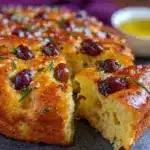
This easy homemade focaccia bread is pillowy soft inside, crisp on the outside, and bursting with the flavors of fresh rosemary and briny olives. Perfect for gatherings, weeknight dinners, or as a comforting snack, it’s a crowd-pleasing loaf that’s simple to customize.
- Prep Time: 20 minutes
- Cook Time: 25 minutes
- Total Time: 2 hours
- Yield: 10 servings 1x
- Category: Bread
- Cuisine: Italian
Ingredients
- 4 cups all-purpose flour
- 1 1/3 cups warm water
- 2 1/4 teaspoons active dry yeast
- 2 teaspoons granulated sugar
- 2 teaspoons kosher salt
- 1/4 cup extra-virgin olive oil (plus more for topping and pan)
- 2 tablespoons fresh rosemary, chopped
- 1/2 cup Kalamata olives, pitted and halved
- Sea salt flakes, for sprinkling
- 2 tablespoons extra olive oil, for drizzling on top
- Optional: 1-2 cloves minced garlic
- Optional: Handful cherry tomatoes, halved
- Optional: Cracked black pepper, to taste
Instructions
- In a large mixing bowl, combine warm water and sugar. Sprinkle yeast over the top and let sit for 5-10 minutes until foamy.
- Add flour and kosher salt to the yeast mixture. Stir with a wooden spoon until a shaggy dough forms.
- Pour in olive oil and continue mixing until the dough is sticky but pulls away from the bowl (about 2-3 minutes).
- Cover the bowl tightly with plastic wrap or a clean towel. Let the dough rise at room temperature for 45-60 minutes, until doubled in size.
- Generously oil your baking sheet or 9×13-inch pan with 1-2 tablespoons olive oil. Scrape the risen dough into the pan and gently stretch it to fit the shape. If it resists, let it rest for 5 minutes, then try again.
- Cover the pan and let the dough rise another 20-30 minutes until puffy.
- Preheat oven to 425°F (220°C). With oiled fingers, press deep dimples all over the dough.
- Scatter rosemary, olives, and any optional toppings evenly. Drizzle with 2 tablespoons olive oil and sprinkle sea salt flakes on top.
- Bake for 20-25 minutes, until golden brown and edges are crisp. For a deeper crust, bake an extra 2-3 minutes.
- Let focaccia cool in the pan for 10 minutes, then transfer to a wire rack. Slice and serve warm or at room temperature.
Notes
If dough seems dry, add a splash more water; if too sticky, dust lightly with flour before stretching. For extra flavor, brush the top with infused olive oil. Don’t rush the rises for best texture. Use gluten-free flour for a gluten-free version. For vegan, ensure sugar is organic. Focaccia is forgiving—uneven dimples and rustic shapes are charming.
Nutrition
- Serving Size: 1/10th of loaf
- Calories: 190
- Sugar: 1
- Sodium: 330
- Fat: 6
- Saturated Fat: 1
- Carbohydrates: 29
- Fiber: 2
- Protein: 4
Keywords: focaccia bread, rosemary focaccia, olive bread, homemade bread, easy focaccia, Italian bread, vegan bread, gluten-free option, party bread, potluck recipe