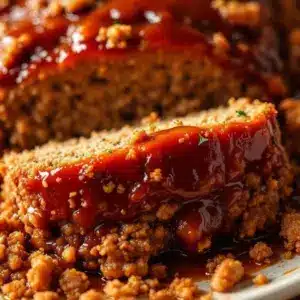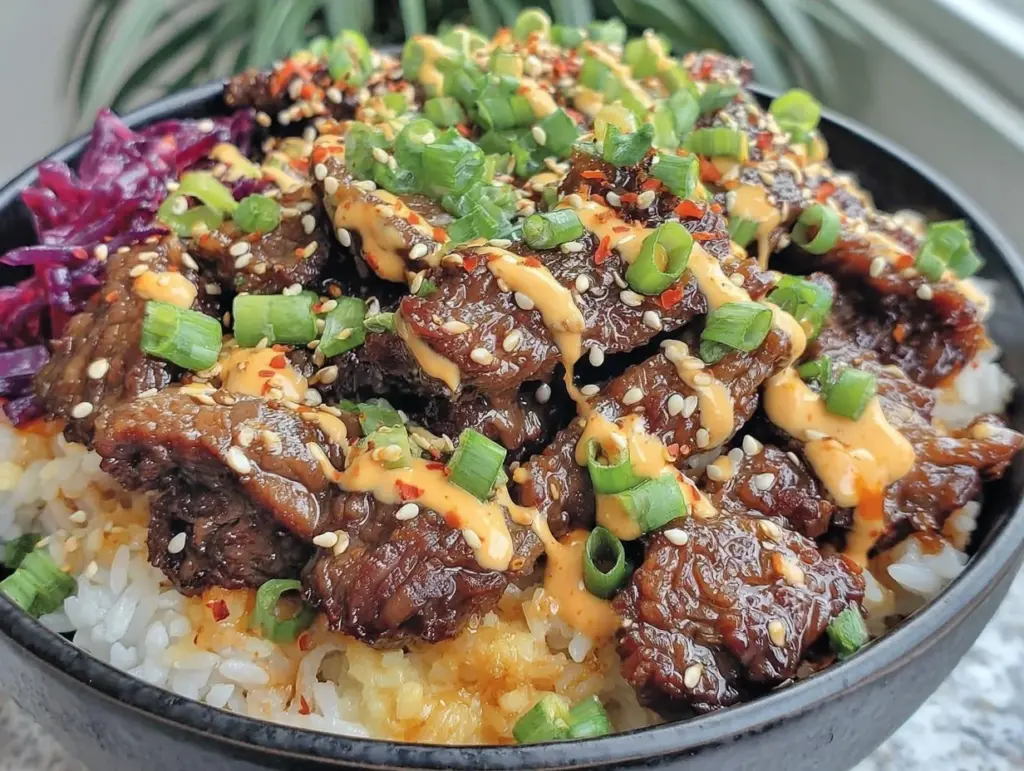
Introduction
The moment the aroma of sizzling beef, garlic, and ginger hits my kitchen, I know dinner’s going to be something special. Imagine: sweet soy-glazed beef, caramelized edges, and that bold pop of spice from gochujang mayo, all piled onto fluffy rice. The colors alone—crisp green scallions, vibrant pickled veggies, and a glossy red drizzle—make you want to grab your camera (Pinterest folks, you know what I mean!).
The first time I made these Korean Beef Bowls with Gochujang Mayo, it was a rainy Friday and I was searching for pure comfort food with a twist. I wanted something quick, but not boring, and definitely not another plain chicken dish. I’d just discovered gochujang paste at the local international market (years ago, I couldn’t have pronounced it, let alone cooked with it!). That first bite—savory, spicy, slightly sweet—was the kind of moment where you pause, take a deep breath, and just smile because you know you’ve stumbled onto something truly special.
These beef bowls quickly became a family favorite. Even my kids—who usually turn up their noses at anything “too spicy”—couldn’t stop sneaking bites off the counter. My partner practically begged me to make it again the next night (and honestly, I didn’t mind one bit because it’s dangerously easy). It’s now my go-to for quick weeknight dinners, cozy lunches, and even casual get-togethers. If you’re looking for a way to brighten up your dinner routine or add some colorful flair to your Pinterest board, this Korean Beef Bowls recipe with easy homemade gochujang mayo is it.
I’ve tested, tweaked, and perfected this bowl more times than I can count—in the name of research, of course. Trust me, it’s a staple for family gatherings, gifting meals to friends, or just treating yourself after a long day. It feels like a warm hug in a bowl, and you’re going to want to bookmark this one!
Why You’ll Love This Recipe
When you crave something fast, flavorful, and a little out-of-the-ordinary, these Korean Beef Bowls with Gochujang Mayo really hit the spot. After dozens of test runs (and a few failed attempts where I absolutely overcooked the beef), I can promise you this recipe delivers every time. Here’s why folks keep asking for the recipe (and why it’s always a hit when I post it online):
- Quick & Easy: Ready in under 30 minutes—no need to fuss over complicated steps or long marinating times. Perfect for those “I forgot to plan dinner” nights.
- Simple Ingredients: Just everyday pantry staples plus a jar of gochujang. You probably have everything except the gochujang, and that’s easy to find in most grocery stores now.
- Perfect for Any Occasion: These bowls shine for casual dinners, meal prep, cozy lunches, or even weeknight entertaining. I’ve served them at brunches and potlucks too!
- Crowd-Pleaser: The balance of sweet, salty, and spicy flavors wins over picky eaters, spice lovers, and everyone in between. My family gives it two thumbs up every single time.
- Unbelievably Delicious: The beef is juicy, the rice is fluffy, and the gochujang mayo? Let’s face it, you’ll want to drizzle it on everything.
This isn’t just another beef bowl—it’s the one where the beef gets caramelized edges thanks to a quick, high-heat sauté, and the mayo is whisked until velvety-smooth. I blend the gochujang right into the mayo for a creamy, punchy sauce that’s addictive. You get that signature Korean flavor without complicated techniques or specialty tools.
Honestly, I love recipes that deliver big flavor with minimal fuss. This one is comfort food, reimagined—healthier, faster, and just as soul-satisfying. Whether you want to impress guests without stress or just turn a simple dinner into something you look forward to, these Korean Beef Bowls with Gochujang Mayo are the answer.
What Ingredients You Will Need
This Korean Beef Bowls recipe uses a mix of pantry staples and a few special ingredients to create bold, satisfying flavor. Most of the ingredients are easy to find, and you can swap a few things if needed. Here’s what you’ll need:
- For the Beef:
- 1 lb (450g) ground beef (I like 85% lean for best flavor and juiciness)
- 2 cloves garlic, minced
- 1-inch piece ginger, peeled and minced (about 1 tablespoon)
- 2 tablespoons low-sodium soy sauce (or tamari for gluten-free)
- 2 tablespoons brown sugar (or honey for a lighter sweetness)
- 1 tablespoon sesame oil (adds nutty aroma)
- 1 tablespoon gochujang paste (for authentic heat and depth)
- 1 tablespoon rice vinegar (balances the richness)
- Pinch of black pepper
- For the Gochujang Mayo:
- 1/3 cup (80g) mayonnaise (I recommend Kewpie for extra creaminess, but Hellmann’s works too)
- 1-2 tablespoons gochujang paste (start with 1 for mild, 2 for spicy)
- 1 teaspoon honey (optional, for a touch of sweetness)
- 1 teaspoon rice vinegar
- Pinch of salt
- For the Bowls:
- 3 cups (600g) cooked white rice (Jasmine or short-grain are ideal; brown rice or cauliflower rice work as swaps)
- 1 cup shredded carrots (or matchstick-cut for crunch)
- 1 cup cucumber, thinly sliced
- 1/2 cup kimchi, chopped (adds a punchy, fermented tang—skip if you prefer mild)
- 2-3 scallions, sliced thin (for color and flavor)
- 1 tablespoon toasted sesame seeds (for garnish)
If you can’t find gochujang, use sriracha for heat, though the flavor will be a bit different. For gluten-free, swap soy sauce for tamari and double-check your gochujang’s ingredients. Want a dairy-free bowl? Use vegan mayo—the flavor is still great. In summer, I swap in fresh garden veggies for extra crunch. For picky eaters, leave out the kimchi and let everyone build their own bowl.
I always reach for quality ground beef (like ButcherBox or local farm beef) for the best texture. Small tweaks—like using brown sugar instead of honey—don’t change the recipe much, so use what you have. Trust me, it’s forgiving!
Equipment Needed
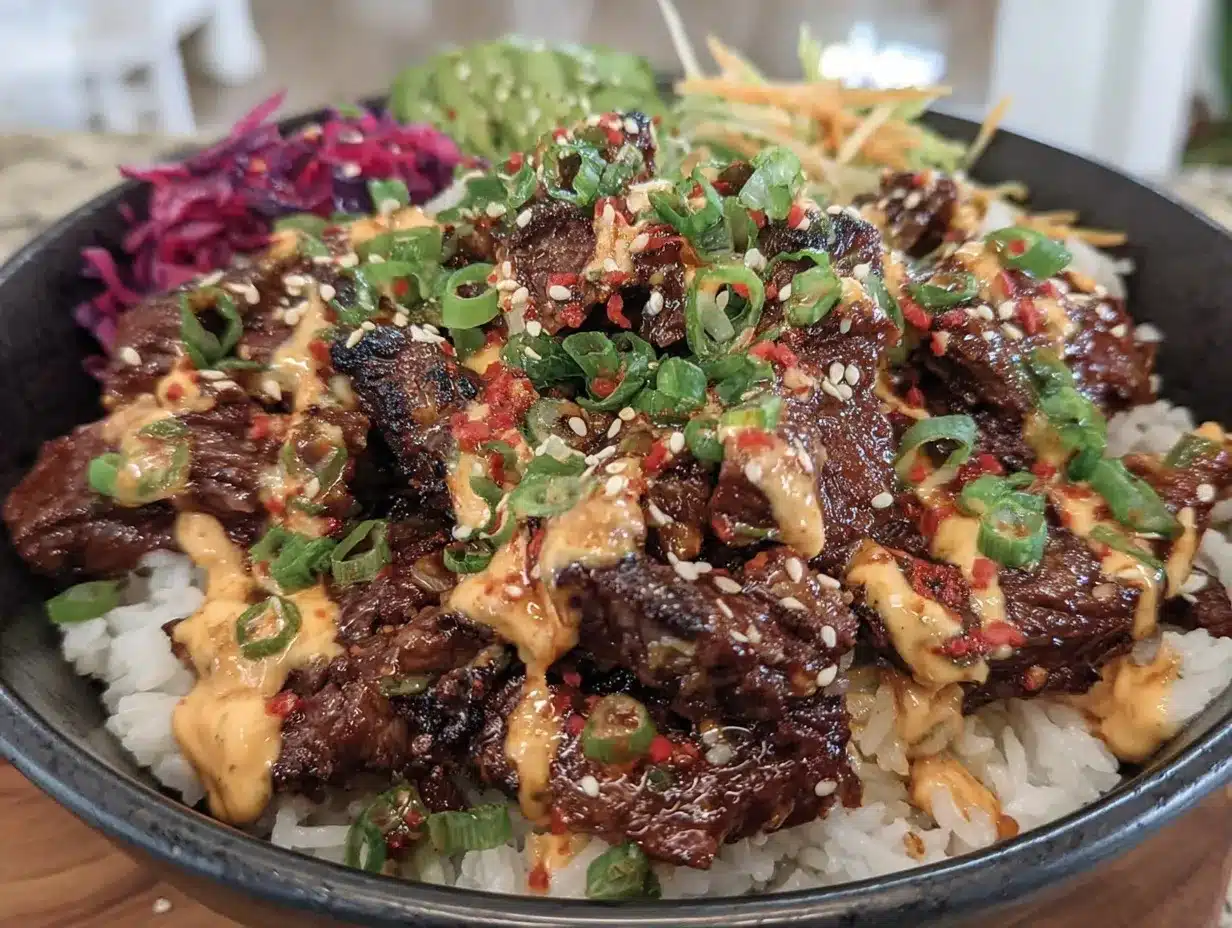
You really don’t need much for this Korean Beef Bowls recipe—just a few basics that most kitchens already have. Here’s what I use, plus some alternatives:
- Large Skillet or Frying Pan: Nonstick or stainless works best for browning the beef. If you have a wok, that’s even better for high heat.
- Mixing Bowl: For whisking up the gochujang mayo. A small bowl does the trick.
- Chef’s Knife and Cutting Board: For chopping garlic, ginger, and veggies. (Honestly, I’ve used a paring knife in a pinch!)
- Measuring Cups & Spoons: Precision helps with the sauce, but eyeballing is fine for the veggies.
- Rice Cooker or Saucepan: To make perfect rice. If you’re short on time, microwave rice packets work too.
- Spoon or Spatula: For mixing and serving. I love using a wooden spoon—it just feels homey.
If you don’t have a wok, no problem—a regular frying pan will do. For the mayo, I sometimes use a fork instead of a whisk (less cleanup!). If your skillet is prone to sticking, add a splash of oil before you start. I’ve bought budget spatulas at the dollar store and they work just fine. Just rinse your equipment well after working with gochujang—it can stain if left to sit.
Preparation Method
Ready to get cooking? Here’s how I make Korean Beef Bowls with Gochujang Mayo—step by step, no guesswork, just delicious results every time.
- Prep Your Ingredients:
- Peel and mince 2 cloves garlic and 1-inch ginger.
- Slice cucumber, carrots, and scallions.
- Chop kimchi if using. Set veggies aside for assembly.
Tip: If you’re short on time, buy pre-chopped veggies. No judgment!
- Cook the Rice:
- Rinse 1.5 cups (300g) uncooked rice under cold water until water runs clear.
- Cook according to package instructions—usually about 15 minutes for white rice, or 40 for brown rice.
- Fluff with a fork and keep warm.
If using microwave rice, just heat and set aside.
- Make the Gochujang Mayo:
- In a small bowl, combine 1/3 cup (80g) mayo, 1-2 tablespoons gochujang, 1 teaspoon honey, and 1 teaspoon rice vinegar.
- Whisk until completely smooth and creamy.
- Taste and adjust: add more gochujang for heat, or more honey for sweetness.
Mayo should be silky, slightly thick, and bright orange-red.
- Prepare the Beef:
- Heat 1 tablespoon sesame oil in a large skillet over medium-high heat.
- Add minced garlic and ginger; sauté 30 seconds until fragrant (don’t let it burn!).
- Add 1 lb (450g) ground beef; break up with a spoon and cook 3-4 minutes until browned.
- Drain excess fat if needed.
Beef should be crumbly and just starting to crisp at the edges.
- Add Sauce & Finish Beef:
- Stir in 2 tablespoons soy sauce, 2 tablespoons brown sugar, 1 tablespoon gochujang, 1 tablespoon rice vinegar, and a pinch of black pepper.
- Mix well and cook 2-3 more minutes until beef is glossy and caramelized.
- Taste and adjust seasoning if needed.
If beef is too dry, add a splash more soy sauce. If too wet, cook 1-2 minutes longer.
- Assemble Bowls:
- Divide cooked rice into bowls (about 1 cup per serving).
- Top each with a generous scoop of beef, then arrange carrots, cucumber, kimchi, and scallions around the sides.
- Drizzle gochujang mayo over everything.
- Sprinkle with toasted sesame seeds for crunch.
Bowl should look colorful and inviting—don’t worry about perfect placement!
If your beef is sticking, lower the heat and add a splash of water. If mayo seems too thick, thin with a drop of rice vinegar. I always taste each layer as I build the bowls—little tweaks make a big difference!
Cooking Tips & Techniques
After making these Korean Beef Bowls more times than I can count, I’ve learned a few tricks to guarantee success. Here’s what works (and what doesn’t) in my kitchen:
- High Heat for Beef: Searing the beef quickly over high heat gets those caramelized bits. If you cook it too slow, it can turn mushy—so don’t be shy with the heat.
- Balance the Sauce: Gochujang is powerful. Start with less, taste, and add more as you go. I’ve ruined a batch by dumping in too much at once (lesson learned!).
- Don’t Overcrowd the Pan: If you double the recipe, use two pans or cook in batches. Crowding leads to steaming instead of browning, and you want those crispy edges.
- Rice Matters: Fluffy rice is key! Rinse your rice to remove extra starch. If it’s sticky, spread on a plate to cool before serving.
- Mayo Consistency: Whisk until completely smooth. Lumpy mayo isn’t fun to eat or photograph (trust me, I’ve tried!).
- Multitasking: While the rice cooks, prep your veggies and sauce. By the time beef is done, everything else will be ready to assemble.
Common mistakes? Overcooking the beef (it dries out fast), using cold rice (makes the bowl feel sad), or skipping the sesame seeds (they add a real flavor boost). If you want perfect bowls every time, taste as you go and trust your senses. It’s honestly more forgiving than most recipes, so relax and enjoy!
Variations & Adaptations
One of the best things about Korean Beef Bowls is how easily you can customize them for different tastes and diets. Here are my favorite variations:
- Low-Carb Version: Swap white rice for cauliflower rice. I do this for lunch sometimes—just sauté riced cauliflower in a skillet for 5 minutes and use it as your base.
- Vegetarian Option: Replace ground beef with crumbled tofu or meatless grounds. Add a splash of soy sauce and sesame oil for flavor. My best friend is vegetarian, and she loves this swap!
- Seasonal Veggies: Use whatever’s fresh—add shredded cabbage, radishes, or snap peas in spring. In winter, roast sweet potato cubes and tuck them in for extra warmth.
- Spice Level Adjustments: For milder bowls, reduce gochujang or use less in the mayo. For heat lovers, add a sprinkle of Korean chili flakes (gochugaru) on top.
- Gluten-Free Adaptation: Use tamari instead of soy sauce and double-check your gochujang label for wheat ingredients.
- Egg Topping: Add a fried or soft-boiled egg on top—runny yolk makes everything creamier and richer.
Personally, I love making this bowl with brown rice and extra kimchi in the summer. For parties, I set up a “build your own bowl” bar so guests can choose their toppings. If you’re cooking for kids, let them drizzle their own mayo—it’s fun and gets them to try new flavors!
Serving & Storage Suggestions
These Korean Beef Bowls are best served warm, right after assembly. The beef stays juicy, and the veggies keep their crunch. Here’s how I like to serve and store them:
- Serving Temperature: Serve bowls hot—the beef and rice should be steaming, but the veggies and mayo stay cool and crisp.
- Presentation: Arrange toppings in neat sections or mix everything together for a rustic look. Sprinkle sesame seeds last for a pretty finish.
- Complementary Dishes: Pair with miso soup, steamed dumplings, or a light cucumber salad. I sometimes serve with iced green tea for a refreshing meal.
- Storage: Store leftovers in airtight containers in the refrigerator for up to 3 days. Keep beef, rice, veggies, and mayo separate for best texture.
- Freezer Tips: You can freeze the beef (without mayo or veggies) for up to 2 months. Thaw overnight and reheat gently.
- Reheating: Microwave beef and rice until hot, then assemble bowls with fresh veggies and sauce. Mayo doesn’t freeze well, so make it fresh each time.
- Flavor Development: The beef gets even more flavorful after a night in the fridge; the spices mellow and deepen. It’s great for meal prep!
If you’re packing for lunch, assemble bowls in containers with the sauce on the side. I love how the flavors meld overnight, but the crunch stays best if you add fresh veggies right before eating.
Nutritional Information & Benefits
Here’s a quick look at the nutritional profile of these Korean Beef Bowls with Gochujang Mayo (per serving, based on 4 servings):
- Calories: ~540
- Protein: 28g
- Carbs: 58g
- Fat: 22g
- Fiber: 4g
- Sodium: 900mg
Ground beef provides plenty of protein and iron, while gochujang brings fermented goodness and a boost of capsaicin for metabolism. Veggies add fiber, vitamins, and crunch. You can easily make this recipe gluten-free (use tamari) or lower-carb (swap rice for cauliflower). Watch out for soy and egg allergens in the sauce and base—substitute as needed.
From a wellness perspective, I like that you can control the amount of sauce and beef, add extra veggies, and tweak the bowl to fit your goals. It’s satisfying, but not heavy, so it’s a recipe I reach for when I want comfort food that won’t weigh me down.
Conclusion
If you’re looking for a dinner that’s packed with flavor, easy to make, and just plain fun to eat, these Korean Beef Bowls with Gochujang Mayo should be at the top of your list. It’s a recipe that’s flexible, family-friendly, and honestly kind of addictive—one of those dishes you’ll find yourself craving again and again.
Feel free to swap, adapt, and make it your own. Whether you change the veggies, switch up the rice, or tweak the spice level, this bowl is all about personal taste. I love it because it brings people together, makes weeknights special, and never disappoints.
Try it out, share your tweaks, or let me know your favorite bowl toppings in the comments below. If you snap a photo for Pinterest, tag me—I love seeing your creations. Here’s to more delicious, colorful dinners and happy kitchen memories!
Frequently Asked Questions
Can I use ground chicken or turkey instead of beef?
Absolutely! Ground chicken or turkey works well. The flavor will be a little lighter, but the sauce and mayo add plenty of punch.
How spicy is gochujang?
Gochujang has a moderate heat—spicy but not overwhelming. Start with less if you’re sensitive, and add more to taste. The mayo helps mellow it out.
What can I use instead of kimchi?
You can skip the kimchi or use pickled radishes, sliced cabbage, or extra cucumber for crunch. It’s totally customizable!
Can I meal prep these bowls?
Yes! Cook the beef and rice ahead, chop veggies, and keep everything separate. Assemble when ready to eat. The beef flavor actually improves overnight.
Is this recipe gluten-free?
It can be! Just use tamari instead of soy sauce and make sure your gochujang is gluten-free (check the label). All other ingredients are naturally gluten-free.
Pin This Recipe!
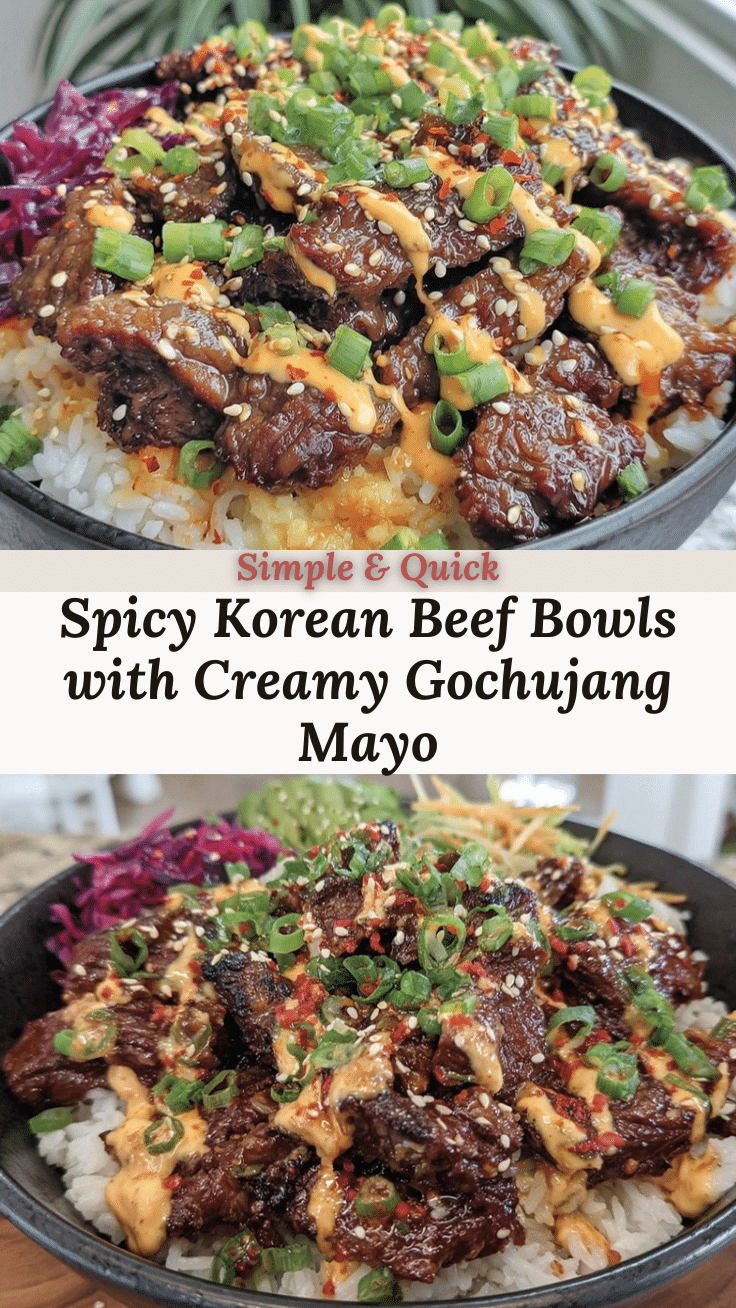
Korean Beef Bowls Recipe: Easy Homemade Gochujang Mayo Dinner
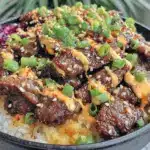
Sweet soy-glazed beef with caramelized edges, bold gochujang mayo, and colorful veggies over fluffy rice—this easy Korean Beef Bowl is a quick, comforting dinner packed with flavor and crunch.
- Prep Time: 15 minutes
- Cook Time: 15 minutes
- Total Time: 30 minutes
- Yield: 4 servings 1x
- Category: Main Course
- Cuisine: Korean
Ingredients
- 1 lb ground beef (85% lean recommended)
- 2 cloves garlic, minced
- 1-inch piece ginger, peeled and minced (about 1 tablespoon)
- 2 tablespoons low-sodium soy sauce (or tamari for gluten-free)
- 2 tablespoons brown sugar (or honey)
- 1 tablespoon sesame oil
- 1 tablespoon gochujang paste
- 1 tablespoon rice vinegar
- Pinch of black pepper
- 1/3 cup mayonnaise (Kewpie or Hellmann’s)
- 1–2 tablespoons gochujang paste
- 1 teaspoon honey (optional)
- 1 teaspoon rice vinegar
- Pinch of salt
- 3 cups cooked white rice (Jasmine or short-grain)
- 1 cup shredded carrots
- 1 cup cucumber, thinly sliced
- 1/2 cup kimchi, chopped (optional)
- 2–3 scallions, sliced thin
- 1 tablespoon toasted sesame seeds
Instructions
- Peel and mince garlic and ginger. Slice cucumber, carrots, and scallions. Chop kimchi if using. Set veggies aside.
- Rinse uncooked rice under cold water until water runs clear. Cook according to package instructions (about 15 minutes for white rice). Fluff with a fork and keep warm.
- In a small bowl, combine mayonnaise, gochujang, honey, and rice vinegar. Whisk until smooth and creamy. Taste and adjust heat or sweetness as desired.
- Heat sesame oil in a large skillet over medium-high heat. Add garlic and ginger; sauté 30 seconds until fragrant.
- Add ground beef; break up with a spoon and cook 3-4 minutes until browned. Drain excess fat if needed.
- Stir in soy sauce, brown sugar, gochujang, rice vinegar, and black pepper. Mix well and cook 2-3 more minutes until beef is glossy and caramelized. Taste and adjust seasoning.
- Divide cooked rice into bowls (about 1 cup per serving). Top each with beef, then arrange carrots, cucumber, kimchi, and scallions around the sides.
- Drizzle gochujang mayo over everything. Sprinkle with toasted sesame seeds for garnish.
Notes
For gluten-free, use tamari and check gochujang label. Swap ground beef for chicken, turkey, tofu, or meatless grounds for dietary needs. Use cauliflower rice for low-carb. Adjust gochujang for spice level. Prep veggies and sauce while rice cooks for efficiency. Store leftovers separately for best texture.
Nutrition
- Serving Size: 1 bowl (about 1 cup
- Calories: 540
- Sugar: 12
- Sodium: 900
- Fat: 22
- Saturated Fat: 7
- Carbohydrates: 58
- Fiber: 4
- Protein: 28
Keywords: Korean beef bowl, gochujang mayo, easy dinner, rice bowl, Asian recipe, meal prep, comfort food, quick dinner, ground beef, spicy mayo