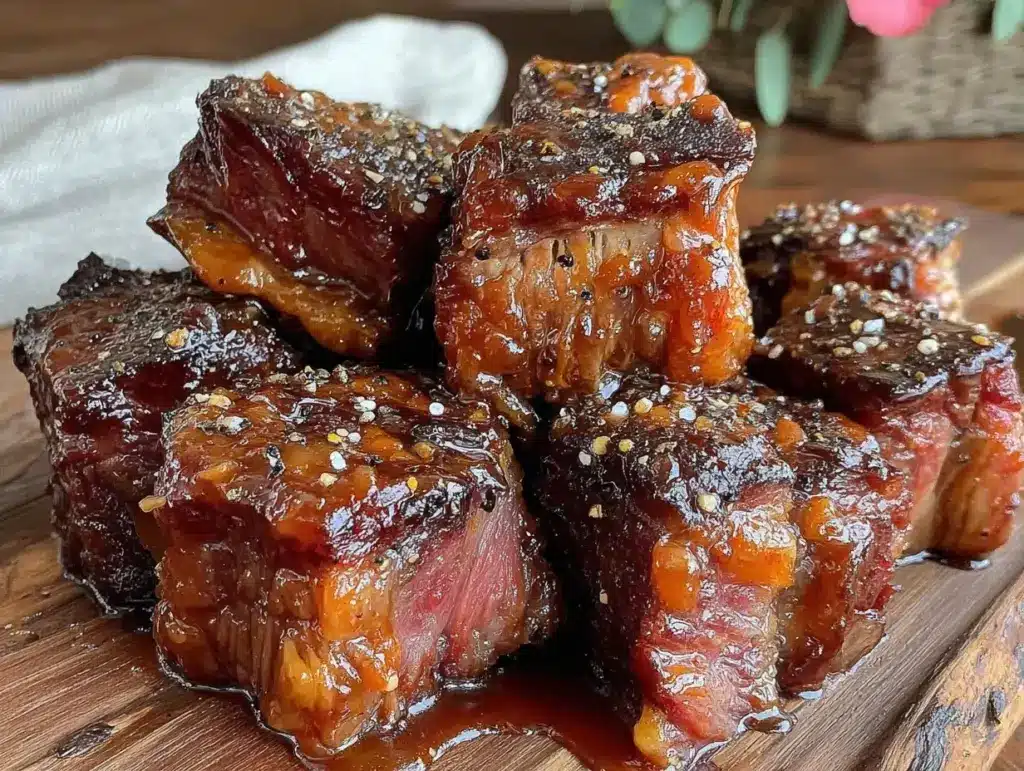
Let me paint a picture for you: the aroma of smoky, caramelized beef fills the backyard air, mingling with the sweet tang of Kansas City-style barbecue sauce. The sizzle and snap as you bite into a perfectly charred, melt-in-your-mouth burnt end is simply unforgettable—seriously, if heaven has a scent, this is it. The first time I made savory burnt ends (Kansas City style), I was just tinkering with leftovers from a brisket, not expecting much. But wow, the results had me pausing mid-bite, eyes closed, feeling like I’d discovered some secret BBQ treasure. It’s the kind of moment where you just smile, knowing you’ve stumbled upon pure, savory magic.
Growing up in the Midwest, barbecue meant family, laughter, and big gatherings. My grandpa used to say, “If your hands ain’t sticky by the end, you’re doing it wrong!”—and these burnt ends definitely deliver on that messy, joyful promise. I remember sneaking crispy bits off the cutting board, with my siblings racing to grab their share (honestly, it was pure chaos). Years ago, I thought burnt ends were just something you ordered at a Kansas City joint, but making them at home changed everything. I wish I’d learned this recipe sooner—it would’ve saved me a lot of drooling over restaurant menus!
Whenever I bring these to a party, the plate disappears in minutes. My kids hover around the smoker like bees to honey, and my friends always ask for the recipe. It’s dangerously easy, packed with deep flavor, and brings that pure, nostalgic comfort only true barbecue can offer. Whether you’re firing up the smoker for a summer cookout, needing a hearty snack for game day, or just want to brighten up your Pinterest board with drool-worthy BBQ, these savory burnt ends are perfect. I’ve tested and tweaked this recipe more times than I care to admit (all in the name of research, of course), and it’s become my go-to for family gatherings, gifting, and those days when you just need a taste of Kansas City. Trust me, this recipe feels like a warm hug—and you’re going to want to bookmark this one.
Why You’ll Love This Recipe
There’s a reason Kansas City-style burnt ends have a cult following, and this recipe brings that smoky, saucy magic right to your kitchen. I’ve cooked these dozens of times—sometimes for big crowds, sometimes just for myself after a long day—and every batch teaches me something new. Here’s why you’ll absolutely love making savory burnt ends (Kansas City style):
- Quick & Easy: Comes together in under 3 hours (including smoking time), making it doable for a Saturday BBQ or spontaneous party.
- Simple Ingredients: No need for specialty stores—the brisket, rub, and sauce are all things you can grab from your local market or maybe even your pantry.
- Perfect for Parties: These burnt ends are a showstopper at gatherings, potlucks, tailgates, or backyard cookouts. They’re the first thing to disappear!
- Crowd-Pleaser: Kids, adults, grandparents—everyone fights over the last piece. Trust me, you’ll wish you’d made a double batch.
- Unbelievably Delicious: The combination of smoky bark, tender beef, and sticky-sweet Kansas City sauce is next-level comfort food. You get a little crunch, a lot of juicy goodness, and a big punch of flavor.
What sets this recipe apart? I use a balanced homemade rub and sauce, plus a double-cooking technique that turns ordinary brisket into a crispy, saucy masterpiece. Some folks just cube up the brisket and toss it in sauce, but my version caramelizes the edges and infuses smoke deep into each bite. It’s not just another burnt ends recipe—it’s my best one, refined from years of trial and error (including a few hilariously charred disasters).
For me, burnt ends aren’t just food—they’re a little slice of happiness. They’re the kind of comfort food that makes you close your eyes and savor each bite. The recipe fits any occasion, from laid-back dinners to “wow” moments at parties. Whether you want to impress guests without breaking a sweat or just indulge in a legendary BBQ classic, this Kansas City style recipe is your ticket. It’s fast, friendly, and absolutely finger-lickin’ good.
What Ingredients You Will Need
This savory burnt ends recipe (Kansas City style) uses simple, bold ingredients to deliver the smoky, caramelized flavor Kansas City BBQ is famous for. Most of these are pantry staples, and a few can be swapped out if you’re in a pinch. Let’s break it down by parts:
- For the Brisket:
- 2 to 3 lbs (900g to 1.3kg) brisket point (fattier, more flavorful cut; you can use flat if needed, but point is king for burnt ends)
- For the Rub:
- 2 tbsp brown sugar (adds caramelization and sweetness)
- 1 tbsp paprika (for color and mild smokiness)
- 1 tbsp kosher salt
- 1 tbsp black pepper
- 1 tsp garlic powder
- 1 tsp onion powder
- 1/2 tsp cayenne pepper (optional—for a little kick)
- 1/2 tsp ground mustard (adds tang)
- Optional: 1 tsp chili powder (for extra depth)
- For the Kansas City BBQ Sauce:
- 1 cup (240ml) ketchup (I like Heinz for classic flavor)
- 1/2 cup (120ml) dark brown sugar
- 1/4 cup (60ml) molasses (adds rich sweetness)
- 1/4 cup (60ml) apple cider vinegar (for tang)
- 2 tbsp Worcestershire sauce
- 1 tbsp yellow mustard
- 1 tsp smoked paprika
- 1 tsp garlic powder
- 1/2 tsp black pepper
- 1/4 tsp liquid smoke (optional, but great for oven-cooked burnt ends)
- Pinch of salt
- Optional Garnishes:
- Chopped fresh parsley (for color)
- Sliced pickles or onions (for serving)
Ingredient Tips: For best results, use a brisket point with good marbling. If you can’t find brisket, chuck roast is a decent substitute for home cooks. For the BBQ rub and sauce, you can adjust sweetness or spice based on your taste—just don’t skip the brown sugar, it’s crucial for that sticky bark. In the summer, I sometimes swap apple cider vinegar for fresh lemon juice to brighten things up. And if you want gluten-free burnt ends, double-check your Worcestershire and mustard brands (some sneak gluten in).
Substitutions are easy—swap honey for molasses, use granulated sugar instead of brown, or go dairy-free (there’s no butter in this recipe). I’ve tried tons of store-bought sauces, but homemade always wins for Kansas City style burnt ends. If you’re low on time, you can use your favorite bottled sauce and still get great results. The ingredients here are flexible, forgiving, and totally party-ready.
Equipment Needed
You don’t need a fancy setup for savory burnt ends Kansas City style—just a few solid tools and a bit of patience. Here’s what I use:
- Smoker or Grill: Offset or pellet is ideal, but any grill with indirect heat works. I’ve used a basic Weber kettle in a pinch—just keep the temperature steady.
- Baking Sheet or Foil Pan: For transferring the brisket cubes and saucing them up. Disposable pans make clean-up a breeze (especially for parties).
- Sharp Knife: A good slicing knife for cubing the brisket. I use my trusty Wüsthof, but any sharp blade will do.
- Meat Thermometer: Essential for checking doneness (trust me, nobody likes undercooked burnt ends).
- Tongs: For flipping and moving the brisket cubes.
- Small Saucepan: For making the Kansas City BBQ sauce. If you’re short on pots, a microwave-safe bowl works in a pinch.
- Mixing Bowls: For tossing the brisket with rub and sauce.
If you don’t have a smoker, your oven can handle the job—just use a rack over a foil-lined tray to mimic grill airflow. I’ve tried both, and while the smoker gives extra depth, the oven version still gets rave reviews. For cleaning, soak knives and pans right away—burnt sugar is sticky stuff! If you’re on a budget, skip the fancy gear and use what you have; the recipe is forgiving. Just don’t skimp on a good thermometer—it’s worth every penny.
Preparation Method
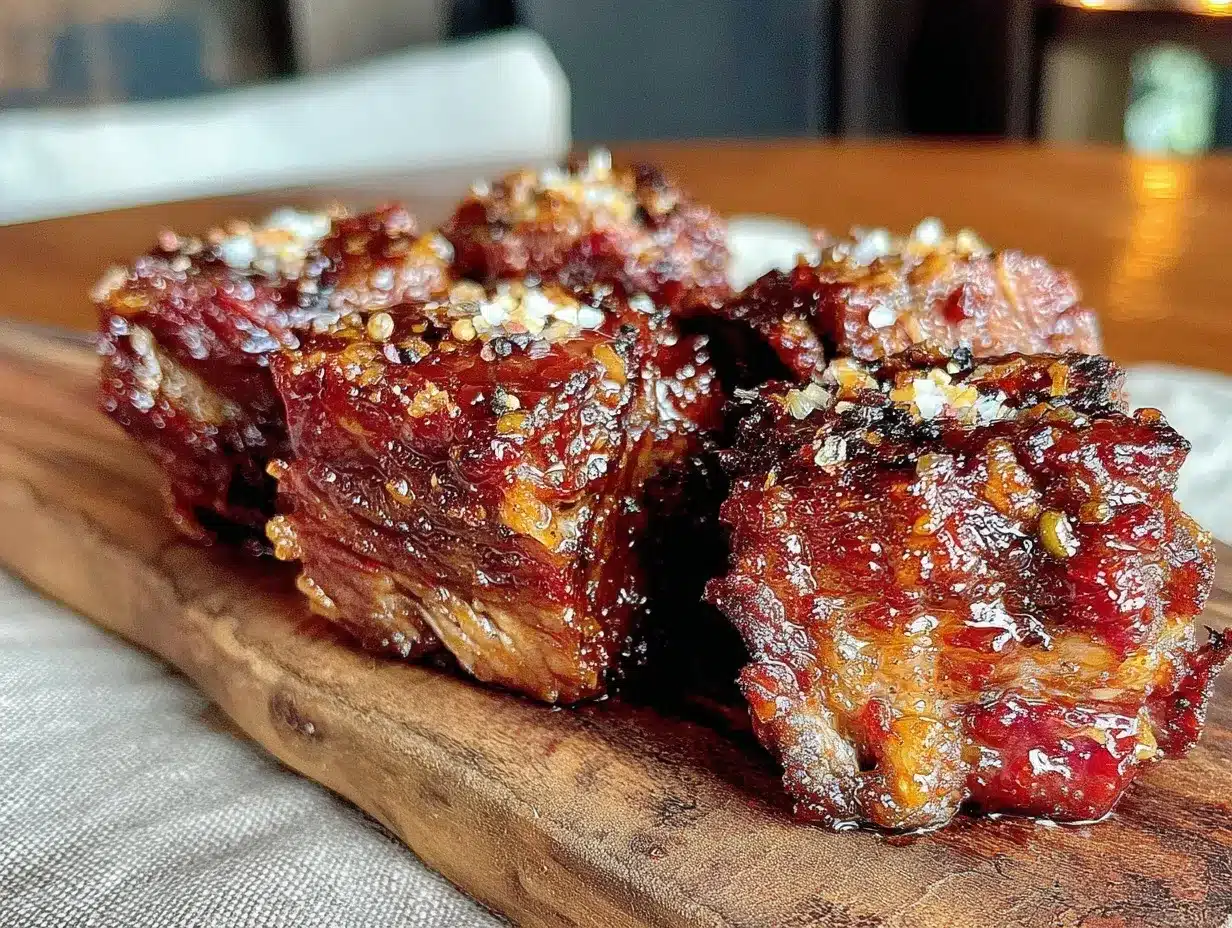
How do I make Kansas City style burnt ends for BBQ parties?
- Prep the Brisket: Trim excess fat from the brisket point, leaving about 1/4 inch (6mm) for flavor. Cut into 2-inch (5cm) cubes. Pat dry with paper towels.
- Rub the Meat: In a mixing bowl, combine 2 tbsp brown sugar, 1 tbsp paprika, 1 tbsp kosher salt, 1 tbsp black pepper, 1 tsp garlic powder, 1 tsp onion powder, 1/2 tsp cayenne (if using), 1/2 tsp ground mustard, and 1 tsp chili powder (optional). Toss brisket cubes in the rub until coated evenly.
- Smoke the Brisket: Preheat your smoker or grill to 250°F (120°C). Place brisket cubes on a wire rack or directly on the grill grates over indirect heat. Smoke for 2 hours, flipping once halfway. You’ll know it’s ready when the bark is deep mahogany and the cubes feel slightly firm to the touch.
- Make the Sauce: While the brisket is smoking, combine 1 cup ketchup, 1/2 cup dark brown sugar, 1/4 cup molasses, 1/4 cup apple cider vinegar, 2 tbsp Worcestershire, 1 tbsp mustard, 1 tsp smoked paprika, 1 tsp garlic powder, 1/2 tsp black pepper, 1/4 tsp liquid smoke, and a pinch of salt in a saucepan. Simmer over medium heat for 10 minutes, stirring often. The sauce should thicken and coat the back of a spoon.
- Sauce and Finish: Transfer smoked brisket cubes to a foil pan or baking sheet. Pour 1 cup (240ml) of BBQ sauce over the cubes and toss gently to coat. Return to smoker or oven, uncovered, at 275°F (135°C) for 30-45 minutes. Stir occasionally so all sides get caramelized. The burnt ends are done when the sauce is sticky and the edges are crispy.
- Rest and Serve: Let the burnt ends rest for 10 minutes before serving. Sprinkle with chopped parsley if you like, and serve with pickles or onions.
Prep Notes: If your brisket cubes are drying out, cover the pan loosely with foil. For extra bark, broil the pan for 2-3 minutes at the end (watch closely). If the sauce thickens too much, splash in a tablespoon of water. I like to use my meat thermometer—target an internal temp of 190-200°F (88-93°C) for maximum tenderness.
Troubleshooting: If the cubes are tough, they need more time. If they’re mushy, you probably used brisket flat or overcooked them; next time, stick with the point. Bark not forming? Try a bit less sauce, and crank up the heat for the last few minutes. Trust your senses—burnt ends should be sticky, smoky, and just a little crispy.
Personal Tip: Prep your rub and sauce ahead of time—makes party days so much easier! If you’re short on time, use a store-bought sauce, but homemade is always worth the extra few minutes.
Cooking Tips & Techniques
Over the years, I’ve learned a thing or two about making savory burnt ends Kansas City style, and let’s face it—not every batch is perfect. Here are my top tips:
- Don’t Rush the Smoke: Low and slow is the name of the game. If you rush, you’ll miss out on that deep smoky flavor and crispy bark. Aim for 250°F (120°C) and check every 30 minutes.
- Crispy Bark is Key: The double-cooking step (smoke, then sauce and caramelize) is what makes burnt ends so special. If your bark isn’t forming, dry the cubes with paper towels before adding sauce and crank up the heat at the end.
- Watch the Sugar: Brown sugar and molasses are great, but they burn fast! Stir the cubes every 10-15 minutes once sauced, and keep an eye on the edges. Burnt ends should be “burnt” in name, not in taste.
- Use a Thermometer: Honestly, guessing doneness by eye is a gamble. I learned the hard way—once I served undercooked burnt ends at a family BBQ, and the disappointment was real. Now, I always check for 190-200°F (88-93°C).
- Timing & Multitasking: Prep your sauce while the brisket smokes. Clean as you go. If you’re serving a crowd, make a double batch and use two pans—less flipping, more eating!
- Consistency Matters: Cut brisket into even cubes for uniform cooking. If some pieces are smaller, pull them out early to avoid drying.
- Personal Lesson: I once tried a shortcut by skipping the second cook—never again. The cubes tasted flat. The extra step is worth it for sticky, crispy burnt ends.
If you’re new to BBQ, don’t stress—burnt ends are forgiving. Just keep an eye on temperature and sauce, and you’ll get that classic Kansas City style flavor every time.
Variations & Adaptations
The beauty of savory burnt ends (Kansas City style) is how flexible the recipe is. You can tweak it to fit dietary needs, seasonal cravings, or just your own taste buds. Here are some fun variations:
- Low-Carb Burnt Ends: Swap the brown sugar for a sugar substitute like Swerve, and use a low-sugar ketchup for the sauce. The flavor stays bold, the carbs drop way down.
- Vegetarian Version: Use smoked jackfruit or portobello mushroom “cubes.” Coat in the same rub and sauce, bake until crispy and caramelized. Not the same as brisket, but surprisingly satisfying!
- Spicy Burnt Ends: Double the cayenne and add a dash of hot sauce to your rub and sauce. Top with jalapeño slices for a fiery kick.
- Oven-Baked Burnt Ends: No smoker? No problem. Bake cubes on a wire rack at 250°F (120°C) for 2 hours, then sauce and broil for crunch. Add liquid smoke for a BBQ boost.
- Seasonal Adaptations: In summer, swap apple cider vinegar for fresh lemon juice and add a handful of chopped chives. In winter, toss in a pinch of cinnamon to the rub for warmth.
- Allergen Substitutes: Gluten-free Worcestershire and mustard are easy to find. For soy-free, skip Worcestershire or use coconut aminos.
My favorite personal twist? I once made burnt ends with honey in the sauce instead of molasses—gives a floral note that’s awesome for spring parties. Don’t be afraid to experiment. The Kansas City style base is solid, and it’s easy to make it your own.
Serving & Storage Suggestions
Hot, sticky burnt ends fresh from the smoker are a thing of beauty, but there’s more than one way to serve them up. Here’s how I like to do it:
- Serving: Serve burnt ends hot, straight off the pan. Pile them on a platter for parties, or stack them in sandwich buns with pickles and onions. They’re killer with coleslaw, potato salad, or classic cornbread. For a Pinterest-worthy presentation, sprinkle with fresh parsley and add a ramekin of extra sauce for dipping.
- Beverages: Pair with iced tea, lemonade, or a cold local beer. The sweet, smoky flavors work well with light, refreshing drinks.
- Storage: Burnt ends keep well in the fridge for up to 4 days. Store in an airtight container, separating layers with parchment to avoid sticking.
- Freezer: For longer storage, freeze burnt ends in single layers. Thaw overnight in the fridge and reheat in a 350°F (175°C) oven for 10-15 minutes, covered with foil to keep them moist.
- Reheating: Microwave is quick, but oven or air fryer keeps the bark crispy. Splash a little water or sauce over the cubes before reheating to prevent dryness.
- Flavor Development: Honestly, burnt ends are best hot, but the flavors deepen after a day in the fridge. Great for making ahead for parties.
Whenever I make a big batch, I save a few for next-day sandwiches—they’re incredible cold, too. Just don’t expect leftovers to last long!
Nutritional Information & Benefits
Here’s a quick look at what you’re getting with savory burnt ends Kansas City style (per serving, about 4oz/115g):
- Calories: ~350
- Protein: 24g
- Fat: 20g (mostly from brisket’s marbling)
- Carbs: 18g (mostly from sauce and rub)
- Sodium: ~600mg
- Fiber: 1g
Health Benefits: Brisket is rich in protein and iron, and the sauce packs antioxidants from tomatoes and paprika. If you use sugar substitutes or gluten-free ingredients, this recipe fits low-carb and gluten-free diets. Just watch for potential allergens in Worcestershire and mustard (some brands contain gluten or soy).
I like knowing what goes into my burnt ends—homemade sauce means less processed sugar, and you can adjust the salt. As a BBQ lover who tries to balance flavor with wellness, this recipe feels like a treat without going overboard.
Conclusion
There’s something downright magical about savory burnt ends Kansas City style. They’re smoky, saucy, and seriously addictive—the kind of recipe that turns a regular BBQ into a legendary event. Whether you’re a pitmaster or a weekend griller, these burnt ends bring everyone to the table. Customize them to your taste, play with the spice, or try a vegetarian twist—there’s no wrong way to enjoy that classic Kansas City flavor.
I love this recipe because it brings people together, sparks conversations, and always leaves everyone smiling (and reaching for seconds). Give it a try, share your own tweaks, and let me know how it goes—drop a comment, pin it to your board, or send me your favorite adaptations. Here’s to more sticky fingers, smoky kitchens, and BBQ memories. You’re going to love every bite!
Frequently Asked Questions
Can I use a different cut of beef for burnt ends?
Yes! Brisket point is best for Kansas City style, but chuck roast works in a pinch. Just make sure it’s well-marbled for tender, juicy results.
Do I need a smoker, or can I use the oven?
You can use your oven—just bake the cubes on a wire rack, add liquid smoke to the sauce, and broil at the end for crispy bark. The flavor is still fantastic!
How do I know when burnt ends are done?
Look for deep mahogany bark, sticky sauce, and an internal temp of 190-200°F (88-93°C). The cubes should be tender but hold their shape.
Can I make burnt ends ahead of time?
Absolutely. Store in the fridge up to 4 days, or freeze for longer. Reheat in the oven with a splash of sauce for best texture.
What’s the best sauce for Kansas City style burnt ends?
Homemade Kansas City BBQ sauce is classic—sweet, tangy, and smoky. If you’re short on time, use your favorite bottled sauce, but homemade is worth the effort!
Pin This Recipe!
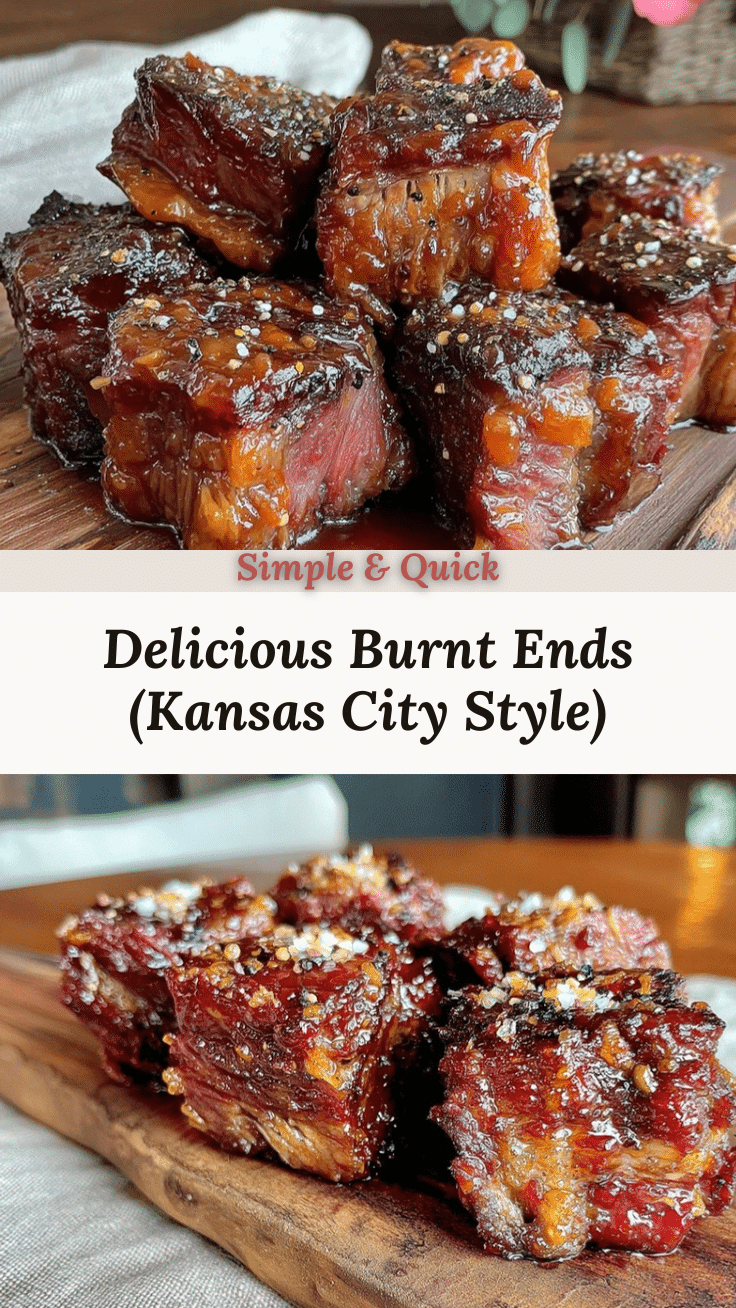
Savory Burnt Ends Kansas City Style Easy BBQ Recipe for Parties
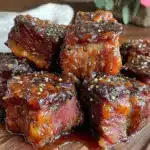
These Kansas City style burnt ends are smoky, caramelized beef cubes coated in a sticky-sweet homemade BBQ sauce. Perfect for parties, these crispy, saucy bites are a crowd-pleasing comfort food that brings classic BBQ flavor to your backyard.
- Prep Time: 20 minutes
- Cook Time: 2 hours 45 minutes
- Total Time: 3 hours 5 minutes
- Yield: 6 servings 1x
- Category: Main Course
- Cuisine: American
Ingredients
- 2 to 3 lbs brisket point (fattier, more flavorful cut; brisket flat or chuck roast can be substituted)
- 2 tbsp brown sugar
- 1 tbsp paprika
- 1 tbsp kosher salt
- 1 tbsp black pepper
- 1 tsp garlic powder
- 1 tsp onion powder
- 1/2 tsp cayenne pepper (optional)
- 1/2 tsp ground mustard
- 1 tsp chili powder (optional)
- 1 cup ketchup
- 1/2 cup dark brown sugar
- 1/4 cup molasses
- 1/4 cup apple cider vinegar
- 2 tbsp Worcestershire sauce
- 1 tbsp yellow mustard
- 1 tsp smoked paprika
- 1 tsp garlic powder
- 1/2 tsp black pepper
- 1/4 tsp liquid smoke (optional)
- Pinch of salt
- Chopped fresh parsley (optional garnish)
- Sliced pickles or onions (optional for serving)
Instructions
- Trim excess fat from the brisket point, leaving about 1/4 inch for flavor. Cut into 2-inch cubes and pat dry with paper towels.
- In a mixing bowl, combine brown sugar, paprika, kosher salt, black pepper, garlic powder, onion powder, cayenne pepper (if using), ground mustard, and chili powder (if using). Toss brisket cubes in the rub until evenly coated.
- Preheat smoker or grill to 250°F. Place brisket cubes on a wire rack or directly on grill grates over indirect heat. Smoke for 2 hours, flipping once halfway, until bark is deep mahogany and cubes feel slightly firm.
- While brisket smokes, combine ketchup, dark brown sugar, molasses, apple cider vinegar, Worcestershire sauce, mustard, smoked paprika, garlic powder, black pepper, liquid smoke (if using), and a pinch of salt in a saucepan. Simmer over medium heat for 10 minutes, stirring often, until sauce thickens.
- Transfer smoked brisket cubes to a foil pan or baking sheet. Pour BBQ sauce over cubes and toss gently to coat. Return to smoker or oven, uncovered, at 275°F for 30-45 minutes, stirring occasionally, until sauce is sticky and edges are crispy.
- Let burnt ends rest for 10 minutes before serving. Sprinkle with chopped parsley and serve with pickles or onions if desired.
Notes
For best results, use brisket point with good marbling. If brisket cubes dry out, cover pan loosely with foil. For extra bark, broil for 2-3 minutes at the end. Use a meat thermometer to check for 190-200°F internal temp. Prep rub and sauce ahead for easier party prep. Store leftovers in fridge up to 4 days or freeze for longer storage.
Nutrition
- Serving Size: About 4 oz (115g) pe
- Calories: 350
- Sugar: 15
- Sodium: 600
- Fat: 20
- Saturated Fat: 8
- Carbohydrates: 18
- Fiber: 1
- Protein: 24
Keywords: burnt ends, Kansas City BBQ, brisket, party food, smoked beef, barbecue, easy BBQ recipe, comfort food, crowd pleaser, homemade BBQ sauce