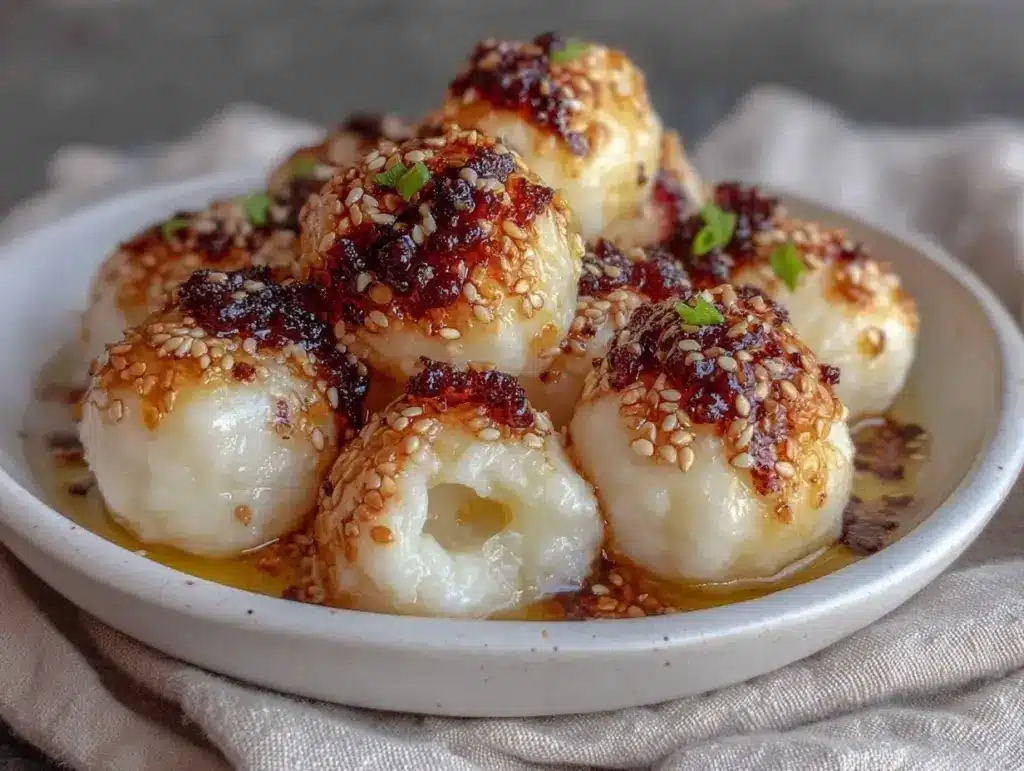
Let me just say, the first time the sweet aroma of toasted black sesame and glutinous rice flour filled my kitchen, it felt like stepping straight into my grandma’s bustling Lunar New Year celebration. You know, that kind of scent that’s both earthy and nutty, a little mysterious, and instantly comforting. As I rolled the soft, pillowy balls between my palms and watched them plunk gently into simmering water, my heart did a little happy dance. Tangyuan isn’t just a dessert—it’s pure, nostalgic comfort wrapped up in every chewy bite.
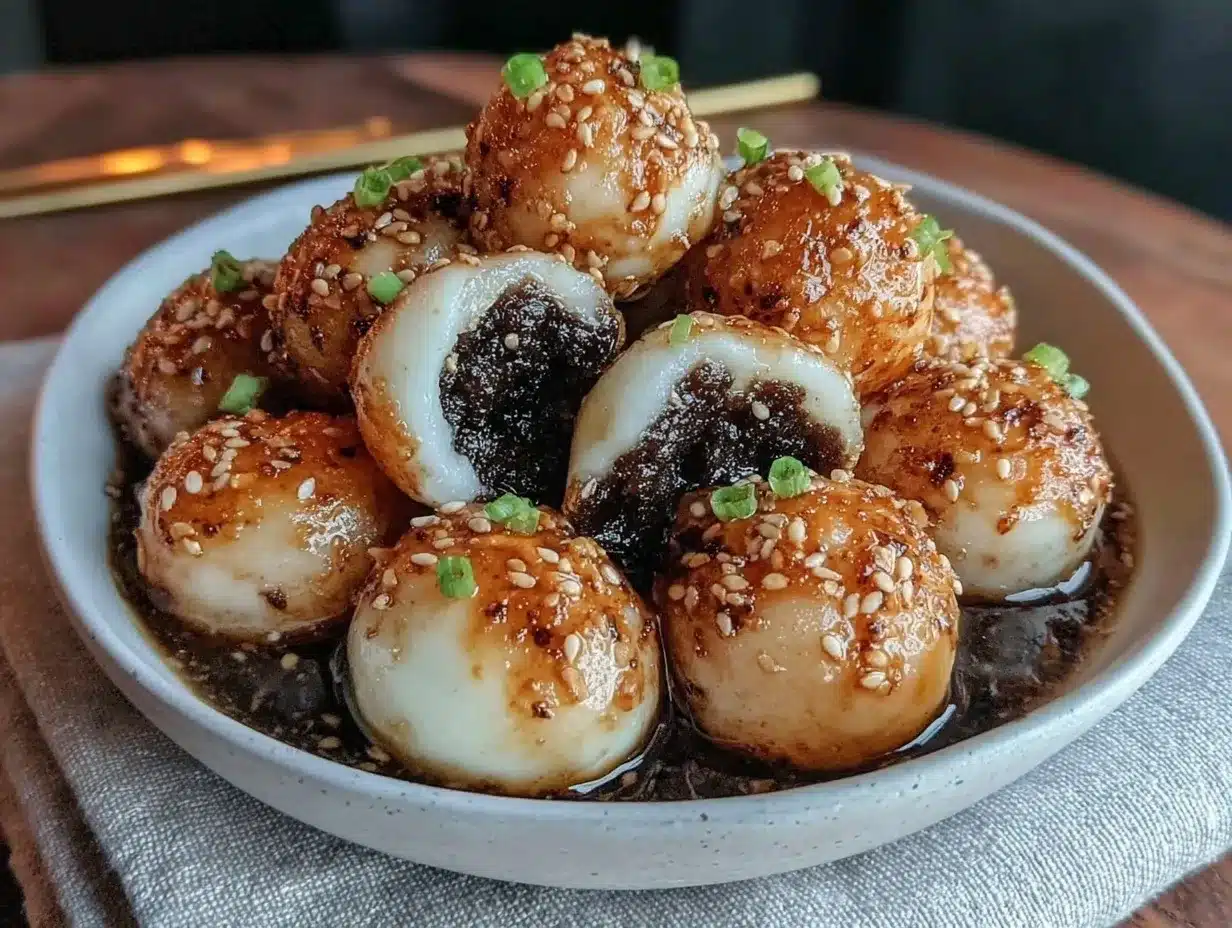
I was knee-high to a grasshopper when my aunt first handed me a warm bowl of sesame tangyuan at a family gathering. The surprise of the creamy black sesame filling bursting out as I bit through the silken rice skin—well, I was instantly hooked! It’s the kind of moment where you pause, take a deep breath, and just smile because you know you’re onto something truly special. Honestly, I wish I’d discovered how easy homemade tangyuan could be years ago. There’s something magical about making them from scratch, especially when you get your hands a little sticky and laugh with your loved ones over imperfect spheres.
Let’s face it, my family can’t stop sneaking these lucky sesame tangyuan off the cooling rack (I can’t really blame them). My kids love rolling the dough—sometimes they make “monster-sized” tangyuan, which, let’s be honest, are just as delicious. They’re perfect for holiday gatherings, cheerful potlucks, or just brightening up your Pinterest dessert board. Every batch I test (in the name of research, of course) turns out better than the last, and now it’s become a staple for family gifting and reunion dinners. If you’re craving a sweet treat that feels like a warm hug and brings a little luck to your table, you’re going to want to bookmark this one. The Lucky Sesame Tangyuan recipe is truly a keeper!
Why You’ll Love This Lucky Sesame Tangyuan Recipe
After countless kitchen trials (and yes, a few messy failures), I can vouch for this recipe’s reliability and downright deliciousness. My experience making tangyuan for both cozy family suppers and bustling holiday parties has taught me all the tricks for getting that perfect chewy texture and creamy, nutty filling. Whether you’re a tangyuan newbie or a seasoned dessert enthusiast, here’s why you’ll love this Lucky Sesame Tangyuan recipe:
- Quick & Easy: Comes together in under 90 minutes, making it totally doable for weeknight desserts or last-minute festive treats.
- Simple Ingredients: You don’t need a trip to a specialty store—just basic glutinous rice flour, black sesame seeds, butter, and sugar. Pantry staples, really!
- Perfect for Celebrations: These tangyuan are quintessential for Lunar New Year, mid-autumn festivals, or any day you need a little extra luck and sweetness.
- Crowd-Pleaser: I’ve watched kids and grownups alike go back for seconds (sometimes thirds). They’re fun to make together, too!
- Unbelievably Delicious: The soft, chewy rice balls paired with the creamy black sesame filling are a flavor combination that’s pure comfort food. It’s the kind of treat that makes you close your eyes after the first bite.
What sets this recipe apart is the tried-and-true technique for ultra-smooth filling—blending toasted black sesame with just enough butter for a luscious, spreadable center. The dough is foolproof, too; no more splitting or leaking in the pot! I’ve balanced the sweetness so it’s not cloying, letting the nutty, roasty flavor of black sesame shine. While tangyuan is traditionally reserved for holidays, there’s no rule saying you can’t make it whenever you need a pick-me-up. It’s a dessert that feels special—no matter the occasion—but won’t keep you stuck in the kitchen all day.
This Lucky Sesame Tangyuan recipe isn’t just good—it’s that rare treat that brings everyone around the table, giggling and sharing stories. It’s comfort food made easier, healthier, and still packed with soul-soothing satisfaction. Whether you want to impress guests or make an ordinary day feel magical, these tangyuan deliver. Trust me, you’ll want to make them again and again.
What Ingredients You Will Need
This recipe uses simple, wholesome ingredients to deliver bold flavor and satisfying texture without the fuss. Most are pantry staples, and you can easily swap a few things if needed. Here’s what you’ll need for perfect lucky sesame tangyuan:
- For the Tangyuan Dough:
- Glutinous rice flour (200g / 7 oz)—the key to chewy, bouncy tangyuan. I always reach for the Mochiko or Erawan brand for consistency.
- Water (about 160ml / 2/3 cup)—room temperature; you might need a splash more or less depending on humidity.
- Granulated sugar (1 tbsp)—adds a gentle sweetness to the dough.
- Pinch of salt—just a touch to balance flavors.
- For the Creamy Black Sesame Filling:
- Black sesame seeds (80g / 2.8 oz)—raw or toasted. Toasting them at home gives the best aroma, trust me!
- Powdered sugar (60g / 2 oz)—for smooth sweetness and easy blending.
- Unsalted butter (50g / 1.8 oz)—softened; you can use coconut oil for a dairy-free version.
- Condensed milk (2 tbsp)—makes the filling extra creamy. Swap with honey or maple syrup if you prefer.
- Pinch of salt—heightens the nutty flavor.
- For Cooking and Serving:
- Water (for boiling)—at least 1.5 liters (6 cups) for a roomy pot.
- Rock sugar or regular sugar (optional, for sweet soup)—about 2 tbsp if you want the classic sweet broth.
- Ginger slices (optional)—a few, if you like a warming kick in the serving soup.
Ingredient Tips: If you can’t find black sesame seeds, look for ground black sesame powder in Asian stores—it works just fine. For gluten-free diets, glutinous rice flour is naturally gluten-free (despite the name!), but double-check packaging. In summer, you can add a few fresh berries to the sweet soup for a colorful twist. If you’re out of condensed milk, a spoonful of thick coconut cream will do the trick. The filling is flexible—adjust sweetness to taste.
Equipment Needed
- Mixing bowls: At least two—one for the dough, one for the filling. I use glass bowls so I can see the texture changes.
- Small blender or food processor: Essential for grinding sesame seeds into a fine, creamy paste. A coffee grinder works in a pinch!
- Fine mesh sieve: For sifting flour or straining filling if needed. Not mandatory, but helpful for silky results.
- Medium saucepan or pot: For boiling the tangyuan. A heavy-bottomed pot helps prevent sticking.
- Slotted spoon: For scooping out tangyuan without breaking them—plastic or metal, either works.
- Measuring cups and spoons: Precision is important for chewy dough and balanced filling.
- Baking sheet or plate: To rest the shaped tangyuan before cooking. I sometimes line mine with parchment for easy transfer.
- Plastic wrap: For covering dough to prevent drying out.
If you don’t have a food processor, you can grind the sesame seeds with a mortar and pestle—it takes some elbow grease, but the flavor is worth it. For small kitchens, use stackable bowls and a shallow pan for boiling. I’ve cracked a few cheap spoons in my time, so investing in a sturdy slotted spoon is smart. Keep your blender blades sharp for smoother filling; a quick rinse after grinding seeds keeps it from getting sticky. Budget-friendly equipment works fine—just treat your tools kindly, and they’ll last through many tangyuan adventures.
Preparation Method
-
Prepare the Black Sesame Filling:
- Toast black sesame seeds in a dry skillet over medium heat for 3-5 minutes, stirring often, until fragrant. (They’ll start to crackle and smell nutty!)
- Let seeds cool for 2 minutes, then transfer to a small blender or food processor. Pulse until finely ground—almost like damp sand.
- Add powdered sugar, softened butter, condensed milk, and a pinch of salt. Blend until smooth and creamy. The filling should hold its shape but still be spreadable.
- Scoop out teaspoon-sized portions (about 8g each), roll into small balls, and chill on a plate in the freezer for 15 minutes. (Chilling helps them stay firm when wrapping.)
-
Make the Tangyuan Dough:
- In a mixing bowl, combine glutinous rice flour (200g), granulated sugar (1 tbsp), and a pinch of salt.
- Slowly pour in water (about 160ml), stirring constantly. Knead until a smooth, pliable dough forms—like soft playdough. If it feels dry, add water by the teaspoon; too sticky, sprinkle a bit more flour.
- Cover dough with plastic wrap and let it rest for 10 minutes. (Resting relaxes the starch and prevents cracking.)
-
Shape the Tangyuan:
- Divide dough into 18 equal pieces (about 15g each). Roll into smooth balls.
- Flatten each ball into a disc about 2 inches wide. Place a chilled filling ball in the center.
- Gently wrap dough around filling, pinching seams to seal. Roll between palms to form a smooth sphere. (If dough cracks, moisten your fingers lightly.)
- Place shaped tangyuan on a lined plate, cover loosely to keep them from drying.
-
Cook the Tangyuan:
- Bring a medium saucepan of water (at least 1.5 liters) to a gentle boil. Add rock sugar and ginger slices if you like a sweet soup base.
- Carefully drop tangyuan into boiling water. Stir gently to prevent sticking.
- Cook for 3-5 minutes, until tangyuan float to the surface. Simmer another 2 minutes to ensure filling is heated through.
- Remove with slotted spoon and serve hot in sweet soup (or plain water).
Troubleshooting: If dough tears easily, try chilling it for a few minutes. Leaky tangyuan? Make sure seams are well-sealed and don’t overfill. If filling oozes out during cooking, freeze balls longer before wrapping. Tangyuan sticking together? Stir gently and give them lots of space in the pot.
Personal Tips: I like to shape all the dough balls first, then fill and seal them assembly-line style—saves time and keeps things neat. Sensory cues help: the perfect dough feels soft but not sticky, and cooked tangyuan will be glossy and bouncy, almost like little moons floating in the soup.
Cooking Tips & Techniques
Here’s what I’ve learned after making tangyuan a dozen times (and cleaning up a few kitchen disasters):
- Toast the Sesame Seeds Just Right: Don’t rush toasting—burnt seeds taste bitter, under-toasted ones lack depth. Aim for a nutty aroma and slight crackling sound.
- Chill the Filling: Cold filling is much easier to wrap and won’t leak. If you’re in a hurry, pop them in the freezer for a short burst.
- Seal Carefully: Pinch and roll the edges patiently. If a seam pops open, patch it with a tiny bit of dough—no shame in imperfect spheres!
- Don’t Overcrowd the Pot: Too many tangyuan in one batch can stick and tear. I divide into two or three batches for best results.
- Gentle Stirring: Right after dropping tangyuan in the water, give a gentle stir to keep them from sticking—but don’t be aggressive, or you risk breaking them.
- Testing for Doneness: Floating is the classic cue, but I always simmer a little longer to make sure the filling gets melty and warm.
Common mistakes? I’ve made them all. Once, I forgot to chill my filling and ended up with a gooey mess. Another time, I used cold water for the dough and it became crumbly. Lesson learned—let ingredients sit at room temp for easy mixing. Multitasking helps: toast sesame seeds while the dough rests, prep filling balls while waiting for water to boil. For consistent size, use a kitchen scale. And if you want ultra-glossy tangyuan, add a splash of oil to the cooking water.
Variations & Adaptations
One of the best parts about this lucky sesame tangyuan recipe is how easily you can customize it. Here are a few ways to switch things up:
- Dietary Variation: For vegan tangyuan, swap butter in the filling for coconut oil and use maple syrup instead of condensed milk. Dough is naturally vegan!
- Seasonal Twist: Add a spoonful of peanut butter to the black sesame filling for a nutty fusion, or mix in a handful of crushed roasted peanuts for crunch.
- Flavor Adventure: Try matcha powder in the dough for a green tea tangyuan, or fill with red bean paste for a classic alternative.
- Cooking Methods: Steam tangyuan instead of boiling for a slightly firmer texture; just place them on parchment-lined steamer trays for 8-10 minutes.
- Allergen Substitutions: For nut allergies, stick with the original sesame filling or use sunflower seed butter as a substitute.
I’ve tried making mini tangyuan with kids—smaller balls mean more fun and bite-sized treats. Sometimes, I add a dash of vanilla or orange zest to the filling for a citrusy punch. Honestly, the possibilities are endless. Mix and match to suit your taste—or create your own lucky tradition!
Serving & Storage Suggestions
Lucky sesame tangyuan are best served piping hot, floating in a fragrant sweet soup. Presentation matters—ladle into small bowls, sprinkle with extra toasted sesame, and maybe add a sprig of mint for flair.
If you’re serving tangyuan at a party, pair them with jasmine tea or a light oolong. For a full dessert spread, offer alongside fresh fruit or almond cookies.
Storage: Leftover tangyuan keep well in an airtight container in the refrigerator for 2 days. To freeze, arrange uncooked tangyuan on a tray, freeze until solid, then transfer to a zip-top bag—cook straight from frozen, adding an extra minute to boiling time. Cooked tangyuan don’t freeze well (they go mushy), so enjoy them fresh when you can.
To reheat, simmer gently in sweet broth until warmed through. Flavors deepen overnight; the sesame filling gets richer and the dough softens. Honestly, day-after tangyuan are kind of a secret treat if you ask me!
Nutritional Information & Benefits
Each lucky sesame tangyuan comes in around 80 calories, with about 3g fat, 12g carbs, and 1g protein (estimated per ball). Black sesame seeds are packed with calcium, magnesium, and antioxidants—great for bone health and a little energy boost.
The glutinous rice flour is naturally gluten-free, making this dessert suitable for gluten-sensitive diets. For lower sugar, you can reduce the powdered sugar in the filling without sacrificing flavor. Potential allergens include butter (dairy) and sesame—so swap accordingly if needed.
From a wellness perspective, tangyuan is a special-occasion treat—enjoy in moderation, and savor every bite. The lucky symbolism and heartwarming flavors make it worth it!
Conclusion
If you’re looking for a dessert that combines tradition, flavor, and a dash of good fortune, this Lucky Sesame Tangyuan recipe is worth every minute. It’s easy to customize for your family’s tastes, comes together faster than you’d think, and brings pure joy to every gathering.
Honestly, I love making these tangyuan because they remind me of cheerful celebrations and cozy evenings with loved ones. You can play with the filling, adjust the sweetness, or even try new shapes—there’s no wrong way to make them your own!
Give this recipe a shot, and let me know how it turns out. Drop a comment with your favorite tangyuan twist, share your creations, or tag me if you post your beautiful bowls on Pinterest! Here’s to more lucky desserts and sweet family memories—happy cooking!
Frequently Asked Questions
Can I make lucky sesame tangyuan ahead of time?
Yes! Shape and freeze uncooked tangyuan on a tray, then transfer to a zip-top bag. Boil straight from frozen when ready to serve.
What if I can’t find glutinous rice flour?
Glutinous rice flour is essential for the chewy texture. Look in Asian grocery stores or online—sweet rice flour (Mochiko) is a good substitute.
Can I use white sesame seeds instead of black?
You can, but black sesame has a deeper, nuttier flavor. If using white, toast them well for best taste.
Is this recipe gluten-free?
Yes, glutinous rice flour is naturally gluten-free. Just check your other ingredients for hidden gluten.
How do I prevent the filling from leaking?
Chill the filling balls well and make sure to seal the dough tightly around them. If dough cracks, patch with a little extra dough and roll smooth.
Pin This Recipe!
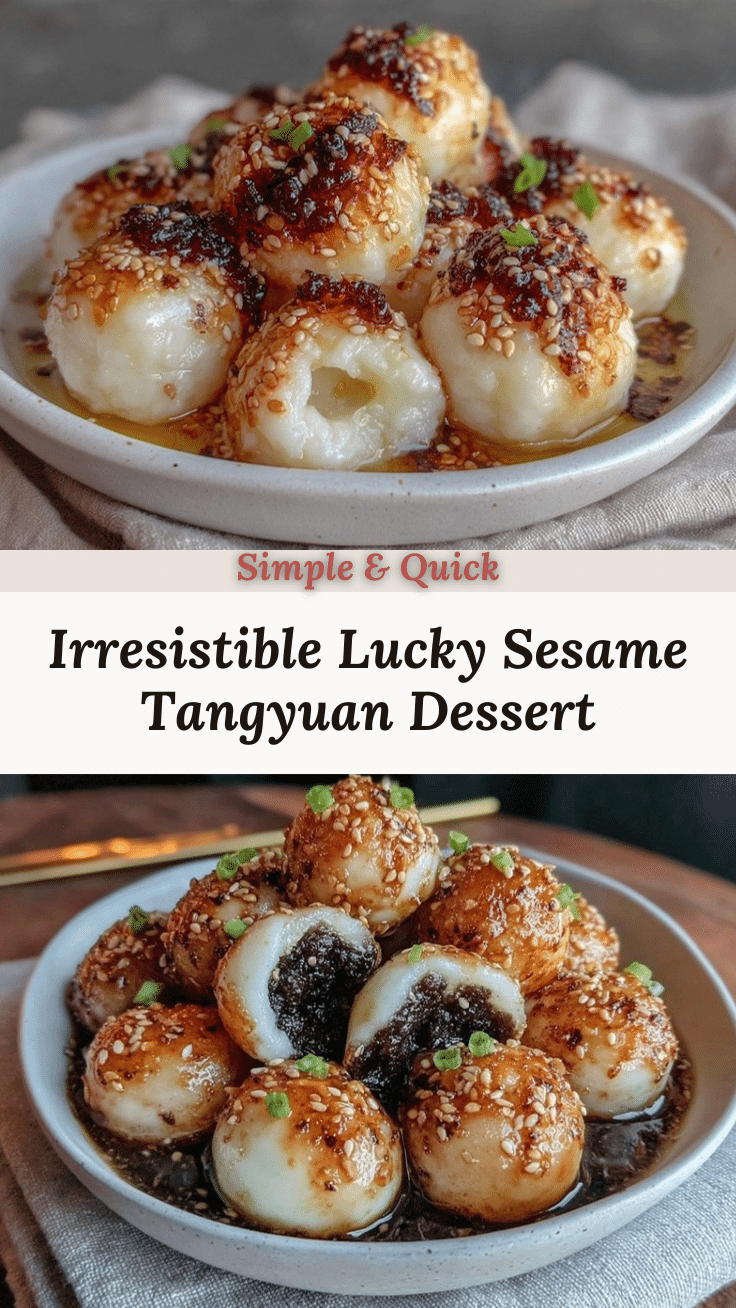
Lucky Sesame Tangyuan
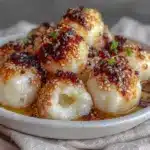
Lucky Sesame Tangyuan are chewy glutinous rice balls filled with creamy black sesame paste, traditionally served in sweet ginger soup for Lunar New Year and festive gatherings. This easy homemade dessert is comforting, nostalgic, and brings a touch of luck to any celebration.
- Prep Time: 45 minutes
- Cook Time: 15 minutes
- Total Time: 1 hour
- Yield: 18 tangyuan (6 servings) 1x
- Category: Dessert
- Cuisine: Chinese
Ingredients
- For the Tangyuan Dough:
- 1 2/3 cups glutinous rice flour (200g)
- 2/3 cup water (160ml), room temperature
- 1 tablespoon granulated sugar
- Pinch of salt
- For the Creamy Black Sesame Filling:
- 1/2 cup black sesame seeds (80g), raw or toasted
- 1/2 cup powdered sugar (60g)
- 3 1/2 tablespoons unsalted butter (50g), softened (or coconut oil for dairy-free)
- 2 tablespoons condensed milk (or honey/maple syrup)
- Pinch of salt
- For Cooking and Serving:
- 6 cups water (for boiling)
- 2 tablespoons rock sugar or regular sugar (optional, for sweet soup)
- A few ginger slices (optional, for serving soup)
Instructions
- Toast black sesame seeds in a dry skillet over medium heat for 3-5 minutes, stirring often, until fragrant.
- Let seeds cool for 2 minutes, then transfer to a small blender or food processor. Pulse until finely ground.
- Add powdered sugar, softened butter, condensed milk, and a pinch of salt. Blend until smooth and creamy.
- Scoop out teaspoon-sized portions (about 8g each), roll into small balls, and chill on a plate in the freezer for 15 minutes.
- In a mixing bowl, combine glutinous rice flour, granulated sugar, and a pinch of salt.
- Slowly pour in water, stirring constantly. Knead until a smooth, pliable dough forms. Adjust water or flour as needed.
- Cover dough with plastic wrap and let it rest for 10 minutes.
- Divide dough into 18 equal pieces (about 15g each). Roll into smooth balls.
- Flatten each ball into a disc about 2 inches wide. Place a chilled filling ball in the center.
- Gently wrap dough around filling, pinching seams to seal. Roll between palms to form a smooth sphere.
- Place shaped tangyuan on a lined plate, cover loosely to keep them from drying.
- Bring a medium saucepan of water (at least 6 cups) to a gentle boil. Add rock sugar and ginger slices if desired.
- Carefully drop tangyuan into boiling water. Stir gently to prevent sticking.
- Cook for 3-5 minutes, until tangyuan float to the surface. Simmer another 2 minutes to ensure filling is heated through.
- Remove with slotted spoon and serve hot in sweet soup or plain water.
Notes
For vegan tangyuan, use coconut oil and maple syrup in the filling. Chill the filling balls well before wrapping to prevent leaks. Toast sesame seeds until fragrant but not burnt. Tangyuan are best served hot in sweet ginger soup. Freeze uncooked tangyuan for make-ahead convenience. Use a kitchen scale for consistent size.
Nutrition
- Serving Size: 3 tangyuan per servi
- Calories: 80
- Sugar: 5
- Sodium: 20
- Fat: 3
- Saturated Fat: 1.5
- Carbohydrates: 12
- Fiber: 1
- Protein: 1
Keywords: tangyuan, sesame, Lunar New Year, Chinese dessert, glutinous rice, black sesame, sweet soup, festive, chewy, homemade