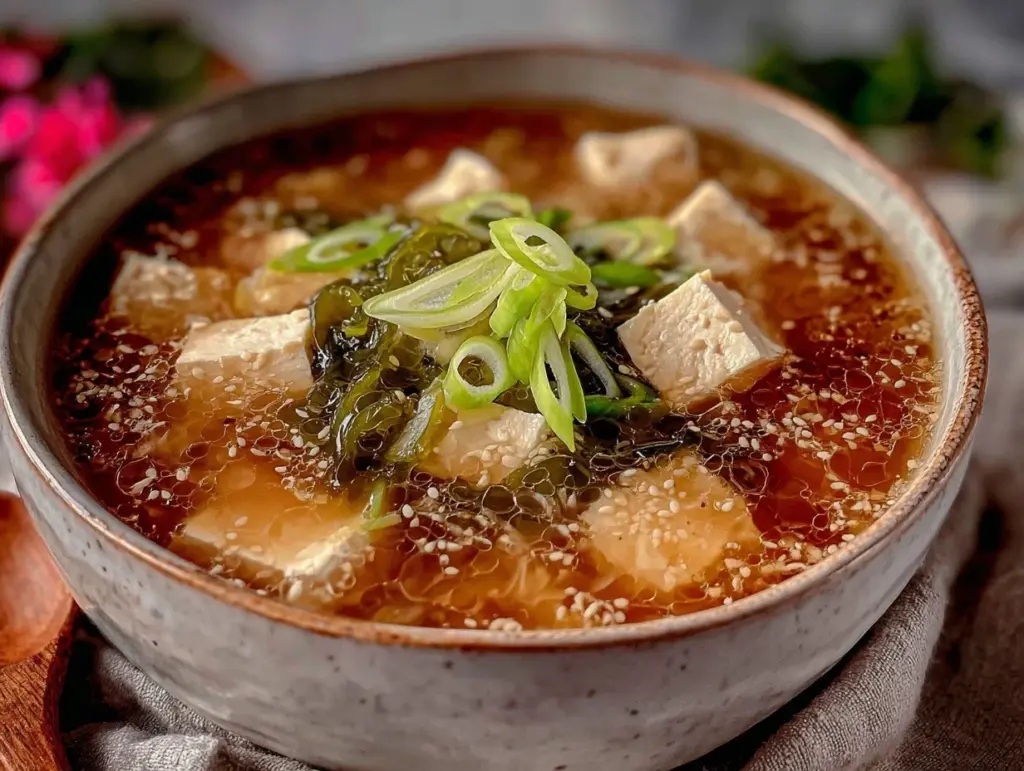
“You know that feeling when your stomach just feels off, and nothing seems to settle it?” Well, I found myself there one chilly Wednesday evening, surrounded by takeout boxes and a cluttered kitchen. I wasn’t planning on turning into a soup person that day, honestly. But then, as I rummaged through my fridge, my eyes landed on a jar of miso paste and a small knob of fresh ginger I’d forgotten about. Something about the warmth and the zing called to me.
I wasn’t expecting much. I mean, miso soup always seemed like something you order at sushi restaurants, not whip up in your own kitchen. But I gave it a shot — with a little twist: extra ginger for that gut-loving kick. The result? A bowl of comfort that felt like a gentle hug for my digestive system. It was soothing, light, and surprisingly satisfying. Maybe you’ve been there too, craving something simple yet nurturing after a long day or a bout of tummy trouble.
That night, with a cracked ceramic bowl in hand and a slightly messy countertop (because, let’s face it, I forgot to chop the ginger finely the first time), I realized this Healthy Gut-Healing Miso Soup with Ginger wasn’t just about flavor. It was about wellness, warmth, and a recipe that stuck with me for all the right reasons.
Why You’ll Love This Recipe
This healthy gut-healing miso soup recipe with ginger isn’t your average quick fix. Having made and refined it countless times, I can vouch for its balance of flavor and function. Here’s why I keep coming back to it:
- Quick & Easy: Ready in under 20 minutes, it’s perfect for busy evenings or when you need a soothing pick-me-up.
- Simple Ingredients: You likely have these staples in your kitchen — miso paste, fresh ginger, seaweed — no hunting down rare items required.
- Perfect for Digestive Wellness: Ginger’s natural anti-inflammatory properties combined with the probiotics in miso make this a gentle healer.
- Crowd-Pleaser: Even folks skeptical about miso soup have given this a thumbs up, thanks to the fresh ginger zing.
- Unbelievably Delicious: The savory depth of miso paired with the warm spice of ginger creates a comforting broth you’ll crave.
What makes this version stand out is the extra attention to digestion — not just flavor. I blend in just the right amount of ginger so it’s warming without overpowering, and I always use a white or yellow miso for a milder, sweeter taste that’s easy on the stomach. I’ve tested this with friends who swear by it after a heavy meal or a rough travel day. Honestly, it feels like a little wellness ritual in a bowl.
What Ingredients You Will Need
This recipe uses simple, wholesome ingredients to deliver bold flavor and satisfying texture without the fuss. Most are pantry staples or easily accessible at your local grocery or Asian market.
- White or Yellow Miso Paste (about 3 tablespoons) – I recommend brands like Hikari or Miso Master for a clean, smooth flavor.
- Fresh Ginger (1 tablespoon, grated) – Adds a gentle warmth and aids digestion.
- Dashi Stock (4 cups / 950 ml) – Traditional Japanese broth made from kombu seaweed and bonito flakes; can substitute with vegetable broth for vegetarian option.
- Soft Tofu (1/2 cup, cubed) – Silken or soft tofu works best for smooth texture.
- Dried Wakame Seaweed (1 tablespoon) – Rehydrates quickly and adds umami richness.
- Green Onions (2 stalks, thinly sliced) – For a fresh, mild bite on top.
- Water (as needed) – To adjust consistency if desired.
- Optional: Sesame Seeds (1 teaspoon) – Toasted for a nutty finish.
For substitutions, you can swap the tofu for mushrooms if you prefer a different texture, or use gluten-free tamari instead of regular miso for gluten-sensitive diets. If ginger is too strong for you, start with half the amount and adjust to your taste.
Equipment Needed
- Medium Saucepan – A 2-quart (2-liter) saucepan works well for simmering broth.
- Fine Grater or Microplane – For easily grating fresh ginger without large chunks.
- Whisk or Small Ladle – To dissolve miso paste smoothly into the broth.
- Measuring Spoons and Cups – For accurate ingredient amounts.
- Sharp Knife and Cutting Board – For prepping tofu and green onions.
If you don’t have a microplane, a small box grater or even the side of a knife can work for ginger, though it might take a little more effort. I personally love using a ceramic whisk for the miso because it doesn’t react with the paste like metal can. For budget-friendly options, basic stainless steel saucepans and wooden spoons do the trick perfectly.
Preparation Method
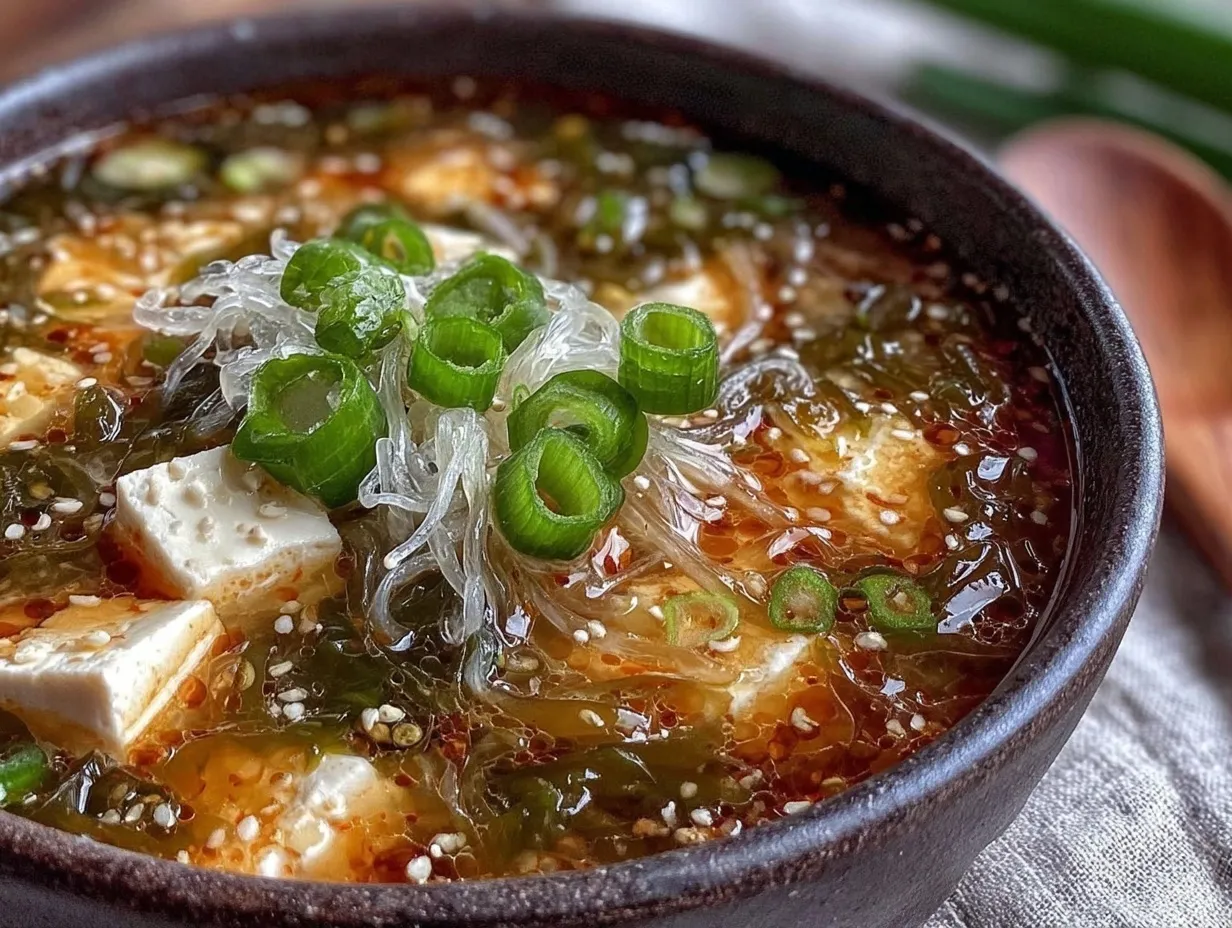
- Prepare the Dashi Stock (10 minutes): Pour 4 cups (950 ml) of water into your saucepan. Add a 4-inch (10 cm) piece of kombu seaweed (if using) and bring to a gentle simmer over medium heat. Remove kombu just before the water boils to avoid bitterness. Add a handful of bonito flakes and simmer for 2 minutes, then strain. (If using vegetable broth, simply heat it up.)
- Rehydrate Wakame Seaweed (5 minutes): Place 1 tablespoon of dried wakame in a small bowl with warm water. Let it soak until it expands and softens, about 5 minutes. Drain and chop roughly. You’ll notice it turns a vibrant green and swells up nicely.
- Grate Fresh Ginger: Using your microplane, grate about 1 tablespoon of fresh ginger. You want fine pieces so the flavor infuses evenly without biting into chunks.
- Warm the Broth: Return the dashi stock to the stove on low heat. Stir in grated ginger and wakame seaweed. Let it gently warm for 3 minutes, allowing the flavors to mingle. Avoid boiling, as high heat can kill the beneficial probiotics in miso.
- Dissolve Miso Paste: In a small bowl, ladle about 1 cup (240 ml) of warm broth. Add 3 tablespoons of miso paste and whisk until smooth. This prevents lumps. Slowly stir the miso mixture back into the saucepan.
- Add Tofu: Gently fold in 1/2 cup (120 grams) of cubed soft tofu. Let it warm through for 2-3 minutes on low heat. The soup should be steamy but not boiling.
- Final Touch: Ladle soup into bowls and sprinkle with thinly sliced green onions and toasted sesame seeds if using. Serve immediately for the best flavor and gut benefits.
Note: If your miso paste is too salty, add a splash of water to balance it out. The aroma should be aromatic with a fresh ginger zing, and the broth should look clear with soft tofu cubes floating gently.
Cooking Tips & Techniques
One thing I learned the hard way: miso paste should never boil. Boiling kills the delicate probiotics that make this soup gut-healing. Keep your soup just below a simmer to preserve those benefits.
Grating ginger finely is crucial. Big chunks can overpower the broth with a harsh bite. Also, fresh ginger is more pungent than dried, so adjust the amount if you’re sensitive to spice.
When dissolving miso, always use a small amount of warm broth first rather than dumping it straight into the pot. This prevents clumps and gives a smoother texture.
Timing-wise, multitasking helps. While your dashi simmers, soak the wakame and prep your tofu and green onions. It keeps things flowing smoothly and saves time.
Finally, use a gentle hand with tofu. Stir it in carefully to avoid breaking the cubes apart. Soft tofu adds a velvety texture that’s part of what makes this soup so comforting.
Variations & Adaptations
- Vegan Version: Use vegetable broth instead of dashi and skip bonito flakes. Add extra seaweed or mushrooms for umami depth.
- Seasonal Twist: In cooler months, toss in thinly sliced shiitake mushrooms or baby spinach for added nutrients and flavor.
- Spicy Ginger Boost: Add a pinch of red pepper flakes or a few drops of chili oil to amp up the heat without losing the soothing qualities.
- Low-Sodium: Opt for low-sodium miso paste and adjust salt in broth accordingly to keep it light on salt.
- Personal Favorite: I sometimes add a splash of coconut aminos in place of soy sauce for a slightly sweet, deeper flavor that’s also gluten-free.
Serving & Storage Suggestions
This miso soup is best served hot, right after preparation, to enjoy the full benefits of the probiotics and fresh ginger aroma. I like to serve it as a starter alongside steamed rice and lightly pickled vegetables for a balanced, gut-friendly meal.
If you have leftovers, store the soup (without green onions) in an airtight container in the refrigerator for up to 2 days. Reheat gently on the stove; avoid boiling to protect the beneficial enzymes.
Note that the flavors deepen after resting, so sometimes I make this in advance and find it tastes even richer the next day. Just add fresh green onions and a splash of water or broth to refresh the consistency when reheating.
Nutritional Information & Benefits
Per serving (approximate): 120 calories, 6g protein, 4g fat, 10g carbohydrates, 2g fiber.
This soup shines with digestive benefits: miso paste provides probiotics that help balance gut flora, while ginger reduces inflammation and eases nausea. Wakame seaweed adds iodine and minerals essential for thyroid health.
It’s naturally gluten-free if you choose gluten-free miso, low in calories, and dairy-free. A nourishing choice for those aiming to soothe digestive discomfort or support overall gut health without heavy ingredients.
Conclusion
If you’re looking for a cozy, gut-friendly recipe that’s quick and satisfying, this Healthy Gut-Healing Miso Soup with Ginger fits the bill perfectly. It’s simple yet thoughtfully crafted to support digestion and deliver comforting flavors that feel like a gentle reset.
Feel free to tweak the ginger level or add your favorite veggies to make it truly yours. Honestly, this soup has become my go-to whenever my stomach needs a little extra care — and I hope it becomes yours too.
Give it a try, share your tweaks in the comments, and don’t hesitate to pass it along to friends who need a little kitchen kindness. Here’s to happy tummies and warm bowls!
FAQs
Can I use instant miso soup packets instead of fresh miso paste?
Instant packets often contain preservatives and less probiotic activity. Fresh miso paste is best for gut-healing benefits and richer flavor.
Is it okay to use dried ginger if I don’t have fresh?
Dried ginger lacks the same digestive enzymes and freshness, so fresh ginger is recommended for this recipe’s healing properties.
Can I make this soup ahead of time?
You can prep the broth and ingredients in advance, but add miso paste and tofu just before serving to preserve probiotics and texture.
What if I’m allergic to soy?
Try substituting tofu with cooked mushrooms and look for soy-free miso alternatives, though traditional miso is soy-based.
How spicy is the ginger in this soup?
The ginger adds a gentle warmth, not heat. You can adjust the amount to your comfort level, starting with half a tablespoon if you prefer milder flavors.
Pin This Recipe!

Healthy Gut-Healing Miso Soup Recipe with Ginger for Digestive Wellness

A soothing and gut-friendly miso soup enhanced with fresh ginger, soft tofu, and seaweed, designed to support digestive wellness with probiotics and anti-inflammatory benefits.
- Prep Time: 10 minutes
- Cook Time: 10 minutes
- Total Time: 20 minutes
- Yield: 4 servings 1x
- Category: Soup
- Cuisine: Japanese
Ingredients
- 3 tablespoons white or yellow miso paste
- 1 tablespoon fresh ginger, grated
- 4 cups (950 ml) dashi stock (or vegetable broth for vegetarian option)
- 1/2 cup (120 grams) soft tofu, cubed
- 1 tablespoon dried wakame seaweed
- 2 stalks green onions, thinly sliced
- Water as needed to adjust consistency
- Optional: 1 teaspoon toasted sesame seeds
Instructions
- Prepare the dashi stock: Pour 4 cups (950 ml) of water into a medium saucepan. Add a 4-inch piece of kombu seaweed and bring to a gentle simmer over medium heat. Remove kombu just before boiling to avoid bitterness. Add a handful of bonito flakes and simmer for 2 minutes, then strain. (If using vegetable broth, simply heat it up.)
- Rehydrate wakame seaweed: Place 1 tablespoon dried wakame in a small bowl with warm water. Soak for about 5 minutes until softened. Drain and chop roughly.
- Grate fresh ginger finely using a microplane or fine grater.
- Warm the broth on low heat. Stir in grated ginger and wakame seaweed. Let warm gently for 3 minutes without boiling.
- In a small bowl, ladle about 1 cup (240 ml) of warm broth. Add 3 tablespoons miso paste and whisk until smooth. Slowly stir the miso mixture back into the saucepan.
- Gently fold in 1/2 cup cubed soft tofu. Warm through for 2-3 minutes on low heat, keeping the soup steamy but not boiling.
- Ladle soup into bowls and garnish with thinly sliced green onions and toasted sesame seeds if using. Serve immediately.
Notes
Do not boil the soup after adding miso paste to preserve probiotics. Grate ginger finely to avoid overpowering the broth. Dissolve miso paste in warm broth before adding to prevent lumps. Use gentle stirring when adding tofu to keep cubes intact. Adjust ginger amount to taste. For vegan version, use vegetable broth and omit bonito flakes. Store leftovers without green onions in airtight container for up to 2 days and reheat gently.
Nutrition
- Serving Size: 1 cup (approximate)
- Calories: 120
- Fat: 4
- Carbohydrates: 10
- Fiber: 2
- Protein: 6
Keywords: miso soup, gut healing, digestive wellness, ginger soup, healthy soup, probiotic soup, Japanese soup, tofu soup, wakame seaweed