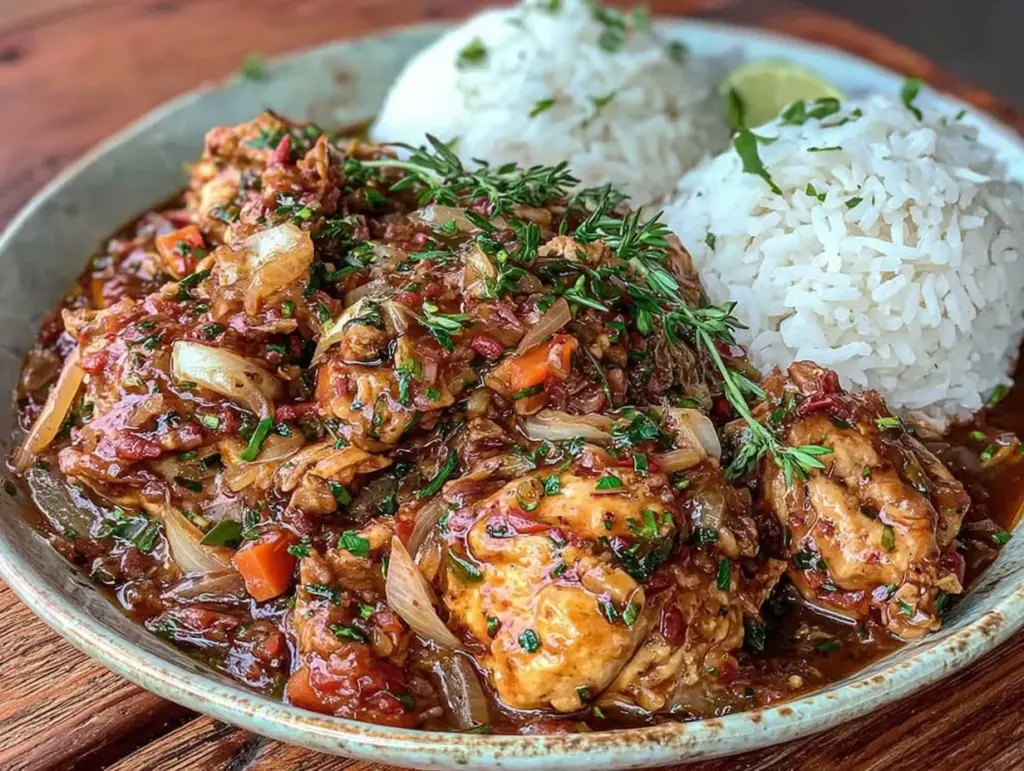
“You wouldn’t expect a curry recipe to come from a late-night kitchen mess, but here we are,” I said to myself last Thursday evening. I was rummaging through the fridge with that familiar hunger pang—too tired to plan, too hungry to wait. I grabbed what I thought was a simple chicken stew mix, but I’d confused the curry roux block with a forgotten piece of cheese. Yes, seriously. The result? A creamy, rich Japanese chicken curry rice that I couldn’t stop spooning into my mouth. Maybe you’ve been there—one of those moments where a culinary “oops” turns into a new favorite.
The sizzle of chicken hitting the pan, the thick, luscious sauce bubbling away, and the warm aroma filling the kitchen—this dish is comfort on a plate. I remember my neighbor, Mr. Saito, popping his head over the fence that night, drawn by the scent. He chuckled, “That’s real home cooking!” And honestly, it stuck with me since. This Japanese chicken curry rice with creamy sauce isn’t just any curry—it’s the kind that hugs your taste buds and feels like a gentle pat on the back after a long day.
So, if you want a dish that’s unpretentious, soothing, and surprisingly easy to make (even if you make a mess or two), this recipe might just be your new go-to. I promise, it’s worth every minute you spend stirring that sauce to perfection.
Why You’ll Love This Recipe
From my countless kitchen trials and a few “almost disasters,” this Japanese chicken curry rice recipe has become a solid favorite. Here’s why you’ll want to make it again and again:
- Quick & Easy: Ready in under 40 minutes, making it perfect for those busy weeknights when you want comfort without the fuss.
- Simple Ingredients: No need to hunt down exotic spices; you likely have most of what’s needed in your pantry already.
- Perfect for Cozy Dinners: Whether it’s a chilly evening or a lazy weekend, this dish hits the spot every time.
- Crowd-Pleaser: I’ve served this to picky eaters and enthusiastic foodies alike—it always gets rave reviews.
- Unbelievably Delicious: The creamy sauce balances savory and sweet with a gentle spice kick that’s just right.
What makes this version stand out is the creamy sauce technique—blending a touch of milk and butter right into the curry roux, creating a velvety texture that’s not too heavy. Plus, the seasoning is spot-on, with a little hint of sweetness from grated apple, which I swear is the secret to that mouthwatering depth of flavor. It’s comfort food, reimagined with a twist that feels nostalgic yet fresh.
This isn’t just a recipe; it’s a little moment of joy in your day, the kind that makes you close your eyes after the first bite and smile. Honestly, it’s the kind of dish that makes you want to invite friends over just so you can share it.
What Ingredients You Will Need
This recipe uses simple, wholesome ingredients to deliver bold flavor and satisfying texture without the fuss. Most are pantry staples, with a few fresh items that bring everything together beautifully.
- For the Chicken Curry:
- Chicken thighs (boneless, skinless), 1.5 lbs (700 g), cut into bite-sized pieces (juicy and tender)
- Onion, 1 large, thinly sliced (adds sweetness and depth)
- Carrots, 2 medium, peeled and sliced into rounds
- Potatoes, 2 medium, peeled and cubed (Yukon Gold recommended for creaminess)
- Grated apple, 1 small (adds subtle sweetness, optional but recommended)
- Garlic cloves, 2, minced (for that inviting aroma)
- Ginger, 1-inch piece, grated (fresh zing)
- Japanese curry roux blocks, 1 package (about 100 g) – I like using S&B brand for consistent flavor
- Chicken stock, 3 cups (720 ml) – homemade or low-sodium store-bought
- Butter, 2 tbsp (adds richness and smooth texture)
- Milk, 1/2 cup (120 ml), preferably whole milk (makes the sauce creamy but not heavy)
- Vegetable oil, 2 tbsp (for sautéing)
- Salt and pepper to taste
- For Serving:
- Cooked Japanese short-grain rice, 4 cups (about 720 g cooked) (sticky and perfect for scooping the curry)
- Fukujinzuke (Japanese pickled vegetables) or rakkyo (pickled shallots), optional for garnish
Substitutions? Use chicken breasts if you prefer leaner meat, but thighs keep the curry juicy. For a dairy-free twist, swap milk with coconut milk and butter with olive oil. And if you can’t find Japanese curry roux, mild Indian curry powder mixed with flour and a bit of garam masala can work in a pinch, though the flavor will be different.
Equipment Needed
- Large heavy-bottomed pot or Dutch oven – for even heat and simmering the curry without burning
- Wooden spoon or heatproof spatula – best for stirring thick sauces
- Sharp knife and cutting board – for prepping vegetables and chicken
- Measuring cups and spoons – to keep the seasoning balanced
- Grater – for the apple and ginger
- Rice cooker or pot – for perfectly cooked Japanese short-grain rice
If you don’t have a Dutch oven, a heavy skillet with a lid works okay but watch the heat carefully. I once tried using a nonstick pan and the sauce stuck a bit, so I recommend a sturdy pot. Also, I keep my wooden spoons well oiled to prevent cracking—simple but keeps them lasting for years.
Preparation Method
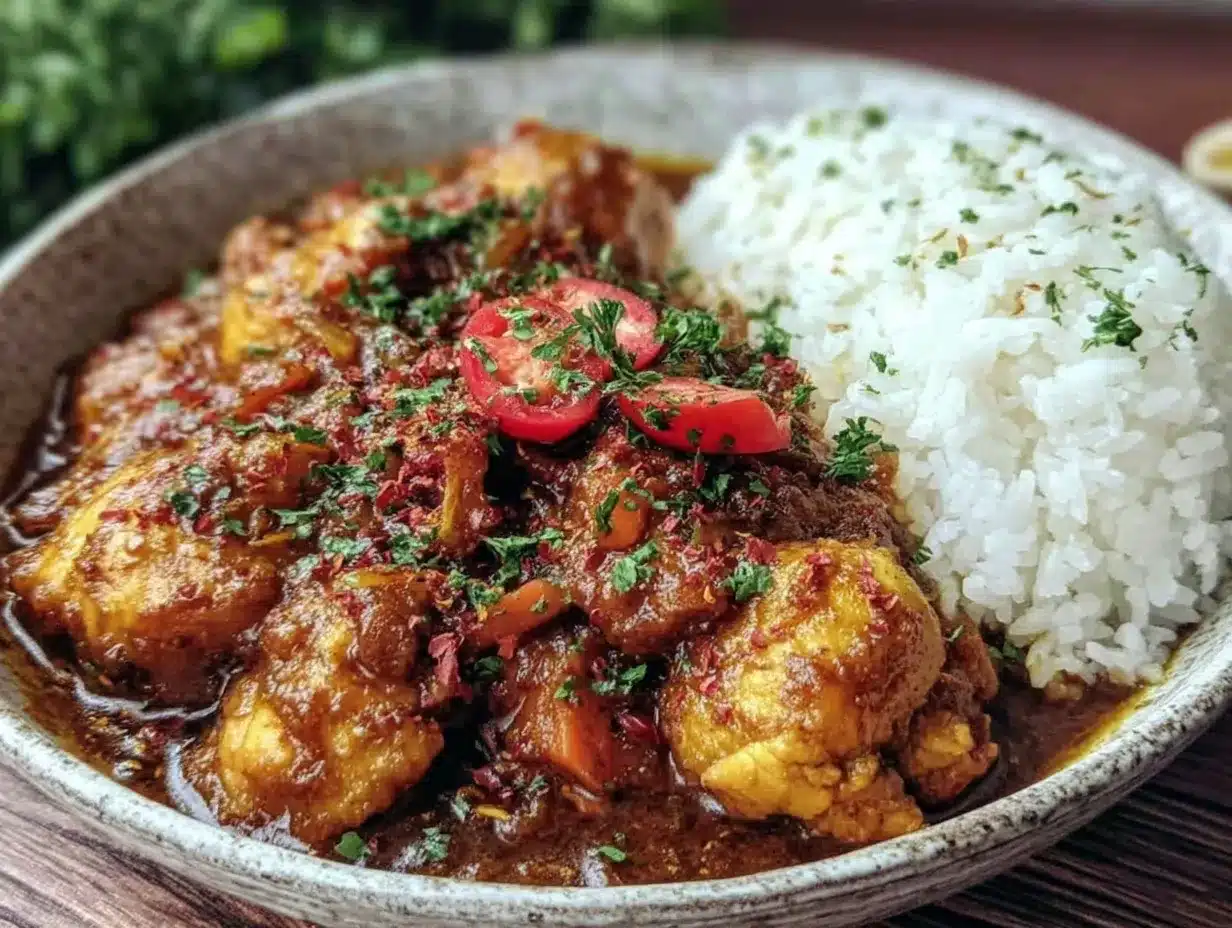
- Prep your ingredients (10 minutes): Slice the onion thinly, peel and cut carrots and potatoes into bite-sized pieces, grate the apple, garlic, and ginger. Cut chicken thighs into even chunks for even cooking.
- Sauté the aromatics and chicken (8-10 minutes): Heat 2 tablespoons of vegetable oil in your pot over medium heat. Add the onions and cook until translucent and slightly caramelized, about 5 minutes. Toss in the garlic and ginger, stirring for 1 minute until fragrant. Add the chicken pieces, season with a pinch of salt and pepper, and cook until they start to brown, about 4-5 minutes.
- Add vegetables and stock (5 minutes): Stir in carrots, potatoes, and grated apple. Pour in 3 cups (720 ml) of chicken stock, and bring everything to a gentle boil. Lower the heat to a simmer, cover, and let it cook for 15-20 minutes until the vegetables are tender and the chicken is cooked through.
- Incorporate the curry roux (5 minutes): Break the curry roux blocks into smaller pieces and add them to the pot. Stir gently until the roux completely dissolves and thickens the sauce. Keep the heat low to avoid burning or sticking. The sauce will become glossy and rich.
- Finish with butter and milk (2-3 minutes): Stir in 2 tablespoons of butter and 1/2 cup (120 ml) milk to make the sauce creamy and smooth. Taste and adjust seasoning with salt and pepper if needed. Let it simmer gently for another 2-3 minutes, stirring to combine all flavors.
- Serve hot over steamed Japanese rice: Scoop generous portions of curry and spoon over fluffy rice. Garnish with fukujinzuke or rakkyo if you like a tangy contrast.
Tip: If the sauce is too thick, add a splash of stock or milk to loosen it. If it’s too thin, simmer uncovered for a few minutes until it thickens to your liking. The texture should coat the back of a spoon nicely.
Cooking Tips & Techniques
One key to this Japanese chicken curry rice recipe is patience when sautéing the onions. Let them cook low and slow until golden; it builds the sauce’s foundation. I’ve rushed this part before and ended up with a less flavorful curry, so trust me, it’s worth the wait.
When adding the roux, keep the heat gentle. Too high, and it can burn or clump, ruining that silky texture. Stirring slowly and consistently prevents lumps and gives you that classic smooth sauce we all crave.
Also, cutting the chicken into uniform pieces ensures even cooking—no one wants those chewy bits! If you’re juggling dinner with other tasks, prep your veggies ahead or use a timer for each simmer stage. Multitasking in the kitchen is an art, but don’t rush the simmer; that’s when flavors fully develop.
If your curry tastes flat, a small pinch of garam masala or a dash of soy sauce can lift it. I learned this the hard way after a few bland batches. Lastly, don’t skip the grated apple—it adds a subtle sweetness that balances the savory and spicy notes perfectly.
Variations & Adaptations
- Vegetarian version: Swap chicken for firm tofu or hearty vegetables like eggplant and mushrooms. Use vegetable stock instead of chicken stock.
- Spice it up: Add a teaspoon of chili powder or sliced fresh chili for some heat. Adjust the amount based on your spice tolerance.
- Low-carb adaptation: Serve the curry over cauliflower rice or shirataki noodles for a lighter meal. The creamy sauce pairs surprisingly well with these substitutes.
- Seasonal twist: In autumn, try adding roasted pumpkin or sweet potato cubes instead of regular potatoes for extra sweetness and texture.
- Personal favorite: I once stirred in a spoonful of smooth peanut butter at the end for a nutty undertone that my family went crazy over. It sounds odd, but trust me on this one!
Serving & Storage Suggestions
Serve your Japanese chicken curry rice steaming hot, right from the pot. The creamy sauce looks beautiful spooned generously over shiny white rice. Add a side of crisp pickled vegetables (like fukujinzuke) for a vinegary contrast that cuts through the richness.
This dish pairs wonderfully with a light green salad or steamed greens for balance. A cold glass of iced green tea or a mild lager complements the creamy curry without overwhelming your palate.
Leftovers store well in an airtight container in the refrigerator for up to 3 days. When reheating, add a splash of milk or stock to loosen the sauce and gently warm on the stove to keep the texture smooth. You can also freeze portions for up to a month; thaw overnight in the fridge before reheating.
Flavors often deepen after resting, so don’t be surprised if the curry tastes even better the next day—just like most good stews.
Nutritional Information & Benefits
This Japanese chicken curry rice recipe offers a balanced meal with protein from chicken, vitamins from vegetables, and comforting carbs from rice. A typical serving provides approximately:
| Calories | 520 kcal |
|---|---|
| Protein | 35 g |
| Carbohydrates | 50 g |
| Fat | 15 g |
| Fiber | 6 g |
Key ingredients like ginger and garlic contribute antioxidants and immune-boosting properties, while the potatoes and carrots add fiber and nutrients. Using chicken thighs ensures a juicy texture and good source of iron and B vitamins.
This recipe can be adapted for gluten-free diets by selecting gluten-free curry roux or making your own blend, and the dairy can be swapped for plant-based alternatives. Just watch out for potential allergens in store-bought curry roux mixes, which sometimes contain wheat or dairy.
For me, this dish is a wholesome way to enjoy a comforting meal without guilt—satisfying both body and soul.
Conclusion
So, there you have it—a Japanese chicken curry rice recipe that’s simple, creamy, and packed with flavor. Whether you’re new to Japanese cooking or just looking for a cozy dinner idea, this dish delivers without fuss. Feel free to customize the veggies, spice level, or even add your own twist—cooking is all about making a recipe your own.
I love this recipe because it reminds me that sometimes, the best meals come from happy accidents and a bit of kitchen spontaneity. If you try it, please let me know how it goes—did you sneak an extra spoonful when no one was watching? Did you try a unique variation? I’m all ears!
Don’t forget to share this recipe with friends who appreciate a good, comforting meal and leave a comment below with your favorite curry hacks. Here’s to creamy sauce bliss and many cozy dinners ahead!
FAQs
Can I use chicken breast instead of thighs?
Yes, chicken breast works fine but can dry out more easily. Cook it gently and avoid overcooking for the best texture.
What if I can’t find Japanese curry roux blocks?
You can substitute with mild curry powder mixed with flour and a pinch of garam masala, but the flavor and texture will differ from the authentic creamy sauce.
How do I make this recipe dairy-free?
Swap milk for coconut milk and replace butter with olive or vegetable oil to keep it creamy but dairy-free.
Can I prepare the curry in advance?
Absolutely! The flavors deepen when refrigerated overnight. Reheat gently on the stove with a splash of milk or stock to loosen the sauce.
What rice is best for serving with Japanese curry?
Japanese short-grain rice is ideal because it’s sticky and slightly sweet, perfect for scooping up the curry. If unavailable, medium-grain rice is a good substitute.
Pin This Recipe!
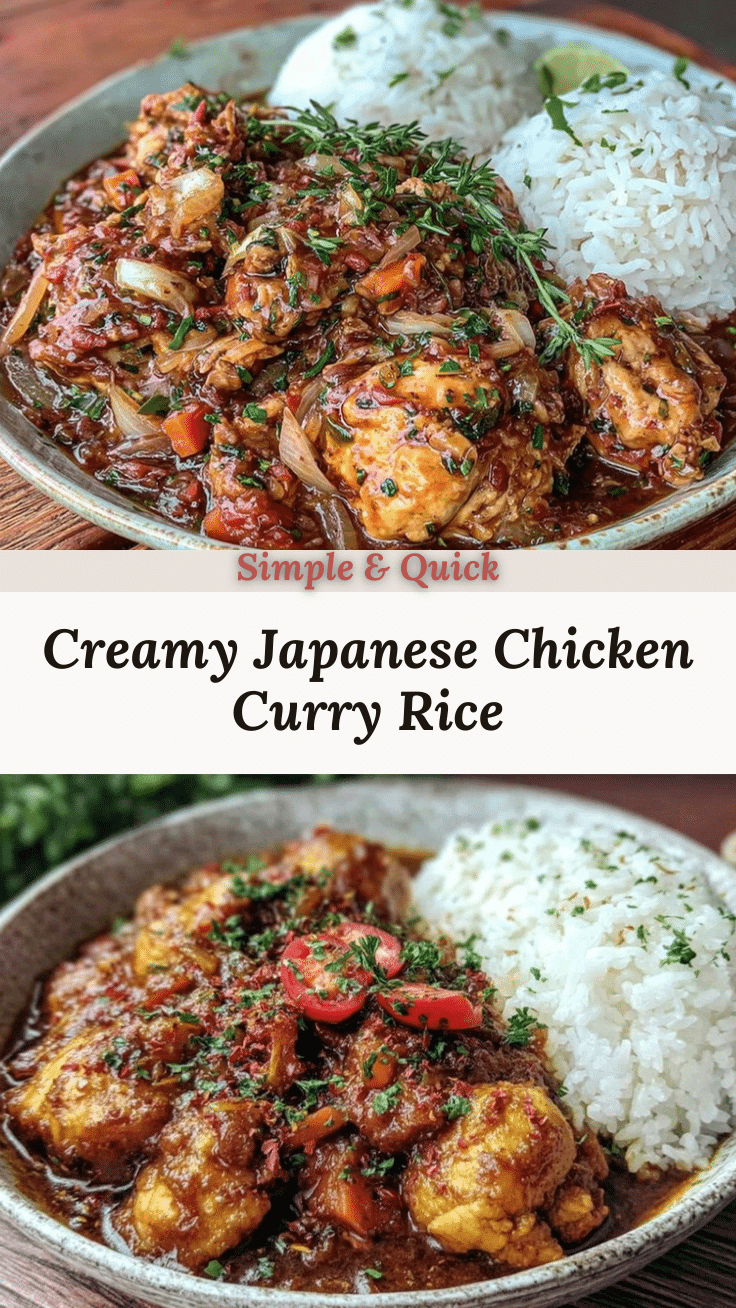
Japanese Chicken Curry Rice Recipe

A creamy, rich Japanese chicken curry rice with a velvety sauce that balances savory and sweet flavors, perfect for cozy dinners and quick weeknight meals.
- Prep Time: 10 minutes
- Cook Time: 30 minutes
- Total Time: 40 minutes
- Yield: 4 servings 1x
- Category: Main Course
- Cuisine: Japanese
Ingredients
- 1.5 lbs boneless, skinless chicken thighs, cut into bite-sized pieces
- 1 large onion, thinly sliced
- 2 medium carrots, peeled and sliced into rounds
- 2 medium potatoes, peeled and cubed (Yukon Gold recommended)
- 1 small grated apple (optional but recommended)
- 2 garlic cloves, minced
- 1-inch piece ginger, grated
- 1 package (about 100 g) Japanese curry roux blocks (e.g., S&B brand)
- 3 cups chicken stock (homemade or low-sodium store-bought)
- 2 tbsp butter
- 1/2 cup whole milk
- 2 tbsp vegetable oil
- Salt and pepper to taste
- 4 cups cooked Japanese short-grain rice (about 720 g cooked)
- Fukujinzuke or rakkyo (pickled shallots), optional for garnish
Instructions
- Prep your ingredients: Slice the onion thinly, peel and cut carrots and potatoes into bite-sized pieces, grate the apple, garlic, and ginger. Cut chicken thighs into even chunks.
- Heat 2 tablespoons of vegetable oil in a large heavy-bottomed pot over medium heat. Add the onions and cook until translucent and slightly caramelized, about 5 minutes.
- Add the minced garlic and grated ginger, stirring for 1 minute until fragrant.
- Add the chicken pieces, season with salt and pepper, and cook until they start to brown, about 4-5 minutes.
- Stir in carrots, potatoes, and grated apple. Pour in 3 cups of chicken stock and bring to a gentle boil.
- Lower the heat to a simmer, cover, and cook for 15-20 minutes until vegetables are tender and chicken is cooked through.
- Break the curry roux blocks into smaller pieces and add to the pot. Stir gently until the roux dissolves and thickens the sauce, keeping heat low to avoid burning.
- Stir in 2 tablespoons of butter and 1/2 cup milk to make the sauce creamy and smooth. Adjust seasoning with salt and pepper if needed.
- Simmer gently for another 2-3 minutes, stirring to combine all flavors.
- Serve hot over steamed Japanese short-grain rice. Garnish with fukujinzuke or rakkyo if desired.
Notes
If the sauce is too thick, add a splash of stock or milk to loosen it. If too thin, simmer uncovered until thickened. Use chicken breasts for leaner meat but avoid overcooking. For dairy-free, substitute milk with coconut milk and butter with olive oil. Use gluten-free curry roux for gluten-free diet. Patience when sautéing onions and gentle heat when adding roux are key for best flavor and texture.
Nutrition
- Serving Size: 1 serving (about 1/4
- Calories: 520
- Fat: 15
- Carbohydrates: 50
- Fiber: 6
- Protein: 35
Keywords: Japanese chicken curry, curry rice, creamy curry sauce, easy Japanese recipe, comfort food, weeknight dinner