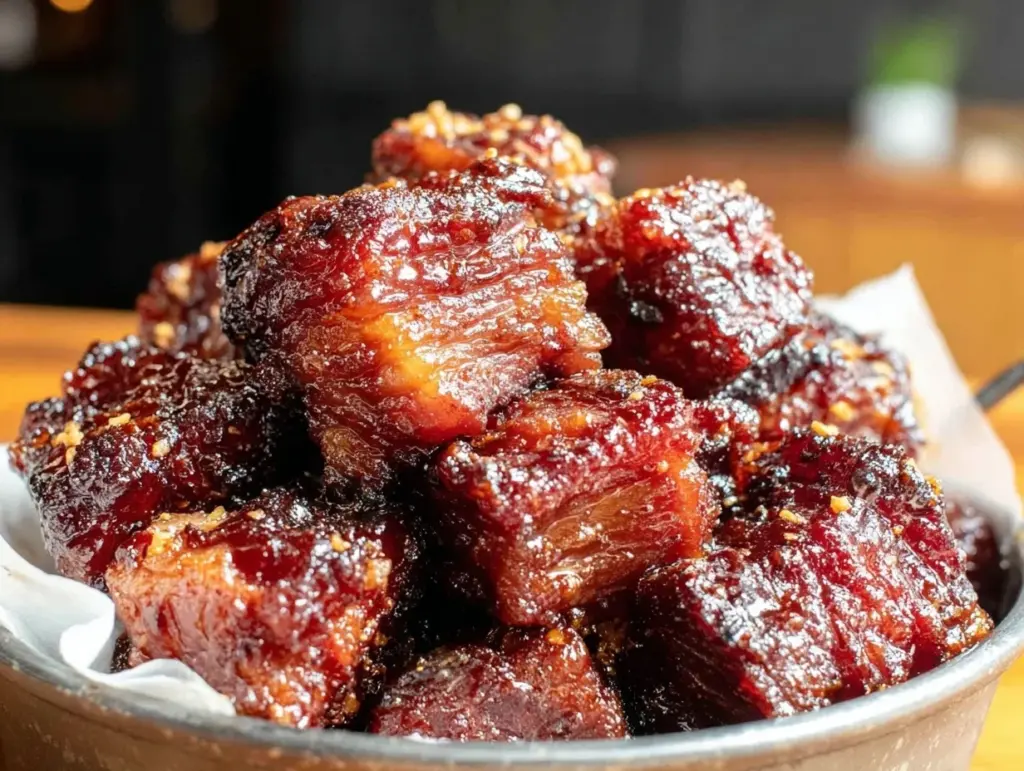
“You won’t believe this, but the first time I tried making Korean BBQ brisket burnt ends, I was actually aiming for something totally different. It was a chaotic Saturday afternoon, and my plan was to make a simple roast. Somehow, in the middle of flipping through my recipe notes, I grabbed the wrong cut of meat, and the oven temperature was all off because I forgot to reset it after baking cookies earlier. Honestly, it was a mess. The kitchen looked like a tornado had passed through, and I was pretty ready to give up.
Then, that unexpected scent started filling the air—the sweet, smoky aroma of the brisket caramelizing in the oven. I couldn’t resist sneaking a peek. The edges were crisping up beautifully, almost like those burnt ends you get at a barbecue joint, but with a Korean twist. I threw together a quick glaze with gochujang and honey, and what came out was honestly something else. It wasn’t just good—it was unforgettable.
Maybe you’ve been there, staring at your oven wondering if you just ruined dinner, only to find a happy accident that becomes your signature dish. That’s exactly what happened with this Korean BBQ brisket burnt ends oven recipe. It’s smoky, sticky, slightly sweet, and perfectly tender—something I never thought I could replicate without a smoker. But here we are, and I keep making it because it’s just so darn satisfying and surprisingly easy to pull off.
Why You’ll Love This Recipe
This Korean BBQ brisket burnt ends oven recipe has honestly become my go-to for impressing guests without the hassle of firing up a smoker. After testing it multiple times (and yes, burning a batch or two in the early days), I’ve nailed the balance between sweet, spicy, and smoky flavors that make these burnt ends irresistible. Here’s why you’ll want to keep this recipe handy:
- Quick & Easy: It comes together in about 3 hours from start to finish, which is a breeze compared to traditional smoked burnt ends that can take all day.
- Simple Ingredients: No need for exotic spices or hard-to-find sauces. Most items are pantry staples or easy to grab from your local store.
- Perfect for Entertaining: Whether it’s a casual weekend dinner or a game-day snack, this recipe steals the spotlight every time.
- Crowd-Pleaser: Kids, adults, picky eaters—you name it, they all ask for seconds. The combination of tender meat and sticky glaze is just magic.
- Unbelievably Delicious: The texture of the brisket burnt ends—crispy on the outside, melt-in-your-mouth tender inside—is next-level comfort food.
What makes this version stand out is the oven method that mimics the slow, low smoke environment, plus the homemade Korean BBQ sauce that’s got just the right kick without overpowering the beef. Honestly, this isn’t just another burnt ends recipe—it’s my best take, and I think you’ll feel the same after your first bite.
What Ingredients You Will Need
This recipe sticks to simple, wholesome ingredients that come together for bold flavor and that signature sticky texture. You probably have most of these in your kitchen already, but here’s the full rundown:
- Beef Brisket Point Cut (about 3-4 pounds, trimmed of excess fat) – the star of the show for those perfect burnt ends.
- Brown Sugar (1/4 cup) – adds sweetness and helps with caramelization.
- Smoked Paprika (1 tablespoon) – brings that smoky depth without a smoker.
- Garlic Powder (1 teaspoon) – classic savory touch.
- Onion Powder (1 teaspoon) – layers of flavor.
- Salt (1 tablespoon) – essential for seasoning the meat well.
- Black Pepper (1 tablespoon, freshly ground) – for that subtle heat.
- Olive Oil (2 tablespoons) – helps the rub stick and keeps the meat moist.
- Korean BBQ Sauce Ingredients:
- Gochujang (3 tablespoons) – the fermented chili paste that gives the sauce its authentic kick.
- Honey (2 tablespoons) – balances the spice with natural sweetness.
- Soy Sauce (2 tablespoons) – for umami depth (I like Kikkoman for reliable flavor).
- Rice Vinegar (1 tablespoon) – adds a touch of tanginess.
- Sesame Oil (1 teaspoon) – for that toasty aroma.
- Fresh Garlic (2 cloves, minced) – sharp and fragrant.
Substitution tips: If you’re after a gluten-free option, swap soy sauce for tamari. You can also switch honey with maple syrup for a vegan-friendly glaze. If gochujang is tough to find, a mix of chili paste and a dash of miso can work in a pinch.
Equipment Needed
- Oven-Safe Roasting Pan – A sturdy pan with sides (I use a 9×13 inch metal pan) to hold the brisket and catch drippings.
- Wire Rack – Helps air circulate around the meat for even cooking and crisp edges.
- Sharp Chef’s Knife – For trimming and cutting the brisket into cubes.
- Mixing Bowls – For the rub and the Korean BBQ sauce.
- Basting Brush – To slather on the glaze perfectly.
- Instant-Read Meat Thermometer – This is a game changer for getting brisket to the perfect tenderness without guessing.
- Aluminum Foil – For tenting the brisket to rest and keep it juicy.
If you don’t have a wire rack, you can improvise with crumpled foil balls to elevate the meat slightly. No fancy smoker? No problem—this oven method will give you that burnt ends magic without the fuss. Also, if you’re on a budget, a simple roasting pan and a thermometer are all you really need.
Preparation Method
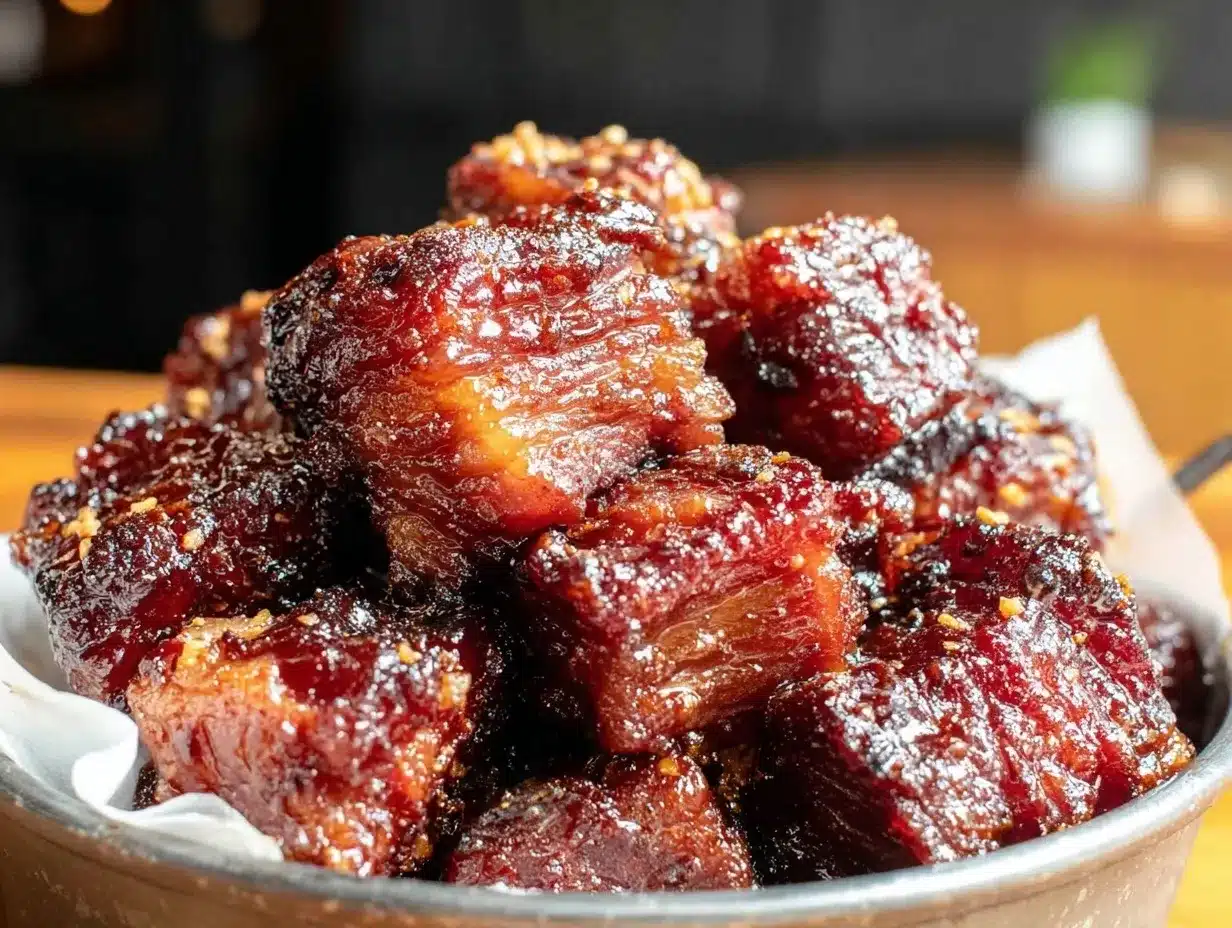
- Trim and Cut the Brisket: Start by trimming any thick fat cap off your brisket point cut, leaving a thin layer for moisture. Then, cut the brisket into roughly 1.5-inch cubes. This size helps the edges crisp up nicely while keeping the centers tender. (Time: 10 minutes)
- Make the Dry Rub: In a bowl, mix brown sugar, smoked paprika, garlic powder, onion powder, salt, and black pepper. Stir well until combined. Drizzle the olive oil over the brisket cubes and toss them in the rub, making sure every piece is evenly coated. Let it sit while you preheat the oven. (Time: 10 minutes)
- Preheat the Oven: Set your oven to 275°F (135°C). This low and slow heat mimics the smoker environment and helps render the fat beautifully.
- Arrange the Brisket: Place a wire rack inside your roasting pan. Arrange the brisket cubes on the rack with a little space between each so air can circulate. Don’t overcrowd or they won’t crisp up properly. (Time: 5 minutes)
- Roast the Brisket: Pop the pan in the oven and roast for about 2 hours. Around the 1.5-hour mark, check for tenderness by poking a piece with a fork—it should start to feel tender but not falling apart. (Time: 2 hours)
- Prepare the Korean BBQ Glaze: While the brisket roasts, whisk together gochujang, honey, soy sauce, rice vinegar, sesame oil, and minced garlic in a bowl. Adjust seasoning to taste. The glaze should be thick but pourable.
- Glaze and Finish Roasting: Remove the brisket from the oven after 2 hours. Use your basting brush to coat each cube generously with the Korean BBQ glaze. Return to the oven and roast for another 30-40 minutes at 300°F (150°C) until the glaze is sticky and caramelized. (Time: 30-40 minutes)
- Rest the Brisket: Take the pan out and tent it loosely with foil. Let the burnt ends rest for 10-15 minutes to let juices redistribute and flavors meld.
- Serve and Enjoy: Give everything a final gentle toss to coat the burnt ends in any extra glaze pooled at the bottom. Serve them warm with your favorite sides.
Pro tip: If the glaze starts to get too dark during the final roasting, lower the oven temperature by 10-15 degrees or loosely cover with foil to prevent burning. The smell will tell you when it’s done—sweet, smoky, and just a bit caramel-y.
Cooking Tips & Techniques
Getting those brisket burnt ends just right takes a little patience, but a few tricks will make all the difference. First off, don’t rush the low-and-slow roasting. The 275°F temperature is crucial to break down the collagen without drying the meat.
I learned the hard way that overcrowding the pan kills the crispy edges. Give those cubes breathing room so they can brown beautifully. Also, trimming a bit of the fat cap is important—you want enough fat to keep things juicy, but not so much that it turns sloppy while roasting.
When mixing your glaze, taste as you go. Gochujang varies in heat and sweetness depending on the brand. I prefer a moderate heat level that lets the honey shine through without overwhelming your palate.
Using an instant-read thermometer helps avoid guesswork. Aim for an internal temp around 195°F (90°C) after the initial roast—this is where the brisket becomes tender but still holds together. I always let my brisket rest before glazing because it firms up, making it easier to handle and brush.
Multitasking tip: While the brisket roasts, prepare a fresh side salad or some steamed rice to balance the richness. The timing works out nicely if you start prepping sides after the first hour of roasting.
Variations & Adaptations
- Spicy Kick: Add a teaspoon of Korean chili flakes (gochugaru) to the dry rub for extra heat.
- Sweet & Tangy: Swap honey for brown sugar maple syrup and add a splash of pineapple juice to the glaze for a tropical twist.
- Low-Carb Version: Use erythritol or another low-carb sweetener in place of brown sugar and honey for a keto-friendly burnt end.
- Vegetarian Alternative: Try marinated and oven-roasted king oyster mushrooms cut into chunks, glazed with the same Korean BBQ sauce for a meaty texture.
- Smoky Flavor Boost: Add a few drops of liquid smoke to the glaze if you want more of that smoky aroma without a smoker.
One variation I love is mixing in diced kimchi right before serving for a tangy crunch that cuts through the richness. It’s a bit of a flavor party, but totally worth trying if you like bold combos.
Serving & Storage Suggestions
Serve your Korean BBQ brisket burnt ends hot from the oven with steamed jasmine rice or wrapped in lettuce leaves for a fresh bite. Garnish with thinly sliced green onions and sesame seeds for a pop of color and texture. They also pair beautifully with pickled vegetables or a cool cucumber salad to balance the glaze’s sweetness.
If you’re saving leftovers (and you probably will), store them in an airtight container in the fridge for up to 4 days. Reheat gently in a skillet over medium-low heat, adding a splash of water or leftover glaze to keep them moist. Avoid microwaving if you want to keep the crispy edges intact.
These burnt ends actually taste better the next day—the flavors deepen, and the glaze soaks into every nook and cranny. Just bring them back to room temp before warming up.
Nutritional Information & Benefits
Per serving (approximate): 350 calories, 25g protein, 18g fat, 10g carbohydrates (mostly from brown sugar and honey). This recipe offers a satisfying source of protein and iron thanks to the brisket.
The gochujang provides a bit of capsaicin, which some studies suggest may help boost metabolism. Plus, garlic and onion powder add antioxidants and immune-supporting compounds. For those watching carbs, the recipe can be easily adjusted by reducing sweeteners or swapping with low-carb alternatives.
Keep in mind, brisket is a rich cut, so moderation is key if you’re mindful of fat intake. I find this recipe strikes a good balance of indulgence and flavor without going overboard.
Conclusion
Honestly, this Korean BBQ brisket burnt ends oven recipe is one of those dishes that surprises you every time you make it. It’s not overly complicated, doesn’t require fancy equipment, but delivers big on flavor and texture. Whether you’re feeding a crowd or just craving a delicious, cozy meal, these burnt ends hit the spot.
Feel free to tweak the spice levels, sweetness, or sides to match your taste. I love that it’s flexible enough to suit different preferences but reliable enough to impress on any occasion. I keep coming back to this recipe because it’s comfort food done right—with a little Korean flair.
If you try it out, I’d love to hear how it went! Drop a comment below or share your own twists. Happy cooking and enjoy every sticky, smoky bite!
FAQs
What cut of brisket is best for burnt ends?
The point cut of brisket is ideal because it has more marbling and fat, which renders down to create tender, juicy burnt ends.
Can I make Korean BBQ burnt ends without a smoker?
Yes! This oven recipe mimics the low-and-slow cooking of a smoker and uses a homemade glaze to get that signature sticky, smoky flavor.
How long does it take to cook burnt ends in the oven?
Expect about 2 to 2.5 hours roasting at a low temperature, plus an additional 30-40 minutes after glazing for caramelization.
Can I prepare the glaze ahead of time?
Absolutely! The Korean BBQ sauce can be made a day ahead and stored in the fridge to let flavors meld, making cooking day easier.
How should I store leftover burnt ends?
Keep leftovers in an airtight container in the refrigerator for up to 4 days. Reheat gently in a skillet to keep the texture crisp and juicy.
Pin This Recipe!
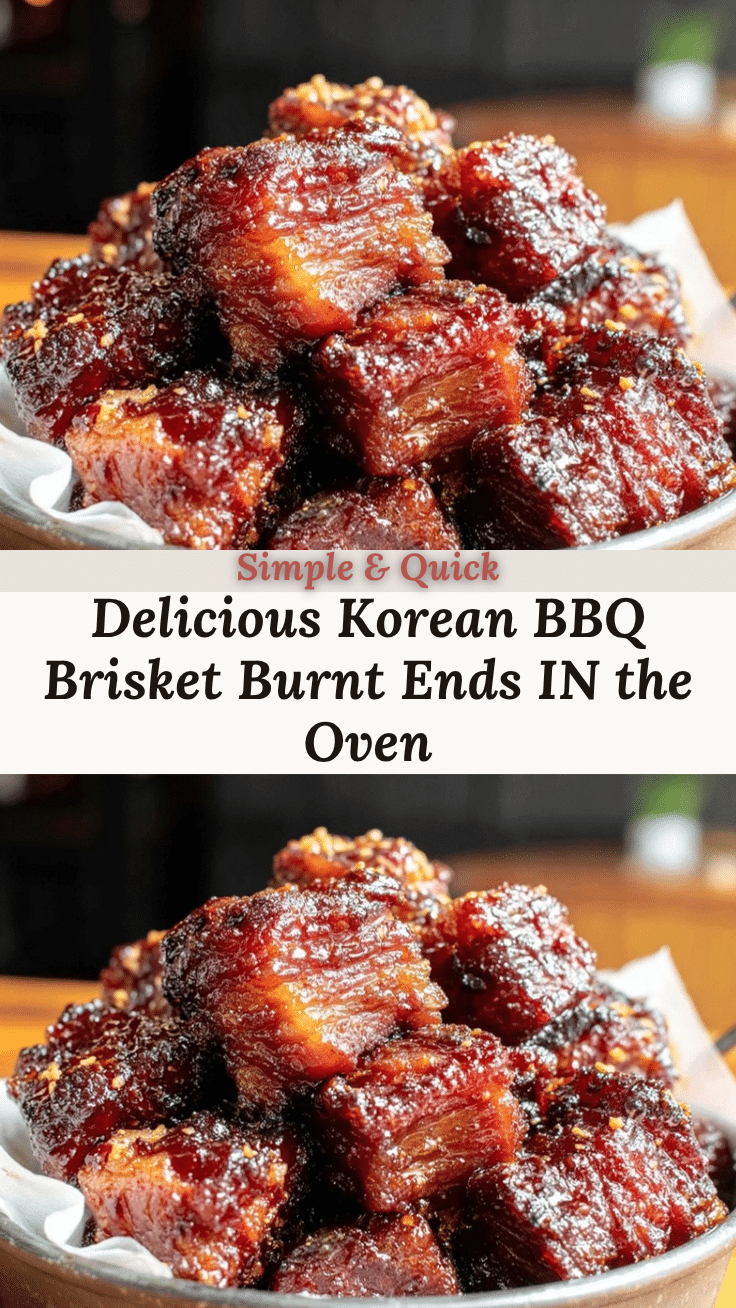
Delicious Korean BBQ Brisket Burnt Ends Oven Recipe Easy Step-by-Step Guide
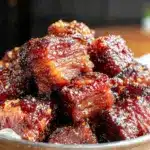
This Korean BBQ brisket burnt ends oven recipe delivers smoky, sticky, slightly sweet, and perfectly tender burnt ends with a homemade Korean BBQ glaze, all made easily in your oven without a smoker.
- Prep Time: 20 minutes
- Cook Time: 2 hours 40 minutes
- Total Time: 3 hours
- Yield: 6 servings 1x
- Category: Main Course
- Cuisine: Korean
Ingredients
- 3–4 pounds beef brisket point cut, trimmed of excess fat
- 1/4 cup brown sugar
- 1 tablespoon smoked paprika
- 1 teaspoon garlic powder
- 1 teaspoon onion powder
- 1 tablespoon salt
- 1 tablespoon freshly ground black pepper
- 2 tablespoons olive oil
- 3 tablespoons gochujang (fermented chili paste)
- 2 tablespoons honey
- 2 tablespoons soy sauce (or tamari for gluten-free)
- 1 tablespoon rice vinegar
- 1 teaspoon sesame oil
- 2 cloves fresh garlic, minced
Instructions
- Trim any thick fat cap off the brisket point cut, leaving a thin layer for moisture. Cut the brisket into roughly 1.5-inch cubes.
- In a bowl, mix brown sugar, smoked paprika, garlic powder, onion powder, salt, and black pepper. Drizzle olive oil over the brisket cubes and toss them in the rub until evenly coated. Let sit while preheating the oven.
- Preheat oven to 275°F (135°C).
- Place a wire rack inside a roasting pan. Arrange brisket cubes on the rack with space between each piece for air circulation.
- Roast the brisket in the oven for about 2 hours. Check tenderness around 1.5 hours; the meat should start to feel tender but not falling apart.
- While roasting, whisk together gochujang, honey, soy sauce, rice vinegar, sesame oil, and minced garlic to make the Korean BBQ glaze.
- Remove brisket from oven after 2 hours. Use a basting brush to coat each cube generously with the glaze. Return to oven and roast for another 30-40 minutes at 300°F (150°C) until glaze is sticky and caramelized.
- Remove from oven and tent loosely with foil. Let rest for 10-15 minutes to allow juices to redistribute.
- Toss gently to coat burnt ends in any extra glaze and serve warm.
Notes
If glaze gets too dark during final roasting, lower oven temperature by 10-15°F or cover loosely with foil to prevent burning. Use an instant-read thermometer aiming for internal temp of 195°F after initial roast. Let brisket rest before glazing for easier handling. Avoid overcrowding the pan to ensure crispy edges. Leftovers store well in fridge up to 4 days; reheat gently in skillet to maintain texture.
Nutrition
- Serving Size: Approximately 1/6th
- Calories: 350
- Fat: 18
- Carbohydrates: 10
- Protein: 25
Keywords: Korean BBQ, brisket burnt ends, oven recipe, Korean BBQ sauce, gochujang, easy brisket, smoky burnt ends, sticky glaze