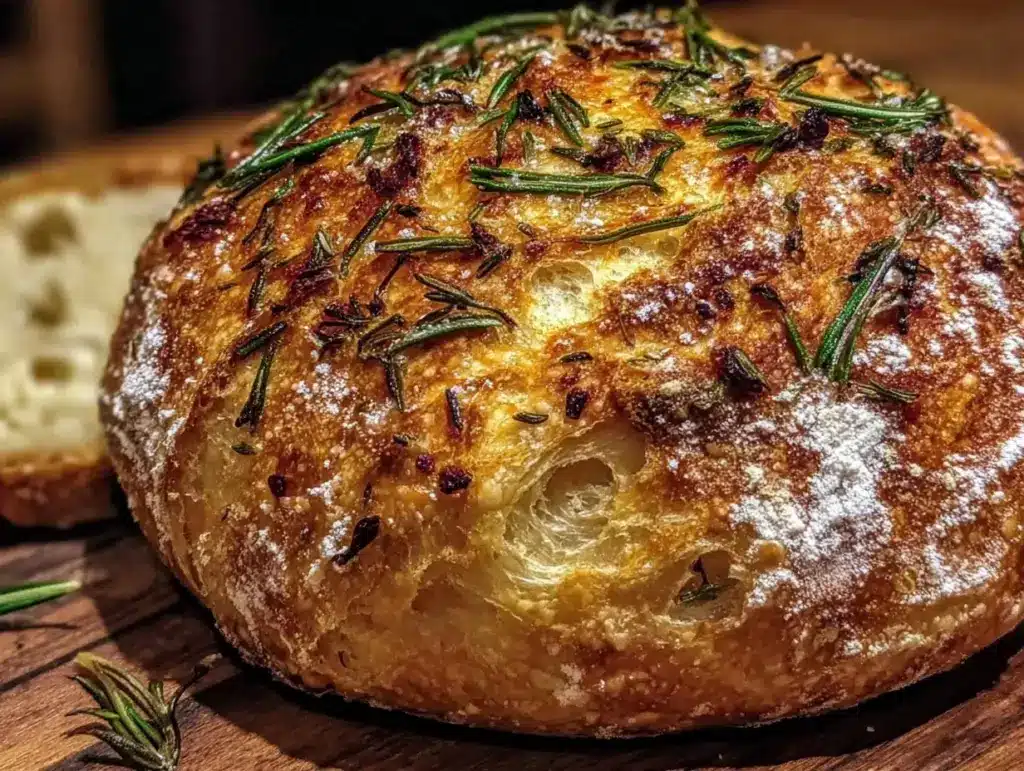
“I wasn’t expecting a sourdough lesson from Mr. Jenkins, my quiet next-door neighbor,” I confessed to myself one chilly Saturday morning. He was fiddling with his garden gate while casually mentioning his grandmother’s olive rosemary sourdough boule. Honestly, I thought, “How could something so simple be so captivating?” But there I was, standing in his kitchen hours later, surrounded by the warm aroma of bubbling yeast and rosemary.
The boule’s crust cracked audibly as we sliced it, releasing a savory olive scent that took me by surprise. The texture was just right—crispy yet tender, a rustic bread that felt like a warm hug after a long day. Maybe you’ve been there too, craving that perfect balance of crusty outside and soft, flavorful crumb inside. I forgot to set my timer once and almost burned the first loaf, but that happy accident taught me more than any cookbook ever could.
This crispy olive rosemary sourdough boule isn’t just bread; it’s a story, a moment shared, a slice of tradition with a modern twist. And honestly? I keep baking it because every bite feels like a small celebration of home.
Why You’ll Love This Crispy Olive Rosemary Sourdough Boule Recipe
After countless trials and a few kitchen messes, I’ve nailed this recipe to bring you a bread that’s as approachable as it is impressive. Here’s why this crispy olive rosemary sourdough boule will quickly become a favorite in your baking rotation:
- Quick & Easy: While sourdough can feel intimidating, this recipe is designed to fit into your busy schedule—with active prep under 30 minutes and plenty of hands-off time.
- Simple Ingredients: No exotic items here, just pantry staples like flour, water, and salt, plus fragrant rosemary and briny olives that add a rustic flair.
- Perfect for Cozy Gatherings: Whether it’s a weekend brunch or a casual dinner, this boule pairs beautifully with cheeses, soups, or just a swipe of butter.
- Crowd-Pleaser: I’ve served this at potlucks, and it always disappears fast—kids and adults alike can’t resist that crispy crust and flavorful crumb.
- Unbelievably Delicious: The combination of chewy sourdough, aromatic rosemary, and juicy olives creates a satisfying texture and taste that’s hard to beat.
What sets this boule apart? It’s the way the rosemary is gently folded into the dough, releasing just enough fragrance without overpowering the olives’ natural saltiness. Plus, using a long, slow fermentation brings out that signature tangy depth sourdough enthusiasts love. Honestly, it’s like having a little piece of rustic bakery magic right in your kitchen.
What Ingredients You Will Need
This crispy olive rosemary sourdough boule uses straightforward, wholesome ingredients that combine to make a loaf with character and charm. Most are pantry staples, with a couple of fresh additions that bring everything together.
- For the Dough:
- 500g (4 cups) bread flour – I prefer King Arthur for consistent results
- 350g (1½ cups) water, lukewarm (around 75°F / 24°C)
- 100g (½ cup) active sourdough starter, bubbly and fed within 8 hours
- 10g (2 tsp) fine sea salt
- For the Mix-ins:
- 100g (about ¾ cup) pitted green or black olives, roughly chopped – Castelvetrano olives add a buttery touch
- 2 tbsp fresh rosemary leaves, finely chopped – avoid woody stems
Substitutions and Tips: Use gluten-free flour blends with added xanthan gum for a gluten-free twist, but note texture will differ. If fresh rosemary isn’t available, 1 tbsp dried can work, though fresh is best for that bright aroma. For a dairy-free variation, stick with the basic ingredients as the recipe contains no dairy.
Equipment Needed
- Large mixing bowl: A glass or plastic bowl works fine; I like my 5-quart glass bowl for easy dough watching.
- Dutch oven or heavy oven-safe pot with lid: This creates the steam environment needed for a crispy crust. If you don’t have one, a baking stone plus a pan of water works as a budget-friendly alternative.
- Dough scraper or bench knife: Essential for handling sticky sourdough without frustration.
- Kitchen scale: Accurate measurements matter in bread baking. I use a digital scale with grams and ounces.
- Proofing basket or bowl lined with a clean kitchen towel: For shaping and holding the dough during the final rise. A banneton is lovely if you have one, but not essential.
Keeping your tools clean and dry, especially your Dutch oven, helps prevent sticking and prolongs the life of your equipment. I once ruined a pot by leaving dough stuck to the bottom—lesson learned the hard way!
Preparation Method
- Mix the Dough (10 minutes): In your large bowl, combine 500g bread flour and 350g lukewarm water. Stir until no dry flour remains. Cover and let rest for 30 minutes (this is called autolyse and helps gluten development).
- Add Starter and Salt (5 minutes): Add 100g active sourdough starter and 10g salt to the dough. Mix thoroughly with wet hands or a dough scraper until fully incorporated. The dough will be sticky; that’s normal.
- Bulk Fermentation and Stretch & Folds (3-4 hours): Cover the bowl loosely with a towel or plastic wrap. Every 30 minutes for the first 2 hours, perform gentle stretch and folds: wet your hand, reach under the dough, stretch it upwards, and fold it over the top. This builds strength without kneading.
- Incorporate Olives and Rosemary (5 minutes): After the second stretch & fold, gently fold in the chopped olives and rosemary, distributing evenly but carefully to avoid crushing the olives.
- Shape the Boule (10 minutes): Lightly flour your work surface. Turn the dough out and shape it into a round boule by folding edges inward and tightening the surface with your hands. Place seam-side up into a floured proofing basket or towel-lined bowl.
- Final Proof (2-3 hours or overnight): Cover and let rise at room temperature for 2 to 3 hours, or refrigerate overnight for a slower, more flavorful ferment. If refrigerated, bring back to room temp for 1 hour before baking.
- Preheat Oven and Dutch Oven (45 minutes): Place your Dutch oven with lid inside your oven and preheat to 475°F (245°C). This ensures the pot is scorching hot for a great crust.
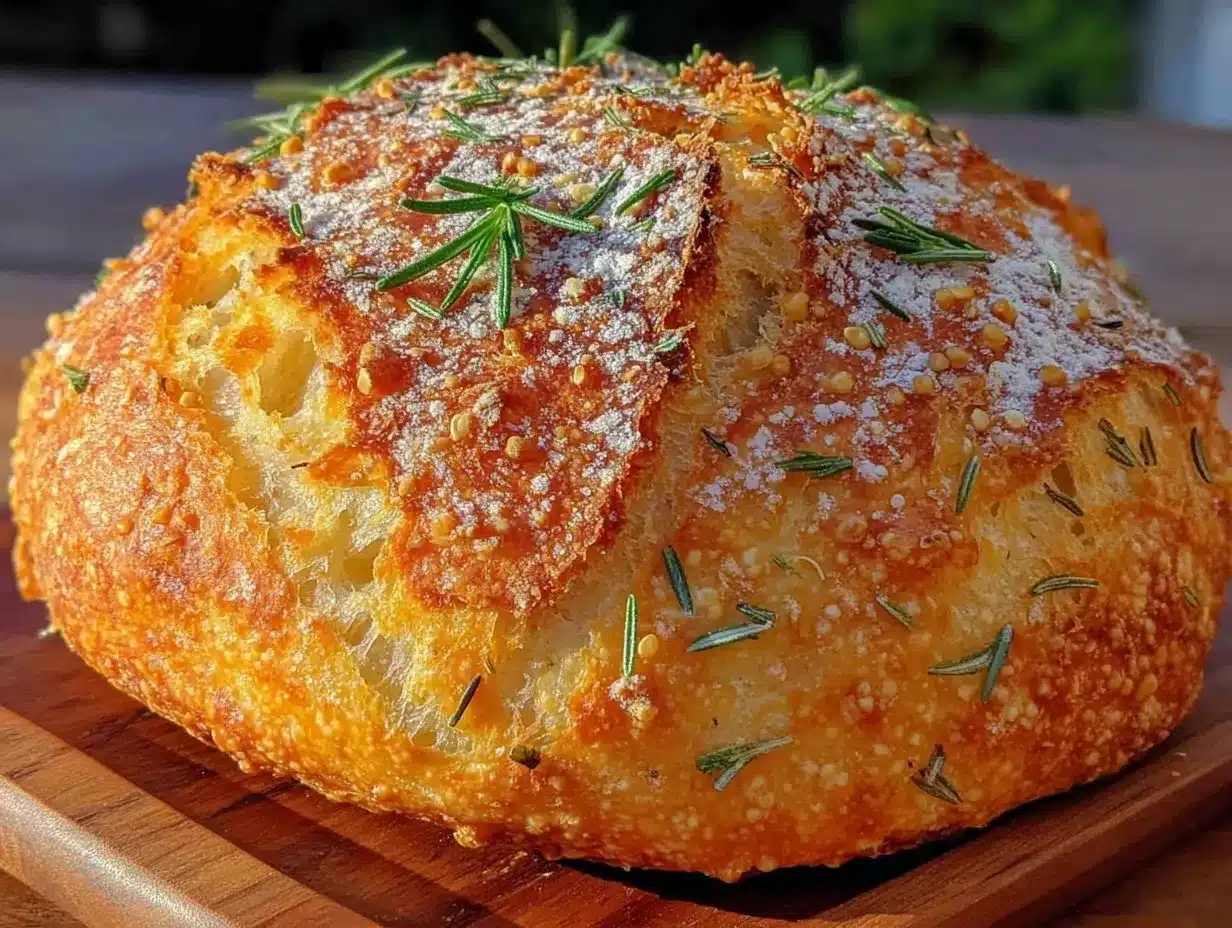
- Score and Bake (40-45 minutes): Carefully transfer the dough seam-side down onto parchment paper. Score the top with a sharp knife or lame to allow expansion. Place the dough with parchment into the hot Dutch oven, cover, and bake 20 minutes. Remove lid and bake another 20-25 minutes until deep golden brown and crusty.
- Cool Completely: Transfer the boule to a wire rack and let cool for at least 1 hour before slicing. This resting period allows the crumb to set properly.
Pro tip: If your dough feels too sticky during shaping, sprinkle just a touch more flour on your hands—not the dough—to avoid drying out the crumb. Also, watch the color of the crust carefully after removing the lid; ovens vary, and you don’t want it to burn.
Cooking Tips & Techniques for the Perfect Boule
Getting that crispy olive rosemary sourdough boule just right can seem tricky, but with these tips, you’ll avoid common pitfalls and bake like a pro:
- Use a bubbly, active starter: It’s the engine of your bread. Feed it 4-8 hours before baking for best rise.
- Don’t rush fermentation: Patience is key. More time means more flavor and better texture.
- Stretch & folds beat kneading: They strengthen dough without exhausting you (or the gluten!).
- Handle olives gently: Crushing them releases oil that can affect the dough’s hydration.
- Preheat Dutch oven: This mimics a professional steam oven, creating the signature crust.
- Score properly: A shallow, decisive slash lets the boule expand without bursting unpredictably.
- Cool before slicing: I know it’s tempting, but slicing hot bread leads to gummy crumb.
One time, I forgot to cover my dough during bulk fermentation, and it formed a crust too early—lesson: keep it covered and cozy! Also, multitasking by prepping toppings or side dishes during proofing stages helps make the whole baking process smoother.
Variations & Adaptations
This crispy olive rosemary sourdough boule is a versatile canvas for your baking creativity. Here are some ways to make it your own:
- Cheese-Stuffed Version: Add chunks of aged cheddar or crumbled feta inside before the final shaping for a gooey surprise.
- Seasonal Herbs: Swap rosemary with thyme, oregano, or fresh sage for a different aromatic profile.
- Nutty & Seeded Boule: Mix in toasted walnuts, sunflower seeds, or flaxseeds for added texture and nutrition.
- Whole Wheat Blend: Substitute 150g of bread flour with whole wheat flour for a nuttier, heartier loaf.
- Olive-Free Option: If olives aren’t your thing, roasted garlic cloves or caramelized onions pair beautifully with rosemary.
I once made a batch with lemon zest and rosemary instead of olives, and it turned into a fragrant, bright loaf perfect for summer picnics. Feel free to experiment—this recipe holds up well to tweaks!
Serving & Storage Suggestions
Serve your crispy olive rosemary sourdough boule slightly warm or at room temperature to enjoy the full spectrum of flavors and textures. A simple drizzle of good olive oil or a pat of cultured butter brings out the savory notes beautifully.
- Pair with hearty soups like tomato bisque or roasted vegetable stew for cozy meals.
- Slice thinly for sandwiches with fresh mozzarella, tomatoes, and basil.
- Serve alongside a cheese platter featuring tangy goat cheese and aged gouda.
To store, wrap the loaf loosely in a clean cotton towel and keep at room temperature for up to 3 days. For longer storage, slice and freeze portions in airtight bags. Reheat slices in a toaster oven or wrapped in foil at 350°F (175°C) for 10 minutes to revive that crisp crust.
Over time, the flavors meld and intensify, so next-day slices often taste even better—though you might just find yourself eating it fresh, straight from the oven!
Nutritional Information & Benefits
This sourdough boule offers more than just deliciousness. A 100g slice roughly contains:
| Calories | 220 kcal |
|---|---|
| Protein | 7g |
| Carbohydrates | 45g |
| Fat | 3g (mostly from olives) |
| Fiber | 2g |
Sourdough fermentation helps break down gluten and increases mineral absorption, making it easier on digestion than standard bread. Olives provide heart-healthy monounsaturated fats and antioxidants, while rosemary adds anti-inflammatory compounds and a lovely aroma.
This recipe is naturally dairy-free and can be made gluten-free by using appropriate flour blends. It fits well into balanced diets and offers a wholesome alternative to mass-produced bread.
Conclusion
If you’ve been searching for that perfect balance of rustic charm and sophisticated flavor in homemade bread, this crispy olive rosemary sourdough boule delivers every time. It’s approachable enough for home bakers yet impressively flavorful thanks to the olives and fresh rosemary.
Don’t be afraid to make this recipe yours—tweak the herbs, toss in some nuts, or add your favorite cheese. I love it because it brings people together, whether it’s a quiet breakfast or a lively dinner party. So grab your flour, warm up that starter, and let the comforting scent of baking bread fill your kitchen.
Try it out, share your results, and tell me how you made this boule your own—I’m always excited to hear your stories!
Frequently Asked Questions
Can I use dried rosemary instead of fresh?
Yes, you can substitute 1 tablespoon of dried rosemary, but fresh provides a brighter, more vibrant flavor.
How long does the boule stay fresh?
Stored at room temperature wrapped in a towel, it stays fresh for about 3 days. For longer storage, slice and freeze.
Do I have to use a Dutch oven?
While a Dutch oven helps create the perfect crust, you can bake on a preheated baking stone with a pan of water for steam as an alternative.
Can I make this recipe without olives?
Absolutely! Roasted garlic or caramelized onions make excellent substitutes if you want a different flavor profile.
What if my sourdough starter isn’t very active?
Try feeding it more frequently before baking day or give it warmer conditions to encourage activity. Using a mature, bubbly starter is key for good rise.
Pin This Recipe!
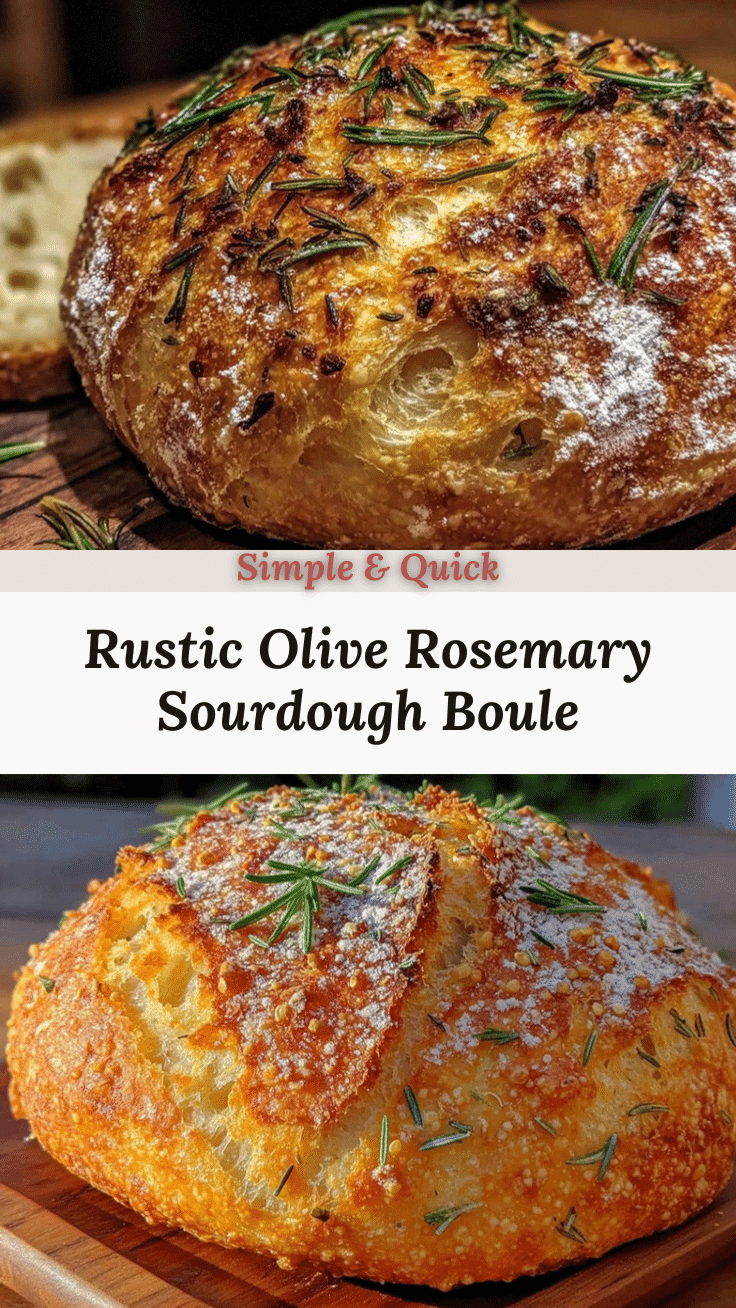
Crispy Olive Rosemary Sourdough Boule

A rustic homemade sourdough bread featuring a crispy crust, tender crumb, and flavorful mix-ins of olives and fresh rosemary. Perfect for cozy gatherings and easy enough for home bakers.
- Prep Time: 15 minutes
- Cook Time: 45 minutes
- Total Time: 4 to 5 hours plus proofing time (including bulk fermentation and final proof)
- Yield: 1 loaf (about 8-10 servings) 1x
- Category: Bread
- Cuisine: Rustic / Artisan
Ingredients
- 4 cups (500g) bread flour
- 1½ cups (350g) lukewarm water (around 75°F / 24°C)
- ½ cup (100g) active sourdough starter, bubbly and fed within 8 hours
- 2 teaspoons (10g) fine sea salt
- ¾ cup (100g) pitted green or black olives, roughly chopped (Castelvetrano olives recommended)
- 2 tablespoons fresh rosemary leaves, finely chopped (avoid woody stems)
Instructions
- Mix the Dough (10 minutes): In a large bowl, combine 4 cups bread flour and 1½ cups lukewarm water. Stir until no dry flour remains. Cover and let rest for 30 minutes (autolyse).
- Add Starter and Salt (5 minutes): Add ½ cup active sourdough starter and 2 teaspoons salt to the dough. Mix thoroughly with wet hands or a dough scraper until fully incorporated. The dough will be sticky.
- Bulk Fermentation and Stretch & Folds (3-4 hours): Cover the bowl loosely. Every 30 minutes for the first 2 hours, perform gentle stretch and folds to build dough strength.
- Incorporate Olives and Rosemary (5 minutes): After the second stretch & fold, gently fold in the chopped olives and rosemary evenly without crushing the olives.
- Shape the Boule (10 minutes): Lightly flour your work surface. Turn the dough out and shape into a round boule by folding edges inward and tightening the surface. Place seam-side up into a floured proofing basket or towel-lined bowl.
- Final Proof (2-3 hours or overnight): Cover and let rise at room temperature for 2 to 3 hours, or refrigerate overnight for a slower ferment. If refrigerated, bring to room temperature for 1 hour before baking.
- Preheat Oven and Dutch Oven (45 minutes): Place Dutch oven with lid inside oven and preheat to 475°F (245°C) to get it very hot.
- Score and Bake (40-45 minutes): Transfer dough seam-side down onto parchment paper. Score the top with a sharp knife. Place dough with parchment into hot Dutch oven, cover, and bake 20 minutes. Remove lid and bake another 20-25 minutes until deep golden brown and crusty.
- Cool Completely: Transfer boule to a wire rack and cool for at least 1 hour before slicing to allow crumb to set.
Notes
Use a bubbly, active sourdough starter fed 4-8 hours before baking for best rise. Avoid crushing olives to prevent excess oil release. Preheat Dutch oven thoroughly for a crispy crust. Cool bread completely before slicing to avoid gummy crumb. For gluten-free, use appropriate flour blends with xanthan gum. Fresh rosemary is preferred for best aroma; dried rosemary can be substituted at 1 tablespoon.
Nutrition
- Serving Size: 1 slice (approximate
- Calories: 220
- Fat: 3
- Carbohydrates: 45
- Fiber: 2
- Protein: 7
Keywords: sourdough bread, olive rosemary bread, rustic bread, homemade bread, crispy crust bread, artisan bread, sourdough boule