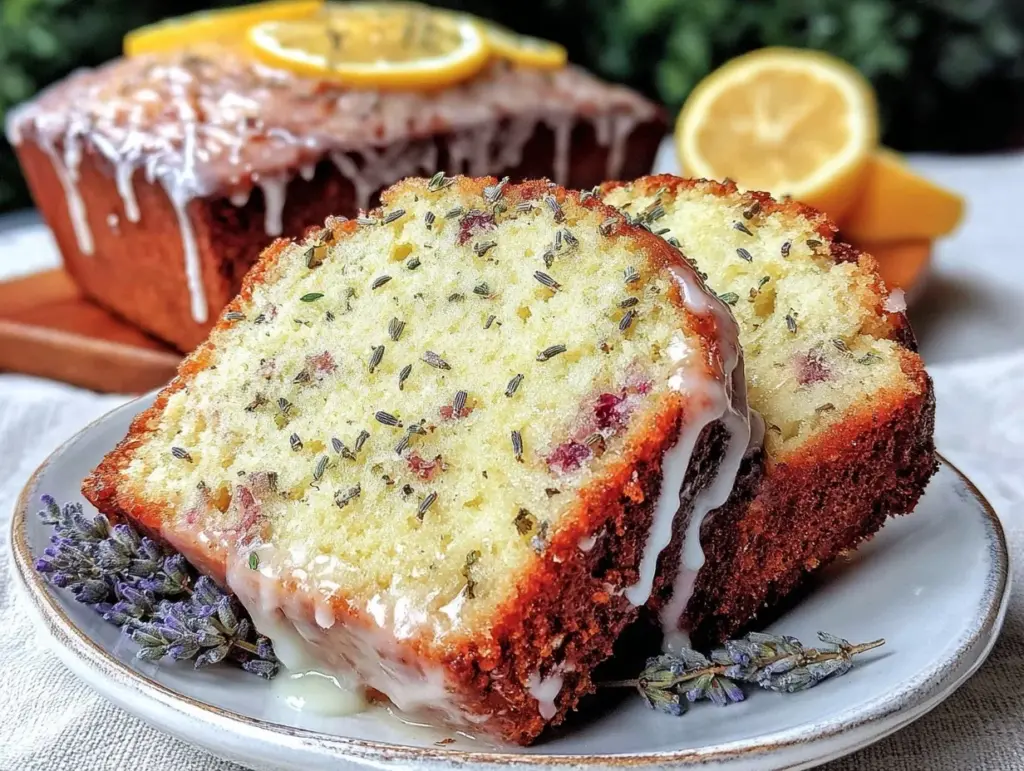
“I wasn’t expecting to get baking advice from my quiet neighbor, Mrs. Thompson, but there I was, holding a cracked mixing bowl on a lazy Saturday morning while she shared her secret to the most delightful lemon cake I’d ever tasted.” That unexpected chat turned into a baking adventure featuring a moist lemon lavender pound cake with glaze that now feels like a little slice of sunshine in my kitchen.
You know that moment when a scent just pulls you in? For me, it was the subtle floral hint of lavender mingled with bright lemon zest wafting through the air. Honestly, the first time I baked this, I forgot to set a timer and nearly burnt the edges. But the cake’s tender crumb and that shiny glaze made it impossible not to forgive myself. I mean, who wouldn’t want a cake that’s both comforting and a bit fancy with effortless charm?
Maybe you’ve been there—searching for a dessert that’s simple yet impressive, something that feels homemade without hours of fuss. This recipe stuck with me because it manages to be both elegantly fragrant and wonderfully moist, perfect for afternoon tea or a casual weekend treat. And yes, I keep making it, even when I’m in a rush, because it just works every single time.
Why You’ll Love This Recipe
From my many kitchen trials, this moist lemon lavender pound cake recipe stands out for a few reasons that make it a keeper for any home baker:
- Quick & Easy: Comes together in under 45 minutes, perfect for busy weeknights or last-minute dessert cravings.
- Simple Ingredients: No exotic or hard-to-find items—mostly pantry staples with a touch of culinary flair thanks to the lavender.
- Perfect for Special Occasions: Whether it’s a casual brunch or a cozy tea party, this cake impresses without stress.
- Crowd-Pleaser: Kids, adults, and even the pickiest eaters seem to go back for seconds, thanks to the balanced flavors.
- Unbelievably Delicious: The interplay of tart lemon and delicate lavender creates a texture and flavor combo that’s both soothing and exciting.
This isn’t your average pound cake. The secret is in blending finely ground culinary lavender with lemon zest, giving a subtle floral note without overpowering the cake. Plus, the glaze adds a shiny, sweet finish that seals in moisture and brings everything together. Honestly, this cake is the kind of recipe where you close your eyes after the first bite and savor that perfect balance of flavors.
What Ingredients You Will Need
This recipe uses simple, wholesome ingredients to deliver bold flavor and a satisfying texture without fuss. Most of these are pantry staples, and the few specialty items like culinary lavender are easy to find online or in well-stocked grocery stores.
- For the Cake Batter:
- All-purpose flour – 2 ½ cups (315 g), sifted for a light texture
- Unsalted butter – 1 cup (227 g), softened (I prefer Kerrygold for richness)
- Granulated sugar – 1 ¾ cups (350 g)
- Large eggs – 4, at room temperature (helps with even mixing)
- Buttermilk – ½ cup (120 ml), room temperature (adds moisture and tang)
- Fresh lemon zest – from 2 lemons (about 2 tablespoons), finely grated
- Fresh lemon juice – ¼ cup (60 ml), strained to remove seeds
- Dried culinary lavender buds – 1 tablespoon, finely ground (use food processor or mortar and pestle)
- Baking powder – 1 teaspoon
- Sodium bicarbonate (baking soda) – ½ teaspoon
- Salt – ½ teaspoon
- For the Glaze:
- Powdered sugar – 1 cup (120 g), sifted
- Fresh lemon juice – 2 tablespoons (30 ml)
- Milk or cream – 1 tablespoon (15 ml), optional for thinner glaze
If you can’t find culinary lavender, you can substitute with a teaspoon of dried lavender tea leaves, but be careful not to overdo it—lavender can get bitter. For a dairy-free twist, swap buttermilk with almond milk mixed with a teaspoon of lemon juice, and use a plant-based butter alternative. Fresh lemons are best here to get that bright, zesty punch, but bottled lemon juice works in a pinch.
Equipment Needed
- 9×5-inch (23×13 cm) loaf pan – a sturdy, non-stick one works best to get clean edges
- Electric mixer or stand mixer – makes creaming butter and sugar effortless (hand whisk works but requires more elbow grease!)
- Mixing bowls – medium and large sizes for wet and dry ingredients
- Microplane or fine grater – for zesting lemons finely
- Sifter or fine mesh sieve – to sift flour and powdered sugar for the glaze
- Measuring cups and spoons – for precise ingredient amounts
- Rubber spatula – for folding ingredients gently without deflating batter
- Wire rack – to cool the cake evenly after baking
If you don’t have a stand mixer, a hand mixer will work just fine. Personally, I find a silicone spatula indispensable—it gets right into the edges and makes sure no batter is wasted. For zesting, I like using a microplane because it’s quick and gets fine shreds that blend perfectly. To keep your loaf pan in top shape, coat it lightly with butter and dust with flour or use parchment paper for easy release.
Preparation Method
- Preheat and prepare: Preheat your oven to 350°F (175°C). Lightly grease your 9×5-inch loaf pan with butter and dust it with flour, or line it with parchment paper for easier removal. Set aside.
- Cream butter and sugar: In a large bowl, beat 1 cup (227 g) softened unsalted butter with 1 ¾ cups (350 g) granulated sugar using an electric mixer on medium speed. This should take about 4-5 minutes until the mixture is pale and fluffy—a key step for a tender crumb.
- Add eggs one at a time: Crack in 4 large eggs, one by one, beating well after each addition. This helps the batter emulsify properly. If the mixture looks a bit curdled, don’t worry—it’ll come together once you add the dry ingredients.
- Mix in lemon zest and juice: Stir in the finely grated zest of 2 lemons and ¼ cup (60 ml) fresh lemon juice. The zest carries the oils and aroma, while the juice adds tang and moisture.
- Combine dry ingredients: In a separate bowl, whisk together 2 ½ cups (315 g) sifted all-purpose flour, 1 tablespoon finely ground culinary lavender, 1 teaspoon baking powder, ½ teaspoon baking soda, and ½ teaspoon salt.
- Alternate adding dry ingredients and buttermilk: Gradually add the dry mixture to the butter mixture in three parts, alternating with ½ cup (120 ml) buttermilk. Start and end with the dry ingredients. Mix on low speed or fold gently with a spatula to avoid overmixing, which can toughen the cake. This step should take about 3-4 minutes total.
- Pour batter and bake: Pour the smooth batter into the prepared pan and smooth the top with a spatula. Bake in the preheated oven for 55-65 minutes. Start checking at 55 minutes by inserting a toothpick in the center—if it comes out clean or with a few moist crumbs, the cake is done.
- Cool in pan then transfer: Allow the cake to cool in the pan for about 15 minutes before turning it out onto a wire rack. Cooling slightly helps the cake set without breaking apart.
- Prepare the glaze: While the cake cools, whisk together 1 cup (120 g) powdered sugar with 2 tablespoons (30 ml) fresh lemon juice. Add 1 tablespoon (15 ml) of milk or cream if you prefer a thinner consistency.
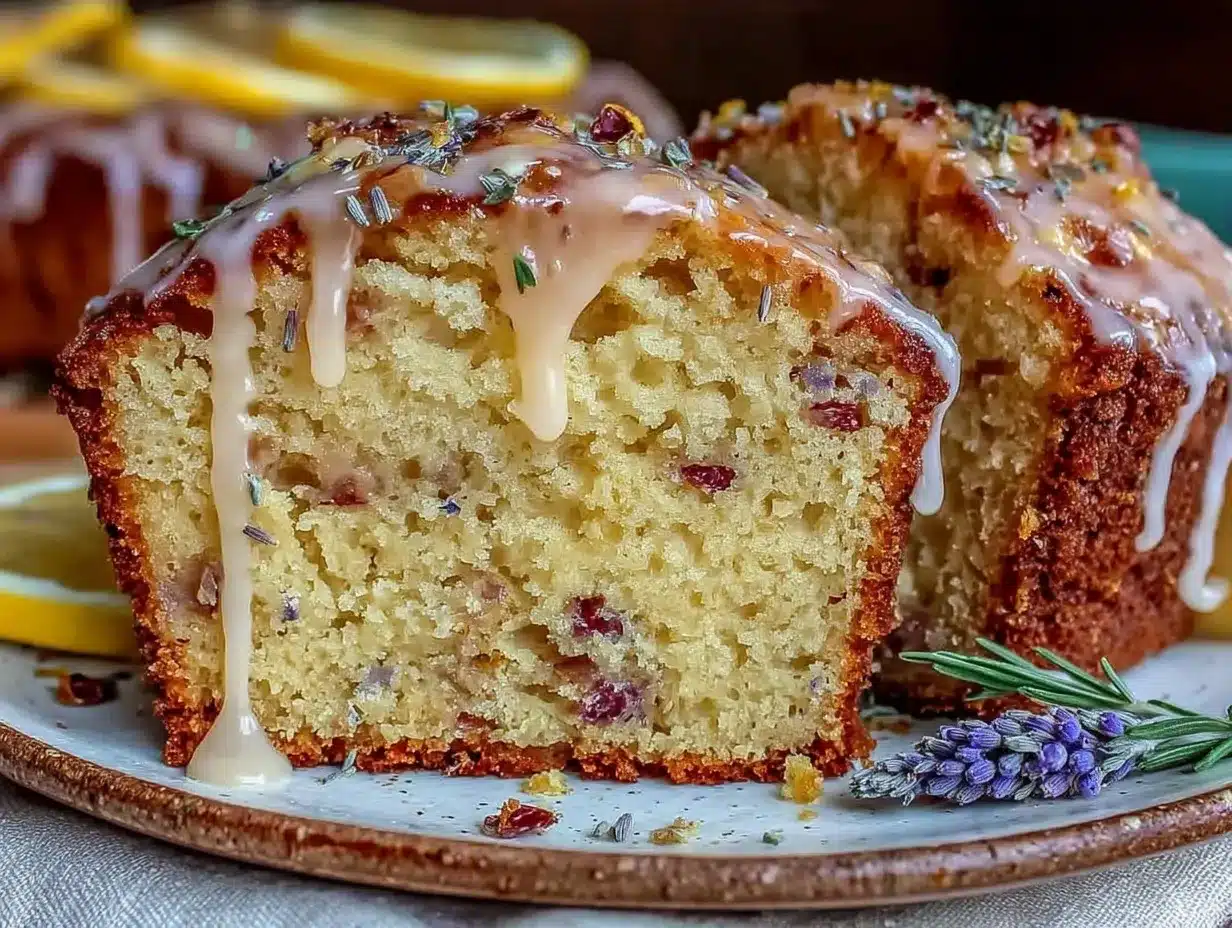
- Glaze and serve: Drizzle the glaze over the top of the warm cake using a spoon or spatula. Let it set for 10-15 minutes before slicing. The glaze forms a shiny, sweet crust that keeps the cake moist.
Pro tip: If your cake edges brown too fast but the center isn’t done, tent it loosely with foil halfway through baking. Also, be careful not to overmix the batter after adding flour—it’s tempting to get it super smooth, but a few lumps are okay and help keep it tender.
Cooking Tips & Techniques
Getting this lemon lavender pound cake just right means paying attention to a few details I’ve learned over many bakes. First, always use room temperature ingredients. Cold eggs or butter can cause the batter to curdle and produce a dense texture. So, let them sit out for about 30 minutes beforehand.
When measuring flour, gently spoon it into your measuring cup rather than scooping directly—that avoids packing and an overly dry cake. Sifting the flour and powdered sugar helps avoid lumps, especially important for the delicate glaze.
Be careful with the lavender—too much can make the cake taste soapy or bitter. Grinding the buds finely and measuring accurately keeps the floral note subtle and lovely. I once missed this and ended up with a cake nobody wanted to eat! Lesson learned.
Timing is crucial. Start checking for doneness at 55 minutes, but remember ovens vary. Look for a golden crust and a clean toothpick test. Also, let the cake cool before glazing to prevent the sugar from melting into the cake and losing that pretty shiny finish.
Lastly, multitask by preparing the glaze while the cake cools—it saves time and keeps you in the baking flow. Trust me, having the glaze ready right when the cake is cool enough makes all the difference.
Variations & Adaptations
- Gluten-Free: Replace the all-purpose flour with a 1:1 gluten-free baking flour blend. Add an extra ¼ teaspoon xanthan gum if your blend doesn’t contain it for better structure.
- Herbal Twist: Swap lavender for fresh rosemary or thyme for a more earthy, savory note that pairs beautifully with lemon.
- Summer Berry Boost: Fold in ½ cup fresh blueberries or raspberries into the batter for a fruity surprise in every bite.
- Dairy-Free: Use coconut oil or vegan butter instead of butter, and replace buttermilk with almond or oat milk mixed with 1 tablespoon vinegar.
- Glaze Alternatives: Try a honey glaze by mixing honey with lemon juice or a light drizzle of melted dark chocolate for a rich finish.
Personally, I tried adding a teaspoon of vanilla extract once, but it muted the lavender and lemon, so I prefer sticking to the original combo. Feel free to experiment though—sometimes those “oops” moments lead to new favorites!
Serving & Storage Suggestions
This lemon lavender pound cake is best served at room temperature to let the flavors bloom. Slice it with a sharp serrated knife for clean edges. It pairs wonderfully with a cup of Earl Grey tea or a light, floral white wine if you’re feeling fancy.
For storage, keep the cake covered at room temperature for up to 2 days. After that, wrap it tightly in plastic wrap or store in an airtight container in the fridge for up to 5 days. The flavors actually deepen a bit when chilled, but the texture firms up.
To reheat, pop slices in the microwave for 10-15 seconds or warm gently in a low oven (around 300°F/150°C) for 5 minutes. Avoid overheating to keep it moist.
If you want to freeze the cake, wrap it tightly in plastic wrap and then foil. Freeze up to 3 months. Thaw overnight in the fridge before serving.
Nutritional Information & Benefits
One slice (about 1/12th of the loaf) contains approximately:
| Calories | 320 kcal |
|---|---|
| Fat | 16 g |
| Carbohydrates | 40 g |
| Protein | 4 g |
| Sugar | 25 g |
Lemon adds vitamin C and antioxidants, while lavender is known for its calming properties. Using buttermilk adds a slight tang and tenderizes the crumb. This recipe is naturally gluten and dairy-heavy, but with simple swaps, it can fit gluten-free or dairy-free diets.
From a wellness perspective, this cake feels indulgent without being overwhelming—perfect for mindful treats that satisfy cravings and lift spirits.
Conclusion
This moist lemon lavender pound cake recipe is a delightful blend of floral notes and bright citrus that’s both easy to make and deeply satisfying. Whether you’re baking for a special occasion or just because you need a sweet pick-me-up, this cake fits the bill.
Feel free to customize by adding berries or switching up the glaze to suit your taste. Honestly, it’s one of those recipes I keep tweaking slightly, but it always turns out delicious. I hope it brings a little sunshine and calm to your kitchen as it does to mine.
If you try the recipe, I’d love to hear how you made it your own—drop a comment or share your photos! Happy baking, and remember: sometimes the best desserts come from a little unexpected inspiration.
FAQs
Can I use fresh lavender instead of dried culinary lavender?
Fresh lavender can be more potent and watery, so it’s best to use dried culinary lavender buds ground finely. If using fresh, reduce the amount to about half a tablespoon and chop finely to avoid overpowering the cake.
How do I store leftover lemon lavender pound cake?
Store leftovers in an airtight container at room temperature for up to 2 days or in the fridge for up to 5 days. You can also freeze wrapped tightly for up to 3 months.
Is there a way to make this cake vegan?
Yes! Replace butter with vegan butter or coconut oil, eggs with flax eggs (1 tablespoon ground flaxseed + 3 tablespoons water per egg), and buttermilk with plant-based milk plus vinegar.
What can I substitute for buttermilk?
Mix ½ cup of milk (dairy or plant-based) with 1 teaspoon of lemon juice or white vinegar. Let it sit for 5 minutes to curdle before using as a buttermilk substitute.
How do I prevent the lavender flavor from being too strong or bitter?
Use culinary-grade dried lavender and grind it finely. Measure carefully—1 tablespoon is enough. Overuse or poor-quality lavender can produce bitterness or a soapy taste.
Pin This Recipe!

Moist Lemon Lavender Pound Cake

A moist and fragrant lemon lavender pound cake with a shiny lemon glaze, perfect for an easy homemade dessert that impresses with minimal effort.
- Prep Time: 15 minutes
- Cook Time: 55-65 minutes
- Total Time: 70-80 minutes
- Yield: 12 servings 1x
- Category: Dessert
- Cuisine: American
Ingredients
- 2 ½ cups (315 g) all-purpose flour, sifted
- 1 cup (227 g) unsalted butter, softened
- 1 ¾ cups (350 g) granulated sugar
- 4 large eggs, room temperature
- ½ cup (120 ml) buttermilk, room temperature
- Zest of 2 lemons (about 2 tablespoons), finely grated
- ¼ cup (60 ml) fresh lemon juice, strained
- 1 tablespoon dried culinary lavender buds, finely ground
- 1 teaspoon baking powder
- ½ teaspoon baking soda
- ½ teaspoon salt
- For the glaze:
- 1 cup (120 g) powdered sugar, sifted
- 2 tablespoons (30 ml) fresh lemon juice
- 1 tablespoon (15 ml) milk or cream (optional for thinner glaze)
Instructions
- Preheat oven to 350°F (175°C). Lightly grease a 9×5-inch loaf pan with butter and dust with flour or line with parchment paper.
- In a large bowl, beat softened butter and granulated sugar with an electric mixer on medium speed for 4-5 minutes until pale and fluffy.
- Add eggs one at a time, beating well after each addition.
- Stir in lemon zest and fresh lemon juice.
- In a separate bowl, whisk together sifted flour, ground lavender, baking powder, baking soda, and salt.
- Gradually add the dry ingredients to the butter mixture in three parts, alternating with buttermilk, starting and ending with dry ingredients. Mix on low speed or fold gently to avoid overmixing.
- Pour batter into prepared pan and smooth the top.
- Bake for 55-65 minutes, checking at 55 minutes with a toothpick; it should come out clean or with a few moist crumbs.
- Cool cake in pan for 15 minutes, then transfer to a wire rack to cool completely.
- Whisk together powdered sugar and lemon juice for the glaze; add milk or cream if desired for thinner consistency.
- Drizzle glaze over warm cake and let set for 10-15 minutes before slicing.
Notes
Use room temperature ingredients for best results. Be careful not to overmix after adding flour to keep the cake tender. Tent with foil if edges brown too quickly. Grind lavender finely and measure accurately to avoid bitterness. Prepare glaze while cake cools for efficiency.
Nutrition
- Serving Size: 1 slice (1/12th of t
- Calories: 320
- Sugar: 25
- Fat: 16
- Carbohydrates: 40
- Protein: 4
Keywords: lemon pound cake, lavender cake, lemon lavender dessert, easy pound cake, homemade dessert, floral cake, lemon glaze