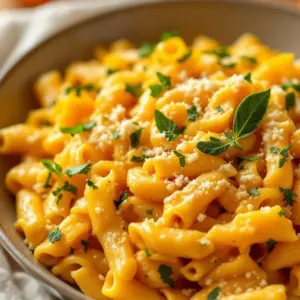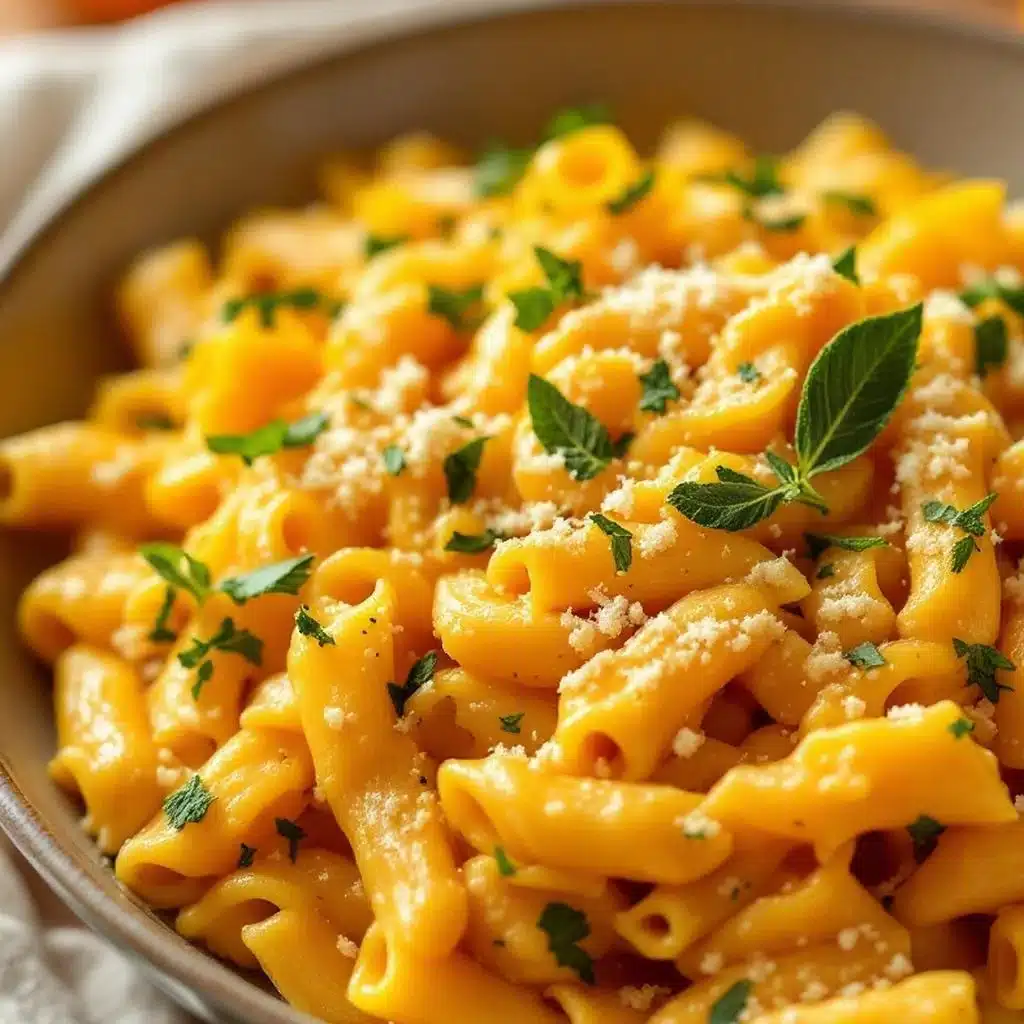
I burned the butternut squash three times before I figured out why my creamy butternut squash mac and cheese tasted like charcoal instead of comfort.
Let’s face it, I have a habit of trusting my eyes over my thermometer. I thought roasting at 450 degrees would speed things up, but all it did was turn the sugars in the squash into bitter ash before the inside was even tender. The first batch was inedible. The second batch was okay, but it lacked that deep, caramelized sweetness that makes this dish sing.
I honestly didn’t think I could pull off a vegan version that felt as rich as the dairy-heavy ones I grew up eating. I was skeptical. But after tweaking the roasting temperature down to 400 degrees and adding a splash of apple cider vinegar to cut through the richness, something clicked.
The result wasn’t just good; it was the kind of meal that makes you stop talking and just eat. It’s velvety, it’s warm, and it has this subtle earthiness that pairs perfectly with sharp nutritional yeast. I’ve made it for every dinner party since, and it’s become my go-to for when I need to feed a crowd without spending hours in the kitchen.
This recipe stuck with me because it proved that you don’t need cheese or cream to make something truly soulful. It’s just patience, good squash, and a little bit of love. If you’re tired of the same old pasta night, this might be the one that changes your mind.
Why You’ll Love This Recipe
There is a specific magic that happens when you blend roasted vegetables with a creamy sauce. It’s not just about being vegan; it’s about unlocking a level of texture that dairy often struggles to achieve without being heavy. I’ve tested this creamy butternut squash mac and cheese dozens of times, and the consistency is always spot-on. Here is why this recipe stands out from the crowd:
- Quick & Easy: You can have this on the table in under 45 minutes. The roasting happens while you boil the pasta, so you aren’t just staring at the oven door. It’s perfect for those busy weeknights when you want something gourmet but don’t have the energy to chop a thousand vegetables.
- Simple Ingredients: You likely already have most of these items in your pantry. No fancy grocery trips needed. Just squash, pasta, plant milk, and a few pantry staples. It’s wholesome, simple cooking at its finest.
- Perfect for Fall: As the weather turns cooler, this dish feels like a warm hug. It’s ideal for cozy dinners, harvest gatherings, or when you just need a boost of seasonal flavors.
- Crowd-Pleaser: Even the biggest cheese lovers in your life will devour this. The savory depth from the nutritional yeast and the sweetness from the squash create a balance that everyone enjoys.
- Unbelievably Delicious: The texture is silky and smooth, not grainy or separated. It coats every noodle perfectly, giving you that classic mac and cheese mouthfeel without the dairy heaviness.
What makes this different from other vegan mac and cheese recipes is the roasting step. Many people just steam the squash, which leaves it watery. Roasting concentrates the flavor and adds a nutty undertone that ties the whole dish together. It’s not just another version; it’s the best version because it respects the ingredient enough to cook it properly.
This recipe isn’t just good—it is the kind that makes you close your eyes after the first bite. It’s comfort food reimagined, healthier, faster, but with the same soul-soothing satisfaction. Perfect for impressing guests without stress, or turning a simple meal into something memorable.
What Ingredients You Will Need
This recipe uses simple, wholesome ingredients to deliver bold flavor and satisfying texture without the fuss. The key is quality produce and smart substitutions to get that creamy mouthfeel. Here is what you need to gather:
For the Roasted Squash Base
- Butternut Squash: 1 medium-sized squash, peeled, seeded, and cubed. Look for one that feels heavy for its size; it indicates moisture and sweetness. (adds richness)
- Olive Oil: 2 tablespoons. I prefer using a high-quality extra virgin olive oil for roasting to add a fruity note.
- Maple Syrup: 1 tablespoon. Just a touch to help caramelize the edges. Don’t skip this; it balances the savory elements.
- Garlic Cloves: 3 cloves, smashed. Roasting them softens their bite and adds a deep, aromatic background note.
- Apple Cider Vinegar: 1 teaspoon. This is the secret weapon. It cuts the richness and brightens the earthy squash flavor.
For the Creamy Sauce
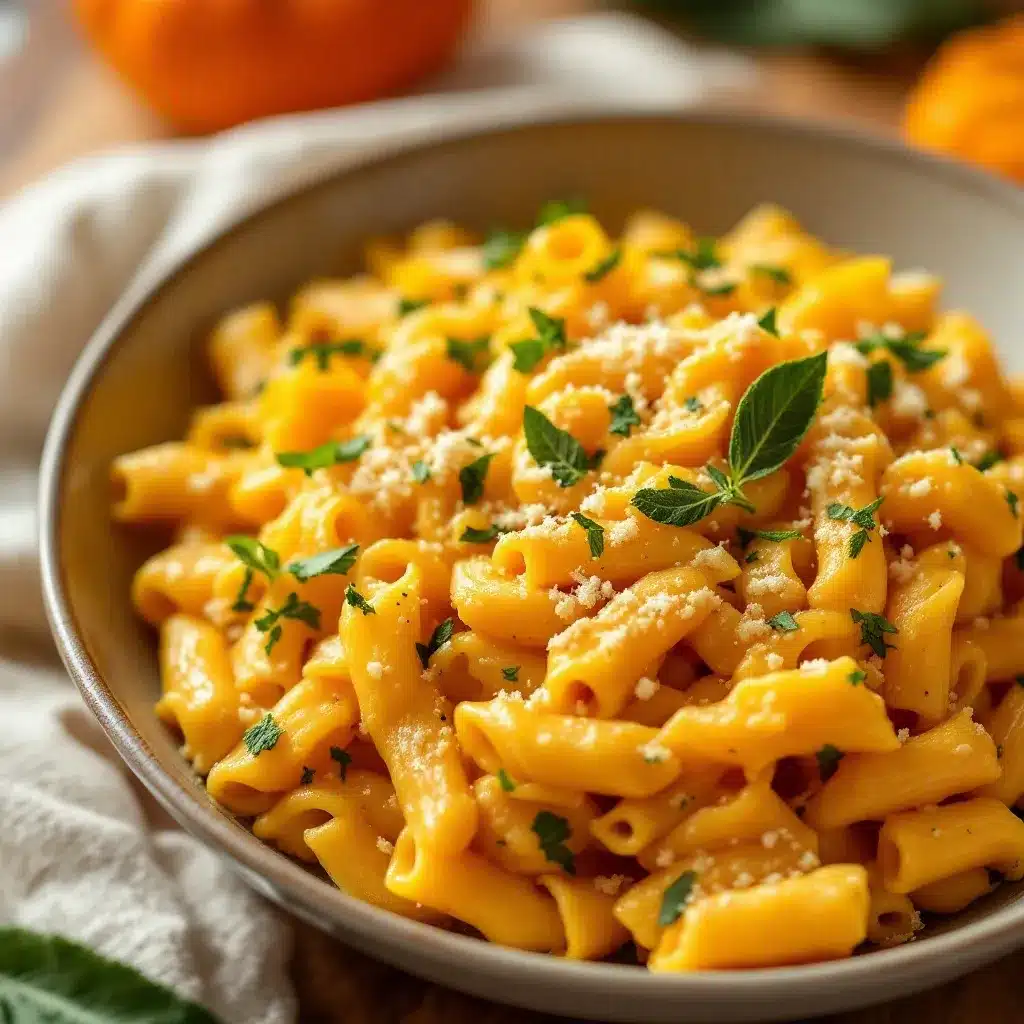
- Unsweetened Plant Milk: 1 cup. I recommend Barista Edition Oat Milk for its natural creaminess and ability to hold up to heat without separating. Almond milk works too, but it’s thinner.
- Nutritional Yeast: 1/4 cup. This is non-negotiable for that “cheesy” flavor. It adds B-vitamins and a savory umami punch.
- Vegetable Broth: 1/2 cup. Use a low-sodium version so you can control the saltiness yourself.
- Dijon Mustard: 1 teaspoon. Adds a tangy complexity that mimics the sharpness of aged cheese.
- Garlic Powder: 1/2 teaspoon. For an extra layer of garlic flavor that distributes evenly.
- Smoked Paprika: 1/2 teaspoon. Gives a subtle smokiness that pairs beautifully with the roasted squash.
- Sea Salt and Black Pepper: To taste. Always season at the end to adjust for your palate.
For the Pasta
- Macaroni or Shell Pasta: 12 ounces. I love using cavatappi or shells because they hold the sauce in their nooks and crannies. Make sure it is gluten-free if needed.
For the Crunchy Topping (Optional)
- Panko Breadcrumbs: 1/2 cup. Toasted in a little olive oil for extra crunch.
- Fresh Parsley: Chopped, for garnish and freshness.
Equipment Needed
You don’t need anything fancy to make this creamy butternut squash mac and cheese, but having the right tools makes a huge difference in texture and ease.
- Roasting Pan: A large rimmed baking sheet is essential. Make sure it’s big enough to hold the squash in a single layer. Crowding the pan leads to steaming instead of roasting, which means you miss out on that caramelization.
- Immersion Blender or Standard Blender: An immersion blender is my favorite for this because you can blend the squash directly in the pot, saving on cleanup. If you use a standard blender, be careful with hot liquids and blend in batches.
- Large Pot: For boiling the pasta. Make sure it has enough room for the pasta to move around freely.
- Saucepan: A medium-sized pot for heating the sauce. Non-stick is helpful here to prevent the sauce from sticking to the bottom.
- Peeler or Knife: Peeling butternut squash can be tricky. A sturdy vegetable peeler works well for the top layer, but you’ll need a sharp chef’s knife for the hard neck and body. Take your time and be careful.
If you don’t have an immersion blender, a high-speed blender works great too. Just let the squash cool slightly before blending to avoid steam burns. For a budget-friendly option, any basic blender will do; you might just need to blend a bit longer to get it smooth.
Preparation Method
Making this creamy butternut squash mac and cheese is straightforward, but there are a few steps that require attention to detail. Here is exactly how to do it, step by step.
- Preheat and Prep the Oven: Start by preheating your oven to 400°F (200°C). Line a large baking sheet with parchment paper for easy cleanup. This is important because the maple syrup can stick and burn if you don’t use parchment.
- Roast the Squash: Place the cubed butternut squash on the baking sheet. Drizzle with olive oil and sprinkle with salt, pepper, and maple syrup. Toss everything with your hands until the squash is evenly coated. Spread it out in a single layer. Roast for 25-30 minutes, flipping halfway through, until the squash is tender and the edges are caramelized. The garlic cloves can be added to the pan for the last 10 minutes so they don’t burn. (Time: ~30 minutes)
- Boil the Pasta: While the squash is roasting, bring a large pot of salted water to a boil. Add your pasta and cook according to the package directions until al dente. Reserve 1 cup of the starchy pasta water before draining. This water is gold for thickening the sauce later. (Time: ~10 minutes)
- Blend the Sauce Base: In a medium saucepan over medium heat, combine the roasted squash (and roasted garlic), plant milk, vegetable broth, nutritional yeast, Dijon mustard, garlic powder, smoked paprika, and apple cider vinegar. If using a standard blender, let the mixture cool slightly, then blend until completely smooth. If using an immersion blender, blend directly in the pot. (Time: ~5 minutes)
- Simmer the Sauce: Pour the blended mixture back into the saucepan if you used a blender. Heat over medium-low heat, stirring constantly. If the sauce is too thick, add the reserved pasta water one tablespoon at a time until you reach your desired consistency. Let it simmer for 2-3 minutes to thicken slightly. (Time: ~5 minutes)
- Combine Pasta and Sauce: Add the drained pasta to the saucepan with the sauce. Toss gently but thoroughly to coat every noodle. If it looks dry, add a splash more pasta water. Taste and adjust seasoning with more salt, pepper, or nutritional yeast if needed. (Time: ~2 minutes)
- Toast the Topping (Optional): In a small pan, heat a tablespoon of olive oil and toast the panko breadcrumbs until golden brown. Sprinkle this over the mac and cheese just before serving for added texture.
- Serve: Divide into bowls and garnish with fresh parsley. Serve immediately while hot and creamy.
Cooking Tips & Techniques
There are a few professional tricks I’ve picked up along the way that will ensure your creamy butternut squash mac and cheese turns out perfectly every time.
Don’t Skip the Roasting: I know it’s tempting to just steam the squash to save time, but steaming leaves too much water in the vegetable. When you blend steamed squash with milk, your sauce can become thin and watery. Roasting evaporates that moisture and concentrates the flavor, giving you a thicker, richer base naturally.
Use Starchy Pasta Water: Never throw away the pasta water! The starch in the water helps emulsify the sauce, making it cling to the pasta rather than pooling at the bottom of the bowl. Add it gradually; you want a glossy coating, not a soup.
Balance the Acidity: Squash is naturally sweet and earthy. The apple cider vinegar and Dijon mustard are crucial here. They provide the necessary acidity to cut through the creaminess and wake up the palate. If you taste the sauce and it feels “flat,” it probably needs a bit more acid, not more salt.
Watch the Heat: When heating the plant milk and nutritional yeast mixture, keep the heat on medium-low. High heat can cause some plant milks to separate or curdle, especially if they have high protein content. Gentle simmering keeps the sauce smooth and velvety.
Season in Layers: Don’t just salt at the end. Season the squash before roasting, and then adjust the sauce after blending. This ensures that every bite has depth of flavor.
Variations & Adaptations
One of the best things about this recipe is how flexible it is. You can easily adapt it to fit your dietary needs or taste preferences.
- Gluten-Free Option: Simply swap the regular pasta for a gluten-free blend. Brown rice pasta or chickpea pasta works well, though chickpea pasta has a stronger flavor that pairs nicely with the savory sauce.
- Low-Carb/Keto: Replace the pasta with roasted cauliflower florets or zucchini noodles. The sauce will coat the vegetables beautifully, creating a lighter but still satisfying meal.
- Protein-Packed: Stir in some cooked lentils or chickpeas for extra protein and fiber. This makes the dish even more filling and heart-healthy.
- Spicy Kick: Add a pinch of cayenne pepper or a dash of hot sauce to the sauce if you like some heat. It contrasts really well with the sweet squash.
- Different Veggie Twist: You can substitute half the squash with roasted sweet potatoes or carrots. This changes the color to a brighter orange and adds a slightly different sweetness profile.
I once tried adding some sautéed spinach to the mix, and it turned out surprisingly good. The green contrasted nicely with the orange sauce, and it felt like a complete one-bowl meal. Feel free to experiment and make it your own.
Serving & Storage Suggestions
This creamy butternut squash mac and cheese is best served immediately while the sauce is hot and the pasta is tender. It’s perfect for a cozy dinner paired with a simple green salad or some roasted Brussels sprouts. A glass of white wine, like a Chardonnay or a Pinot Grigio, complements the earthy flavors beautifully.
If you have leftovers (which is rare!), store them in an airtight container in the refrigerator for up to 3-4 days. The pasta will continue to absorb the sauce, so it might thicken up overnight. To reheat, add a splash of plant milk or water to loosen the sauce. Reheat gently on the stovetop over low heat, stirring frequently, or in the microwave in 30-second intervals.
You can also freeze this dish for up to 2 months. Thaw it in the refrigerator overnight before reheating. The texture might change slightly after freezing, becoming a bit softer, but the flavor remains delicious. The flavors actually develop and meld together nicely over time, making it great for meal prep.
Nutritional Information & Benefits
One of the reasons I love this creamy butternut squash mac and cheese is that it’s genuinely good for you. Butternut squash is packed with vitamins A and C, which are essential for immune health and skin vitality. It’s also high in fiber, which aids digestion and keeps you feeling full longer.
By using plant milk and nutritional yeast, this dish is free from dairy and cholesterol, making it heart-healthy and suitable for vegans. Nutritional yeast is a great source of B-vitamins, particularly B12, which is often lacking in plant-based diets.
While it is a comfort food, it’s not loaded with heavy creams or saturated fats. It’s a balanced meal that provides sustained energy. Just be mindful of the sodium in the vegetable broth and pasta, and opt for low-sodium versions where possible. It’s a wholesome, nourishing dish that you can feel good about eating.
Conclusion
This creamy butternut squash mac and cheese is more than just a pasta dish; it’s a celebration of simple, seasonal ingredients. It’s rich, it’s comforting, and it’s surprisingly easy to make. I hope you try this recipe and find it to be your new favorite weeknight dinner.
Feel free to customize it with your favorite toppings or vegetables. Cooking should be fun and flexible, so don’t be afraid to make it your own. If you make this, I’d love to hear how it turned out for you. Leave a comment below with your thoughts or share your variations.
Happy cooking, and enjoy every bite of this cozy, delicious meal!
Frequently Asked Questions
Can I use frozen butternut squash?
Yes, you can use frozen butternut squash, but it will release more water during cooking. I recommend thawing it first and patting it dry with paper towels before roasting to ensure it caramelizes properly instead of steaming.
What is the best substitute for nutritional yeast?
If you can’t have nutritional yeast, you can use a combination of miso paste and a little lemon juice to mimic the savory, tangy flavor. However, nutritional yeast is the closest match for that classic “cheesy” taste in vegan cooking.
How do I make the sauce thicker?
If your sauce is too thin, let it simmer for a few more minutes to reduce. You can also add a small amount of cornstarch slurry (1 teaspoon cornstarch mixed with 1 tablespoon water) and stir it in until thickened. Alternatively, use less plant milk when blending.
Can I add protein to this dish?
Absolutely! Stirred-in cooked chickpeas, lentils, or even some shredded vegan chicken or tempeh can add a nice protein boost. It makes the meal even more filling and balanced.
Does this recipe work for meal prep?
Yes, it works great for meal prep. Store the pasta and sauce separately if you plan to keep them for more than a day, as the pasta will absorb the sauce over time. Reheat with a splash of milk to refresh the texture.
Pin This Recipe!
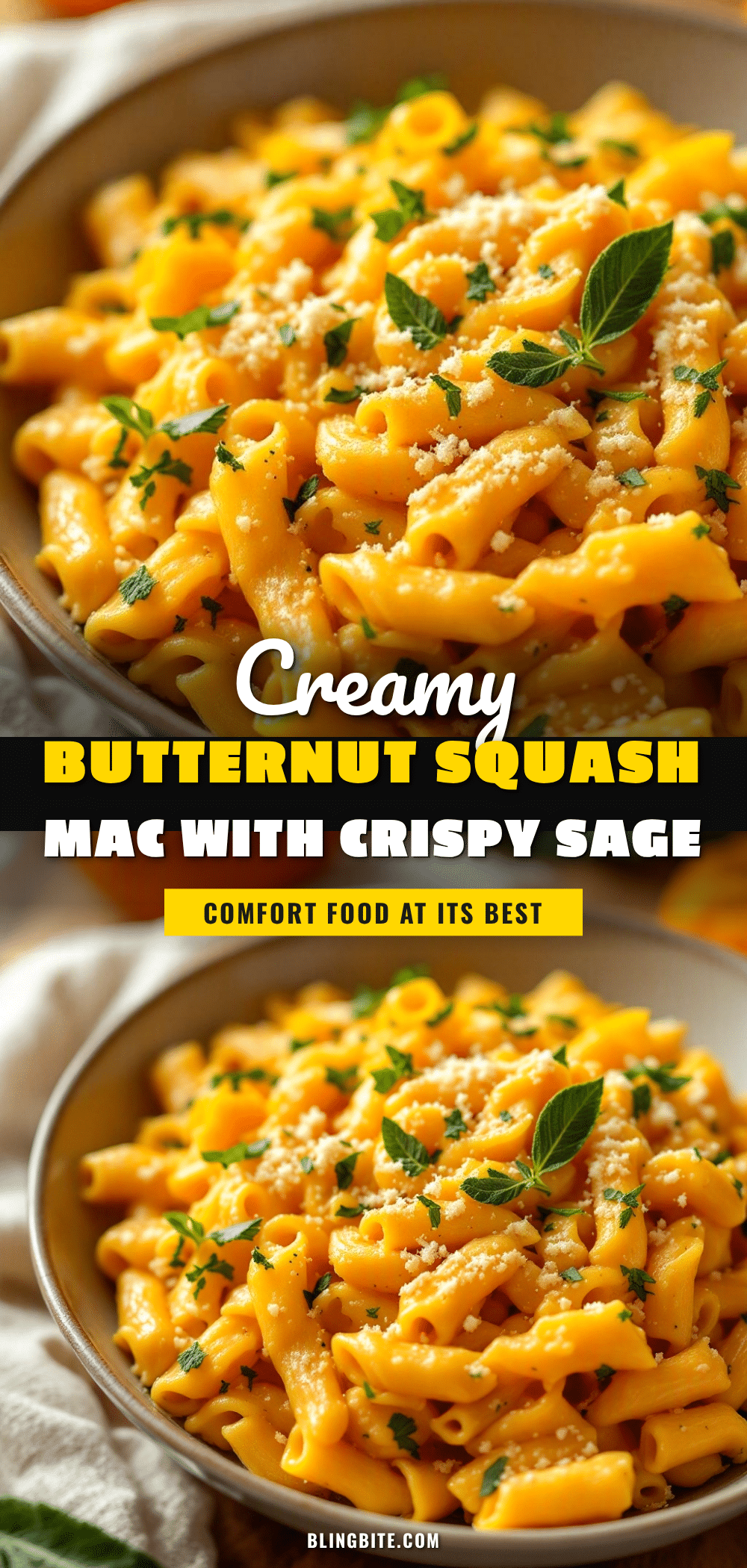
Creamy Butternut Squash Mac and Cheese: Easy Vegan Comfort Food

A rich, velvety vegan mac and cheese made with roasted butternut squash and nutritional yeast, offering a dairy-free comfort food experience that is ready in under 45 minutes.
- Prep Time: 15 minutes
- Cook Time: 30 minutes
- Total Time: 45 minutes
- Yield: 4 servings 1x
- Category: Main Course
- Cuisine: American
Ingredients
- 1 medium butternut squash, peeled, seeded, and cubed
- 2 tablespoons olive oil
- 1 tablespoon maple syrup
- 3 garlic cloves, smashed
- 1 teaspoon apple cider vinegar
- 1 cup unsweetened plant milk (Barista Edition Oat Milk recommended)
- 1/4 cup nutritional yeast
- 1/2 cup low-sodium vegetable broth
- 1 teaspoon Dijon mustard
- 1/2 teaspoon garlic powder
- 1/2 teaspoon smoked paprika
- Sea salt and black pepper, to taste
- 12 ounces macaroni or shell pasta (gluten-free if needed)
- 1/2 cup panko breadcrumbs (optional, for topping)
- Fresh parsley, chopped (optional, for garnish)
Instructions
- Preheat oven to 400°F (200°C). Line a large baking sheet with parchment paper.
- Place cubed butternut squash on the baking sheet. Drizzle with olive oil and sprinkle with salt, pepper, and maple syrup. Toss to coat evenly and spread in a single layer.
- Roast squash for 25-30 minutes, flipping halfway, until tender and caramelized. Add smashed garlic cloves to the pan for the last 10 minutes of roasting.
- While squash roasts, bring a large pot of salted water to a boil. Cook pasta according to package directions until al dente. Reserve 1 cup of starchy pasta water before draining.
- In a medium saucepan over medium heat, combine roasted squash, roasted garlic, plant milk, vegetable broth, nutritional yeast, Dijon mustard, garlic powder, smoked paprika, and apple cider vinegar.
- Blend the mixture until completely smooth using an immersion blender directly in the pot or a standard blender (let cool slightly first).
- Return the blended sauce to the saucepan if using a standard blender. Heat over medium-low heat, stirring constantly. Add reserved pasta water one tablespoon at a time to reach desired consistency. Simmer for 2-3 minutes to thicken.
- Add drained pasta to the saucepan and toss thoroughly to coat. Adjust seasoning with salt, pepper, or nutritional yeast if needed.
- Optional: In a small pan, toast panko breadcrumbs in olive oil until golden. Sprinkle over mac and cheese before serving.
- Serve immediately, garnished with fresh parsley.
Notes
Do not skip the roasting step; steaming squash leaves too much water, resulting in a thin sauce. Use starchy pasta water to help emulsify the sauce. Keep heat on medium-low when heating plant milk to prevent separation. Season in layers for best flavor.
Nutrition
- Serving Size: 1 bowl
- Calories: 450
- Sugar: 12
- Sodium: 600
- Fat: 12
- Saturated Fat: 2
- Carbohydrates: 75
- Fiber: 8
- Protein: 15
Keywords: vegan mac and cheese, butternut squash recipe, dairy-free comfort food, easy vegan dinner, fall recipes, gluten-free option