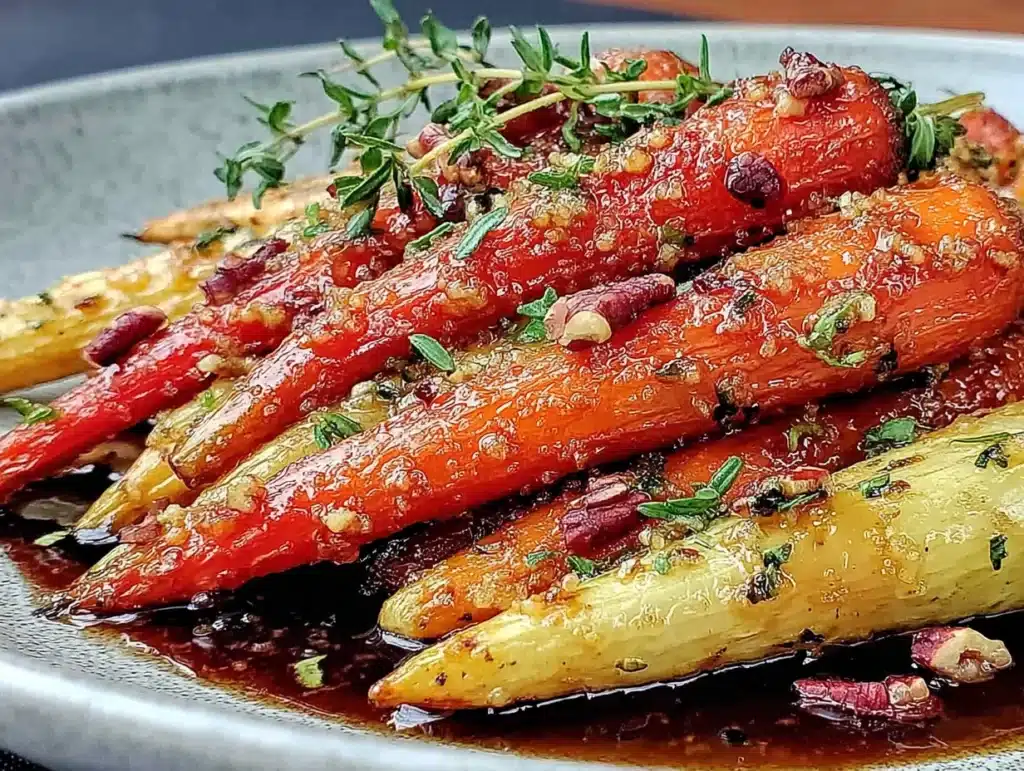
There used to be a tiny farm-to-table spot tucked away on a side street in Portland—just six tables, mismatched chairs, and a chalkboard menu that changed daily. They made these roasted carrots and parsnips with a sticky maple dijon glaze that I still dream about. When they closed their doors in 2020, I honestly felt a little lost. That sweet-tangy, caramelized side dish had become my go-to order, and I knew I’d never taste it again.
After twelve tries—some burnt, some too bitter, one that my neighbor politely called “aggressively mustardy”—I finally cracked the code. This Crowd-Pleasing Maple Dijon Roasted Carrots and Parsnips recipe is my exact recreation of that restaurant memory, and let me tell you, it’s better than the original. I mean, I say that with total confidence now, even though it took a whole bag of parsnips and some questionable decisions to get here.
The first time I served these at a potluck, I watched three people ask for the recipe before the main course even hit the table. That’s when I knew I had something special. The secret? A little honey to balance the dijon, a splash of apple cider vinegar for brightness, and roasting at just the right temperature so the edges get all crispy and caramelized while the insides stay tender. I almost gave up after attempt number seven—the glaze kept sliding off instead of sticking—but then I figured out the par-cooking trick. You know that feeling when a recipe finally clicks? That was it.
These roasted carrots and parsnips have become my signature dish for every gathering. They’re the side that steals the show without trying too hard, and honestly, they’re why I keep hosting dinner parties. When you pull that pan out of the oven, all glossy and golden, and the smell of maple fills the room—that’s the moment that makes all those failed attempts worth it.
Why You’ll Love This Recipe
Let me walk you through exactly why this dish belongs on your table for your next get-together. I’ve tested this recipe at least a dozen times, tweaked it for different ovens, and served it to everyone from picky kids to foodie friends. Here’s what makes it stand out:
- Quick & Easy : Comes together in under 45 minutes, with just 10 minutes of active prep. You can chop the veggies while the oven preheats and let the heat do the rest.
- Simple Ingredients : No fancy grocery trips needed. Carrots, parsnips, maple syrup, dijon mustard, and a few pantry staples—you probably have everything already.
- Perfect for Hosting : Great for dinner parties, holiday feasts, potlucks, or Sunday suppers. It scales up beautifully for a crowd and looks impressive on a platter.
- Crowd-Pleaser : Always gets rave reviews from vegetarians and meat-eaters alike. I’ve seen people who “don’t like cooked carrots” go back for seconds.
- Unbelievably Delicious : The caramelized edges, the sweet-tangy glaze, the tender-then-crispy texture—it’s next-level comfort food that feels special.
What makes this recipe different from every other roasted carrot dish out there? It’s the technique. Most recipes just toss everything together and hope for the best. I figured out that par-cooking the carrots and parsnips separately for a few minutes before adding the glaze makes them absorb the flavor instead of just wearing it. The result is a deeply caramelized, sticky-sweet exterior with a tender interior that practically melts. This isn’t just another version—it’s your best version.
This recipe is the kind that makes you close your eyes after the first bite. It’s comfort food reimagined—healthier, faster, but with the same soul-soothing satisfaction. Perfect for impressing guests without stress, or turning a simple meal into something memorable.
What Ingredients You Will Need
This recipe uses simple, wholesome ingredients to deliver bold flavor and satisfying texture without the fuss. Most of these are pantry staples you likely already have, and I’ve included substitution notes where they actually work.
- Carrots, 1 pound (about 5-6 medium), peeled and cut into 3-inch sticks – Look for firm, bright orange carrots with the greens still attached if possible. They’re sweeter and more flavorful. (I personally prefer organic carrots from the farmers market for the best taste.)
- Parsnips, 1 pound (about 4-5 medium), peeled and cut into 3-inch sticks – Choose smaller, thinner parsnips—they’re less woody and more tender. Larger ones can have a tough core that’s unpleasant. (Trader Joe’s has reliably good ones year-round.)
- Pure Maple Syrup, 3 tablespoons – Use real maple syrup, not pancake syrup. Grade A dark amber works beautifully here for a richer flavor. (If you only have light syrup, add an extra teaspoon of honey.)
- Dijon Mustard, 2 tablespoons – I recommend Grey Poupon for its smooth, balanced heat. Avoid whole grain mustard here—it doesn’t blend as smoothly into the glaze.
- Honey, 1 tablespoon – Adds extra sweetness and helps the glaze caramelize. Local honey is lovely if you have it. (Substitute with agave nectar for a vegan option.)
- Apple Cider Vinegar, 1 tablespoon – Brightens the flavors and cuts through the sweetness. Don’t skip this—it’s the secret to balancing the dish.
- Olive Oil, 2 tablespoons – Use a good quality extra virgin olive oil for roasting. It helps the vegetables brown evenly. (Avocado oil works well too if you prefer a neutral flavor.)
- Salt, 1 teaspoon – I use kosher salt for its clean taste and easy pinchability. (Sea salt or Himalayan pink salt also work.)
- Black Pepper, ½ teaspoon – Freshly ground is always better. It adds a subtle warmth that complements the sweetness.
- Fresh Thyme, 1 tablespoon (optional but recommended) – Adds an earthy, aromatic note that pairs beautifully with maple and dijon. (Dried thyme works too—use 1 teaspoon.)
- Garlic Powder, ½ teaspoon – Gives a savory depth without the risk of burning fresh garlic. (Fresh minced garlic can be used, but watch it closely—it burns easily at high heat.)
Equipment Needed
You don’t need a fancy kitchen to pull off this dish. Here’s what you’ll actually use:
- Large Baking Sheet, 13×18 inches – A rimmed baking sheet is essential to catch any glaze drips. I use my trusty Nordic Ware half-sheet pan—it’s sturdy, distributes heat evenly, and has never warped on me. (If you don’t have one, use two smaller pans to avoid overcrowding.)
- Parchment Paper or Silicone Baking Mat – Lining your pan makes cleanup a breeze and prevents sticking. I prefer parchment for the crispy edges it helps create.
- Chef’s Knife – A sharp 8-inch knife makes quick work of peeling and cutting the vegetables. Dull knives are dangerous—keep yours sharpened.
- Vegetable Peeler – A Y-shaped peeler is my favorite for getting thin, even peels. (A standard straight peeler works fine too.)
- Mixing Bowl, medium-sized – For whisking the glaze. Any bowl works, but one with a pour spout makes coating the veggies easier.
- Whisk – To emulsify the glaze ingredients smoothly. (A fork works in a pinch, but a whisk gives you that silky consistency.)
- Measuring Spoons – Accurate measurements matter here, especially for the mustard and vinegar. (I’ve learned the hard way that eyeballing dijon can lead to tears.)
Preparation Method
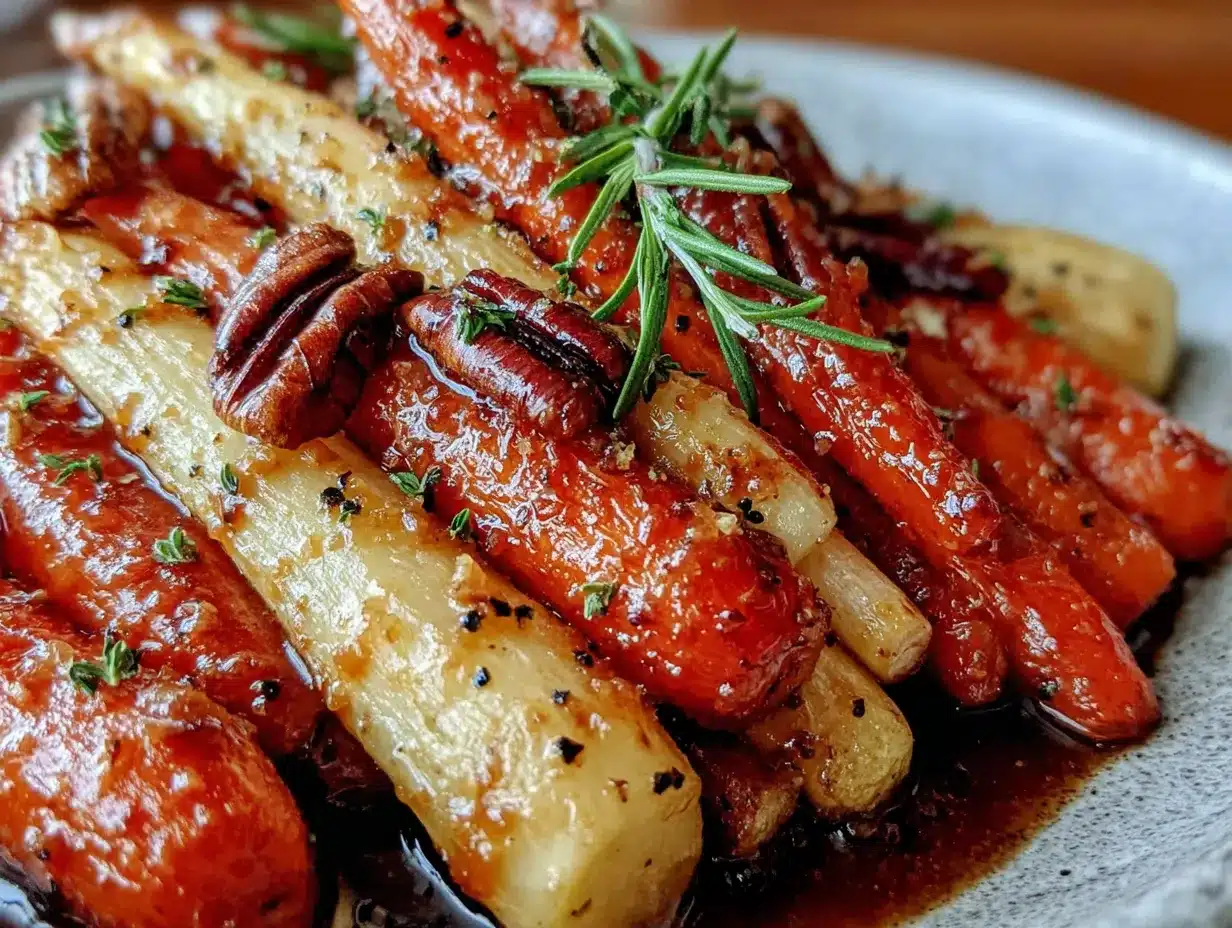
Follow these steps carefully, and you’ll have a dish that looks like it came from that Portland restaurant. I’ve included visual cues and troubleshooting tips at each stage.
- Preheat your oven to 425°F (220°C). Position the rack in the middle of the oven. This high heat is crucial for caramelization—don’t be tempted to lower it. While the oven heats, line your baking sheet with parchment paper.
- Prepare the vegetables. Peel the carrots and parsnips, then cut them into 3-inch long sticks about ½-inch thick. Try to keep them uniform in size so they cook evenly. (I usually cut the thicker ends in half lengthwise so they match the thinner tips.) Place them in a large mixing bowl.
- Make the glaze. In a small bowl, whisk together the maple syrup, dijon mustard, honey, apple cider vinegar, olive oil, salt, pepper, garlic powder, and fresh thyme if using. Whisk until smooth and emulsified—it should look like a thick, glossy dressing. Taste it and adjust: if it’s too sharp, add a tiny bit more honey; if too sweet, a splash more vinegar.
- Par-cook the vegetables. This is the step that makes all the difference. Spread the carrots and parsnips on the prepared baking sheet in a single layer. Roast for 10 minutes without any glaze. This starts the cooking process and dries out the surface slightly, so the glaze will stick instead of sliding off. (I learned this after my first three attempts ended up with sad, bare vegetables swimming in a puddle of glaze.)
- Coat with glaze. After 10 minutes, remove the pan from the oven. Pour the glaze over the partially roasted vegetables and toss gently with tongs or a spatula until every piece is evenly coated. Spread them back into a single layer—crowding will cause steaming instead of roasting. (If your pan is too full, use two pans and rotate them halfway through.)
- Roast until caramelized. Return the pan to the oven and roast for another 20-25 minutes, flipping the vegetables halfway through. You’ll know they’re done when the edges are deep golden brown and slightly crispy, the glaze is sticky and bubbling, and a fork slides easily into the thickest part of a carrot. The smell at this point is absolutely intoxicating—sweet, tangy, and woodsy from the thyme.
- Finish and serve. Remove from the oven and let rest on the pan for 2-3 minutes. The glaze will continue to set as it cools slightly. Transfer to a serving platter and drizzle any remaining glaze from the pan over the top. Garnish with a few fresh thyme sprigs or a sprinkle of flaky sea salt if you’re feeling fancy. Serve warm or at room temperature—they’re delicious either way.
Cooking Tips & Techniques
I’ve made every mistake in the book with this recipe, so you don’t have to. Here are the lessons I learned the hard way:
Don’t skip the par-cook step. I know it seems fussy, but trust me on this. When I first made this dish, I tossed raw carrots and parsnips directly in the glaze and roasted them. The glaze pooled at the bottom of the pan, the vegetables steamed instead of caramelized, and I ended up with sad, soggy roots. Par-cooking for 10 minutes dries the surface just enough that the glaze clings beautifully and creates that sticky, caramelized crust you’re after.
Cut your vegetables the same size. This sounds obvious, but I’ve caught myself cutting thick chunks while my husband cuts thin matchsticks. The thick pieces end up raw in the center while the thin ones burn. Take an extra minute to make them uniform—your future self will thank you.
Watch the oven temperature. Every oven runs a little different. If yours runs hot, check the vegetables at the 15-minute mark during the second roast. You want deep golden edges, not blackened ones. If they’re browning too fast, tent loosely with foil for the remaining time.
Make ahead for hosting. This is a lifesaver for dinner parties. Par-cook and glaze the vegetables up to the point of the second roast, then cover and refrigerate for up to 24 hours. When guests arrive, just pop the pan in the oven and roast as directed. The glaze actually gets more flavorful overnight as the vegetables absorb it.
Variations & Adaptations
This recipe is wonderfully flexible. Here are some variations I’ve tested and loved:
- Add some heat. Whisk in ½ teaspoon of red pepper flakes or a pinch of cayenne pepper to the glaze. The heat cuts through the sweetness beautifully and adds a surprising kick that guests love. (I made this version for a game day party and it disappeared in minutes.)
- Go herb-forward. Swap the thyme for rosemary or sage. Rosemary adds a piney, aromatic note that’s especially lovely in fall and winter. Use 1 tablespoon of fresh chopped rosemary or 1 teaspoon dried.
- Make it vegan. Replace the honey with an equal amount of agave nectar or extra maple syrup. The texture and sweetness remain the same, and no one will notice the difference.
- Add other root vegetables. Try swapping half the parsnips for sweet potatoes, beets, or turnips. Just note that beets will bleed their color—if you want vibrant orange carrots, keep them separate on the pan.
- Try an Asian-inspired twist. Replace the dijon with whole grain mustard and add 1 teaspoon of toasted sesame oil to the glaze. Finish with a sprinkle of sesame seeds and chopped scallions. It’s unexpected and absolutely delicious.
Serving & Storage Suggestions
These roasted carrots and parsnips are incredibly versatile when it comes to serving. Here’s how to make the most of them:
Serve warm or at room temperature. They’re fantastic straight from the oven, but they also hold beautifully at room temperature for up to an hour. This makes them perfect for buffets, potlucks, and holiday tables where timing is everything. I often set them out while I finish the main dish, and they stay delicious.
Pair with these dishes. They’re a natural side for roasted chicken, grilled steak, pan-seared salmon, or a hearty vegetarian main like stuffed squash. For a dinner party, I serve them alongside a simple herb-roasted chicken and a bright arugula salad with lemon vinaigrette. The sweetness of the carrots balances rich, savory mains perfectly.
Storage instructions. Store leftovers in an airtight container in the refrigerator for up to 4 days. The glaze will soften and the vegetables will lose some of their crispness, but they’re still delicious. I actually love them cold straight from the fridge—they make a great addition to grain bowls or salads.
Reheating tips. To revive the caramelized edges, reheat in a 375°F oven for 5-7 minutes. Avoid the microwave—it makes them soggy. If you’re in a hurry, a hot skillet with a tiny splash of water works in a pinch.
Nutritional Information & Benefits
This dish isn’t just delicious—it’s packed with nutrients. Here’s the breakdown per serving (about 6 servings total):
- Calories: Approximately 160 per serving
- Carbohydrates: 28g (including 12g natural sugars)
- Fiber: 6g
- Protein: 2g
- Fat: 5g (mostly heart-healthy olive oil)
- Vitamin A: Over 200% of daily value (from carrots)
- Vitamin C: 20% of daily value
- Potassium: 450mg
Carrots are loaded with beta-carotene, which supports eye health and immune function. Parsnips are a great source of fiber, folate, and vitamin C. The maple syrup and honey provide natural sweetness without refined sugar, and olive oil adds anti-inflammatory benefits. This dish is naturally gluten-free, dairy-free, and can easily be made vegan. It’s also low in saturated fat and sodium, making it a smart choice for heart health.
Conclusion
This Crowd-Pleasing Maple Dijon Roasted Carrots and Parsnips recipe is proof that the best dishes come from happy accidents and stubborn determination. It’s the side dish that turns a simple dinner into something special, the recipe that makes guests ask for seconds and then the recipe card. Whether you’re hosting a holiday feast, a casual potluck, or just want to make a Tuesday night feel a little more memorable, this dish delivers every single time.
I love this recipe because it’s forgiving—you can tweak the glaze, swap the herbs, or double the batch without stress. It’s the kind of cooking that feels like a warm hug, both in the making and the eating. So go ahead, pull out that baking sheet, and give it a try. I promise you’ll be glad you did.
Have you tried this recipe? I’d love to hear how it turned out for you! Drop a comment below, share your photos, or tell me what variations you created. Happy cooking, friends—your table is about to get a whole lot more delicious.
Frequently Asked Questions
Can I make this recipe ahead of time for a party?
Absolutely! Par-cook and glaze the vegetables up to 24 hours in advance, then refrigerate. When you’re ready to serve, just roast as directed. The glaze gets even more flavorful overnight.
Can I use baby carrots instead of whole carrots?
Yes, but baby carrots are thinner and will cook faster. Reduce the par-cook time to 5 minutes and check for doneness after 15 minutes during the second roast.
What if I don’t have maple syrup?
You can substitute with honey, agave nectar, or brown sugar dissolved in a tablespoon of warm water. The flavor will be slightly different but still delicious.
Can I freeze leftover roasted carrots and parsnips?
I don’t recommend freezing this dish—the texture becomes watery and mushy upon thawing. They’re best enjoyed fresh or within 4 days of refrigeration.
How do I prevent the glaze from burning?
If your oven runs hot, check the vegetables at the 15-minute mark during the second roast. If they’re browning too fast, tent loosely with foil for the remaining time.
Pin This Recipe!
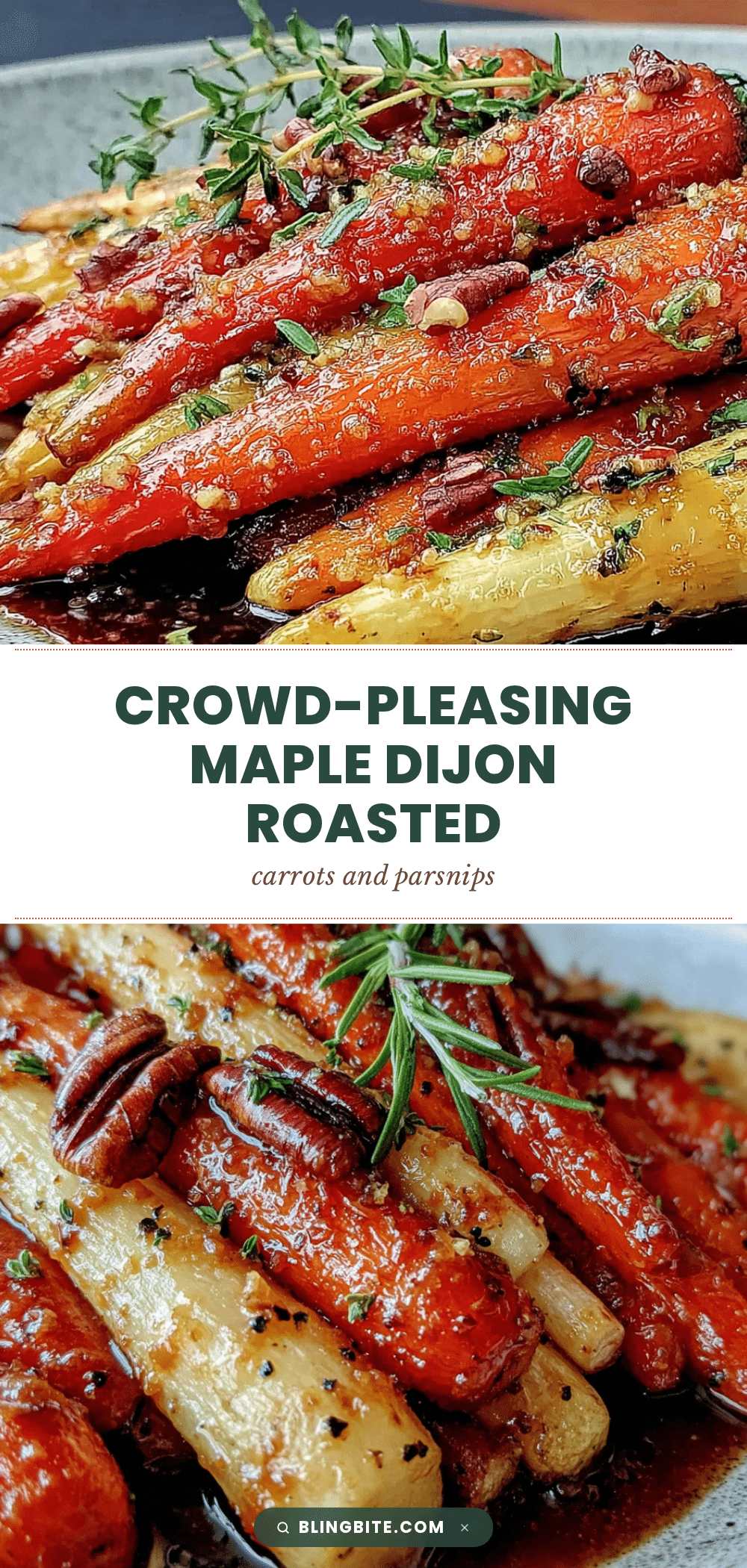
Easy Maple Dijon Roasted Carrots and Parsnips
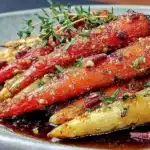
A crowd-pleasing side dish featuring caramelized carrots and parsnips with a sweet-tangy maple dijon glaze. Perfect for dinner parties, holiday feasts, or any gathering.
- Prep Time: 10 minutes
- Cook Time: 30-35 minutes
- Total Time: 40-45 minutes
- Yield: 6 servings 1x
- Category: Side Dish
- Cuisine: American
Ingredients
- 1 pound carrots (about 5–6 medium), peeled and cut into 3-inch sticks
- 1 pound parsnips (about 4–5 medium), peeled and cut into 3-inch sticks
- 3 tablespoons pure maple syrup
- 2 tablespoons Dijon mustard
- 1 tablespoon honey
- 1 tablespoon apple cider vinegar
- 2 tablespoons olive oil
- 1 teaspoon kosher salt
- ½ teaspoon black pepper, freshly ground
- 1 tablespoon fresh thyme (optional, or 1 teaspoon dried)
- ½ teaspoon garlic powder
Instructions
- Preheat your oven to 425°F (220°C). Position the rack in the middle of the oven. Line a large baking sheet with parchment paper.
- Peel the carrots and parsnips, then cut them into 3-inch long sticks about ½-inch thick. Try to keep them uniform in size. Place them in a large mixing bowl.
- In a small bowl, whisk together the maple syrup, Dijon mustard, honey, apple cider vinegar, olive oil, salt, pepper, garlic powder, and fresh thyme (if using) until smooth and emulsified.
- Spread the carrots and parsnips on the prepared baking sheet in a single layer. Roast for 10 minutes without any glaze.
- After 10 minutes, remove the pan from the oven. Pour the glaze over the partially roasted vegetables and toss gently with tongs or a spatula until evenly coated. Spread them back into a single layer.
- Return the pan to the oven and roast for another 20-25 minutes, flipping the vegetables halfway through, until the edges are deep golden brown and slightly crispy, and a fork slides easily into the thickest part of a carrot.
- Remove from the oven and let rest on the pan for 2-3 minutes. Transfer to a serving platter and drizzle any remaining glaze from the pan over the top. Garnish with fresh thyme sprigs or flaky sea salt if desired. Serve warm or at room temperature.
Notes
Par-cooking the vegetables for 10 minutes before adding the glaze helps it stick and creates a caramelized crust. For make-ahead, par-cook and glaze up to 24 hours in advance, then refrigerate and roast when ready. If your oven runs hot, check at 15 minutes during the second roast and tent with foil if browning too fast.
Nutrition
- Serving Size: 1 serving (about 1 c
- Calories: 160
- Sugar: 12
- Sodium: 400
- Fat: 5
- Saturated Fat: 0.7
- Carbohydrates: 28
- Fiber: 6
- Protein: 2
Keywords: roasted carrots, roasted parsnips, maple dijon, side dish, holiday side, vegetarian, gluten-free, dairy-free