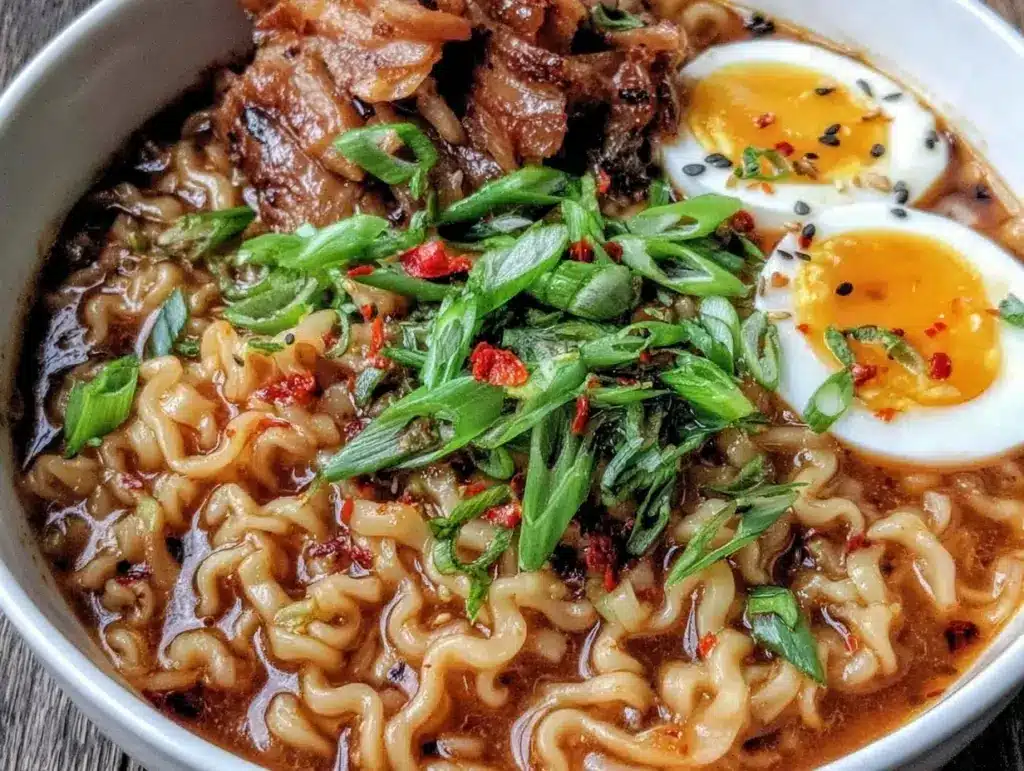
“You won’t believe where I first tasted this spicy Korean ramen with tender pork belly,” my friend Jin said, grinning as he handed me the steaming bowl. It was a chilly Thursday evening in Seoul, and the tiny nook restaurant we ducked into smelled like a mix of garlic, chili, and something irresistibly savory—something that’s stuck with me ever since. I wasn’t expecting much from a hole-in-the-wall place tucked between neon signs and busy streets, but that bowl changed my noodle game forever.
Honestly, I forgot to bring my chopsticks and ended up using a fork, making a mess but enjoying every bite nonetheless. The rich broth, the spicy kick, and those melt-in-your-mouth pork belly slices combined into a dish that felt like a warm hug on a cold night. Maybe you’ve been there—searching for that perfect bowl of ramen that hits all the right notes, the kind that makes you close your eyes after the first taste. Well, this flavorful spicy Korean ramen with tender pork belly is exactly that kind of recipe.
It’s not just about the heat; it’s about balance, texture, and layers of flavor that build slowly but surely. I mean, you can find plenty of ramen recipes out there, but this one? It’s a keeper. I keep coming back to it, tweaking here and there, but it never loses its charm. So, whether you’re a ramen rookie or a seasoned slurper, let me share how you can bring this authentic taste right into your kitchen—minus the mess I made that night!
Why You’ll Love This Recipe
I’ve tested this flavorful spicy Korean ramen with tender pork belly more times than I can count, and it’s passed every picky eater test in my house. Here’s why you’ll want to make it again and again:
- Quick & Easy: Comes together in under 45 minutes, perfect for busy weeknights when you crave something hearty but don’t want to slave over the stove.
- Simple Ingredients: No exotic shopping needed. Most items are pantry staples or easy to find at your local Asian market.
- Perfect for Cozy Nights: This bowl of ramen warms you up from the inside out—ideal for curling up with a good show or sharing with friends.
- Crowd-Pleaser: Everyone I serve it to loves it, from spice lovers to those who usually shy away from heat—because the pork belly mellows out the spice so beautifully.
- Unbelievably Delicious: The broth is rich and spicy, but the pork belly brings a tender, fatty contrast that’s next-level comfort food.
What sets this recipe apart is the way the pork belly is prepared: slow-cooked until tender and then seared for a crispy edge, giving you that satisfying chew and melt-in-mouth flavor. Plus, the broth is packed with a secret blend of Korean chili paste (gochujang), garlic, and a splash of soy sauce, making it authentically flavorful but not overwhelming. This isn’t just another spicy noodle soup—it’s a well-balanced, soul-soothing bowl that’s as fun to make as it is to eat.
What Ingredients You Will Need
This recipe uses simple, wholesome ingredients to deliver bold flavor and satisfying texture without the fuss. Most are pantry staples or easy to find at your nearest Asian grocery store.
- For the Pork Belly:
- 1 lb (450 g) pork belly, skin removed and cut into 1/2-inch thick slices
- 2 tbsp soy sauce (I like Kikkoman for a rich umami punch)
- 1 tbsp sesame oil (to add a nutty aroma)
- 1 tsp sugar (balances the savory flavors)
- 2 cloves garlic, minced
- For the Broth:
- 4 cups (960 ml) chicken broth (homemade or store-bought works)
- 2 cups (480 ml) water
- 2 tbsp gochujang (Korean chili paste – adjust to your spice level)
- 1 tbsp gochugaru (Korean chili flakes – optional for extra heat)
- 1 tbsp soy sauce
- 1 tbsp minced ginger
- 3 cloves garlic, minced
- 1 tsp sugar
- 1 tbsp vegetable oil
- For the Noodles & Toppings:
- 200 g fresh or dried ramen noodles (I recommend Nongshim brand for best texture)
- 2 soft-boiled eggs, halved
- 2 green onions, sliced thinly
- 1 sheet nori, cut into strips
- Bean sprouts (optional, for crunch)
- Sesame seeds, toasted (for garnish)
For substitutions, you can swap pork belly with pork shoulder if you want leaner meat, or use firm tofu for a vegetarian twist. If gochujang isn’t available, a mix of miso paste and chili powder can work in a pinch. Also, feel free to adjust the spice by reducing or omitting gochugaru.
Equipment Needed
- Large pot or Dutch oven for simmering the broth
- Heavy skillet or cast-iron pan for searing pork belly
- Medium saucepan to cook noodles
- Sharp knife and cutting board
- Slotted spoon or spider strainer (handy for lifting noodles or pork)
- Measuring spoons and cups
- Mixing bowl for marinating pork belly
If you don’t have a cast-iron skillet, a heavy-bottomed frying pan works fine. I once made this with a regular non-stick skillet; the pork didn’t crisp quite as well but still tasted great. For budget-friendly options, any sturdy pot you have will do for the broth. Just make sure it holds enough liquid to avoid spills.
Maintenance tip: after using the cast iron, dry it thoroughly and apply a thin layer of oil to prevent rust. Trust me, it’s worth it for the perfect pork belly sear!
Preparation Method
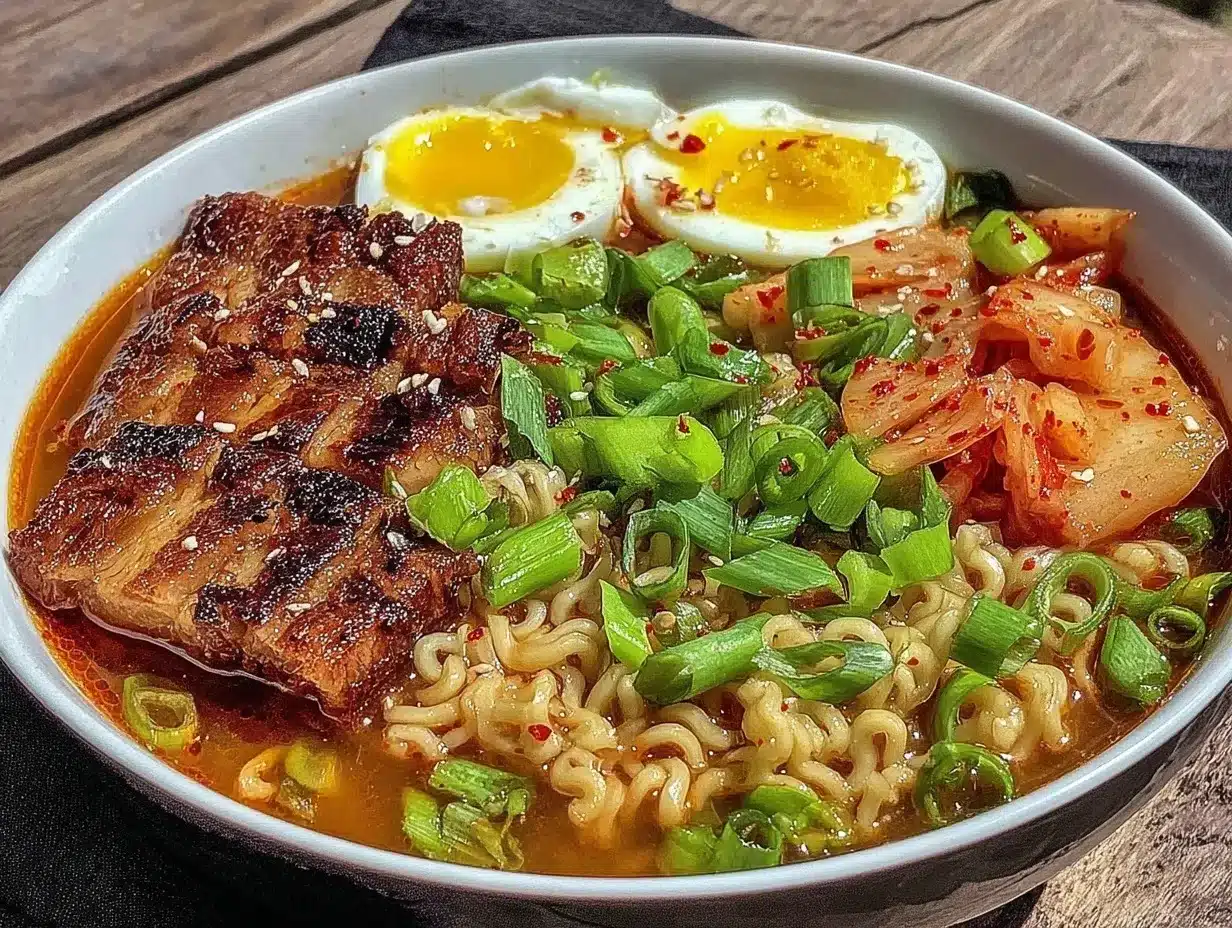
- Marinate the Pork Belly: In a mixing bowl, combine soy sauce, sesame oil, sugar, and minced garlic. Add the pork belly slices, tossing to coat evenly. Cover and refrigerate for at least 30 minutes (or up to 2 hours). This step infuses the pork with deep, savory flavor.
- Sear the Pork Belly: Heat a heavy skillet over medium-high heat. Add the marinated pork belly slices in a single layer (no crowding) and sear for about 3-4 minutes on each side until golden and slightly crispy. Remove and set aside. Watch out for splatters; pork belly releases fat quickly!
- Prepare the Broth Base: In a large pot or Dutch oven, heat vegetable oil over medium heat. Add minced garlic and ginger, sautéing until fragrant (about 1 minute). Stir in gochujang and gochugaru, cooking for another minute to deepen the chili flavors.
- Add Liquids: Pour in chicken broth and water. Stir in soy sauce and sugar. Bring to a gentle boil, then reduce heat and let it simmer uncovered for 20 minutes to allow flavors to meld. You’ll notice the broth turns a vibrant red-orange color.
- Cook the Noodles: While broth simmers, cook ramen noodles according to package instructions (usually 3-5 minutes). Drain and set aside. Pro tip: rinse briefly under cold water to stop cooking and prevent sticking.
- Soft-Boil the Eggs: Bring a small pot of water to a boil. Carefully add eggs and cook for 6-7 minutes for a jammy yolk. Transfer eggs to an ice bath immediately, then peel and halve. This adds rich creaminess to your bowl.
- Assemble the Ramen Bowls: Divide noodles into serving bowls. Ladle hot broth over noodles, then top with seared pork belly slices, egg halves, green onions, bean sprouts, nori strips, and a sprinkle of toasted sesame seeds.
- Final Touches: Taste the broth and adjust seasoning if needed—sometimes a pinch more soy or a dash of chili flakes adds that perfect final kick. Serve immediately while steaming hot.
Quick tip: If the broth tastes too spicy for your liking, a splash of milk or cream added just before serving can soften the heat without dulling the flavor.
Cooking Tips & Techniques
Getting this flavorful spicy Korean ramen just right takes a bit of know-how, but nothing too fancy. Here are some tips I’ve learned the hard way:
- Don’t Skip Marinating: Marinating the pork belly isn’t optional—it’s what gives the meat its rich, savory depth. Even 30 minutes makes a noticeable difference.
- Use Fresh Garlic and Ginger: Powdered versions won’t give you the same vibrant aroma or heat. Fresh is always best.
- Watch Your Heat: Searing pork belly on too high heat can burn the marinade sugars quickly. Medium-high is perfect to get that golden crust without bitterness.
- Simmer, Don’t Boil: Keep the broth at a gentle simmer to avoid muddy flavors and cloudy broth. A rolling boil breaks down the ingredients too fast and messes with clarity.
- Timing Is Everything: Cook noodles just before serving and don’t let them sit in hot broth too long or they’ll get mushy. Rinse under cold water to stop cooking if making ahead.
- Multitasking Hack: While the broth simmers, prep toppings and marinate pork to save time. I usually start soft-boiling eggs last so they’re fresh and warm at serving.
One time, I overcooked the eggs and ended up with chalky whites—lesson learned! Always set a timer and prepare an ice bath to cool them quickly. It’s those small details that make your ramen shine.
Variations & Adaptations
If you want to switch things up or adapt for dietary needs, here are some ideas:
- Vegetarian Version: Replace pork belly with thick slices of marinated tofu or shiitake mushrooms. Use vegetable broth instead of chicken.
- Spice Level Adjustments: For milder heat, reduce gochugaru or omit it altogether. For extra fire, add fresh sliced chili peppers or a spoonful of chili oil.
- Seasonal Veggies: In spring, toss in baby spinach or bok choy. In winter, hearty greens like kale add texture and nutrients.
- Different Cooking Methods: Instead of stovetop, pork belly can be slow-cooked in the oven for 2 hours at 300°F (150°C) before searing for crispiness.
- Personal Twist: Once, I added a splash of rice vinegar at the end to brighten the broth. It was surprising but worked beautifully with the richness.
Serving & Storage Suggestions
Serve your ramen piping hot for the best experience. The pork belly should be tender yet slightly crisp, and the broth steaming with that spicy aroma filling the room.
Pair this bowl with simple sides like kimchi, pickled radish, or even steamed dumplings. For drinks, a cold Korean beer or green tea complements the heat nicely.
Leftovers can be stored in the refrigerator for up to 2 days. Keep noodles separate from broth to prevent sogginess. Reheat broth gently on the stove and warm pork belly slices quickly in a skillet for crispness. Add fresh toppings after reheating to keep textures lively.
Flavors often deepen when the broth rests overnight, so making it a day ahead can actually improve the taste. Just reheat carefully and enjoy a bowl that’s even more comforting!
Nutritional Information & Benefits
This flavorful spicy Korean ramen with tender pork belly packs a good balance of protein, carbs, and fats. Per serving, expect roughly:
| Nutrient | Amount |
|---|---|
| Calories | 550-650 kcal |
| Protein | 30-35 g |
| Fat | 25-30 g |
| Carbohydrates | 50-55 g |
| Sodium | 800-1000 mg |
The pork belly provides rich protein and essential fats, while the broth’s garlic and ginger are known for their anti-inflammatory and digestive benefits. Gochujang adds not only heat but also beneficial probiotics from fermentation.
For gluten-free versions, use tamari instead of soy sauce and rice noodles instead of ramen. Be mindful of allergens like eggs and soy, which are common in this recipe.
From a wellness perspective, this dish offers comforting nourishment without feeling heavy, especially when balanced with fresh veggies and lean protein.
Conclusion
Flavorful spicy Korean ramen with tender pork belly isn’t just a meal—it’s a cozy, satisfying experience you can recreate at home. The blend of spicy, savory, and tender textures keeps me coming back, and I bet it will for you too. Don’t hesitate to tweak the spice, swap ingredients, or add your favorite toppings. Cooking is all about making a recipe your own.
If you try this recipe, I’d love to hear how it turned out! Drop a comment, share your twists, or let me know if you discovered a new favorite topping. Remember, the best bowls of ramen are the ones made with a little love and a dash of adventure. Enjoy every slurp!
FAQs
How long does it take to make this spicy Korean ramen?
From start to finish, it takes about 40-45 minutes, including marinating and simmering time.
Can I use a different cut of pork instead of pork belly?
Yes! Pork shoulder is a good substitute if you prefer leaner meat, though it won’t be quite as rich and tender.
Is gochujang very spicy?
Gochujang has a mild to medium heat with a sweet and savory flavor. You can adjust the amount to suit your spice tolerance.
Can I make this recipe vegetarian?
Absolutely! Use vegetable broth and replace pork belly with tofu or mushrooms for a delicious vegetarian version.
How do I store leftovers?
Keep noodles and broth separate in airtight containers in the fridge for up to 2 days. Reheat broth gently and warm pork slices before assembling.
Pin This Recipe!

Flavorful Spicy Korean Ramen with Tender Pork Belly
A rich and spicy Korean ramen featuring tender, slow-cooked pork belly and a flavorful broth made with gochujang and garlic. Perfect for cozy nights and easy to prepare in under 45 minutes.
- Prep Time: 35 minutes
- Cook Time: 10 minutes
- Total Time: 45 minutes
- Yield: 2 servings 1x
- Category: Main Course
- Cuisine: Korean
Ingredients
- 1 lb (450 g) pork belly, skin removed and cut into 1/2-inch thick slices
- 2 tbsp soy sauce
- 1 tbsp sesame oil
- 1 tsp sugar
- 2 cloves garlic, minced
- 4 cups (960 ml) chicken broth
- 2 cups (480 ml) water
- 2 tbsp gochujang (Korean chili paste)
- 1 tbsp gochugaru (Korean chili flakes, optional)
- 1 tbsp soy sauce
- 1 tbsp minced ginger
- 3 cloves garlic, minced
- 1 tsp sugar
- 1 tbsp vegetable oil
- 200 g fresh or dried ramen noodles
- 2 soft-boiled eggs, halved
- 2 green onions, sliced thinly
- 1 sheet nori, cut into strips
- Bean sprouts (optional)
- Sesame seeds, toasted (for garnish)
Instructions
- In a mixing bowl, combine soy sauce, sesame oil, sugar, and minced garlic. Add the pork belly slices, tossing to coat evenly. Cover and refrigerate for at least 30 minutes or up to 2 hours.
- Heat a heavy skillet over medium-high heat. Add the marinated pork belly slices in a single layer and sear for 3-4 minutes on each side until golden and slightly crispy. Remove and set aside.
- In a large pot or Dutch oven, heat vegetable oil over medium heat. Add minced garlic and ginger, sautéing until fragrant, about 1 minute.
- Stir in gochujang and gochugaru, cooking for another minute to deepen the chili flavors.
- Pour in chicken broth and water. Stir in soy sauce and sugar. Bring to a gentle boil, then reduce heat and simmer uncovered for 20 minutes.
- Cook ramen noodles according to package instructions (3-5 minutes). Drain and rinse briefly under cold water to stop cooking and prevent sticking.
- Bring a small pot of water to a boil. Carefully add eggs and cook for 6-7 minutes for jammy yolks. Transfer eggs to an ice bath, then peel and halve.
- Divide noodles into serving bowls. Ladle hot broth over noodles, then top with seared pork belly slices, egg halves, green onions, bean sprouts, nori strips, and toasted sesame seeds.
- Taste the broth and adjust seasoning if needed. Serve immediately while hot.
Notes
Marinate pork belly for at least 30 minutes for best flavor. Use fresh garlic and ginger for vibrant aroma. Simmer broth gently to avoid cloudy flavor. Rinse noodles under cold water after cooking to prevent mushiness. Add a splash of milk or cream to soften broth heat if desired. For gluten-free, substitute tamari for soy sauce and rice noodles for ramen.
Nutrition
- Serving Size: 1 bowl (approximatel
- Calories: 600
- Sugar: 5
- Sodium: 900
- Fat: 27
- Saturated Fat: 8
- Carbohydrates: 53
- Fiber: 3
- Protein: 32
Keywords: spicy ramen, Korean ramen, pork belly ramen, gochujang, noodle soup, easy ramen recipe, authentic Korean food