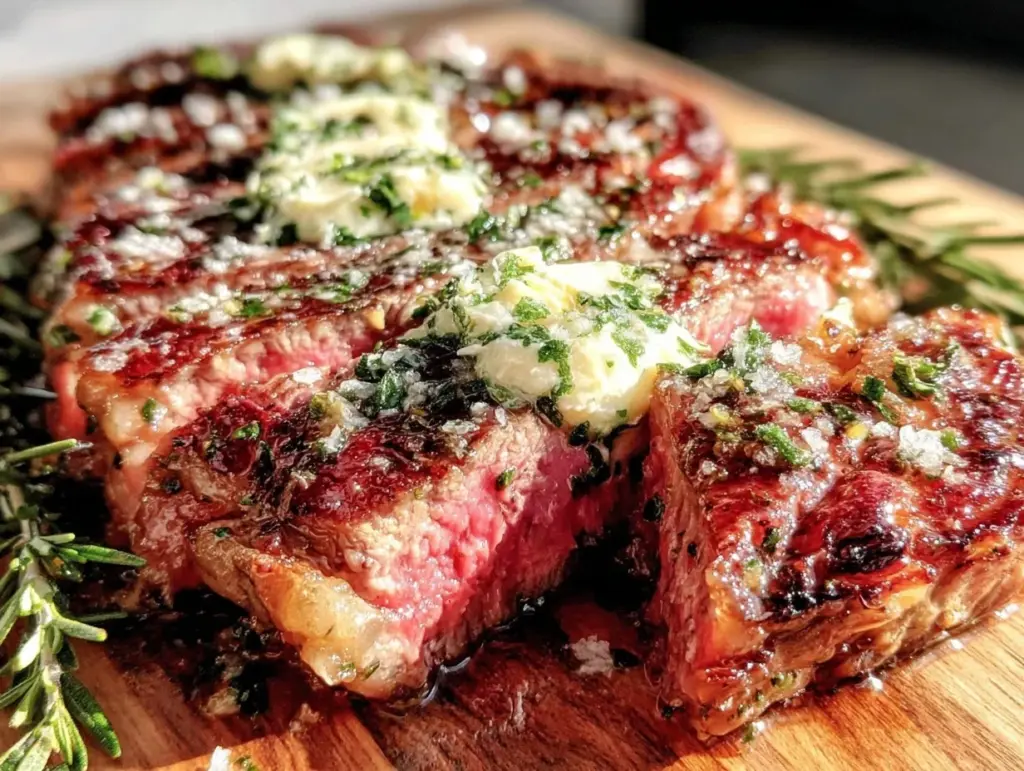
“I never thought a steak could humble me until that chilly Thursday evening at my buddy Mark’s place,” I confessed to myself while watching the sizzle in the pan. Mark, who’s usually all about quick meals, was oddly serious about his ribeye that night. See, he’d stumbled upon this ‘reverse sear’ technique that turned the simple ribeye steak into something unexpectedly glorious. Honestly, I was skeptical at first—how could cooking low and slow then searing create a steak better than just grilling or pan-frying? But the aroma of garlic herb butter melting over that perfectly crusted crust proved me wrong.
That night, while I was fumbling with a cracked mixing bowl and a distracted phone call from my neighbor mid-prep, I got hooked. Maybe you’ve been there—trying to nail a steak that’s juicy inside with a beautiful caramelized crust outside, without the stress of guesswork or flare-ups. This recipe for the perfect reverse seared ribeye steak with easy garlic herb butter isn’t just about flavor; it’s about the experience of cooking a steak that feels like a small celebration every time.
And let me tell you, this isn’t just any steak recipe. It’s the kind that makes you pause, close your eyes after the first bite, and think, “I should do this more often.” So, if you’ve ever struggled with overcooked edges or underwhelming flavor, stick around. This method brings out the best in ribeye, with a buttery, herby twist that feels both indulgent and surprisingly simple.
Why You’ll Love This Recipe
After countless trials and a few smoky mishaps, I can confidently say this recipe hits the mark every time. Here’s why it’s become my go-to for ribeye steak nights:
- Quick & Easy: The reverse sear method takes just about 40-50 minutes total, including resting time—perfect for busy evenings or impressing guests without the fuss.
- Simple Ingredients: You won’t need exotic spices or hard-to-find items. Just quality ribeye, garlic, fresh herbs, and butter—ingredients you likely have on hand.
- Perfect for Special Dinners: Whether it’s a weekend treat or an intimate dinner, this steak recipe feels special without being complicated.
- Crowd-Pleaser: Friends and family always ask for seconds. The juicy interior and crispy crust win over both steak newbies and aficionados.
- Unbelievably Delicious: The garlic herb butter adds that rich, savory finish that keeps you reaching for more.
This recipe stands apart because it carefully balances patience with technique: slow-roasting the steak inside to gently coax out even cooking, then finishing with a high-heat sear for that mouthwatering crust. Plus, the garlic herb butter isn’t just an afterthought—it’s blended to melt perfectly over the steak, infusing every bite with fresh herbaceous notes and a buttery richness that feels downright luxurious.
What Ingredients You Will Need
This recipe calls for straightforward, wholesome ingredients that work together to make a steakhouse-worthy meal right in your kitchen.
- Ribeye Steak – 1 thick-cut, about 1.5 to 2 inches thick (roughly 12-16 oz or 340-450g). Choose well-marbled steaks for juicy results.
- Salt – Kosher salt or sea salt, for seasoning (helps draw out moisture and enhances flavor).
- Freshly Ground Black Pepper – Coarse grind preferred for that peppery bite.
- Unsalted Butter – 4 tablespoons, softened (I like Kerrygold for its creamy texture and rich flavor).
- Garlic – 3 cloves, finely minced (fresh is best for that punch of aroma).
- Fresh Herbs – A mix of rosemary, thyme, and parsley, finely chopped (about 1 tablespoon each, but feel free to adjust).
- Olive Oil – 1 tablespoon, for searing (helps achieve that crispy crust without smoking excessively).
- Optional: A squeeze of fresh lemon juice or a pinch of smoked paprika for a subtle twist.
All these ingredients are pantry staples or easy to find at your local market. When picking your ribeye, look for steaks with visible fat marbling—that’s the secret to flavor and tenderness. If you want to try a dairy-free option, swap the butter with a high-quality plant-based spread. And if fresh herbs aren’t available, dried herbs work in a pinch, but fresh will always give you that vibrant flavor punch.
Equipment Needed
- Oven-Safe Wire Rack and Baking Sheet: Essential for the slow roasting step—elevates the steak so heat circulates evenly. If you don’t have a wire rack, a broiler pan or even a grill grate works.
- Cast Iron Skillet or Heavy-Bottomed Frying Pan: Perfect for searing because it holds and distributes heat evenly, creating that gorgeous crust. Non-stick pans won’t give the same sear.
- Instant-Read Meat Thermometer: A must-have for monitoring internal temperature and avoiding guesswork. I recommend ThermoWorks Thermapen for accuracy.
- Mixing Bowl: For blending the garlic herb butter; any medium bowl works fine.
- Spoon or Small Spatula: To spread the butter over the steak just before serving.
Not everyone owns a cast iron skillet, but honestly, it’s worth investing in one if you enjoy cooking steaks or anything requiring a good sear. They last forever and only get better with seasoning. For budget options, you can find pre-seasoned skillets online or at local stores. Just remember to keep your skillet dry and lightly oiled to maintain its seasoning.
Preparation Method
- Bring the Steak to Room Temperature
Remove your ribeye from the fridge about 30-45 minutes before cooking. This helps it cook evenly. You’ll notice the chill fade as the meat relaxes—this small step makes a big difference in texture. - Preheat Your Oven
Set your oven to 275°F (135°C). The low temperature will allow the steak to cook gently and evenly from edge to center without drying out. - Season the Steak
Pat the ribeye dry with paper towels. Season generously with kosher salt and freshly ground black pepper on both sides. Don’t be shy here; the salt helps form a crust later and enhances flavor. - Place Steak on Wire Rack
Set the steak on a wire rack over a baking sheet. This setup lets heat circulate around the steak, cooking it evenly. Place it in the middle rack of the oven. - Slow Roast the Steak
Roast until the internal temperature reaches about 110°F (43°C) for medium-rare, roughly 20-30 minutes depending on thickness. Use your instant-read thermometer here. The steak will look pale and slightly firm but not cooked on the outside yet. - Prepare Garlic Herb Butter
While the steak roasts, mix softened butter, minced garlic, and chopped herbs in a bowl. Set aside at room temperature so it’s easy to spread later. - Heat Your Skillet for Searing
About 5 minutes before the steak finishes roasting, heat your cast iron skillet over high heat until it’s smoking hot. Add 1 tablespoon olive oil and swirl to coat. - Sear the Steak
Transfer the steak from the oven directly to the skillet. Sear for about 1-2 minutes per side, or until a deep brown crust forms. Don’t forget to sear the edges too by holding the steak with tongs. You’ll hear a satisfying sizzle and smell that rich aroma. - Rest the Steak
Transfer the steak to a cutting board and let it rest for 5-10 minutes. This step lets the juices redistribute so the steak stays juicy when sliced. - Top with Garlic Herb Butter and Serve
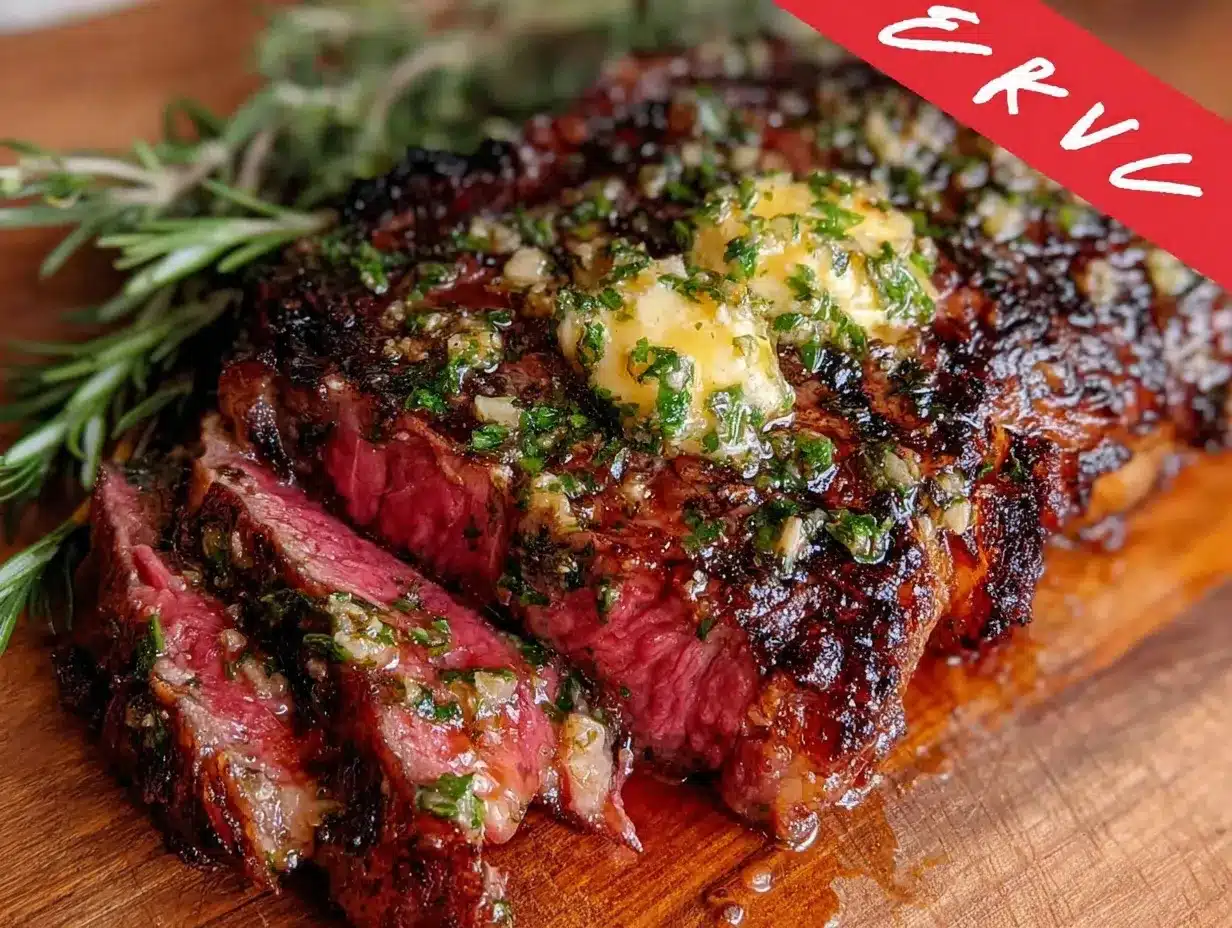
Spoon the garlic herb butter over the warm steak just before slicing. Watch it melt and pool deliciously over the crusty surface—honestly, it’s a game-changer.
If your steak finishes roasting too quickly, no worries—just leave it in the oven, but keep a close eye on the temperature. Also, don’t skip the resting step; I once sliced too soon and lost half the juices on the cutting board. Lesson learned!
Cooking Tips & Techniques
Mastering the reverse sear takes a bit of patience but pays off handsomely. Here are some tips I picked up along the way:
- Patience is Key: Don’t rush the slow roasting. Cooking low and slow ensures even doneness edge to center without drying out the steak.
- Use a Thermometer: This isn’t guesswork cooking. An instant-read thermometer is your best friend for checking doneness precisely. Aim for 110-115°F (43-46°C) before searing for a perfect medium-rare.
- High Heat for Searing: Your skillet must be screaming hot before the steak hits it. That quick high-temperature sear forms the mouthwatering crust and locks in juices.
- Don’t Crowd the Pan: If you’re cooking multiple steaks, sear one at a time to maintain skillet temperature and avoid steaming.
- Rest Before Cutting: Let the steak rest after searing for at least 5 minutes. I learned this the hard way when my first slice was a juicy mess.
- Butter Timing: Adding the garlic herb butter right after resting lets it melt slowly, coating the steak while it’s still warm but not too hot to burn the herbs.
One time, I accidentally added the butter too early, and the garlic started to brown, giving a bitter taste. So, timing is everything. Also, if you notice smoke during searing, reduce heat slightly—better to sear a bit longer than burn your steak.
Variations & Adaptations
This recipe is quite flexible, so you can tweak it to fit your preferences or dietary needs:
- Herb Variations: Swap rosemary and thyme for oregano, tarragon, or basil for a different herbal profile.
- Dairy-Free Butter: Use vegan butter or coconut oil mixed with garlic and herbs for a dairy-free or plant-based version.
- Spice It Up: Add a pinch of smoked paprika, cayenne, or chili flakes to the garlic butter for a subtle kick.
- Cooking Methods: If you don’t want to use an oven, you can do the slow cook on a grill using indirect heat, then sear over direct flames.
- Alternative Cuts: Try this technique with thick-cut New York strip or filet mignon for a different texture while keeping that juicy interior and crust.
I once added a splash of bourbon to the garlic herb butter—crazy but delicious! It’s fun to experiment, but I always come back to the classic version for its balance of flavors.
Serving & Storage Suggestions
Serve your perfect reverse seared ribeye steak immediately after topping with garlic herb butter while it’s still warm and juicy. A simple side of roasted vegetables, mashed potatoes, or a crisp green salad complements the richness beautifully.
For drinks, a full-bodied red wine like Cabernet Sauvignon or Malbec pairs wonderfully, but honestly, a cold beer or sparkling water works just fine if that’s your vibe.
Leftovers? Wrap the steak tightly in foil or place in an airtight container and refrigerate for up to 3 days. To reheat, gently warm in a low oven (about 250°F / 120°C) to avoid overcooking, then add a bit more garlic herb butter on top.
Flavors actually deepen after resting overnight, so if you can resist, next-day steak sandwiches or salads are fantastic ways to enjoy leftovers.
Nutritional Information & Benefits
A 12-ounce (340g) ribeye steak typically provides about 800-900 calories, rich in protein (around 60 grams) and essential nutrients like iron, zinc, and vitamin B12. Butter adds fat and richness, contributing to satiety and flavor.
This recipe offers a hearty, satisfying meal that supports muscle repair and energy. Using fresh herbs also adds antioxidants and a burst of flavor without calories or sodium.
For those mindful of carbs, this steak recipe is naturally low in carbohydrates and gluten-free. If you’re watching saturated fat, you can moderate butter quantity or choose grass-fed options for potentially healthier fat profiles.
Personally, I appreciate that this recipe balances indulgence with straightforward ingredients, letting me enjoy steak night without guilt or complicated prep.
Conclusion
If you’ve ever wanted to make restaurant-quality steak at home without the guesswork or stress, this perfect reverse seared ribeye steak with easy garlic herb butter is your answer. It’s a recipe that respects the meat’s natural flavor while adding a buttery, herbal finish that feels indulgent yet approachable.
Feel free to adjust the herbs or butter amount to suit your taste—or try one of the variations mentioned above. Honestly, the best part is making it your own.
So grab a thick ribeye, get your thermometer ready, and give this method a whirl. Trust me, once you taste that juicy, crusted steak melting with garlic herb butter, you’ll be hooked too.
Don’t forget to share your own twists or questions in the comments below—I love hearing how you make this recipe your own!
Happy cooking, and here’s to many delicious steak nights ahead!
FAQs
What is reverse searing, and why is it better for steak?
Reverse searing means cooking the steak slowly at a low temperature first, then finishing it with a high-heat sear. This method cooks the steak evenly inside and creates a perfect crust outside without overcooking.
How do I know when the steak is done during the slow roast?
Use an instant-read thermometer. For medium-rare, aim for an internal temperature of 110-115°F (43-46°C) before searing. The steak will continue to cook slightly during searing and resting.
Can I use other cuts of steak with this recipe?
Yes! Thick cuts like New York strip or filet mignon work well with reverse searing. Just adjust cooking times based on thickness.
How do I store leftover steak properly?
Wrap leftovers tightly in foil or place in an airtight container and refrigerate for up to 3 days. Reheat gently in a low oven to keep steak juicy.
What if I don’t have fresh herbs for the garlic herb butter?
Dried herbs can be used in a pinch—use about one-third the amount of fresh herbs since dried are more concentrated. Fresh herbs give a brighter, fresher flavor though.
Pin This Recipe!
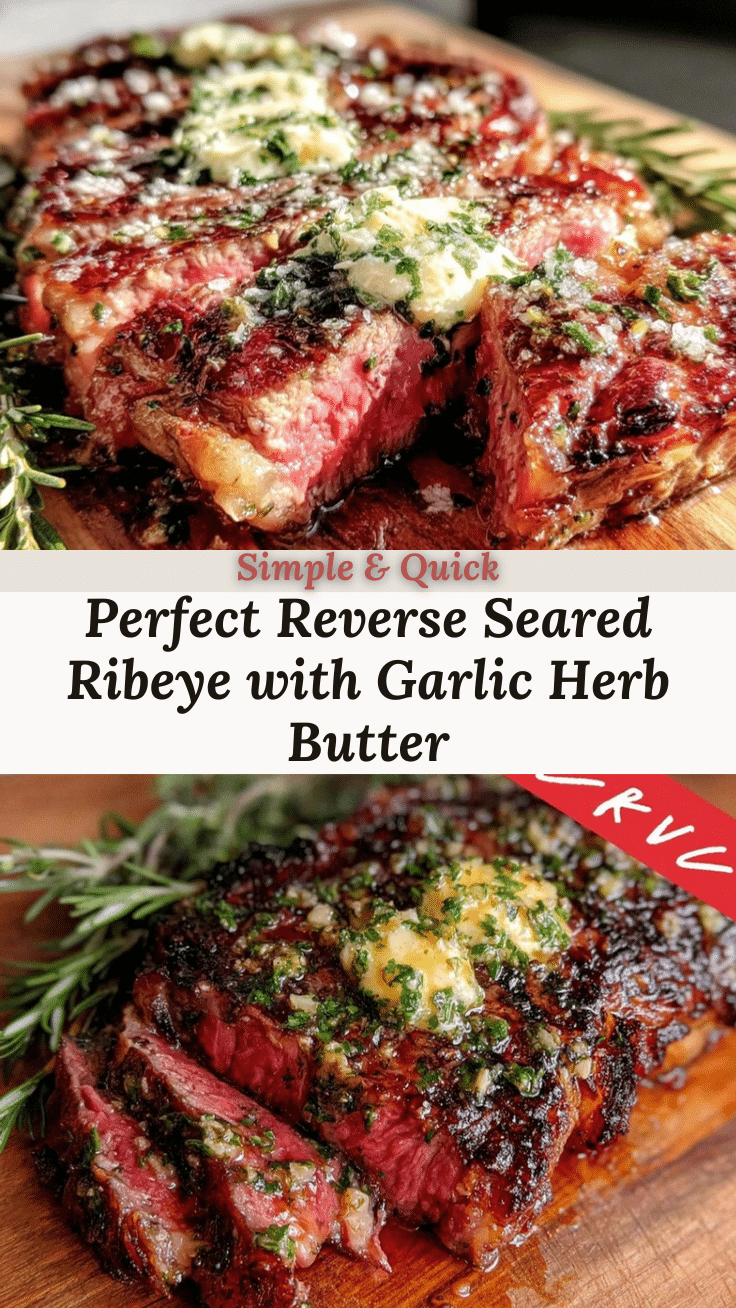
Perfect Reverse Seared Ribeye Steak Recipe with Easy Garlic Herb Butter
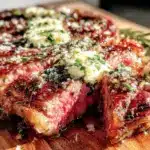
This recipe uses the reverse sear method to create a juicy ribeye steak with a perfect crust, topped with a rich garlic herb butter for an indulgent yet simple steakhouse experience.
- Prep Time: 10 minutes
- Cook Time: 30 minutes
- Total Time: 40 minutes
- Yield: 1 serving 1x
- Category: Main Course
- Cuisine: American
Ingredients
- 1 thick-cut ribeye steak, about 1.5 to 2 inches thick (12–16 oz or 340-450g)
- Kosher salt or sea salt, for seasoning
- Freshly ground black pepper, coarse grind
- 4 tablespoons unsalted butter, softened
- 3 cloves garlic, finely minced
- 1 tablespoon each of fresh rosemary, thyme, and parsley, finely chopped
- 1 tablespoon olive oil, for searing
- Optional: fresh lemon juice or smoked paprika for a subtle twist
Instructions
- Remove ribeye from fridge 30-45 minutes before cooking to bring to room temperature.
- Preheat oven to 275°F (135°C).
- Pat steak dry with paper towels and season generously with kosher salt and freshly ground black pepper on both sides.
- Place steak on a wire rack over a baking sheet and put in the middle rack of the oven.
- Slow roast steak until internal temperature reaches about 110°F (43°C) for medium-rare, approximately 20-30 minutes depending on thickness.
- While steak roasts, mix softened butter, minced garlic, and chopped herbs in a bowl and set aside at room temperature.
- About 5 minutes before steak finishes roasting, heat cast iron skillet over high heat until smoking hot. Add 1 tablespoon olive oil and swirl to coat.
- Transfer steak from oven to skillet and sear for 1-2 minutes per side until a deep brown crust forms, including edges.
- Transfer steak to cutting board and let rest for 5-10 minutes to redistribute juices.
- Spoon garlic herb butter over warm steak just before slicing and serving.
Notes
Use an instant-read thermometer to ensure perfect doneness. Let steak rest after searing to keep it juicy. If steak finishes roasting early, keep it in the oven but monitor temperature closely. For dairy-free, substitute butter with plant-based spread. Avoid overcrowding pan when searing multiple steaks.
Nutrition
- Serving Size: 1 ribeye steak (12-1
- Calories: 850
- Sodium: 600
- Fat: 70
- Saturated Fat: 30
- Carbohydrates: 1
- Protein: 60
Keywords: reverse sear, ribeye steak, garlic herb butter, steak recipe, easy steak, cast iron skillet, steakhouse steak