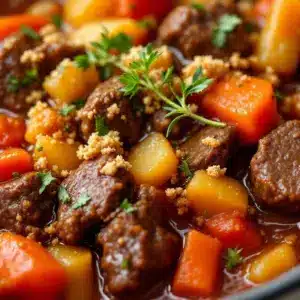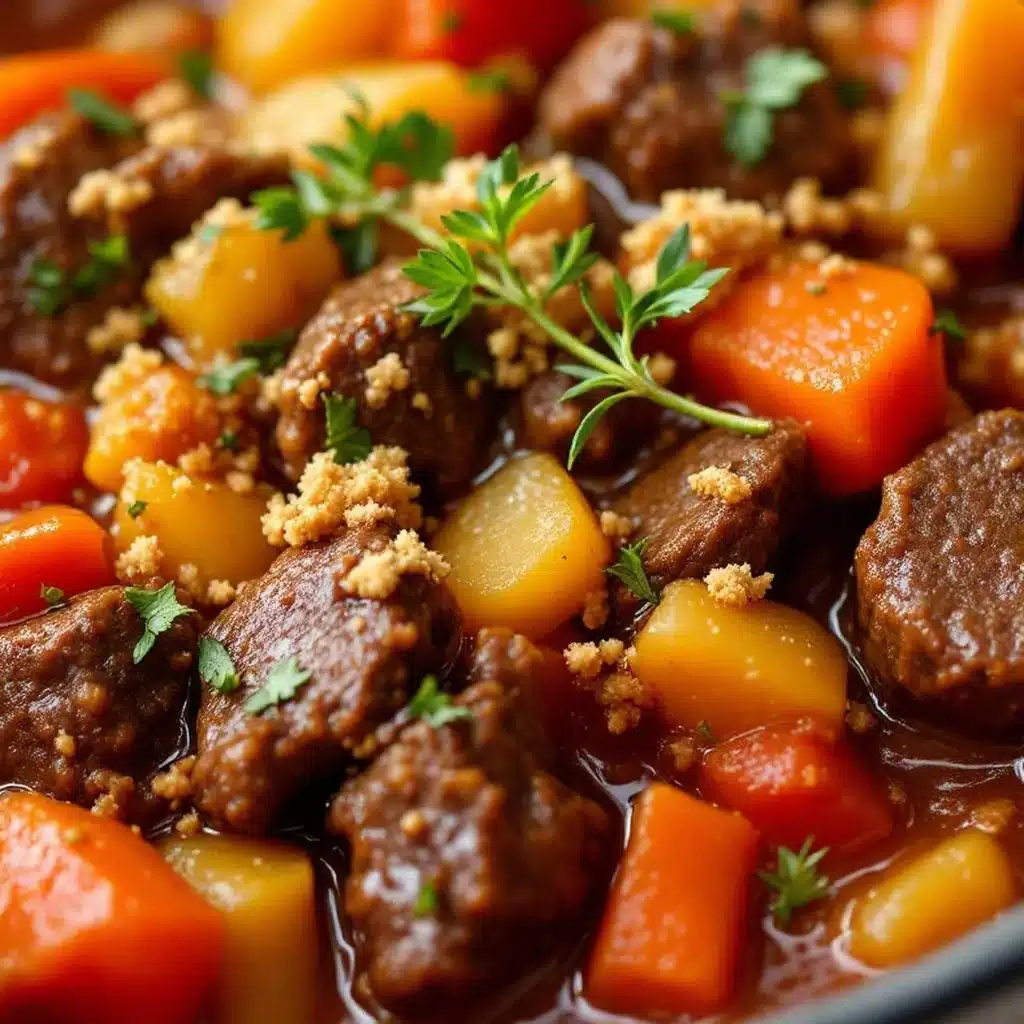
That thick, glossy sheen on the surface of the broth, and that’s the whole point.
I didn’t notice it at first because I was too busy stressing about the email thread that had been ping-ing my phone all afternoon. I just pulled the lid off the slow cooker, expecting to see another watery disaster like the one from last month. Instead, I saw this deep, mahogany-colored liquid that clung to the chunks of beef like a second skin. It wasn’t just soup. It wasn’t just broth. It was a reduction of time and patience, suspended in a ceramic pot.
I dipped my spoon in, the ceramic still radiating that low, steady heat, and lifted a bite. The beef didn’t fall apart; it yielded. It had that specific, velvety resistance that only comes from hours of gentle simmering, not boiling. The vegetables had surrendered their individual identities, melting into the sauce but still holding their shape just enough to provide a textural anchor.
This is why I make rosemary garlic pot roast and why I make this beef stew. It’s about that mouthfeel. It’s about the way the starch from the potatoes breaks down just enough to thicken the liquid without needing a single tablespoon of cornstarch slurry.
I remember the first time I nailed this texture. I had left the ingredients in the cooker for six hours instead of four, thinking I had messed up the timing. I came home, heart sinking, ready to dump it out. But when I stirred it, the sauce had thickened on its own. The beef was fork-tender but not mushy. The carrots had turned translucent and sweet. I ate it straight from the pot, standing in my kitchen in my work clothes, and forgot about the emails for an hour.
That hour was worth it. The richness of the beef, the earthiness of the carrots, the slight sweetness of the onions—all of it bound together by that perfect, glossy viscosity. It’s the kind of meal that feels like a hug, but with more substance. You know that feeling when you take the first bite and your shoulders just drop? That’s what I’m talking about.
It’s not fancy. It doesn’t have truffle oil or saffron. It’s just beef, root vegetables, and time. But when you get that texture right, when the sauce coats the back of your spoon and doesn’t run off, you realize that most of the work is just waiting. And honestly? I’ve never been better at waiting than I am when I know dinner is taking care of itself.
Why You’ll Love This Recipe
It’s the ultimate set-it-and-forget-it comfort food
Let’s face it, we all have those nights where the idea of chopping vegetables or watching a pot on the stove feels like too much effort. This cozy slow cooker beef and vegetable stew is your answer. I’ve tested this recipe dozens of times, and I can confidently say it is the most reliable way to get restaurant-quality comfort food on your table without the stress.
Texture that speaks for itself
Most stew recipes fail because the meat ends up stringy or the vegetables turn to mush. Not this one. By using the right cut of beef and letting the slow cooker do its job, you get chunks of meat that are tender but still substantial. The vegetables retain just enough structure to provide a satisfying chew, contrasting beautifully with the creamy, thickened broth. It’s a balance I’ve spent years perfecting.
Uses simple, affordable ingredients
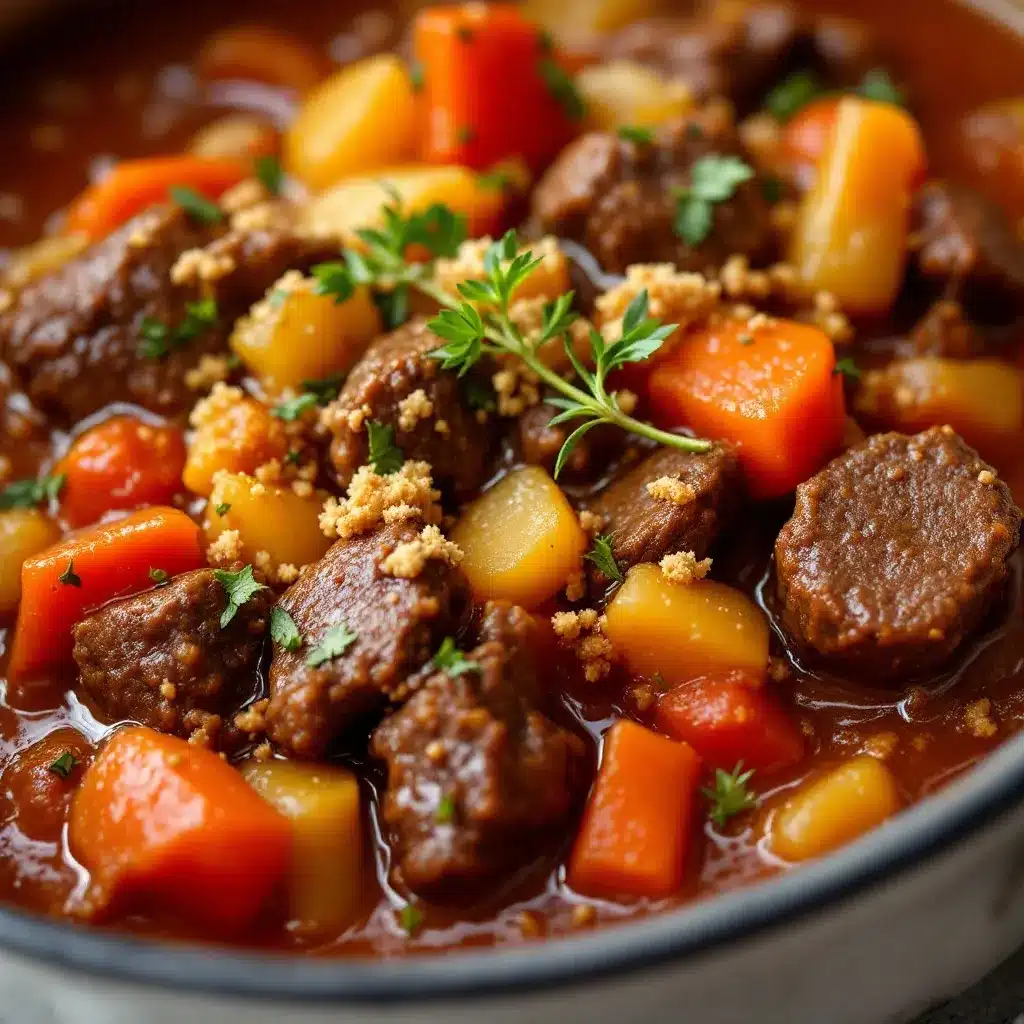
You don’t need to visit three different specialty stores for this. Everything you need is likely in your pantry or freezer. Beef chuck, carrots, potatoes, onions, and basic spices. It’s budget-friendly and accessible, making it perfect for weeknights when you’re tired and broke.
Perfect for meal prep
This stew actually tastes better the next day. The flavors have more time to meld together, and the texture becomes even richer. I often make a double batch on Sunday, so I have lunch sorted for the first few days of the work week. It reheats beautifully in the microwave or on the stovetop, becoming a hearty, soul-warming meal that beats takeout any day.
Crowd-pleasing and versatile
Whether you’re feeding a family of four or hosting a casual dinner party, this stew is a hit. It pairs wonderfully with crusty bread, or you can serve it over mashed potatoes or egg noodles. It’s also a great way to sneak extra veggies into kids’ diets, as the sweet carrots and soft potatoes are usually a hit with even the pickiest eaters.
What Ingredients You Will Need
The beauty of this stew lies in its simplicity. You don’t need exotic spices or hard-to-find ingredients. The flavor comes from the quality of the beef and the natural sweetness of the vegetables. Here is what you need to make it right.
For the stew base
- Beef chuck roast (2 lbs / 900g): This is non-negotiable. You need a cut with good marbling and connective tissue. Lean cuts like sirloin will turn out dry and tough. Chuck roast breaks down into tender, juicy chunks after hours of slow cooking. Look for pieces with visible white streaks of fat running through the red meat.
- Beef broth (4 cups / 950ml): Use a low-sodium version so you can control the saltiness yourself. If you can find bone broth, even better, as it adds extra body to the sauce. I personally prefer Swanson or Kettle & Fire for their clean flavor profiles.
- Red wine (1/2 cup / 120ml): You don’t need anything expensive here, just something you would drink. A dry Cabernet or Merlot works best. The alcohol cooks off, leaving behind a deep, rich flavor that enhances the beef. If you don’t drink alcohol, substitute with extra beef broth and a teaspoon of balsamic vinegar.
- Tomato paste (2 tablespoons): This adds a concentrated umami boost and helps thicken the stew. It’s the secret ingredient that makes the sauce taste complex rather than flat.
- Garlic (4 cloves, minced): Fresh garlic is essential. Powdered garlic just doesn’t have the same punch. Mince it finely so it distributes evenly throughout the stew.
- Onion (1 large yellow onion, diced): Yellow onions are the standard for a reason. They caramelize well and provide a sweet, savory base. Dice them into uniform pieces so they cook at the same rate as the other vegetables.
- Carrots (3 large, peeled and cut into 1-inch chunks): Don’t slice them too thin, or they’ll disappear into the sauce. Keep them chunky for that satisfying bite. If you’re using smaller carrots, you can leave them whole or halve them.
- Potatoes (2 large russet or Yukon Gold, cut into 1-inch cubes): Russets will break down more, thickening the stew, while Yukon Golds hold their shape better. I usually use a mix of both to get the best of both worlds. Peel them if you prefer a smoother texture, or leave the skins on for extra fiber and rustic appeal.
- Celery (2 stalks, diced): Adds a subtle earthy note and crunch. Don’t skip this; it’s part of the classic mirepoix trio that builds flavor.
- Bay leaves (2 dried): These infuse the stew with a subtle herbal aroma. Remember to remove them before serving, or you’ll have a very unpleasant surprise.
- Thyme and Rosemary (1 teaspoon each, fresh or 1/2 teaspoon dried): These woody herbs stand up well to long cooking times. Fresh is best, but dried works in a pinch. Tie fresh sprigs in a bit of kitchen twine for easy removal.
- Salt and black pepper (to taste): Season generously, but taste as you go. The slow cooking process concentrates flavors, so you may need to adjust at the end.
Equipment Needed
You don’t need much, but having the right tools makes the process smoother.
- Slow Cooker (4-6 quart): This is the star of the show. A 4-6 quart size is perfect for this amount of ingredients. If you have a larger one, that’s fine, but don’t go too small or it might overflow. I use a Crock-Pot because it’s reliable and easy to clean.
- Sharp Chef’s Knife: For dicing the beef and vegetables evenly. A sharp knife is safer and makes the prep work go much faster.
- Measuring Cups and Spoons: For accurate measurements of broth, wine, and spices.
- Wooden Spoon or Silicone Spatula: For stirring the ingredients without scratching the ceramic pot. Metal spoons can chip the coating over time.
- Colander: If you choose to rinse your vegetables, though it’s not strictly necessary.
Preparation Method
Getting this stew right is all about layering flavors and managing the texture. Here is how to do it step-by-step.
Step 1: Prep the Beef
Cut the beef chuck roast into 1-inch cubes. Try to keep them uniform so they cook evenly. Pat them dry with paper towels. This sounds like a minor step, but removing excess moisture helps the beef brown if you choose to sear it (see tips below). Toss the beef cubes with 1 teaspoon of salt and 1/2 teaspoon of black pepper.
Step 2: Layer the Aromatics
Place the diced onions, minced garlic, and diced celery into the bottom of the slow cooker. This creates a flavor base that prevents the beef from sticking to the bottom and burning. If you are searing the beef, use the same pot to deglaze with the red wine, then pour that liquid into the slow cooker.
Step 3: Add the Vegetables
Add the chopped carrots and potatoes on top of the aromatics. They don’t need to be cooked yet; they will soften in the liquid. Sprinkle the dried thyme and rosemary over the vegetables. If using fresh herbs, add them now as well.
Step 4: Combine the Liquids
In a separate bowl, whisk together the beef broth, red wine, and tomato paste until the tomato paste is fully dissolved. Pour this mixture over the beef and vegetables in the slow cooker. Make sure the beef is submerged as much as possible. If it’s not, add a little extra broth.
Step 5: Cook
Place the bay leaves on top. Cover the slow cooker with the lid. Cook on LOW for 7-8 hours or HIGH for 4-5 hours. The low and slow method is best for tenderizing the beef. If you are short on time, the high setting works, but the texture won’t be quite as melt-in-your-mouth tender.
Step 6: Finish and Serve
Once the cooking time is up, remove the bay leaves. Taste the stew and adjust the seasoning with more salt and pepper if needed. If the stew is too thin, you can leave the lid off and cook on HIGH for another 30 minutes to reduce the sauce. Serve hot, garnished with fresh parsley if you have it.
Cooking Tips & Techniques
Don’t skip the sear (if you can)
While you can dump everything in raw, searing the beef in a hot skillet for 2 minutes per side before adding it to the slow cooker creates a Maillard reaction. This adds a deep, savory crust that boosts the overall flavor. It’s an extra step, but it’s worth it for that restaurant-quality taste.
Watch the potatoes
Potatoes can sometimes turn to mush in a slow cooker. To prevent this, add them in the last 2 hours of cooking if you are using the LOW setting. Or, use Yukon Golds, which hold their shape better than Russets.
Balance the acidity
If the stew tastes flat, add a splash of vinegar (balsamic or apple cider) at the end. The acidity brightens the rich flavors of the beef and balances the sweetness of the carrots.
Multitasking is key
While the stew is cooking, you can prep sides like crusty bread or a simple green salad. The slow cooker does the hard work, so use that time to set the table or relax.
Variations & Adaptations
This recipe is a canvas for your own creativity. Here are a few ways to make it your own.
Vegetarian Version
Swap the beef for portobello mushrooms or extra hearty vegetables like parsnips and turnips. Use vegetable broth instead of beef broth. The texture will be different, but the flavor can still be rich and satisfying.
Gluten-Free
This recipe is naturally gluten-free, but double-check your beef broth and wine labels to ensure they don’t contain hidden gluten. Serve with gluten-free bread or rice.
Spicy Twist
Add a teaspoon of red pepper flakes or a diced jalapeño with the onions for a kick of heat. This pairs well with the rich beef and cuts through the heaviness.
Herb Garden Variation
Experiment with different herbs. Try adding a sprig of sage or a pinch of oregano for a Mediterranean twist. The possibilities are endless.
Serving & Storage Suggestions
Serving
Serve this stew in deep bowls with a slice of crusty sourdough bread for dipping. A simple arugula salad with a lemon vinaigrette adds a fresh contrast to the rich stew.
Storage
Store leftovers in an airtight container in the refrigerator for up to 4 days. The flavors will deepen over time, making it even better on day two.
Freezing
This stew freezes well. Let it cool completely, then transfer to freezer-safe bags or containers. It will keep for up to 3 months. Thaw in the refrigerator overnight before reheating.
Reheating
Reheat on the stovetop over medium-low heat, stirring occasionally. If the stew has thickened too much in the fridge, add a splash of broth or water to loosen it up.
Nutritional Information & Benefits
This stew is not just comfort food; it’s also nutritious. Beef is a great source of protein and iron, while the vegetables provide fiber, vitamins A and C, and potassium. It’s a balanced meal that keeps you full and satisfied. Just be mindful of the sodium content if you are watching your salt intake.
Conclusion
This cozy slow cooker beef and vegetable stew is more than just a recipe; it’s a solution for busy lives. It’s affordable, delicious, and incredibly easy to make. I hope you try it and find that same sense of relief and satisfaction I did on that stressful Tuesday evening. Customize it to your taste, share it with friends, and enjoy the warmth it brings to your table. Don’t forget to leave a comment below with your own variations or tips!
Frequently Asked Questions
Can I use frozen beef for this stew?
Yes, you can use frozen beef, but it’s best to thaw it first for even cooking. If you must use it frozen, add an extra hour to the cooking time.
What cut of beef is best for slow cooking?
Chuck roast is the best choice because it has enough fat and connective tissue to stay tender and juicy during long cooking times.
Can I make this in an Instant Pot?
Yes, you can. Use the “Sauté” function to brown the beef, then pressure cook on high for 30 minutes, followed by a natural release.
How do I thicken the stew if it’s too thin?
Mix 1 tablespoon of cornstarch with 2 tablespoons of cold water to make a slurry, then stir it into the stew. Cook on HIGH for 15-20 minutes until thickened.
Can I add other vegetables?
Absolutely! Peas, green beans, and mushrooms are all great additions. Add delicate vegetables like peas in the last 30 minutes of cooking.
Pin This Recipe!
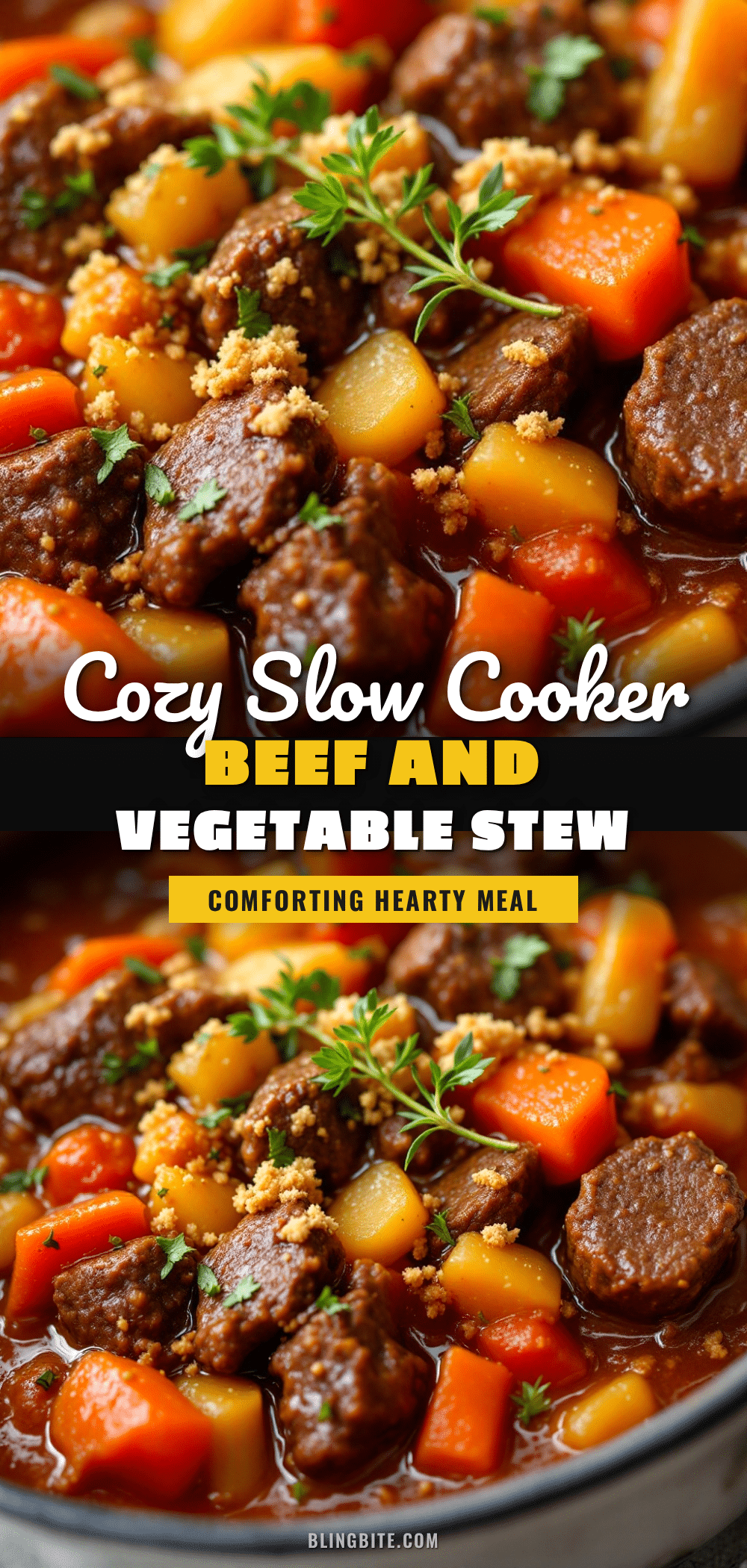
Cozy Slow Cooker Beef and Vegetable Stew
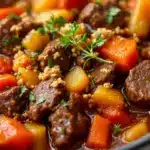
A rich, tender beef stew made with chuck roast, root vegetables, and red wine in a slow cooker. This set-it-and-forget-it comfort food features a glossy, thickened broth without the need for cornstarch.
- Prep Time: 15 minutes
- Cook Time: 4 hours 30 minutes
- Total Time: 4 hours 45 minutes
- Yield: 6 servings 1x
- Category: Main Course
- Cuisine: American
Ingredients
- 2 lbs (900g) beef chuck roast, cut into 1-inch cubes
- 4 cups (950ml) low-sodium beef broth
- 1/2 cup (120ml) dry red wine (Cabernet or Merlot)
- 2 tablespoons tomato paste
- 4 cloves garlic, minced
- 1 large yellow onion, diced
- 3 large carrots, peeled and cut into 1-inch chunks
- 2 large russet or Yukon Gold potatoes, cut into 1-inch cubes
- 2 stalks celery, diced
- 2 dried bay leaves
- 1 teaspoon fresh thyme (or 1/2 teaspoon dried)
- 1 teaspoon fresh rosemary (or 1/2 teaspoon dried)
- Salt and black pepper to taste
Instructions
- Cut the beef chuck roast into 1-inch cubes and pat dry. Toss with 1 teaspoon salt and 1/2 teaspoon black pepper.
- Place diced onions, minced garlic, and diced celery in the bottom of the slow cooker to create a flavor base.
- Add chopped carrots and potatoes on top of the aromatics. Sprinkle with dried thyme and rosemary.
- In a separate bowl, whisk together beef broth, red wine, and tomato paste until dissolved. Pour over the beef and vegetables.
- Place bay leaves on top. Cover and cook on LOW for 7-8 hours or HIGH for 4-5 hours.
- Remove bay leaves. Taste and adjust seasoning. If the stew is too thin, cook uncovered on HIGH for 30 minutes to reduce.
- Serve hot, garnished with fresh parsley if desired.
Notes
For best texture, sear the beef in a skillet before adding to the slow cooker to enhance flavor. If using Yukon Gold potatoes, they hold their shape better than Russets. Add delicate vegetables like peas in the last 30 minutes of cooking. The stew tastes better the next day as flavors meld.
Nutrition
- Serving Size: 1 bowl with crusty b
- Calories: 450
- Sugar: 6
- Sodium: 800
- Fat: 18
- Saturated Fat: 7
- Carbohydrates: 35
- Fiber: 5
- Protein: 32
Keywords: slow cooker, beef stew, comfort food, chuck roast, root vegetables, easy dinner, meal prep