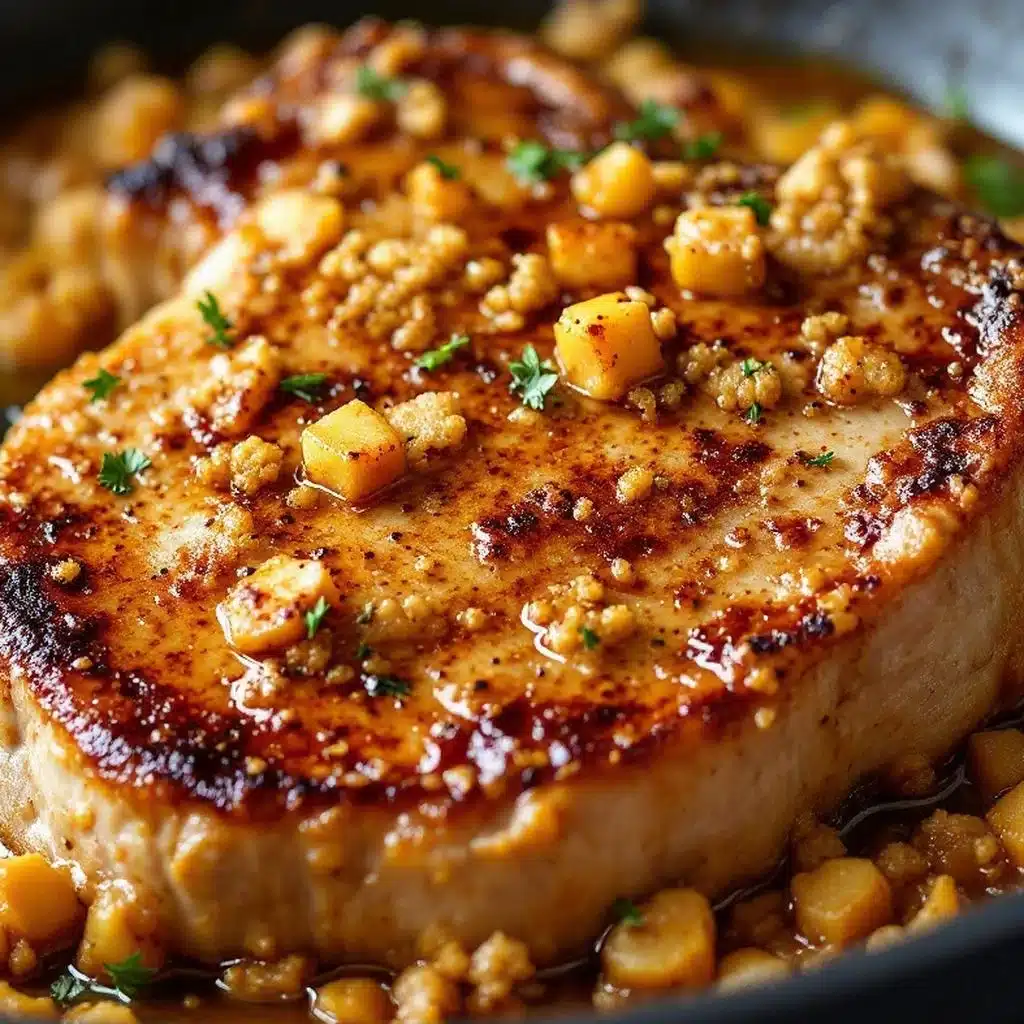
I had three apples rolling around in the fruit bowl, a pack of pork chops defrosting with no plan, and a half-empty bottle of apple cider from a weekend baking project that never happened. Honestly? I was this close to just pan-searing the pork and calling it dinner. But then it started raining—that proper autumn drumming-on-the-windows rain—and something about it made me want the whole kitchen to smell like fall. So I grabbed the cider, threw everything into one pan, and crossed my fingers. What came out of that oven was so tender the meat practically fell apart when I looked at it wrong. The apples had melted into this silky, slightly sweet sauce that coated every bite, and the whole thing took maybe fifteen minutes of actual work. I stood there eating straight from the pan (don’t judge) and realized I’d accidentally created my new favorite weeknight dinner. These easy apple cider braised pork chops are exactly that—the kind of meal that feels like you fussed but you really, really didn’t.
This one-pan dinner has saved me more times than I can count since that rainy night. It’s the recipe I make when I want something that tastes like Sunday supper but comes together on a Tuesday. The pork chops come out impossibly tender—no dry, sad meat here—and the apple cider reduction turns into this glossy, savory-sweet sauce that you’ll want to drink with a spoon. I’ve made it for company, I’ve made it for myself on a quiet night, and it never disappoints. If you’ve ever been burned by dry pork chops before, let me tell you: this is the recipe that changes everything.
Why You’ll Love This Recipe
Let me count the ways this recipe wins dinner. First off, it’s a one-pan wonder—less cleanup means more time actually enjoying your meal instead of scrubbing dishes. I don’t know about you, but I’ll take that trade any night of the week.
- Incredibly Tender Pork: The braising method guarantees juicy, fall-apart meat every single time. No more rubbery pork chops that make you regret dinner.
- Pantry-Friendly Ingredients: You probably have most of this stuff already—apple cider, apples, garlic, thyme, butter. No special grocery trips required.
- Perfect for Fall Evenings: This is the kind of meal that makes your house smell like a candle catalog. Cozy, warm, and deeply satisfying.
- Impressive with Minimal Effort: The deep, complex flavor makes it look like you spent hours in the kitchen. Your secret is safe with me.
- Customizable: Swap the apples, change the herbs, adjust the sweetness—this recipe bends to whatever you have on hand.
What really sets this apart from other pork chop recipes is the braising technique. Instead of quickly searing and hoping for the best, we give the meat time to soak up all that apple cider goodness. The result? Pork chops that are fork-tender and infused with flavor from the inside out. I’ve tested this with thin chops, thick chops, bone-in, boneless—it works every single time. And that sauce? It reduces down to this concentrated, buttery, slightly tangy glaze that turns simple pork into something truly memorable. This isn’t just another dinner recipe—it’s the one that’ll earn a permanent spot in your weekly rotation.
What Ingredients You Will Need
This recipe uses simple, wholesome ingredients that work together to create something genuinely special. The magic happens when the apple cider reduces and the pork releases its juices, creating a sauce that’s greater than the sum of its parts.
- 4 bone-in pork chops, about 1-inch thick (you can use boneless, but bone-in gives more flavor and stays juicier)
- 1 tablespoon olive oil (for searing—use avocado oil if that’s what you have)
- 2 tablespoons unsalted butter (adds richness and helps the sauce come together)
- 1 large yellow onion, thinly sliced (sweetens as it cooks and forms the base of the braising liquid)
- 3 cloves garlic, minced (fresh only—please don’t use the jarred stuff here)
- 1 ½ cups apple cider (not apple juice—cider has more depth and complexity)
- ½ cup chicken broth (low-sodium so you control the salt)
- 2 medium apples, cored and sliced into ¼-inch wedges (I prefer Honeycrisp or Fuji—they hold their shape beautifully)
- 2 sprigs fresh thyme (plus more for garnish—dried works in a pinch, use ½ teaspoon)
- 1 tablespoon Dijon mustard (cuts through the sweetness and adds a subtle tang)
- Salt and black pepper (to taste—don’t be shy with the seasoning)
- 1 tablespoon apple cider vinegar (brightens everything at the end)
A few ingredient notes from experience: The thickness of your pork chops matters more than you think. If they’re thinner than ¾ inch, reduce the braising time by about 10 minutes. Thicker than 1 ½ inches? Give them an extra 15. I’ve found that best apple cider pulled pork sliders uses a similar flavor profile if you want to explore more apple-cider magic. For the apples, don’t use Granny Smith here—they’re too tart and break down into mush. You want something that keeps a little bite even after braising. And please, please pat your pork chops dry before seasoning. Wet meat won’t sear properly, and a good sear is the foundation of everything that follows.
Equipment Needed
The beauty of this recipe is that you don’t need fancy equipment. Here’s what you’ll need:
- Large oven-safe skillet or Dutch oven (12-inch cast iron is my go-to—it holds heat beautifully and goes straight from stovetop to oven)
- Tongs (for flipping the pork and moving the apples around without breaking them)
- Sharp knife and cutting board (a dull knife is more dangerous than a sharp one—trust me on this)
- Measuring cups and spoons (I use my Pyrex liquid measuring cup for the cider and broth)
- Aluminum foil (for tenting the pork while it rests—this step is non-negotiable)
If you don’t have an oven-safe skillet, you can transfer everything to a baking dish after searing. I’ve done this with a stainless steel pan and a ceramic baking dish, and it works fine—just add 5-10 minutes to the cooking time since the dish won’t retain heat as well. My cast iron skillet cost me twenty bucks at a flea market and it’s still going strong five years later. You don’t need to spend a fortune on equipment to make incredible food.
Preparation Method
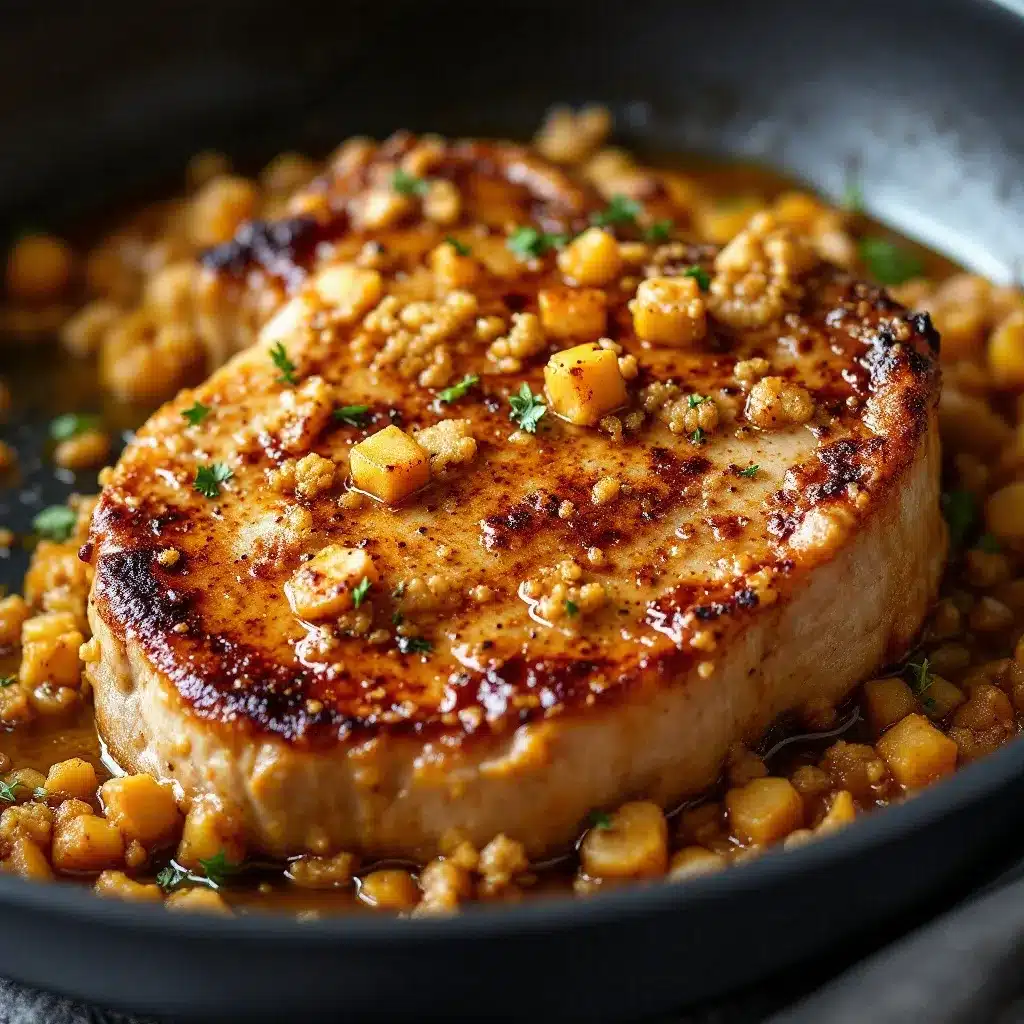
- Preheat your oven to 375°F (190°C). Position the rack in the middle. While it’s heating, take your pork chops out of the fridge and let them sit at room temperature for 15-20 minutes. This helps them cook more evenly.
- Pat the pork chops completely dry with paper towels. Season generously on both sides with salt and pepper—I use about 1 teaspoon of salt and ½ teaspoon of pepper per chop. Don’t skimp here; most of the seasoning stays in the pan and flavors the sauce.
- Heat the olive oil in your skillet over medium-high heat until it shimmers. Carefully place the pork chops in the pan—you should hear a satisfying sizzle. Sear for 3-4 minutes per side until deeply golden brown. Don’t move them around; let them develop that crust. Transfer the seared chops to a plate and set aside.
- Reduce the heat to medium and add the butter. Once it melts, toss in the sliced onion. Cook for 5-6 minutes, stirring occasionally, until the onion softens and starts to turn golden at the edges. Scrape up any browned bits from the bottom of the pan—that’s pure flavor right there.
- Add the minced garlic and cook for 30 seconds until fragrant. Don’t let it burn; burnt garlic turns bitter and there’s no coming back from that.
- Pour in the apple cider and chicken broth, stirring to combine. Add the Dijon mustard and thyme sprigs. Bring the mixture to a gentle simmer—not a rolling boil, just a few lazy bubbles breaking the surface.
- Nestle the pork chops back into the pan along with any juices that accumulated on the plate. Arrange the apple slices around the chops, tucking them into the liquid. The apples should be mostly submerged but not drowning.
- Transfer the skillet to the preheated oven and braise for 25-30 minutes, or until the pork chops are tender and cooked through. An instant-read thermometer should read 145°F (63°C) when inserted into the thickest part. If you’re using boneless chops, start checking at 20 minutes.
- Carefully remove the skillet from the oven (use oven mitts—that handle is hot). Transfer the pork chops and apple slices to a serving platter and tent loosely with foil. Let them rest while you finish the sauce.
- Place the skillet back on the stovetop over medium heat. Stir in the apple cider vinegar and let the sauce simmer for 3-5 minutes, stirring occasionally, until it thickens slightly. You’re looking for a consistency that coats the back of a spoon—not too thin, not syrupy. Taste and adjust seasoning with salt and pepper.
- Pour the sauce over the rested pork chops and apples. Garnish with fresh thyme leaves and serve immediately.
A few things I’ve learned the hard way: If your sauce tastes flat at the end, it probably needs more salt or a splash more vinegar. The acidity brightens everything and balances the sweetness. And don’t skip the resting step—I know it’s tempting to dig in right away, but those five minutes make a huge difference in juiciness. If you’re looking for another cozy weeknight meal, this crockpot chicken and dumplings recipe has the same one-pot comfort vibe.
Cooking Tips & Techniques
After making these pork chops more times than I can count, here are the things I wish someone had told me from the start.
The sear is everything. I cannot stress this enough. That golden-brown crust isn’t just for looks—it’s the foundation of the entire dish. Make sure your pan is hot enough before adding the pork. If the meat sticks when you try to flip it, it’s not ready. Give it another 30 seconds and try again. A proper sear takes about 3-4 minutes per side, and it’s worth every second.
Don’t crowd the pan. If you’re making more than 4 chops, sear them in batches. Overcrowding drops the pan temperature and the meat steams instead of searing. I learned this the hard way when I tried to rush things and ended up with pale, sad pork chops. Never again.
Taste your apple cider before using it. Some ciders are sweeter than others, and that affects the final dish. If yours is particularly sweet, cut back on the Dijon and add an extra splash of vinegar at the end to balance things out. If it’s more tart, you might want a tiny pinch of brown sugar.
Let the sauce tell you when it’s done. The braising liquid should reduce by about half during cooking. If it looks too thin when you pull the pan from the oven, give it a few extra minutes on the stovetop. If it’s already thick and glossy, skip the reduction step and just add the vinegar. The sauce should coat a spoon but still be pourable.
Use a thermometer. I used to guess doneness by cutting into the meat and checking, which just let all the juices run out. An instant-read thermometer takes the guesswork out completely. 145°F is the magic number for perfectly cooked pork. And remember—the temperature will rise another 5 degrees while it rests, so pull it from the oven a few degrees early.
I once forgot to add the Dijon mustard entirely and the sauce was just… flat. Sweet, but missing that little kick that makes it interesting. The mustard isn’t optional—it’s the secret ingredient that keeps the dish from being one-note. Don’t skip it.
Variations & Adaptations
This recipe is incredibly forgiving, and I’ve tried more variations than I can count. Here are some of my favorites:
- Herb Swap: Not a thyme fan? Use fresh rosemary or sage instead. Rosemary pairs beautifully with apple, and sage adds an earthy, almost floral note. Use about 2 sprigs of either.
- Apple Varieties: I’ve made this with Gala, Braeburn, Pink Lady, and even a random farmers’ market variety I can’t name. They all work, but Honeycrisp remains my favorite for texture. Avoid Red Delicious—they turn into sad mush.
- Make it Dairy-Free: Substitute the butter with vegan butter or additional olive oil. The sauce won’t be quite as rich, but it’s still delicious. I’ve done this for a friend with dairy issues and she went back for thirds.
- Add Some Heat: Toss in a pinch of red pepper flakes with the garlic for a subtle warmth that plays nicely with the sweet cider. Start with ¼ teaspoon and adjust from there.
- Slow Cooker Version: Sear the pork and sauté the onions in a skillet first (don’t skip this step—it matters), then transfer everything to a slow cooker. Cook on low for 6-7 hours or high for 3-4 hours. Thicken the sauce on the stovetop at the end.
- Gluten-Free: This recipe is naturally gluten-free as written. Just double-check your chicken broth—some brands add wheat-based thickeners.
One of my favorite variations came from a total accident. I was out of fresh thyme and used dried rosemary instead, then accidentally added a splash of maple syrup thinking it was the apple cider vinegar. The result was this incredible rosemary-maple version that my family now requests regularly. Sometimes the best recipes come from mistakes.
Serving & Storage Suggestions
These pork chops are incredibly versatile when it comes to sides. I love serving them over creamy mashed potatoes or polenta—the sauce soaks into everything and it’s pure comfort. For a lighter option, try them with roasted Brussels sprouts or a simple arugula salad with lemon vinaigrette. The peppery arugula cuts through the richness beautifully. You could also pair them with crusty bread for sopping up every last drop of that sauce. If you’re in the mood for something heartier, this rosemary garlic pot roast has a similar cozy, braised-meat energy that works for Sunday dinners.
For storing leftovers, let the pork chops cool completely before transferring them to an airtight container. Pour any remaining sauce over the top—this keeps the meat moist. They’ll keep in the refrigerator for up to 4 days. The flavor actually gets better on day two as everything melds together.
To reheat, I recommend the stovetop over the microwave. Place the pork chops and sauce in a skillet over medium-low heat, add a splash of chicken broth or water to loosen the sauce, and warm gently for 5-7 minutes. The microwave works in a pinch but can toughen the meat. If you’re reheating from frozen (yes, these freeze beautifully), thaw overnight in the refrigerator first, then reheat as directed.
These pork chops freeze well for up to 3 months. Wrap each chop individually in plastic wrap, then place in a freezer bag with the sauce. When you’re ready to eat, thaw in the fridge overnight and reheat gently. It’s like having a homemade frozen dinner that’s actually good.
Nutritional Information & Benefits
Here’s the approximate nutritional breakdown per serving (one pork chop with sauce and apples):
| Nutrient | Amount |
|---|---|
| Calories | 385 |
| Protein | 35g |
| Fat | 18g |
| Saturated Fat | 7g |
| Carbohydrates | 22g |
| Fiber | 3g |
| Sugar | 16g |
| Sodium | 520mg |
Pork chops are an excellent source of high-quality protein, B vitamins (especially B12 and B6), and minerals like zinc and selenium. The apples add fiber and antioxidants, particularly quercetin, which supports immune health. Apple cider contains polyphenols that may help with blood sugar regulation. This meal is naturally gluten-free and can be made dairy-free with a simple substitution. If you’re watching your sodium, use low-sodium broth and go easy on the added salt at the end.
I personally love that this recipe feels indulgent but is actually pretty balanced. You get a good serving of protein, some fruit, and the sauce isn’t loaded with cream or excessive butter. It’s comfort food that doesn’t weigh you down.
Conclusion
These easy apple cider braised pork chops are the kind of recipe that makes you feel like a hero in the kitchen without actually working that hard. One pan, simple ingredients, and about an hour later you’ve got a dinner that tastes like it came from a cozy countryside restaurant. The pork is impossibly tender, the apples are soft and sweet, and that sauce—oh, that sauce—is the kind you’ll want to put on everything.
I hope you give this recipe a try, whether it’s for a quiet weeknight dinner or a special fall gathering. Play around with the herbs, swap in whatever apples you have, make it your own. That’s the beauty of a recipe like this—it’s forgiving, flexible, and always delicious. And if you come up with a variation I haven’t tried, please come back and tell me about it. I’m always looking for new ideas.
Drop a comment below if you make these pork chops—I’d love to hear how they turned out. Did you use a different herb? Try a new apple variety? Serve them with something unexpected? Share your wins (and your happy accidents). Happy cooking, friends!
Frequently Asked Questions
Can I use boneless pork chops for this recipe?
Absolutely. Boneless chops work fine, but they cook faster so start checking for doneness around 20 minutes. Bone-in chops have more flavor and stay juicier during the longer braise, but boneless is a great option if that’s what you have.
What if I don’t have apple cider?
You can substitute with apple juice in a pinch, but the flavor will be less complex. Add a tablespoon of lemon juice or apple cider vinegar to mimic some of that tanginess. Hard apple cider also works beautifully—just make sure it’s not too sweet.
Can I make this recipe in a slow cooker?
Yes! Sear the pork and sauté the onions first (don’t skip this), then transfer everything to a slow cooker. Cook on low for 6-7 hours or high for 3-4 hours. Thicken the sauce on the stovetop at the end by simmering for 5-10 minutes.
How do I know when the pork chops are done?
The most reliable method is an instant-read thermometer. Insert it into the thickest part of the chop—you’re looking for 145°F (63°C). The meat should also be fork-tender and the juices should run clear. Let them rest for 5 minutes before serving.
Can I double this recipe?
You can, but don’t overcrowd the pan during the searing step. Sear the pork in batches and use a larger skillet or Dutch oven for the braising. You may need to add 5-10 minutes to the oven time if the pan is very full.
Pin This Recipe!

Easy Apple Cider Braised Pork Chops: Best One-Pan Dinner

These easy apple cider braised pork chops are the kind of recipe that makes you feel like a hero in the kitchen without actually working that hard. One pan, simple ingredients, and about an hour later you’ve got a dinner that tastes like it came from a cozy countryside restaurant.
- Prep Time: 15 minutes
- Cook Time: 30 minutes
- Total Time: 45 minutes
- Yield: 4 servings 1x
- Category: Main Course
- Cuisine: American
Ingredients
- 4 bone-in pork chops, about 1-inch thick
- 1 tablespoon olive oil
- 2 tablespoons unsalted butter
- 1 large yellow onion, thinly sliced
- 3 cloves garlic, minced
- 1 ½ cups apple cider
- ½ cup low-sodium chicken broth
- 2 medium apples (Honeycrisp or Fuji), cored and sliced into ¼-inch wedges
- 2 sprigs fresh thyme (or ½ teaspoon dried)
- 1 tablespoon Dijon mustard
- Salt and black pepper to taste
- 1 tablespoon apple cider vinegar
Instructions
- Preheat your oven to 375°F (190°C). Position the rack in the middle. While it’s heating, take your pork chops out of the fridge and let them sit at room temperature for 15-20 minutes.
- Pat the pork chops completely dry with paper towels. Season generously on both sides with salt and pepper—about 1 teaspoon of salt and ½ teaspoon of pepper per chop.
- Heat the olive oil in your skillet over medium-high heat until it shimmers. Carefully place the pork chops in the pan and sear for 3-4 minutes per side until deeply golden brown. Transfer the seared chops to a plate and set aside.
- Reduce the heat to medium and add the butter. Once it melts, toss in the sliced onion. Cook for 5-6 minutes, stirring occasionally, until the onion softens and starts to turn golden at the edges. Scrape up any browned bits from the bottom of the pan.
- Add the minced garlic and cook for 30 seconds until fragrant.
- Pour in the apple cider and chicken broth, stirring to combine. Add the Dijon mustard and thyme sprigs. Bring the mixture to a gentle simmer.
- Nestle the pork chops back into the pan along with any accumulated juices. Arrange the apple slices around the chops, tucking them into the liquid.
- Transfer the skillet to the preheated oven and braise for 25-30 minutes, or until the pork chops are tender and cooked through (internal temperature of 145°F / 63°C).
- Carefully remove the skillet from the oven. Transfer the pork chops and apple slices to a serving platter and tent loosely with foil. Let them rest while you finish the sauce.
- Place the skillet back on the stovetop over medium heat. Stir in the apple cider vinegar and let the sauce simmer for 3-5 minutes, stirring occasionally, until it thickens slightly. Taste and adjust seasoning with salt and pepper.
- Pour the sauce over the rested pork chops and apples. Garnish with fresh thyme leaves and serve immediately.
Notes
Pat pork chops dry before seasoning for a good sear. Don’t crowd the pan when searing. Taste apple cider before using; adjust sweetness with vinegar or brown sugar as needed. Use an instant-read thermometer for perfect doneness (145°F). Let pork rest for 5 minutes before serving. Leftovers keep in the refrigerator for up to 4 days or freeze for up to 3 months.
Nutrition
- Serving Size: 1 pork chop with sau
- Calories: 385
- Sugar: 16
- Sodium: 520
- Fat: 18
- Saturated Fat: 7
- Carbohydrates: 22
- Fiber: 3
- Protein: 35
Keywords: apple cider braised pork chops, one-pan dinner, fall dinner, pork chop recipe, easy weeknight dinner