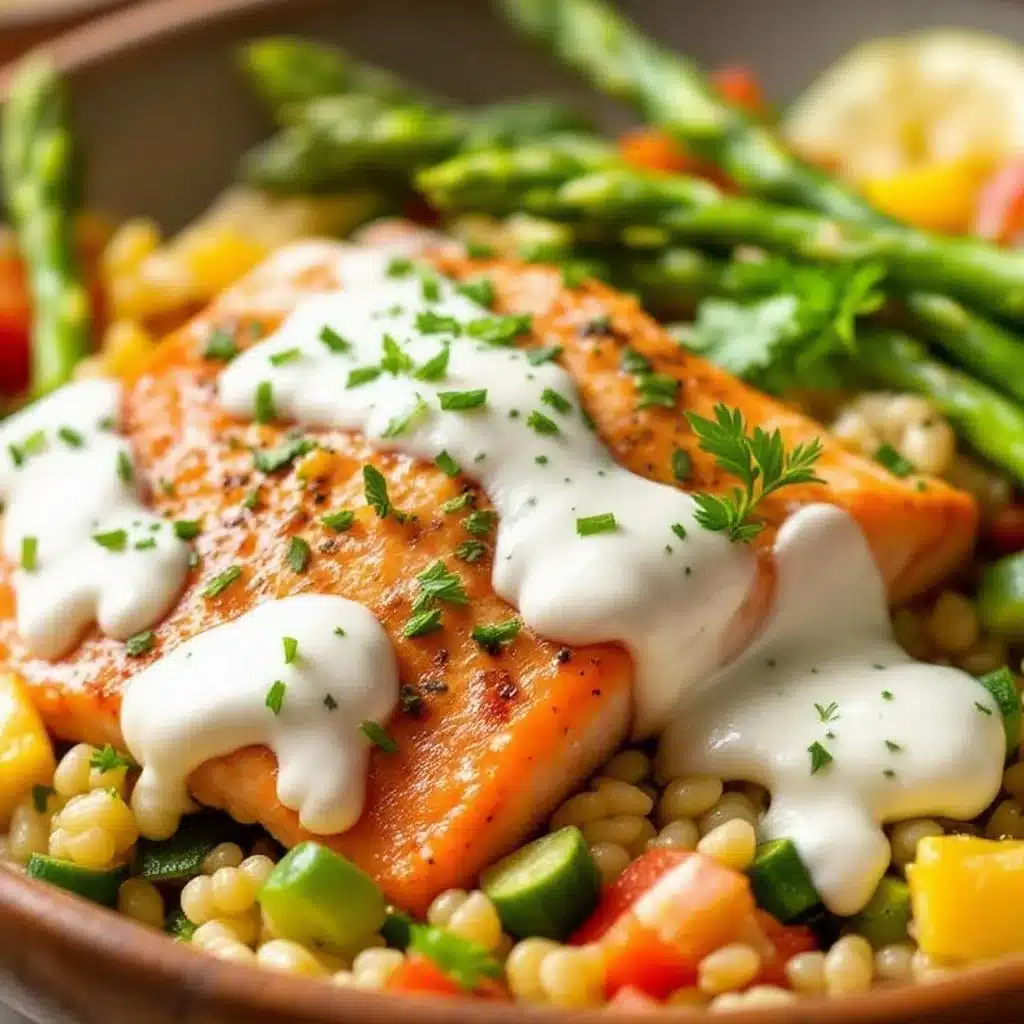
I figured a one-pan dinner meant sacrificing flavor for convenience. It took about three overly steamed salmon fillets and a batch of sad, soggy asparagus to realize I was the problem, not the method. This Easy One-Pan Garlic Butter Salmon with Asparagus is what happens when you stop trying to control every single thing and actually let the butter do its job.
It was a Tuesday. I had a pound of asparagus threatening to go limp in the crisper drawer and two salmon fillets I’d defrosted out of sheer guilt. I was tired—not the “I need a nap” tired, but the “I cannot look at another dirty sauté pan” tired. So I threw everything onto a sheet pan, slathered it in garlic butter, and shoved it in the oven. I figured it would be fine. Edible, at least.
What came out of that oven was something else entirely. The salmon was flaky, the edges of the asparagus were caramelized and sweet, and the garlic butter had turned into this almost-sauce that coated everything in a glossy, savory hug. I stood at the counter and ate half of it straight off the pan. No plate, no fork—just me, a sheet pan, and the quiet realization that I had accidentally stumbled onto my new favorite weeknight dinner. This is that recipe, and it works every single time.
Why You’ll Love This Recipe
Let’s be honest—most “one-pan” recipes are a lie. They either require you to add ingredients in stages (which means you’re still washing a bowl) or they cook unevenly, leaving you with overcooked protein and underdone vegetables. This Easy One-Pan Garlic Butter Salmon with Asparagus is not that. It’s the real deal.
- Ready in 25 Minutes: From fridge to table in under half an hour. This is faster than ordering takeout, and I’ve tested that claim.
- Minimal Cleanup: One sheet pan, one small bowl for the butter mixture, and maybe a spatula. That’s it. Your sink will thank you.
- Restaurant-Quality Results: The salmon comes out perfectly cooked—flaky, moist, and buttery—while the asparagus roasts until it’s just tender with crispy, browned tips.
- Simple, Everyday Ingredients: You probably have garlic, butter, lemon, and salt in your kitchen right now. No special trips to the store.
- Impressively Versatile: This works for a quiet weeknight dinner, but it’s also elegant enough for company. I’ve served it to guests who asked for the recipe before they finished eating.
What makes this recipe different is the technique. Instead of dumping everything on the pan raw, you briefly par-roast the asparagus so it gets a head start. Then you add the salmon, brush everything with that glorious garlic butter, and let the oven do the rest. The result is perfectly cooked everything, every time. No guesswork, no checking every two minutes.
This is the kind of meal that makes you feel like you’ve got your act together, even when you absolutely don’t. It’s comfort food that’s actually good for you—healthy, satisfying, and soul-soothing in that simple, unpretentious way.
What Ingredients You Will Need
This recipe uses a short list of everyday ingredients to create something genuinely special. Here is what you’ll need, along with a few notes on what to look for.
- Salmon Fillets (4 fillets, about 6 oz / 170g each): Look for fillets that are roughly the same thickness so they cook evenly. I prefer center-cut fillets for their even shape and higher fat content, which keeps them moist. Skin-on or skin-off works fine—just adjust cooking time slightly if skin-on (it acts as an insulator, so it may take an extra minute or two).
- Asparagus (1 lb / 450g, trimmed): Thicker spears hold up better to roasting and are less likely to turn mushy. Snap off the woody ends where they naturally break, or trim about an inch off the bottom. If you’re feeling fancy, you can peel the lower half of thicker spears, but I honestly never bother.
- Unsalted Butter (4 tbsp / 57g, melted): Unsalted gives you control over the salt level. If all you have is salted, just reduce the added salt by about ¼ teaspoon. I’ve used both Kerrygold and regular store-brand—both work beautifully.
- Garlic (4-5 cloves, minced): Fresh garlic is non-negotiable here. The jarred stuff won’t give you the same punch. I use a microplane to mince it super fine so it melts into the butter, but a good old-fashioned knife chop works perfectly.
- Lemon (1 large lemon): You’ll need both the zest and the juice. The zest goes into the garlic butter for bright, aromatic flavor, and the juice gets squeezed over everything right before serving. Don’t skip the zest—it makes a real difference.
- Olive Oil (1 tbsp / 15ml): Just enough to coat the asparagus before roasting. A light, fruity olive oil works best. Extra virgin is fine, but save your fancy finishing oil for drizzling at the table.
- Salt and Black Pepper (to taste): I use flaky sea salt for finishing and fine sea salt for the butter mixture. Freshly cracked black pepper makes a noticeable difference here.
- Optional Garnishes: Fresh parsley or dill (chopped), red pepper flakes for heat, and extra lemon wedges for serving. These aren’t essential, but they make the dish look like it came out of a magazine.
That’s it. Seven core ingredients, plus a few optional garnishes. No cream, no wine, no complicated sauces. The garlic butter does all the heavy lifting.
Equipment Needed
One of the best things about this recipe is how little equipment it requires. Here’s what you’ll need:
- Sheet Pan (Half-sheet size, 18×13 inches): This is the star of the show. A rimmed baking sheet prevents any butter from spilling into your oven. I use a Nordic Ware half-sheet pan—it’s sturdy, doesn’t warp, and cleans up beautifully. If you don’t have one, any rimmed baking pan will work.
- Parchment Paper or Aluminum Foil: Lining the pan makes cleanup even easier. I prefer parchment for non-stick properties, but foil works in a pinch. If using foil, give it a light spray of cooking oil.
- Small Microwave-Safe Bowl: For melting the butter and mixing the garlic butter sauce. A ramekin or a small glass measuring cup works perfectly.
- Chef’s Knife and Cutting Board: For mincing garlic, zesting the lemon, and trimming asparagus.
- Microplane or Zester: For getting that fine lemon zest. A box grater’s fine side will work if you don’t have a microplane.
- Pastry Brush or Spoon: For brushing the garlic butter over the salmon and asparagus. A silicone pastry brush is ideal, but a regular spoon works—just drizzle and spread.
- Instant-Read Thermometer (Optional but Recommended): For checking salmon doneness without cutting into it. Salmon is perfectly cooked at 125°F (52°C) for medium, or 130°F (54°C) for well-done.
If you don’t have a pastry brush, don’t buy one just for this. A spoon works fine. I’ve also used the back of a spatula to spread the butter—whatever gets the job done.
Preparation Method
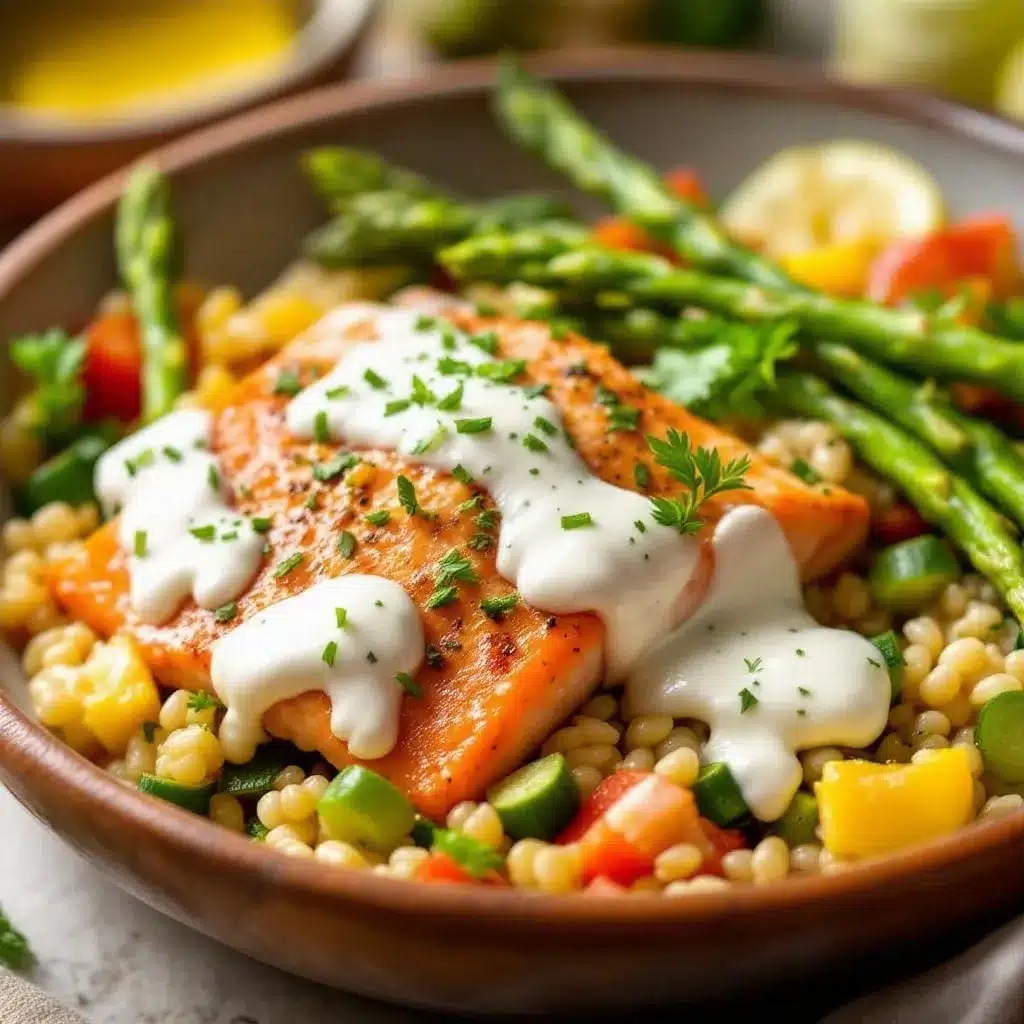
This recipe comes together quickly, so I recommend having everything prepped before you turn on the oven. Here’s how it goes:
- Preheat and Prep (5 minutes): Preheat your oven to 400°F (200°C). Line a half-sheet pan with parchment paper or foil. While the oven heats, trim the woody ends off your asparagus—just grab a spear, bend it gently until it snaps, and use that as a guide for the rest. Pat the salmon fillets dry with paper towels. Dry salmon = crispy, golden exterior. Wet salmon = steamed, sad salmon.
- Make the Garlic Butter (2 minutes): In a small microwave-safe bowl, melt 4 tablespoons of unsalted butter. Add the minced garlic (4-5 cloves), the zest of one lemon, ½ teaspoon of fine sea salt, and ¼ teaspoon of freshly cracked black pepper. Stir to combine. The smell at this point is absolutely intoxicating. Set aside.
- Par-Roast the Asparagus (8 minutes): Arrange the trimmed asparagus on the prepared sheet pan in a single layer. Drizzle with 1 tablespoon of olive oil, season with a pinch of salt and pepper, and toss to coat. Spread them out evenly. Roast for 8 minutes. This head start is the secret to perfectly cooked asparagus—it ensures the spears are tender by the time the salmon is done, rather than crunchy or raw.
- Add the Salmon (2 minutes): Remove the pan from the oven. Push the asparagus to the sides to make room for the salmon fillets in the center. Place the fillets skin-side down (if using skin-on) or presentation-side down (if skinless). Brush each fillet generously with the garlic butter mixture. Don’t be shy—use about half of it here. Brush the remaining butter over the asparagus spears.
- Roast Everything Together (12-15 minutes): Return the pan to the oven and roast for 12-15 minutes, depending on the thickness of your salmon. For 1-inch thick fillets, 12 minutes yields medium (still slightly translucent in the center), and 14-15 minutes yields fully cooked, flaky salmon. The asparagus should be tender with caramelized, crispy tips. If you’re using an instant-read thermometer, look for 125°F (52°C) for medium or 130°F (54°C) for well-done.
- Finish and Serve (2 minutes): Remove the pan from the oven. Squeeze the juice of half a lemon over everything. If using, sprinkle with fresh chopped parsley or dill and a pinch of red pepper flakes for heat. Serve immediately, straight from the pan or on plates with extra lemon wedges.
A Note on Timing: If your asparagus spears are very thin (pencil-thin), reduce the par-roast time to 5 minutes. If they’re thick (like my personal preference), you can go up to 10 minutes. The goal is to have them slightly underdone when the salmon goes in, so they finish cooking together.
Cooking Tips & Techniques
I’ve made this recipe more times than I can count, and I’ve learned a few things the hard way. Here are my best tips:
Don’t Overcrowd the Pan: If your salmon fillets are touching each other or the asparagus is piled on top of itself, they’ll steam instead of roast. Use a larger pan or divide between two pans if needed. Crowded pans = soggy results.
Pat the Salmon Dry: This is the single most important step for getting that beautiful golden exterior. Wet salmon won’t brown. It’ll turn pale and unappealing. Take the extra 30 seconds to pat it dry with paper towels.
Use Room Temperature Salmon: Take the fillets out of the fridge 10-15 minutes before cooking. Cold salmon cooks unevenly—the outside will be overdone by the time the center is warm. A quick rest at room temperature solves this.
Watch the Garlic: Garlic burns easily. If your oven runs hot or you’re using a convection setting, the garlic butter can scorch. If you’re worried about this, you can add half the garlic to the butter for brushing, and sprinkle the remaining minced garlic over the salmon halfway through cooking. I’ve done this on particularly hot days, and it works beautifully.
My Biggest Failure: The first time I made this, I didn’t par-roast the asparagus. I just threw everything on the pan and hoped for the best. The salmon came out perfect, but the asparagus was crunchy and raw-tasting. I was so disappointed. That’s why I developed the par-roast method—it’s a game-changer.
Multitasking Strategy: While the asparagus par-roasts, zest and juice your lemon, mince your garlic, and chop any herbs. By the time the 8 minutes are up, everything is ready to go. This keeps the process smooth and stress-free.
Variations & Adaptations
This recipe is wonderfully flexible. Here are some ways to make it your own:
Dietary Adaptations:
- Dairy-Free: Substitute the butter with a high-quality vegan butter or ghee (if you tolerate it). I’ve used Miyoko’s European Style Cultured Vegan Butter with excellent results. The garlic and lemon still carry the flavor beautifully.
- Low-Carb/Keto: This recipe is already naturally low-carb and keto-friendly. The butter adds healthy fats, and the asparagus is minimal in carbs. You could add extra butter for more fat, if desired.
- Pescatarian/Gluten-Free: This recipe is naturally pescatarian and gluten-free. Just double-check your butter and any seasonings for hidden gluten—though this is rarely an issue.
Flavor Variations:
- Herb Butter Salmon: Add 2 tablespoons of chopped fresh dill, parsley, or chives to the garlic butter. The herbs brighten the flavor and make it feel extra special.
- Spicy Salmon: Add ½ teaspoon of red pepper flakes or a drizzle of sriracha to the garlic butter. The heat cuts through the richness of the butter beautifully.
- Lemon-Dill Salmon: Increase the lemon zest to 1½ lemons and add 2 tablespoons of fresh dill to the butter. This is my personal favorite variation—it’s bright, fresh, and tastes like spring.
Vegetable Substitutions:
- Broccoli or Broccolini: Cut into florets and par-roast for 8-10 minutes before adding the salmon.
- Green Beans: Trim and par-roast for 6-8 minutes. They cook faster than asparagus.
- Cherry Tomatoes and Zucchini: Halve the tomatoes and slice the zucchini into half-moons. Roast alongside the asparagus during the par-roast stage. The tomatoes will burst and create a light sauce.
Cooking Method Variations:
- Air Fryer: Cook the asparagus at 375°F (190°C) for 5 minutes, then add the salmon and cook for another 8-10 minutes. You may need to work in batches depending on your air fryer size.
- Grill: Place the salmon and asparagus in a grill basket or on a piece of heavy-duty foil. Grill over medium-high heat for 10-12 minutes, flipping halfway through. The smoky flavor is incredible.
Serving & Storage Suggestions
This dish is best served immediately, right when it comes out of the oven. The salmon is at its flakiest, the asparagus is perfectly tender, and the garlic butter is still glossy and warm.
Serving Suggestions: I like to serve this with a simple side like steamed rice, quinoa, or crusty bread to soak up the leftover garlic butter. A light green salad with a lemon vinaigrette is also lovely—it keeps the meal fresh and bright. For a heartier meal, try serving it alongside crispy honey bacon potatoes for a truly indulgent dinner. The sweetness of the potatoes pairs perfectly with the savory garlic butter.
Presentation Tips: For a beautiful presentation, arrange the salmon fillets on a platter with the asparagus artfully scattered around. Drizzle any remaining pan juices over the top. Garnish with fresh herbs, lemon wedges, and a sprinkle of flaky sea salt. It looks like you spent way more effort than you actually did.
Storage: Store leftovers in an airtight container in the refrigerator for up to 3 days. The salmon will lose some of its flakiness upon reheating, but it’s still delicious. I often make extra on purpose to use in salads or flaked over pasta the next day.
Reheating: The best way to reheat is in a 300°F (150°C) oven for 5-7 minutes, or until warmed through. The microwave works in a pinch, but it will dry out the salmon. If using the microwave, cover the plate with a damp paper towel to add moisture. I’ve also been known to eat it cold, straight from the fridge, over a salad—it’s surprisingly good that way.
Flavor Development: The flavors actually meld together overnight. Cold leftovers make an excellent lunch—just flake the salmon over a bed of greens with some cherry tomatoes and a simple vinaigrette. The garlic butter acts as a built-in dressing.
Nutritional Information & Benefits
This recipe is as nutritious as it is delicious. Here’s a rough estimate per serving (one salmon fillet plus a quarter of the asparagus):
- Calories: Approximately 420-450 calories
- Protein: 38-42g
- Fat: 28-32g (mostly healthy unsaturated fats from salmon and butter)
- Carbohydrates: 8-10g
- Fiber: 3-4g
- Sugar: 3-4g (natural sugars from asparagus)
Health Benefits: Salmon is packed with omega-3 fatty acids, which support heart and brain health. It’s also an excellent source of high-quality protein and vitamin D. Asparagus is a nutritional powerhouse—it’s rich in fiber, folate, vitamins A, C, and K, and antioxidants. The garlic adds immune-boosting compounds, and the butter provides fat-soluble vitamins A, D, and E. This is a meal that truly nourishes your body while satisfying your taste buds.
Dietary Considerations: This recipe is naturally gluten-free, low-carb, and keto-friendly. It’s also pescatarian-friendly. If you’re watching your sodium, use unsalted butter and go light on the added salt—the lemon and garlic provide plenty of flavor on their own. The only potential allergen is dairy (butter), which can be easily swapped for a dairy-free alternative.
I personally love that this recipe makes me feel good after eating it. No heaviness, no guilt—just satisfaction and energy. That’s the kind of meal I want to eat regularly.
Conclusion
This Easy One-Pan Garlic Butter Salmon with Asparagus is the kind of recipe that becomes a staple. It’s quick enough for a busy Tuesday, elegant enough for a dinner party, and so simple that you’ll memorize it after making it once. The combination of perfectly cooked salmon, tender caramelized asparagus, and that irresistible garlic butter is genuinely hard to beat.
I love this recipe because it reminds me that good food doesn’t have to be complicated. Sometimes the best meals come from the simplest ingredients, cooked with a little intention and a lot of butter. It’s a reminder that you don’t need fancy techniques or a dozen pots and pans to create something truly memorable.
Try this recipe and make it your own. Swap the asparagus for broccoli, add extra lemon, throw in some red pepper flakes—whatever feels right. And when you do, I’d love to hear about it. Leave a comment below, share your photos, or let me know what variations you tried. That’s what cooking is all about—sharing, experimenting, and finding what works for you.
Now go preheat your oven. Dinner is twenty-five minutes away, and it’s going to be amazing.
Frequently Asked Questions
Can I use frozen salmon for this recipe?
Yes, but thaw it completely in the refrigerator overnight first. Pat it very dry before cooking—frozen salmon holds more moisture, so drying it thoroughly is extra important. You may also need to add 2-3 minutes to the cooking time.
What if I don’t have a sheet pan?
Any rimmed baking pan will work. A 9×13-inch baking dish is a good substitute, though the asparagus may not get as crispy since the sides are higher. You can also use a cast-iron skillet for the salmon and cook the asparagus separately.
Can I make this recipe ahead of time?
This recipe is best made fresh, as the salmon loses its texture upon reheating. However, you can prep the garlic butter and trim the asparagus up to a day in advance. Store the butter in the refrigerator and bring it to room temperature before using.
How do I know when the salmon is done without a thermometer?
Look for visual cues. The salmon will turn from translucent to opaque, and it should flake easily with a fork. The thickest part of the fillet should feel firm but still have a little give. If it’s completely firm and flakes apart easily, it’s likely overcooked.
What can I serve with this to make it a complete meal?
This dish is fairly complete on its own with the protein and vegetables. For a heartier meal, serve with steamed rice, quinoa, couscous, or crusty bread to soak up the garlic butter. A simple side salad with a lemon vinaigrette is also lovely. If you’re looking for another easy weeknight option, try this alongside creamy sausage and lemon pasta for a truly comforting dinner spread.
Pin This Recipe!
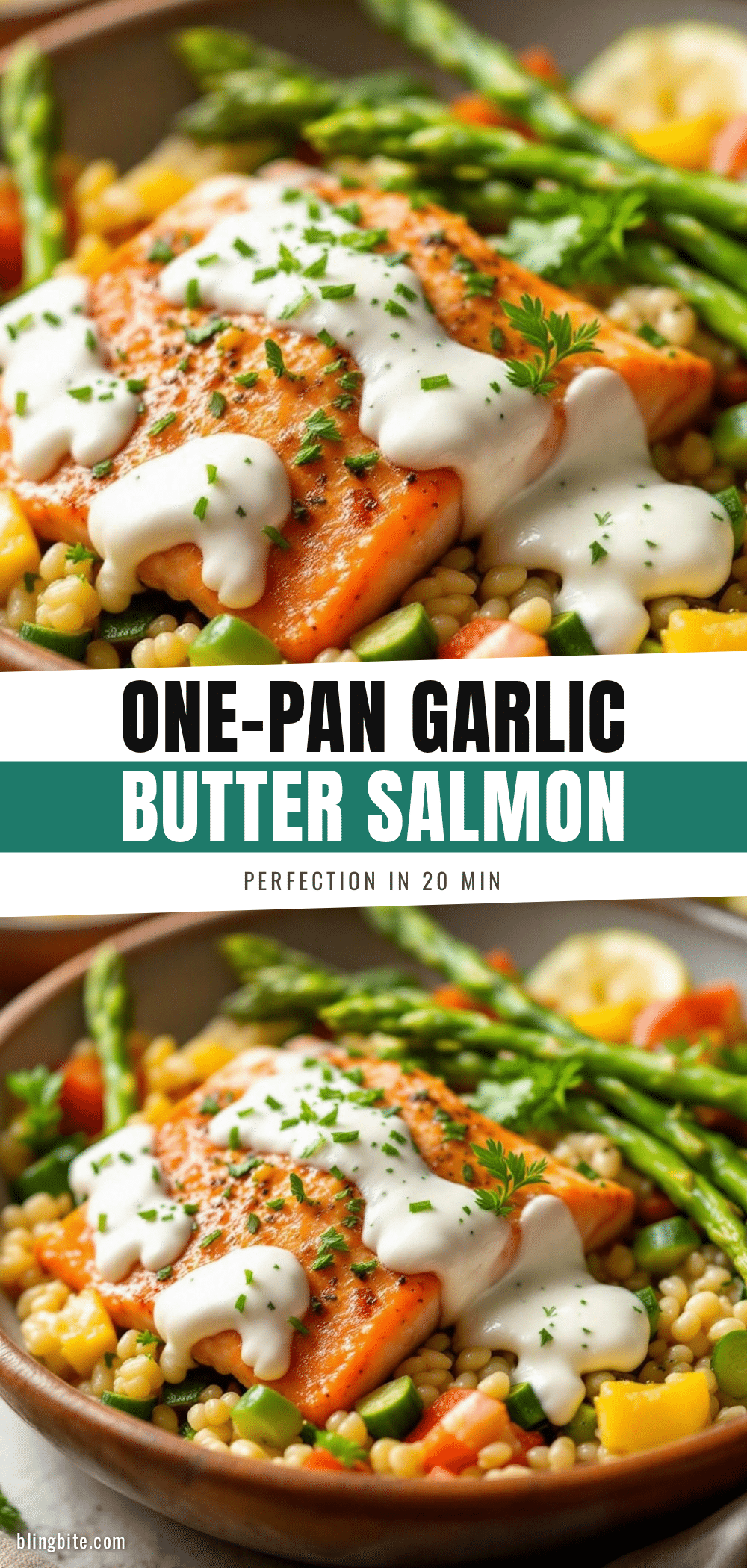
Easy One-Pan Garlic Butter Salmon with Asparagus

A quick and delicious one-pan dinner featuring perfectly cooked salmon and tender asparagus, all coated in a rich garlic butter sauce. Ready in 25 minutes with minimal cleanup.
- Prep Time: 10 minutes
- Cook Time: 20-23 minutes
- Total Time: 30-33 minutes
- Yield: 4 servings 1x
- Category: Main Course
- Cuisine: American
Ingredients
- 4 salmon fillets (about 6 oz / 170g each)
- 1 lb (450g) asparagus, trimmed
- 4 tbsp (57g) unsalted butter, melted
- 4–5 cloves garlic, minced
- 1 large lemon (zest and juice)
- 1 tbsp (15ml) olive oil
- Salt and black pepper to taste
- Optional: fresh parsley or dill, red pepper flakes, extra lemon wedges
Instructions
- Preheat oven to 400°F (200°C). Line a half-sheet pan with parchment paper or foil. Trim woody ends off asparagus. Pat salmon fillets dry with paper towels.
- In a small microwave-safe bowl, melt 4 tablespoons unsalted butter. Add minced garlic, lemon zest, ½ teaspoon fine sea salt, and ¼ teaspoon black pepper. Stir to combine.
- Arrange asparagus on prepared pan in a single layer. Drizzle with olive oil, season with salt and pepper, and toss to coat. Roast for 8 minutes.
- Remove pan from oven. Push asparagus to sides. Place salmon fillets in center, skin-side down. Brush generously with garlic butter mixture (use about half). Brush remaining butter over asparagus.
- Return pan to oven and roast for 12-15 minutes, depending on thickness. For 1-inch thick fillets, 12 minutes yields medium, 14-15 minutes yields fully cooked. Asparagus should be tender with caramelized tips.
- Remove from oven. Squeeze juice of half a lemon over everything. Garnish with fresh herbs and red pepper flakes if desired. Serve immediately with extra lemon wedges.
Notes
Par-roast asparagus first for best texture. Pat salmon dry for crispy exterior. Use room temperature salmon for even cooking. Watch garlic to prevent burning. For thin asparagus, reduce par-roast time to 5 minutes; for thick spears, up to 10 minutes.
Nutrition
- Serving Size: 1 salmon fillet plus
- Calories: 420450
- Sugar: 34
- Sodium: 400500
- Fat: 2832
- Saturated Fat: 1012
- Carbohydrates: 810
- Fiber: 34
- Protein: 3842
Keywords: one-pan salmon, garlic butter salmon, asparagus salmon, easy salmon recipe, sheet pan dinner, healthy salmon, weeknight dinner