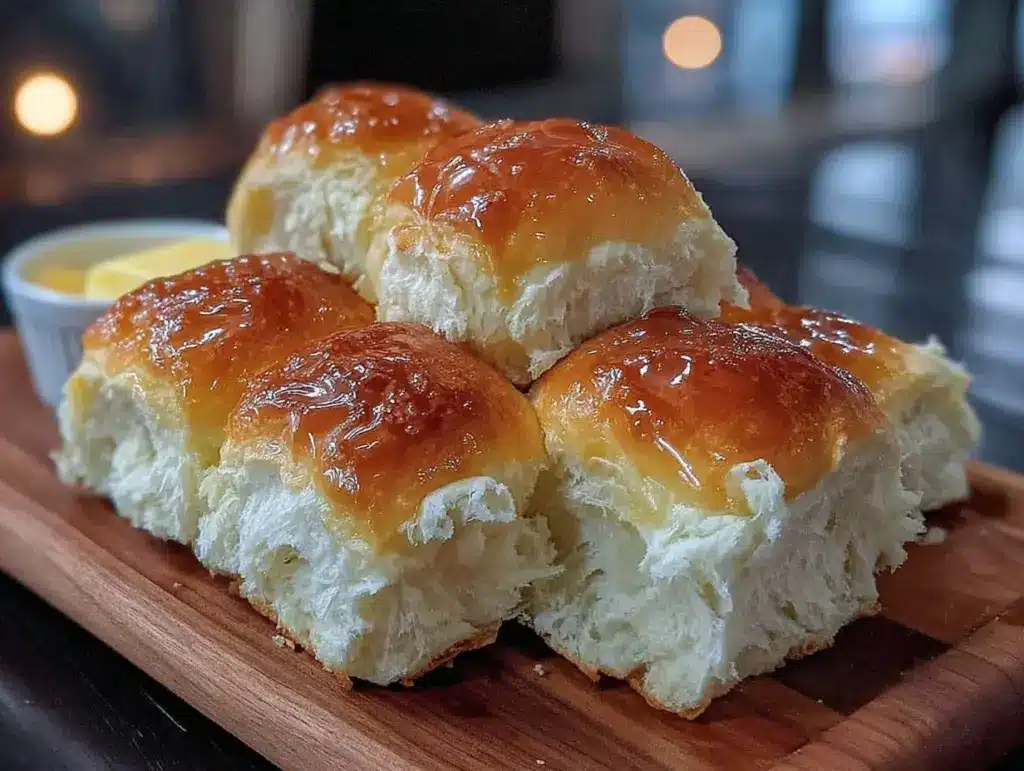
I’m craving that pillowy softness that sticks to your fingers, the kind of bread that almost feels like a cloud you can eat. The kitchen smells faintly of warm milk and yeast, and I realize I have everything on hand except the one trick that makes these Japanese milk bread rolls stand out: the tangzhong method. Honestly, it’s a game-changer. When I first stumbled upon this recipe, it felt like magic—fluffy, tender rolls that somehow last longer without turning rock hard the next day. The tangzhong, a cooked flour and water paste, is the secret behind that irresistible texture, and once you get it, it’s hard to go back to regular bread.
There’s something quietly satisfying about kneading this dough, watching it rise slowly, and knowing the outcome will be worth the wait. The rolls bake up with a shiny golden crust that’s soft, not crusty, with a crumb that melts in your mouth. I remember the first time I pulled them from the oven and how my family hovered around, warm rolls in hand, barely letting them cool before tearing into the fluffiness. It’s that feeling I keep chasing—comfort wrapped in a simple homemade bread.
I’ve tried other soft breads before, but this Japanese milk bread recipe, made with the tangzhong method, has this perfect balance of richness and lightness that honestly surprises me every time. Plus, making these rolls is a quiet little ritual I look forward to on lazy Sunday mornings or when I want to impress without fuss. It’s not just bread—it’s a little moment of joy, a trusted recipe that’s become a staple in my kitchen. You know that feeling when something just clicks? That’s this recipe for me.
Why You’ll Love This Recipe
This fluffy Japanese milk bread rolls recipe is one of those keeper recipes that I’ve tested multiple times until it felt just right. Here’s why you’ll be glad to have it in your repertoire:
- Quick & Easy: The tangzhong method cuts down on the bread’s dryness, and the dough comes together in under 30 minutes of active prep time—perfect for busy weeknights or last-minute baking urges.
- Simple Ingredients: No exotic or hard-to-find items here. Basic pantry staples like bread flour, milk, sugar, and yeast make these rolls accessible for any home cook.
- Perfect for Any Occasion: Whether it’s brunch with friends, a cozy family dinner, or part of a party spread, these rolls fit right in. They even pair beautifully with savory dishes like a hearty pot roast or creamy soups.
- Crowd-Pleaser: Kids love them for their soft texture and mild sweetness, while adults appreciate the delicate crumb and subtle buttery flavor.
- Unbelievably Delicious: The tangzhong method means these rolls stay moist and tender longer than typical homemade bread, giving you that fresh-bakery feel days after baking.
- What Makes This Recipe Different: Unlike other fluffy bread recipes, this one uses a precise tangzhong technique that involves cooking a small portion of flour and liquid to form a thick paste before mixing it into the dough. This step locks in moisture and gives the bread its signature softness.
- Emotional Connection: This recipe isn’t just a bread; it’s the kind that makes you pause after the first bite and appreciate a moment of simple comfort. It’s like a warm hug from your oven.
What Ingredients You Will Need
This recipe uses simple, wholesome ingredients to deliver that signature soft texture and slightly sweet flavor without any fuss. Many of these are kitchen staples, so you probably have them ready to go!
- For the Tangzhong (Water Roux):
- Water – 120 ml (½ cup)
- Bread flour – 25 g (2 tablespoons) (I prefer King Arthur for consistent texture)
- For the Dough:
- Bread flour – 300 g (2 ½ cups)
- Whole milk – 120 ml (½ cup), warmed to about 110°F (43°C)
- Granulated sugar – 50 g (¼ cup)
- Instant yeast – 7 g (2 teaspoons)
- Unsalted butter – 40 g (3 tablespoons), softened
- Salt – 5 g (1 teaspoon)
- Egg – 1 large, room temperature (adds richness and color)
Ingredient Notes: For a dairy-free option, swap the milk with almond or oat milk and use vegan butter instead of regular butter. If you want a gluten-free version, try substituting with a gluten-free bread flour blend, but expect some texture differences.
Equipment Needed
- Mixing Bowls: One medium for the tangzhong and a larger one for the dough.
- Whisk and Wooden Spoon: For mixing the tangzhong and initial dough ingredients.
- Stand Mixer with Dough Hook (optional): Makes kneading easier, but you can knead by hand.
- Measuring Cups and Spoons: Accurate measurements matter here for consistent results.
- Baking Pan: A 9×5-inch loaf pan or similar size for shaping the rolls.
- Plastic Wrap or Clean Kitchen Towel: To cover the dough during proofing.
- Instant-read Thermometer: Helpful for checking milk temperature, but not essential.
I started with hand kneading and eventually got a stand mixer, which definitely saves my wrists during this recipe. But honestly, this bread is forgiving enough that kneading by hand works just fine. A loaf pan helps keep those rolls snug and uniform, but you can also bake them freeform on a baking sheet if you prefer.
Preparation Method
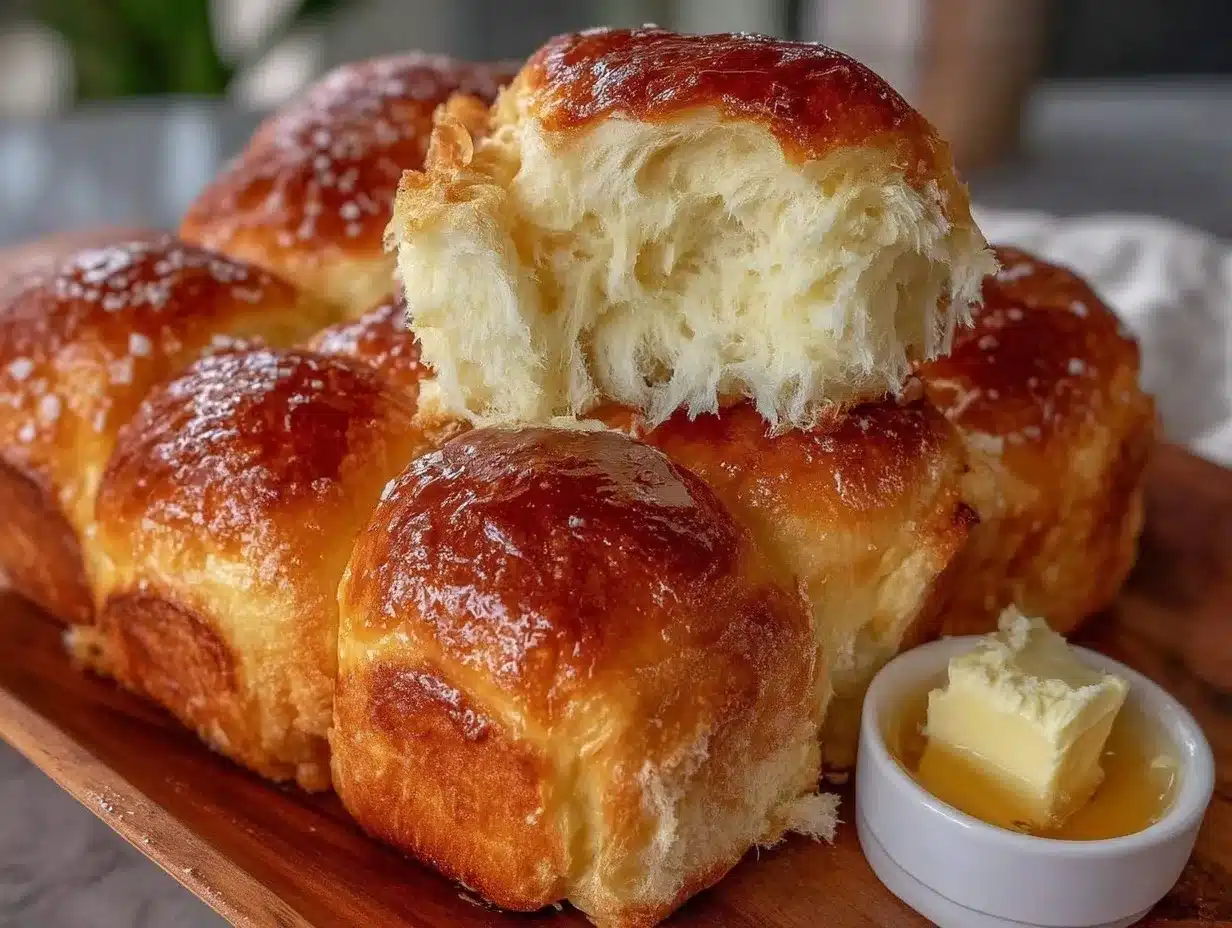
- Make the Tangzhong (Water Roux): In a small saucepan, whisk together 120 ml (½ cup) water and 25 g (2 tablespoons) bread flour until no lumps remain. Place over medium heat and cook, stirring constantly, until the mixture thickens to a pudding-like consistency and you see lines in the pan. This usually takes about 3-5 minutes. Remove from heat and let it cool to room temperature.
- Combine Dry Ingredients: In a large mixing bowl, whisk together 300 g (2 ½ cups) bread flour, 50 g (¼ cup) sugar, 7 g (2 teaspoons) instant yeast, and 5 g (1 teaspoon) salt. Keep the salt on one side of the bowl and yeast on the other to prevent direct contact before mixing.
- Add Wet Ingredients: Pour the cooled tangzhong, 120 ml (½ cup) warmed whole milk, and 1 large room-temperature egg into the dry ingredients. Stir with a wooden spoon or dough hook attachment to combine.
- Knead the Dough: Add 40 g (3 tablespoons) softened unsalted butter and knead the dough for about 10-15 minutes if by hand, or 8-10 minutes with a stand mixer, until it’s smooth, elastic, and slightly tacky but not sticky. If the dough feels too sticky, sprinkle a bit more flour—just enough to make it manageable.
- First Proof: Shape the dough into a ball and place it in a lightly greased bowl. Cover with plastic wrap or a damp towel. Let it rise in a warm, draft-free spot for 60-90 minutes, or until doubled in size. The dough will feel airy and soft to the touch.
- Shape the Rolls: Punch down the dough gently to release air. Divide it into 8 equal pieces (about 70 g each). Roll each piece into a smooth ball by tucking edges underneath. Place the balls into a greased 9×5-inch loaf pan, arranging them snugly side by side.
- Second Proof: Cover the pan loosely with plastic wrap and let the rolls rise again for 40-60 minutes, or until puffed and nearly doubled.
- Preheat Oven: While the rolls proof, preheat your oven to 350°F (175°C).
- Bake: Brush the tops with a little milk or egg wash for a shiny finish. Bake for 25-30 minutes until the tops are golden brown and the rolls sound hollow when tapped.
- Cool: Remove the rolls from the oven and let them cool in the pan for 10 minutes before transferring to a wire rack. Serve warm or at room temperature.
Pro tip: If your dough feels too dry or stiff during kneading, add milk by the tablespoon to reach the right softness. The tangzhong keeps these rolls moist, but the dough still needs that perfect elasticity. I learned this the hard way after a few crumbly batches!
Cooking Tips & Techniques
Getting these fluffy Japanese milk bread rolls just right takes some care, but a few tricks really help:
- Use Bread Flour: Its higher protein content helps develop the gluten needed for that soft, stretchy crumb. All-purpose flour can work but expect a slightly less chewy texture.
- Temperature Matters: Warm milk (around 110°F/43°C) wakes up the yeast without killing it. Too hot and you risk flat bread; too cold and the rise slows down.
- Don’t Skip the Tangzhong: This cooked paste is what keeps the bread moist and tender days after baking. It might seem like an extra step, but trust me, it’s worth it.
- Knead Until Elastic: The dough should spring back when poked gently. Under-kneading leads to dense rolls, while over-kneading can make the dough tough.
- Proof in a Warm Spot: Yeast loves warmth. If your kitchen is cold, try proofing inside the oven with just the light on or near a sunny window.
- Brush Before Baking: Brushing the tops with milk or egg wash gives a beautiful, glossy finish that looks professional and inviting.
- Don’t Overbake: These rolls should feel soft and light, not dry. Start checking around 25 minutes to avoid losing moisture.
I once forgot the second proof and baked the dough right away—let’s just say those rolls were dense and sad. Since then, I never skip that step, and it always makes a huge difference. Also, multitasking by prepping the tangzhong first while measuring ingredients saves time and keeps the workflow smooth.
Variations & Adaptations
This recipe is flexible and lends itself well to different tweaks depending on your preferences or dietary needs. Here are some ideas:
- Sweet Version: Add a teaspoon of vanilla extract and swap half the sugar with honey for a subtly sweeter roll perfect for breakfast with jam.
- Savory Twist: Mix in finely chopped herbs like rosemary or thyme into the dough. These rolls pair wonderfully with dishes like rosemary garlic pot roast.
- Gluten-Free: Use a gluten-free bread flour blend and xanthan gum to mimic gluten’s elasticity, but be aware the texture will be a bit different—still delicious, just less stretchy.
- Dairy-Free: Substitute milk with plant-based alternatives like oat or almond milk and replace butter with coconut oil or vegan margarine.
- Stuffed Rolls: Before the second proof, flatten each dough ball and add fillings like sweet red bean paste (anko) or cream cheese for a delightful surprise inside.
Once, I added a handful of mini chocolate chips into the dough for a fun treat, and they disappeared almost as fast as they came out of the oven! Feel free to experiment—this bread is forgiving and adapts well.
Serving & Storage Suggestions
These fluffy Japanese milk bread rolls taste best fresh and warm, but they store surprisingly well too. Here’s how I like to serve and keep them:
- Serving: Warm the rolls slightly in the oven or microwave before serving. They’re perfect as sandwich buns or alongside creamy soups like roasted butternut squash soup.
- Storage: Store cooled rolls in an airtight container or zip-top bag at room temperature for up to 2 days. For longer storage, freeze them individually wrapped for up to 2 months.
- Reheating: Thaw frozen rolls at room temperature, then warm in a 350°F (175°C) oven for 5-7 minutes to restore softness and fluffiness.
- Flavor Development: The crumb may become even more tender after a day as the moisture distributes evenly—just avoid refrigeration, which can dry bread out.
I often pair these rolls with my favorite hearty dishes or even a simple spread of butter and preserves for a quick snack. They’re such a versatile companion at the table.
Nutritional Information & Benefits
Each roll (about 70 g) contains approximately:
| Calories | 180 kcal |
|---|---|
| Carbohydrates | 30 g |
| Protein | 5 g |
| Fat | 4 g |
| Fiber | 1 g |
| Sugar | 5 g |
Health Notes: The milk and egg add protein and essential nutrients, while the tangzhong method helps retain moisture, meaning less need for added fats or oils. This bread is not gluten-free by default, so those with sensitivities should adapt accordingly. It’s a comforting option that balances richness with lightness, making it a better choice than many overly processed baked goods.
Conclusion
Fluffy Japanese milk bread rolls made using the tangzhong method have earned a special place in my kitchen because they deliver that soft, tender crumb that just feels like home. Whether you’re new to bread baking or a seasoned pro looking for a softer, more pillowy loaf, this recipe hits the mark without complicated steps or exotic ingredients. I love how adaptable it is, from sweet to savory and everything in between.
Make the recipe your own—try adding your favorite herbs, fillings, or even pairing it with creative dips like a roasted red pepper hummus for a snack that’s anything but ordinary. I’d love to hear how your rolls turn out or what variations you try, so don’t hesitate to share your experience!
At the end of the day, it’s about the quiet joy of baking something soft, warm, and just right. This recipe has been that for me—and I believe it will be for you too.
FAQs About Fluffy Japanese Milk Bread Rolls
How long does it take to make Japanese milk bread rolls with the tangzhong method?
Active prep and kneading take about 30 minutes, but including the two rises, expect around 2.5 to 3 hours total from start to finish.
What is the tangzhong method and why is it used?
Tangzhong is a cooked flour and water paste that helps lock moisture into the bread, resulting in a softer, fluffier texture that stays fresh longer.
Can I make the dough without a stand mixer?
Yes! Kneading by hand works well—just plan for about 10-15 minutes of kneading until the dough is smooth and elastic.
How should I store leftover rolls?
Keep them in an airtight container at room temperature for up to 2 days, or freeze individually wrapped for up to 2 months.
Can I add fillings to these rolls?
Absolutely! Flatten each dough ball before the second proof and add sweet or savory fillings like red bean paste or cheese for a delicious surprise.
Pin This Recipe!
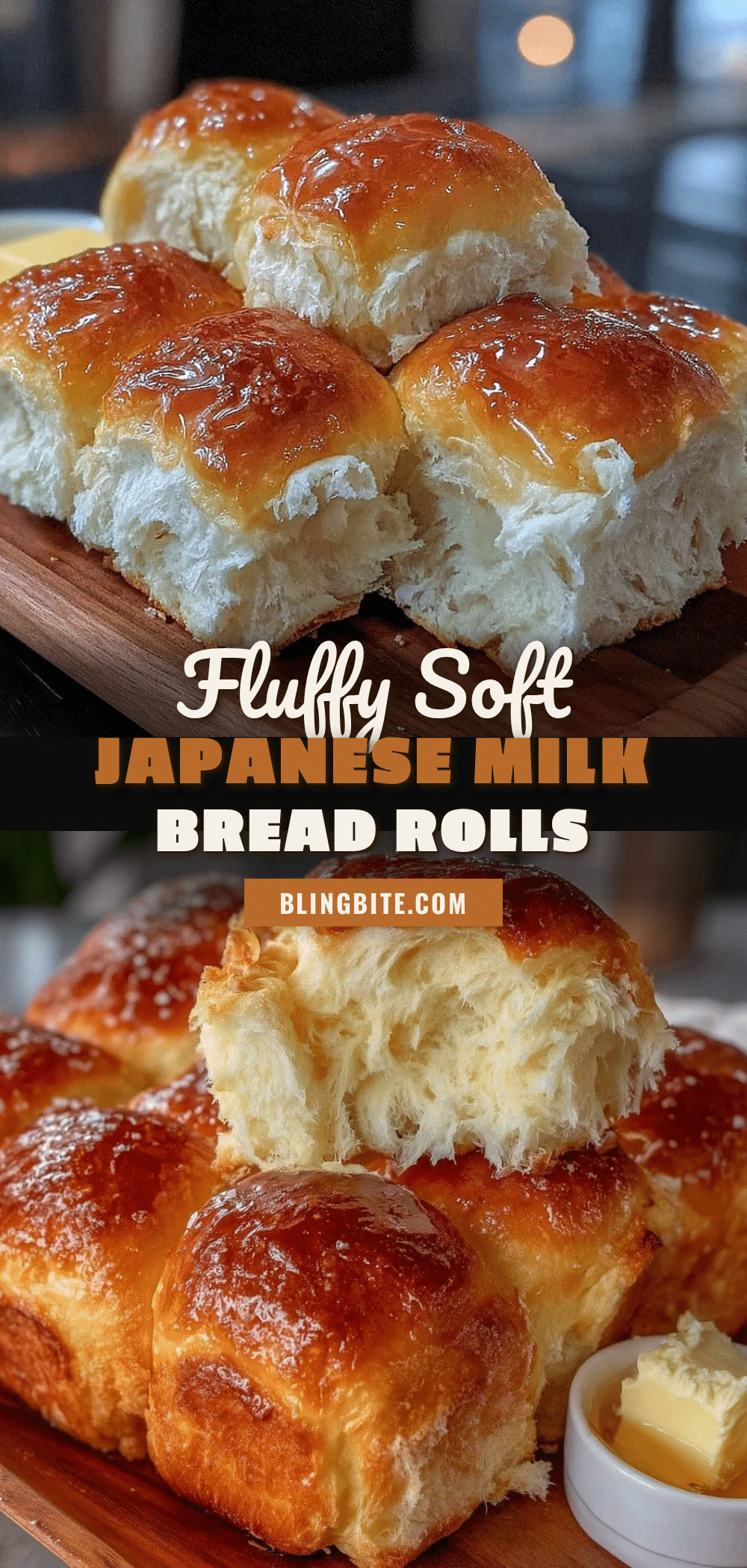
Fluffy Japanese Milk Bread Rolls Recipe Using Tangzhong Method Easy and Perfect

This recipe delivers pillowy soft Japanese milk bread rolls using the tangzhong method, resulting in fluffy, tender rolls that stay moist longer and have a shiny golden crust.
- Prep Time: 30 minutes
- Cook Time: 25-30 minutes
- Total Time: 2 hours 45 minutes to 3 hours
- Yield: 8 rolls 1x
- Category: Bread
- Cuisine: Japanese
Ingredients
- For the Tangzhong (Water Roux):
- 120 ml (½ cup) water
- 25 g (2 tablespoons) bread flour
- For the Dough:
- 300 g (2 ½ cups) bread flour
- 120 ml (½ cup) whole milk, warmed to about 110°F (43°C)
- 50 g (¼ cup) granulated sugar
- 7 g (2 teaspoons) instant yeast
- 40 g (3 tablespoons) unsalted butter, softened
- 5 g (1 teaspoon) salt
- 1 large egg, room temperature
Instructions
- Make the Tangzhong (Water Roux): In a small saucepan, whisk together 120 ml (½ cup) water and 25 g (2 tablespoons) bread flour until no lumps remain. Place over medium heat and cook, stirring constantly, until the mixture thickens to a pudding-like consistency and you see lines in the pan (about 3-5 minutes). Remove from heat and let cool to room temperature.
- Combine Dry Ingredients: In a large mixing bowl, whisk together 300 g (2 ½ cups) bread flour, 50 g (¼ cup) sugar, 7 g (2 teaspoons) instant yeast, and 5 g (1 teaspoon) salt. Keep salt and yeast separate initially to prevent direct contact.
- Add Wet Ingredients: Pour the cooled tangzhong, 120 ml (½ cup) warmed whole milk, and 1 large room-temperature egg into the dry ingredients. Stir to combine.
- Knead the Dough: Add 40 g (3 tablespoons) softened unsalted butter and knead for 10-15 minutes by hand or 8-10 minutes with a stand mixer until smooth, elastic, and slightly tacky but not sticky. Add flour if too sticky.
- First Proof: Shape dough into a ball, place in a greased bowl, cover with plastic wrap or damp towel, and let rise in a warm spot for 60-90 minutes until doubled in size.
- Shape the Rolls: Punch down dough, divide into 8 equal pieces (~70 g each), roll each into a smooth ball, and place snugly in a greased 9×5-inch loaf pan.
- Second Proof: Cover pan loosely and let rolls rise for 40-60 minutes until puffed and nearly doubled.
- Preheat Oven: Preheat oven to 350°F (175°C).
- Bake: Brush tops with milk or egg wash and bake for 25-30 minutes until golden brown and hollow sounding when tapped.
- Cool: Let rolls cool in pan for 10 minutes, then transfer to a wire rack. Serve warm or at room temperature.
Notes
Use bread flour for best gluten development. Warm milk to about 110°F to activate yeast without killing it. Don’t skip the tangzhong step for moisture retention. Knead until dough is elastic but not sticky. Proof in a warm, draft-free spot. Brush tops with milk or egg wash for a shiny crust. Avoid overbaking to keep rolls soft. For dairy-free, substitute milk and butter with plant-based alternatives. Gluten-free versions require special flour blends and xanthan gum.
Nutrition
- Serving Size: 1 roll (about 70 g)
- Calories: 180
- Sugar: 5
- Fat: 4
- Carbohydrates: 30
- Fiber: 1
- Protein: 5
Keywords: Japanese milk bread, tangzhong method, fluffy bread rolls, soft bread, homemade bread, easy bread recipe