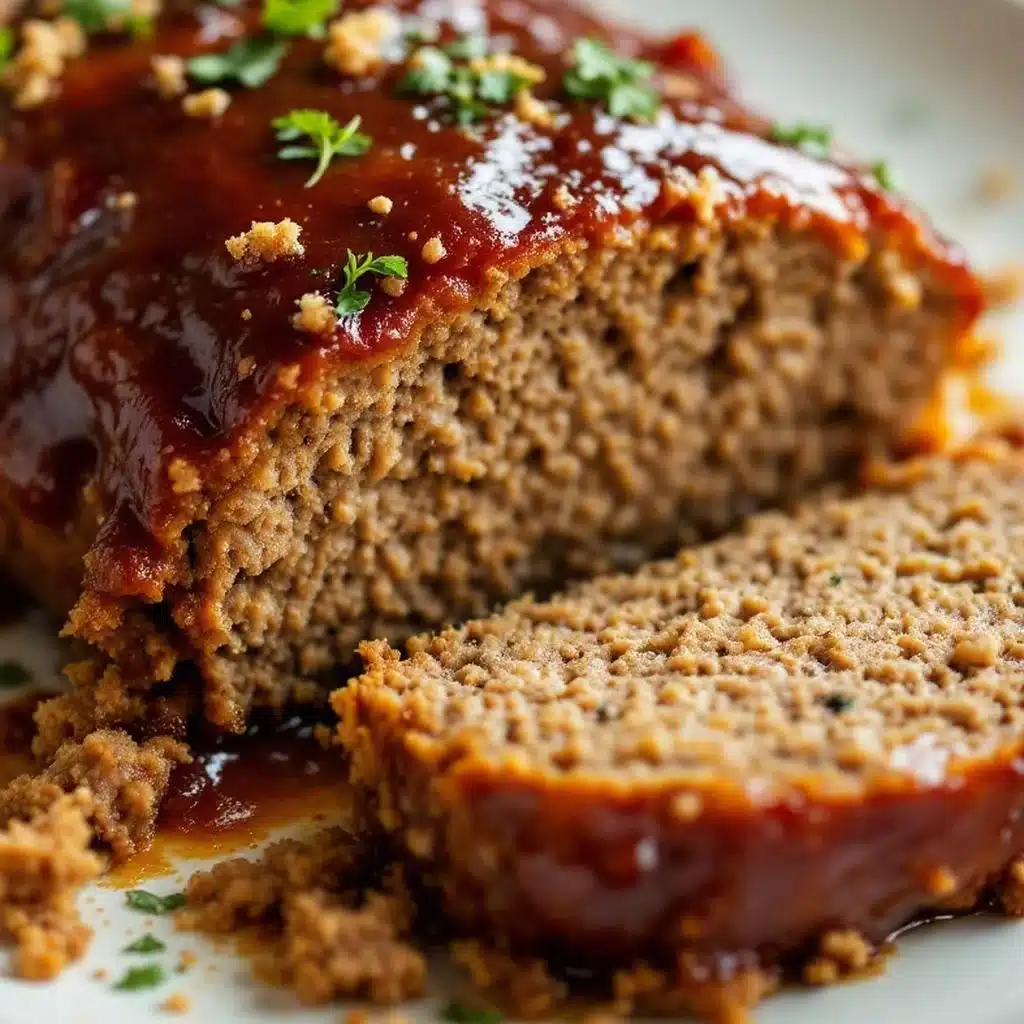
The pan came back to the kitchen with nothing but a smear of caramelized glaze across the bottom. My brother-in-law, who rarely compliments food that isn’t served on a bun, had gone back for thirds. That was the moment I knew this meatloaf recipe was different.
I hadn’t set out to reinvent anything. Meatloaf is one of those dishes everyone has an opinion about—too dry, too greasy, not enough flavor, too much ketchup. My version started as a simple weeknight experiment, a Wednesday night thing I threw together because I had ground beef in the fridge and a craving for something that felt like a hug. I wanted a glaze that wasn’t just ketchup dumped on top. I wanted it to caramelize, to get sticky and sweet, to create that crackly top layer that makes you fight over the end slice.
Honestly, the first few tries were fine. Edible. But they weren’t the kind of meatloaf that makes people text you the next day asking for the recipe. The change came when I started treating the glaze like the star instead of an afterthought. Brown sugar, a splash of apple cider vinegar, a little mustard—suddenly the whole thing came together. The sweetness balanced the savory beef, the glaze created a crust that kept the inside moist, and the whole kitchen smelled like a Sunday dinner that had been planned all along.
This is the meatloaf I make when I want to feel like I’ve got dinner handled. It’s the recipe I turn to when I need something reliable, something that fills the house with that good, old-fashioned cooking smell. It’s not fancy. It’s just really, really good.
Why You’ll Love This Recipe
I’ve tested this recipe more times than I care to admit—through lean ground beef, through extra-lean, through blends of beef and pork, through different pan sizes and oven temperatures. This version is the one I keep coming back to, and here’s why it works.
- Quick & Easy: From fridge to table in about an hour, with only 15 minutes of active prep. This is weeknight-friendly comfort food that doesn’t demand your whole afternoon.
- Simple Ingredients: You probably have most of these in your pantry right now. No specialty items, no trips to three different stores. Just honest, straightforward ingredients.
- Perfect for Family Dinners: It’s the kind of meal that pleases picky eaters and food enthusiasts alike. Kids love the sweet glaze, adults appreciate the savory depth.
- Crowd-Pleaser: I’ve brought this to potlucks, served it at casual dinner parties, and packed it for leftovers. It disappears every single time.
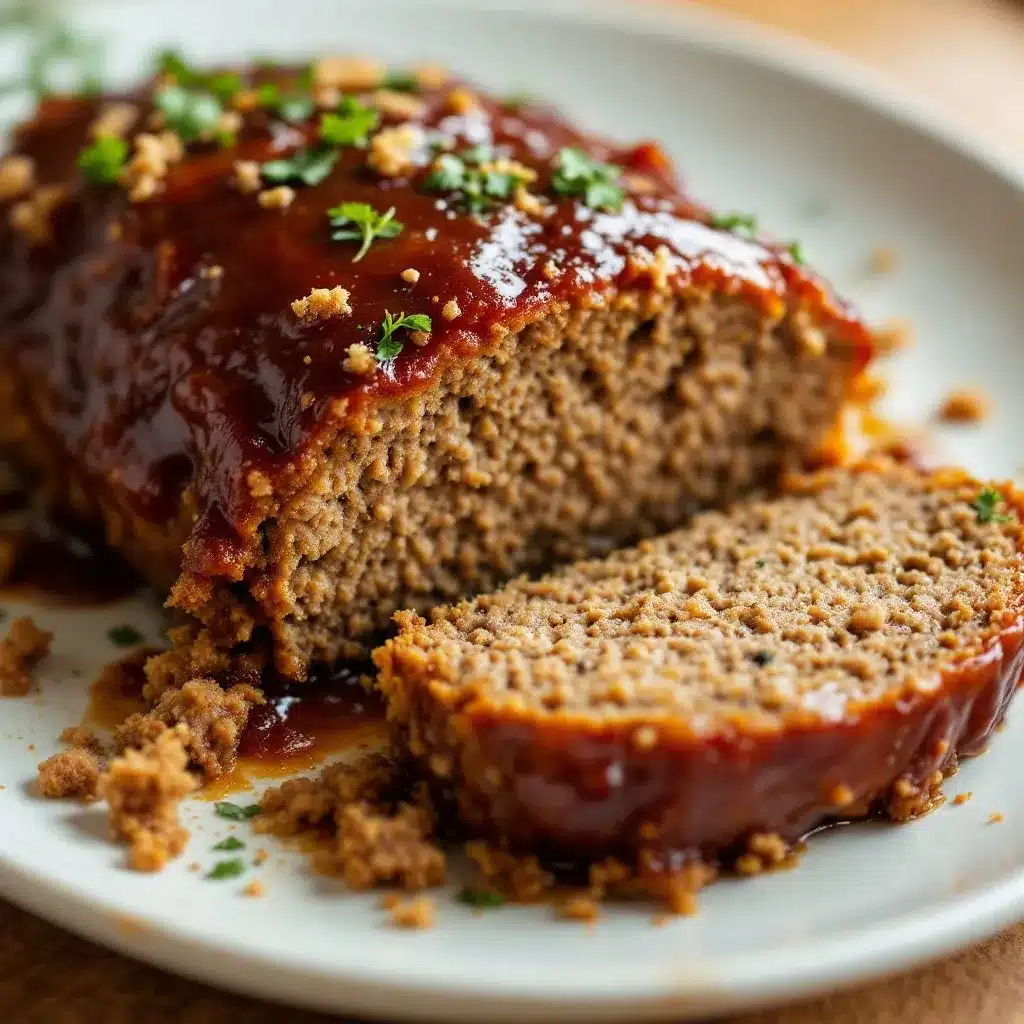
- Unbelievably Delicious: The brown sugar glaze creates a sticky, caramelized crust that locks in moisture. The inside stays tender and juicy, never dry or crumbly.
What makes this different from other meatloaf recipes? It’s the balance. The glaze isn’t just sweet—it has acidity from the vinegar and a little heat from the mustard. The meat mixture uses a panade (a paste of milk and breadcrumbs) that guarantees a tender texture. It’s not just another version of meatloaf. It’s the version I’d serve to someone who says they don’t like meatloaf.
This is the kind of meal that makes you slow down. It’s comfort food that feels like a warm blanket on a cold night, but it’s straightforward enough to pull together on a busy Tuesday. That’s a rare combination, and it’s exactly why this recipe has earned a permanent spot in my rotation.
What Ingredients You Will Need
This recipe relies on simple, everyday ingredients that work together to create something greater than the sum of their parts. I’ve tested different combinations, and this lineup delivers the best texture and flavor every time.
For the Meatloaf
- Ground beef (80/20): 2 pounds. The 80/20 ratio is important—the fat keeps the meatloaf moist. I’ve tried leaner blends, and they produce a drier result. If you want to mix it up, use 1 pound ground beef and 1 pound ground pork for extra richness.
- Breadcrumbs: 1 cup, plain or panko. I prefer panko for a lighter texture, but regular breadcrumbs work fine. If you’re gluten-free, use gluten-free breadcrumbs or crushed pork rinds.
- Milk: ½ cup, whole milk preferred. This combines with the breadcrumbs to create a panade, which keeps the meatloaf tender. You can use 2% or a dairy-free milk like oat milk in a pinch.
- Eggs: 2 large, lightly beaten. They bind everything together. Let them come to room temperature before mixing.
- Yellow onion: 1 medium, finely diced. I grate half of it on a box grater for moisture and dice the other half for texture. It’s a small trick that makes a big difference.
- Garlic: 3 cloves, minced. Fresh is best, but jarred minced garlic works in a pinch.
- Worcestershire sauce: 2 tablespoons. This adds that deep, savory umami flavor. I recommend Lea & Perrins.
- Ketchup: ¼ cup. Use a good-quality ketchup like Heinz. It adds sweetness and acidity to the meat mixture.
- Dijon mustard: 1 tablespoon. Adds a subtle tang that cuts through the richness.
- Dried thyme: 1 teaspoon. Earthy and aromatic. You can substitute with 1 tablespoon fresh thyme leaves.
- Salt: 1½ teaspoons. I use kosher salt. If using table salt, reduce to 1 teaspoon.
- Black pepper: ½ teaspoon, freshly ground.
- Fresh parsley: ¼ cup, chopped (optional, for freshness).
For the Brown Sugar Glaze
- Ketchup: ½ cup. The base of the glaze.
- Brown sugar: ⅓ cup, packed. Light or dark brown sugar works. Dark brown sugar gives a deeper molasses flavor.
- Apple cider vinegar: 2 tablespoons. This balances the sweetness and helps the glaze caramelize. Don’t skip it.
- Dijon mustard: 1 tablespoon. Adds a little kick and complexity.
- Worcestershire sauce: 1 teaspoon. For extra savory depth.
- Garlic powder: ½ teaspoon. Not strictly necessary, but I like the subtle savory note it adds.
Equipment Needed
You don’t need a fancy kitchen to make this meatloaf. Here’s what I use:
- 9×5-inch loaf pan: This is the standard size. If you don’t have one, you can shape the meatloaf free-form on a lined baking sheet. The loaf pan helps it hold its shape and traps moisture.
- Large mixing bowl: Big enough to get your hands in there for mixing. I prefer a stainless steel bowl—it’s lightweight and doesn’t absorb odors.
- Baking sheet: Line it with foil or parchment paper for easy cleanup. Place the loaf pan on the sheet to catch any drips.
- Chef’s knife and cutting board: For dicing the onion and mincing the garlic. A sharp knife makes this step faster and safer.
- Box grater: Optional, but I use it to grate half the onion. It releases more moisture and flavor.
- Small bowl: For mixing the glaze ingredients together.
- Pastry brush: For applying the glaze. A spoon works too, but a brush gives you a more even coat.
- Meat thermometer: This is non-negotiable for me. It’s the only way to guarantee your meatloaf is cooked through without being overdone. I recommend an instant-read thermometer.
If you don’t have a loaf pan, you can shape the meatloaf into a free-form loaf on a lined baking sheet. It will cook a little faster, so start checking the temperature at 50 minutes. I’ve done it both ways, and honestly, the free-form version gets a little more caramelized crust, which I love.
Preparation Method
Let’s get cooking. This recipe comes together quickly, so I like to have everything prepped before I start mixing.
- Preheat your oven to 350°F (175°C). Position the rack in the center of the oven. Line a baking sheet with foil or parchment paper and place your 9×5-inch loaf pan on top.
- Make the panade. In a small bowl, combine ½ cup milk and 1 cup breadcrumbs. Stir until the breadcrumbs are fully saturated. Let it sit for 5 minutes while you prep the other ingredients. This mixture is called a panade, and it’s the secret to a tender, never-dry meatloaf. The breadcrumbs absorb the milk and release it during cooking, keeping everything moist.
- Prepare the aromatics. Finely dice the onion. I grate half of it on a box grater into a small bowl—this releases the onion’s juices and adds moisture to the meatloaf. Mince the garlic cloves. Set both aside.
- Mix the glaze. In a small bowl, whisk together ½ cup ketchup, ⅓ cup packed brown sugar, 2 tablespoons apple cider vinegar, 1 tablespoon Dijon mustard, 1 teaspoon Worcestershire sauce, and ½ teaspoon garlic powder. Set aside. This will be applied in two stages—some goes on before baking, and the rest goes on during the last 15 minutes.
- Combine the meatloaf ingredients. In a large mixing bowl, combine 2 pounds ground beef (80/20), the soaked breadcrumb mixture, 2 lightly beaten eggs, the diced and grated onion, the minced garlic, 2 tablespoons Worcestershire sauce, ¼ cup ketchup, 1 tablespoon Dijon mustard, 1 teaspoon dried thyme, 1½ teaspoons kosher salt, ½ teaspoon black pepper, and the chopped parsley if using.
- Mix gently. Use your hands to combine everything. The key word here is gently. Overmixing compacts the meat and makes the meatloaf dense and tough. Mix just until everything is evenly distributed—you shouldn’t see any streaks of breadcrumb mixture or egg. It should take about 30 seconds of gentle folding and squeezing.
- Shape the meatloaf. Transfer the mixture to the loaf pan. Press it in gently, making sure there are no air pockets. Don’t pack it down hard—you want it to hold its shape without being compressed. The top should be slightly domed in the center.
- Apply the first layer of glaze. Spoon about ⅓ of the glaze over the top of the meatloaf. Use a pastry brush or the back of a spoon to spread it evenly, letting some drip down the sides. Reserve the remaining glaze for later.
- Bake for 45 minutes. Place the baking sheet with the loaf pan in the oven. Bake uncovered for 45 minutes. The glaze will start to caramelize and the kitchen will smell amazing.
- Apply the second layer of glaze. After 45 minutes, remove the meatloaf from the oven. Spoon the remaining glaze over the top, spreading it evenly. Return to the oven and bake for another 15 minutes.
- Check the internal temperature. Insert an instant-read thermometer into the center of the meatloaf. It should read 160°F (71°C) for beef. If it’s not there yet, continue baking in 5-minute increments and check again.
- Rest before slicing. This is the hardest part, but don’t skip it. Remove the meatloaf from the oven and let it rest in the pan for 10 minutes. Then carefully transfer it to a cutting board. The resting period allows the juices to redistribute throughout the meatloaf. If you slice it right away, those juices will run out onto the cutting board and leave you with a dry meatloaf.
- Slice and serve. Use a sharp knife to slice the meatloaf into 1-inch thick slices. The glaze should be sticky and caramelized, with a slight crackle when you cut through it. Serve immediately with your favorite sides.
Pro tip: If you want extra caramelization, during the last 5 minutes of baking, switch the oven to broil. Watch it closely—the sugar in the glaze can burn quickly. You just want the top to bubble and darken slightly.
Cooking Tips & Techniques
I’ve made this recipe dozens of times, and I’ve learned a few things the hard way. Here are the tips that make the difference between a good meatloaf and a great one.
Don’t overmix. I cannot stress this enough. The more you handle the meat mixture, the tougher the meatloaf becomes. Mix just until everything is combined. If you see streaks, that’s okay. A few gentle folds will take care of them.
Use a meat thermometer. I used to guess, and I ended up with dry meatloaf more often than I’d like to admit. The USDA recommends 160°F for ground beef. Pull it out at exactly that temperature, and let it rest. The carryover cooking will bring it up a few more degrees without drying it out.
Let it rest. I know you’re hungry. I know it smells incredible. But slicing into a meatloaf straight out of the oven is the fastest way to a dry, crumbly mess. Ten minutes on the cutting board makes all the difference. Use that time to make a quick salad or warm up your sides.
Line your pan. I learned this one after scrubbing a baked-on glaze crust off my favorite loaf pan. Line the pan with parchment paper, leaving a little overhang on the sides. You can lift the whole meatloaf out cleanly, and cleanup takes 30 seconds.
Watch the glaze. Brown sugar burns easily. Keep an eye on the glaze during the last 15 minutes of baking. If it starts to look too dark, tent the meatloaf loosely with foil. Every oven runs a little differently, so check yours early the first time you make this.
Make extra glaze. I always double the glaze recipe. I use half for the meatloaf and serve the rest on the side for dipping. It’s also amazing drizzled over mashed potatoes or roasted vegetables.
Use a panade. This is the breadcrumb-and-milk mixture. It’s not optional. The panade keeps the meatloaf tender by preventing the proteins in the meat from binding too tightly. Without it, you’ll end up with a dense, almost rubbery texture. Trust me on this one.
Variations & Adaptations
This recipe is a great starting point, but it’s also flexible. Here are some variations I’ve tried and loved.
Cheese-Stuffed Meatloaf: Before shaping the meatloaf, press half the mixture into the pan. Make a shallow well down the center and fill it with shredded cheddar, mozzarella, or crumbled blue cheese. Top with the remaining meat mixture and seal the edges. The cheese melts into the center and creates a gooey, surprise filling. I’ve done this with sharp cheddar and it’s incredible.
Turkey Meatloaf: Substitute ground turkey for the ground beef. Use 93/7 lean turkey—anything leaner will be too dry. Add an extra tablespoon of olive oil to the mixture to compensate for the lower fat content. Cook to 165°F (74°C) instead of 160°F. The glaze helps keep it moist, but don’t skip the panade.
BBQ Bacon Meatloaf: Swap the brown sugar glaze for your favorite barbecue sauce. Wrap the shaped meatloaf in 4-5 strips of bacon before baking. The bacon adds smoky flavor and keeps the meatloaf incredibly moist. Brush with additional barbecue sauce during the last 15 minutes of baking. This is my husband’s favorite version.
Gluten-Free Option: Use gluten-free breadcrumbs or crushed gluten-free crackers in the panade. Replace the Worcestershire sauce with a gluten-free version (some brands contain malt vinegar). Everything else in the recipe is naturally gluten-free.
Spicy Kick: Add 1-2 tablespoons of sriracha or your favorite hot sauce to the meat mixture. Mix ½ teaspoon of cayenne pepper into the glaze. The heat plays beautifully with the sweet brown sugar. I like to serve this version with a side of creamy coleslaw to cool things down.
Mini Meatloaves: Divide the mixture into 6-8 individual portions and shape them into small loaves on a lined baking sheet. Reduce the baking time to 25-30 minutes, checking for an internal temperature of 160°F. These are perfect for meal prep or for freezing individual portions.
Serving & Storage Suggestions
Meatloaf is a complete meal on its own, but the right sides can turn it into something special.
Serving temperature: Serve the meatloaf warm, straight from the oven. The glaze should be sticky and glossy. Slice it into 1-inch thick pieces and arrange them on a platter. Spoon any extra glaze from the pan over the top.
Classic sides: Mashed potatoes are the obvious choice—they soak up the glaze beautifully. I also love serving this with roasted green beans, buttered peas, or a simple side salad. For a heartier meal, try it with creamy herb and garlic mashed potatoes or a side of roasted root vegetables. The sweetness of the glaze pairs especially well with roasted carrots or sweet potatoes.
Beverage pairings: A bold red wine like Zinfandel or a Malbec stands up to the richness of the meatloaf and the sweetness of the glaze. For a non-alcoholic option, try a tart cherry juice or a ginger beer with a squeeze of lime.
Storage: Leftover meatloaf keeps beautifully. Store it in an airtight container in the refrigerator for up to 4 days. The flavors actually deepen overnight, so leftovers are often even better the next day.
Freezing: You can freeze the cooked meatloaf whole or in slices. Wrap it tightly in plastic wrap, then in foil, and freeze for up to 3 months. To reheat, thaw overnight in the refrigerator, then warm in a 350°F oven for 15-20 minutes, covered with foil. You can also reheat individual slices in the microwave, but the glaze will lose some of its caramelized texture.
Reheating tips: For the best results, reheat slices in a skillet over medium heat with a splash of water or beef broth. Cover the skillet and let the meatloaf steam for 3-4 minutes. This brings back the moisture without drying it out. I’ve also reheated slices under the broiler for 2-3 minutes per side—the glaze gets sticky and caramelized all over again.
Leftover ideas: Cold meatloaf sandwiches are a thing of beauty. Slice it thin, pile it on toasted bread with a smear of leftover glaze, some lettuce, and a slice of tomato. Or crumble leftover meatloaf into a skillet with some diced onion and bell pepper, add a little ketchup, and serve it over rice for a quick “meatloaf hash.”
Nutritional Information & Benefits
This recipe is comfort food, plain and simple. But it also has some nutritional upsides worth noting.
Estimated nutritional values per serving (based on 8 servings):
- Calories: 420
- Protein: 28g
- Fat: 22g
- Carbohydrates: 28g
- Fiber: 1g
- Sugar: 18g
- Sodium: 780mg
Protein powerhouse: Ground beef is an excellent source of high-quality protein, iron, and B vitamins, especially B12. One serving provides about half your daily protein needs. The iron in beef is heme iron, which is more easily absorbed by the body than the iron found in plants.
Onion and garlic benefits: These aromatics aren’t just for flavor. They contain compounds that support immune function and heart health. Onions are a good source of quercetin, a powerful antioxidant, and garlic has been shown to have anti-inflammatory properties.
Dietary considerations: This recipe is not suitable for vegetarian, vegan, or dairy-free diets in its current form, but it can be adapted. For a lower-carb option, replace the breadcrumbs with almond flour or crushed pork rinds and reduce the brown sugar in the glaze. The protein content makes it a satisfying option for those following a higher-protein diet.
Allergen note: This recipe contains gluten (breadcrumbs, Worcestershire sauce), dairy (milk), and eggs. For a gluten-free version, use gluten-free breadcrumbs and gluten-free Worcestershire sauce. For a dairy-free version, use oat milk in the panade and check that your Worcestershire sauce is dairy-free (most are).
I don’t pretend this is health food. It’s a hearty, satisfying meal that fills you up and makes you feel good. But it’s also balanced enough to fit into a regular dinner rotation without guilt. That’s the kind of cooking I believe in—food that nourishes you and makes you happy, all at once.
Conclusion
This classic meatloaf with brown sugar glaze has become my go-to for a reason. It’s reliable without being boring, comforting without being heavy, and impressive without being complicated. The glaze caramelizes into a sticky, sweet crust that locks in moisture, and the inside stays tender and juicy every single time.
I love that this recipe lets me be flexible. Some nights I stuff it with cheese, other nights I wrap it in bacon. Sometimes I serve it with mashed potatoes and gravy, other times I slice it cold for sandwiches the next day. It always delivers, no matter how I choose to dress it up.
If you try this recipe, I’d love to hear how it turns out. Leave a comment below and let me know if you made any substitutions or additions—I’m always looking for new ideas. And if you’re in the mood for more comforting dinner recipes, you might also enjoy this rosemary garlic pot roast or these slow cooker chicken fajitas for another easy weeknight win.
Happy cooking, friends. I hope this meatloaf brings as much warmth to your table as it has to mine.
Frequently Asked Questions
Can I make this meatloaf ahead of time?
Absolutely. You can assemble the meatloaf completely (including the first layer of glaze) up to 24 hours in advance. Cover it tightly with plastic wrap and refrigerate. When you’re ready to bake, let it sit at room temperature for 20 minutes while the oven preheats, then bake as directed. You may need to add 5-10 minutes to the baking time since it’s starting from cold.
Why is my meatloaf falling apart?
This usually happens for one of two reasons: not enough binder or slicing too soon. The eggs and breadcrumb panade are what hold the meatloaf together. If you’re using lean ground beef, you might need an extra egg. And remember—letting the meatloaf rest for 10 minutes after baking is crucial. The proteins need time to set, and the juices need to redistribute. Slice too soon, and you’ll end up with a crumbly mess.
Can I use a different meat blend?
Yes! A mix of ground beef and ground pork (50/50) adds richness and moisture. Ground veal also works beautifully. If you’re using all turkey or chicken, add an extra tablespoon of olive oil and consider wrapping the meatloaf in bacon to keep it from drying out. Just remember to adjust your cooking temperature—poultry needs to reach 165°F.
How do I prevent the glaze from burning?
Brown sugar burns quickly because of its high sugar content. The key is to apply the glaze in stages. The first layer goes on before baking and caramelizes slowly. The second layer goes on during the last 15 minutes—just enough time to get sticky and glossy without burning. If your oven runs hot, tent the meatloaf with foil for the last 10 minutes of baking.
Can I cook this in a slow cooker?
You can, but the texture will be different. Shape the meatloaf mixture into a loaf and place it on a bed of sliced onions in the slow cooker. Pour half the glaze over the top. Cook on low for 6-7 hours or on high for 3-4 hours. The meatloaf will be very tender, almost like a pot roast, but it won’t have the caramelized crust you get from oven baking. If you want a little crust, transfer the cooked meatloaf to a baking sheet, brush with the remaining glaze, and broil for 3-4 minutes before serving.
Pin This Recipe!
Best Classic Meatloaf with Brown Sugar Glaze (Easy Homemade Recipe)
This classic meatloaf features a sticky, caramelized brown sugar glaze that locks in moisture, resulting in a tender and juicy interior. It’s a reliable, weeknight-friendly comfort food that pleases picky eaters and food enthusiasts alike.
- Prep Time: 15 minutes
- Cook Time: 1 hour
- Total Time: 1 hour 15 minutes
- Yield: 8 servings 1x
- Category: Main Course
- Cuisine: American
Ingredients
- 2 pounds ground beef (80/20)
- 1 cup breadcrumbs (plain or panko)
- ½ cup whole milk
- 2 large eggs, lightly beaten
- 1 medium yellow onion, finely diced (half grated)
- 3 cloves garlic, minced
- 2 tablespoons Worcestershire sauce
- ¼ cup ketchup
- 1 tablespoon Dijon mustard
- 1 teaspoon dried thyme
- 1½ teaspoons kosher salt
- ½ teaspoon black pepper, freshly ground
- ¼ cup fresh parsley, chopped (optional)
- ½ cup ketchup (for glaze)
- ⅓ cup brown sugar, packed (light or dark)
- 2 tablespoons apple cider vinegar
- 1 tablespoon Dijon mustard (for glaze)
- 1 teaspoon Worcestershire sauce (for glaze)
- ½ teaspoon garlic powder
Instructions
- Preheat your oven to 350°F (175°C). Position the rack in the center of the oven. Line a baking sheet with foil or parchment paper and place a 9×5-inch loaf pan on top.
- Make the panade: In a small bowl, combine ½ cup milk and 1 cup breadcrumbs. Stir until the breadcrumbs are fully saturated. Let it sit for 5 minutes.
- Prepare the aromatics: Finely dice the onion. Grate half of it on a box grater into a small bowl. Mince the garlic cloves. Set both aside.
- Mix the glaze: In a small bowl, whisk together ½ cup ketchup, ⅓ cup packed brown sugar, 2 tablespoons apple cider vinegar, 1 tablespoon Dijon mustard, 1 teaspoon Worcestershire sauce, and ½ teaspoon garlic powder. Set aside.
- Combine the meatloaf ingredients: In a large mixing bowl, combine 2 pounds ground beef (80/20), the soaked breadcrumb mixture, 2 lightly beaten eggs, the diced and grated onion, the minced garlic, 2 tablespoons Worcestershire sauce, ¼ cup ketchup, 1 tablespoon Dijon mustard, 1 teaspoon dried thyme, 1½ teaspoons kosher salt, ½ teaspoon black pepper, and the chopped parsley if using.
- Mix gently: Use your hands to combine everything. Mix just until evenly distributed—about 30 seconds of gentle folding and squeezing.
- Shape the meatloaf: Transfer the mixture to the loaf pan. Press it in gently, making sure there are no air pockets. The top should be slightly domed.
- Apply the first layer of glaze: Spoon about ⅓ of the glaze over the top of the meatloaf. Use a pastry brush or the back of a spoon to spread it evenly, letting some drip down the sides. Reserve the remaining glaze.
- Bake for 45 minutes: Place the baking sheet with the loaf pan in the oven. Bake uncovered for 45 minutes.
- Apply the second layer of glaze: After 45 minutes, remove the meatloaf from the oven. Spoon the remaining glaze over the top, spreading it evenly. Return to the oven and bake for another 15 minutes.
- Check the internal temperature: Insert an instant-read thermometer into the center of the meatloaf. It should read 160°F (71°C) for beef. If not, continue baking in 5-minute increments.
- Rest before slicing: Remove the meatloaf from the oven and let it rest in the pan for 10 minutes. Then carefully transfer it to a cutting board.
- Slice and serve: Use a sharp knife to slice the meatloaf into 1-inch thick slices. Serve immediately with your favorite sides.
Notes
For extra caramelization, during the last 5 minutes of baking, switch the oven to broil. Watch closely to prevent burning. Let the meatloaf rest for 10 minutes before slicing to allow juices to redistribute.
Nutrition
- Serving Size: 1 slice (1-inch thic
- Calories: 420
- Sugar: 18
- Sodium: 780
- Fat: 22
- Saturated Fat: 8
- Carbohydrates: 28
- Fiber: 1
- Protein: 28
Keywords: meatloaf, brown sugar glaze, classic meatloaf, easy meatloaf, homemade meatloaf, comfort food, family dinner